High Modulus vs. Low Shrinkage: How Weixin Polyester Dipped Cord Fabric Helps You Choose the Right Tire Reinforcement Material
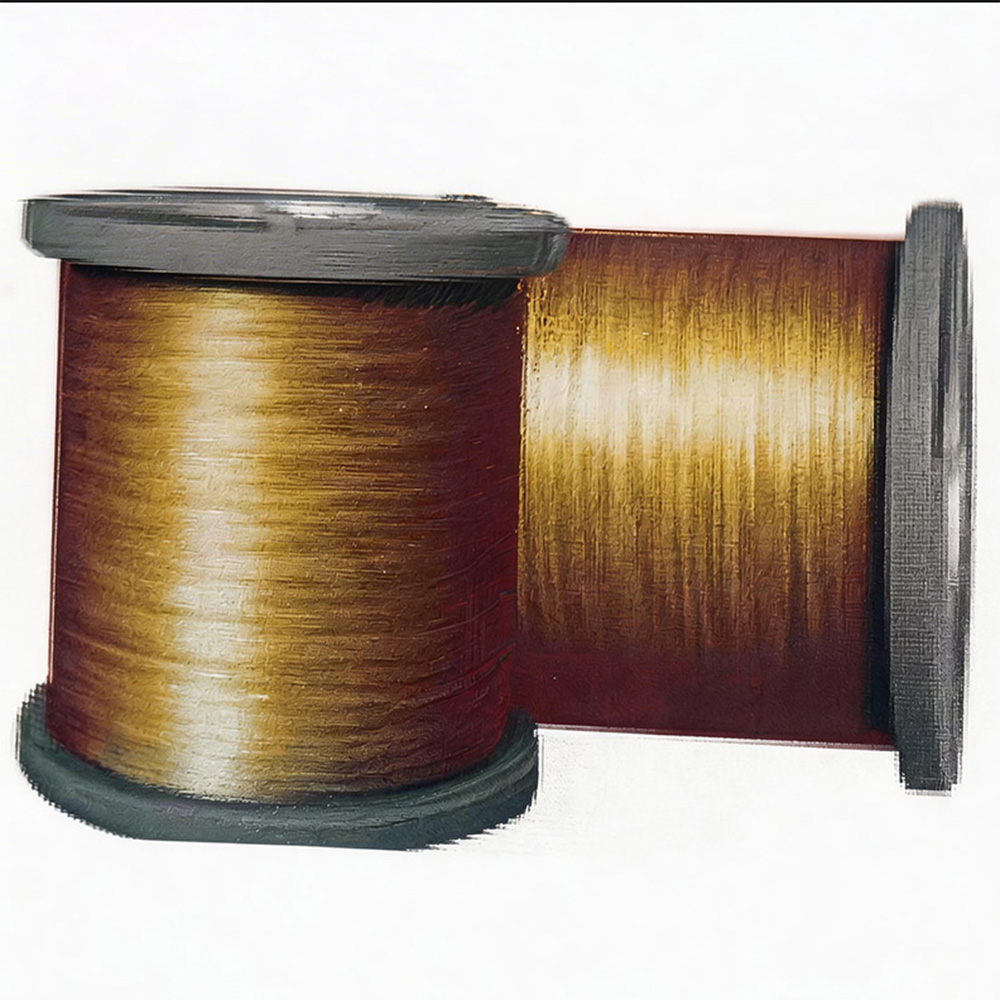
When selecting polyester dipped cord fabric for tire reinforcement, two performance parameters dominate technical discussions: modulus and shrinkage. Yet many buyers treat them as independent properties — or worse, assume "higher is always better" for both.
At Weixin, we understand that high modulus and low shrinkage often involve trade-offs. Choosing the right balance for your specific tire type, curing process, and service conditions is the key to maximizing tire performance and manufacturing yield.
This guide explains what modulus and shrinkage mean, how they interact, and how Weixin helps you select the optimal dipped cord fabric for your application.
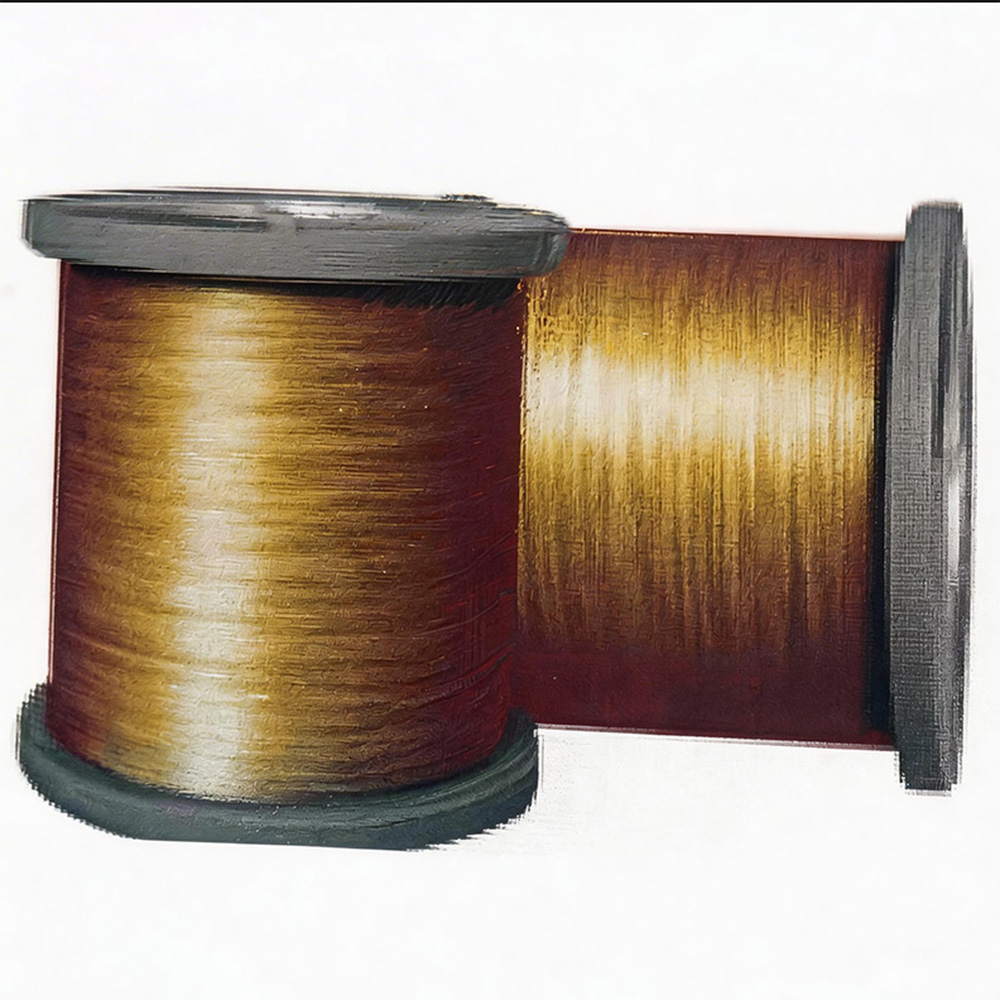
What Is Modulus in Polyester Dipped Cord?
Modulus measures a fabric's resistance to stretching under load. High modulus means the cord maintains its shape and dimensional stability when tension is applied.
Why high modulus matters for tires:
Reduces tire growth under high-speed or heavy-load conditions
Maintains tire footprint and handling characteristics
Prevents belt edge separation in radial tires
When high modulus is critical:
High-speed passenger tires
Light truck and commercial tires
Run-flat tire constructions
What Is Shrinkage in Polyester Dipped Cord?
Shrinkage refers to the percentage of dimensional change when the fabric is exposed to heat — particularly during tire curing (typically 150–180°C / 300–350°F).
Why low shrinkage matters for tires:
Ensures dimensional accuracy after vulcanization
Prevents carcass distortion and uneven belt tension
Reduces rejects and scrap during tire building
When low shrinkage is critical:
Large tire molds with tight dimensional tolerances
Multi-ply tire constructions requiring ply-to-ply alignment
High-temperature or extended curing cycles
The Trade-Off: High Modulus vs. Low Shrinkage
In conventional polyester cord manufacturing, increasing modulus often comes with higher thermal shrinkage — and reducing shrinkage can lower modulus. This trade-off exists because both properties originate from the same heat-setting and drawing process.
| Focus | Modulus | Shrinkage | Best For |
|---|---|---|---|
| High modulus priority | Very high | Moderate | High-speed tires, performance tires |
| Balanced | High | Low | General passenger and truck tires |
| Low shrinkage priority | Moderate | Very low | Large tires, complex molds, high-heat cures |
How Weixin Optimizes Both Properties
Through precision dipping and multi-zone heat-setting, Weixin produces polyester dipped cord fabric that pushes both parameters in the right direction — minimizing the traditional trade-off.
Weixin's technical capabilities:
Controlled drawing ratios to set initial modulus
Multi-stage heat stabilization to lock in low shrinkage without sacrificing modulus
RFL dip formulations that maintain adhesion across the full processing window
The result: Weixin offers three product grades so you don't have to compromise unnecessarily.
Weixin Product Selection Guide for Tire Reinforcement
| Grade | Modulus Level | Shrinkage Level | Recommended Tire Applications |
|---|---|---|---|
| Weixin HM | Very high | Moderate (0.5–1.0%) | High-speed radial tires, performance tires |
| Weixin Balanced | High | Low (0.3–0.6%) | Passenger car tires, light truck tires |
| Weixin LS | Moderate | Very low (0.1–0.3%) | Large OTR tires, high-temperature cures, complex multi-ply molds |
All grades meet or exceed industry adhesion standards for rubber bonding.
How to Choose: A Simple Decision Flow
Step 1 – Identify your curing conditions
Standard passenger tire cure (160°C / 45 min) → Balanced or HM grade
Extended or high-temperature cure → LS grade
Step 2 – Assess your tire performance target
High speed or run-flat → HM grade
General durability and handling → Balanced grade
Dimensional precision for large molds → LS grade
Step 3 – Test with Weixin technical support
We provide sample rolls for trial in your tire building and curing line. Our engineers help you interpret post-cure cord properties and adjust specifications if needed.
Beyond Modulus and Shrinkage: What Else Weixin Delivers
While modulus and shrinkage are critical, Weixin polyester dipped cord fabric also offers:
Strong rubber adhesion – Consistent RFL dip coverage
Excellent fatigue resistance – Withstands millions of flex cycles
Aging resistance – Heat-stabilized yarns for long-term durability
Batch traceability – Every roll linked to production parameters
Why Tire Manufacturers Choose Weixin
Technical guidance to select the right grade — not just "one size fits all"
Consistent batch-to-batch properties for stable tire building
Customizable modulus/shrinkage targets for proprietary tire designs
Reliable supply with safety stock options
Case Example: Switching from Single-Grade to Application-Specific Selection
A tire manufacturer previously used the same dipped cord fabric for all passenger tire lines — resulting in either excessive tire growth (high-speed models) or curing shrinkage rejects (large-diameter models).
Weixin solution:
HM grade for high-speed tire line → growth reduced by 40%
LS grade for large-diameter tire line → curing rejects cut by 60%
Result: Better tire performance and lower scrap rates, without changing base cord material.
Final Recommendation
Do not assume one polyester dipped cord fits all tires. Match modulus and shrinkage to your tire type, curing process, and performance targets. Weixin provides the grades, the technical data, and the application support to help you choose correctly.
Contact Weixin today to discuss your tire reinforcement requirements and request sample rolls for testing.
Our Expertise – Carcass Fabric & Dipped Fabric Solutions
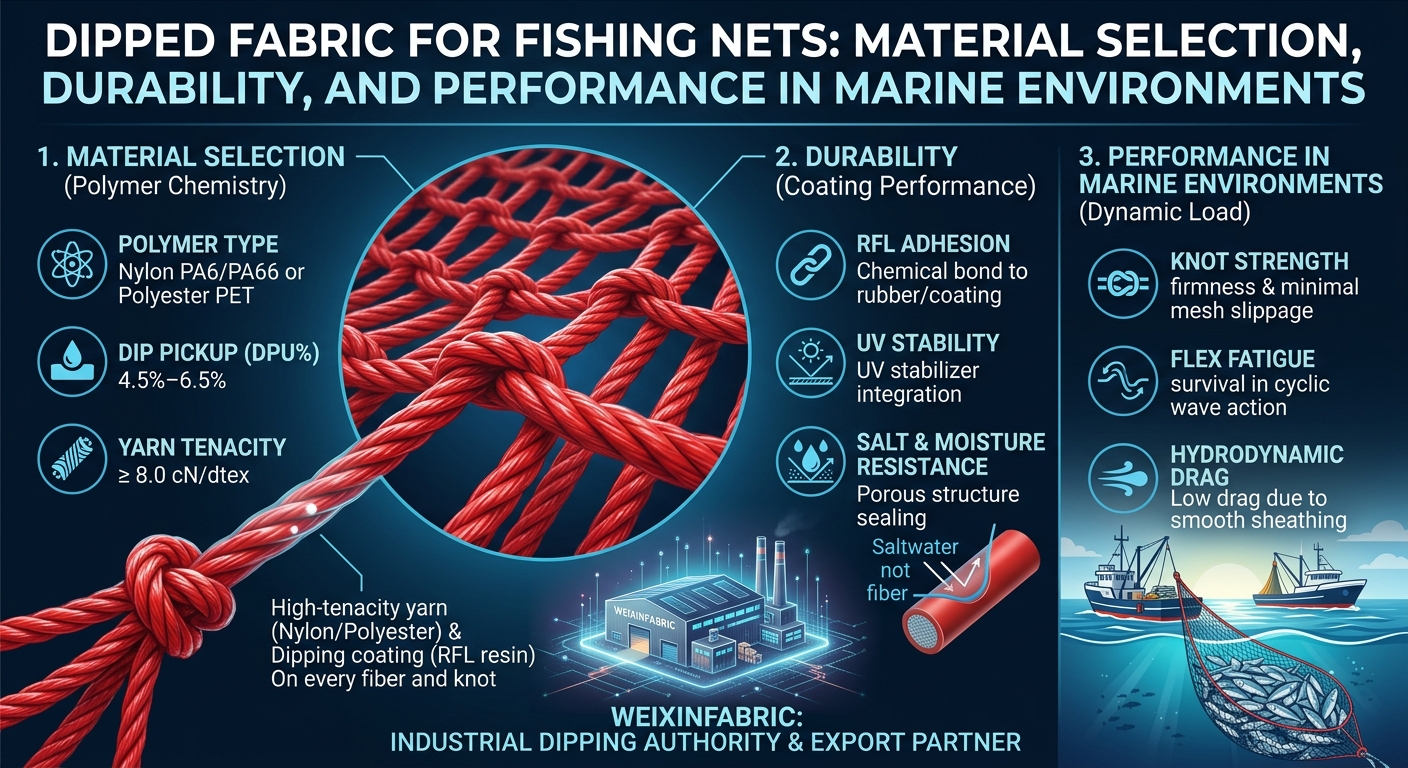
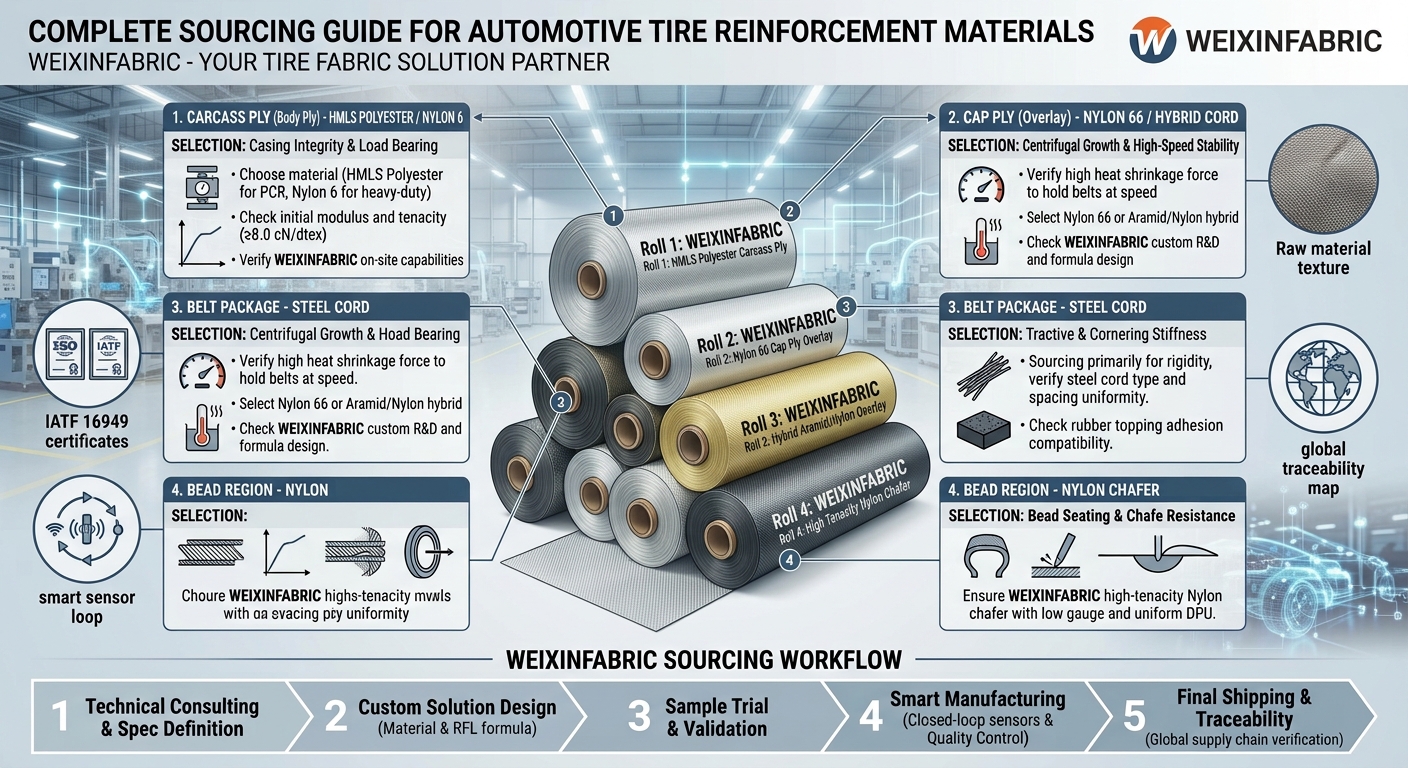
As a professional manufacturer and solution expert, we specialize in Carcass Fabric for Automotive Tires, Dipped Fabric for Conveyor Belts, Dipped Fabric for Fishing Nets, and Grade C Cord Fabric. With years of R&D and production experience, we provide high-strength, heat-resistant, and durable industrial fabrics tailored to global clients' specific requirements. Our products are widely used in tire reinforcement, conveyor belt carcass, fishing net manufacturing, and other industrial applications. Explore full product range →
Also check our Tire Cord Fabric, Conveyor Belt Dipped Fabric, and Fishing Net Dipped Fabric pages.