Dipped Fabrics for Conveyor Belts – The Engineered Backbone of Reliable Conveying
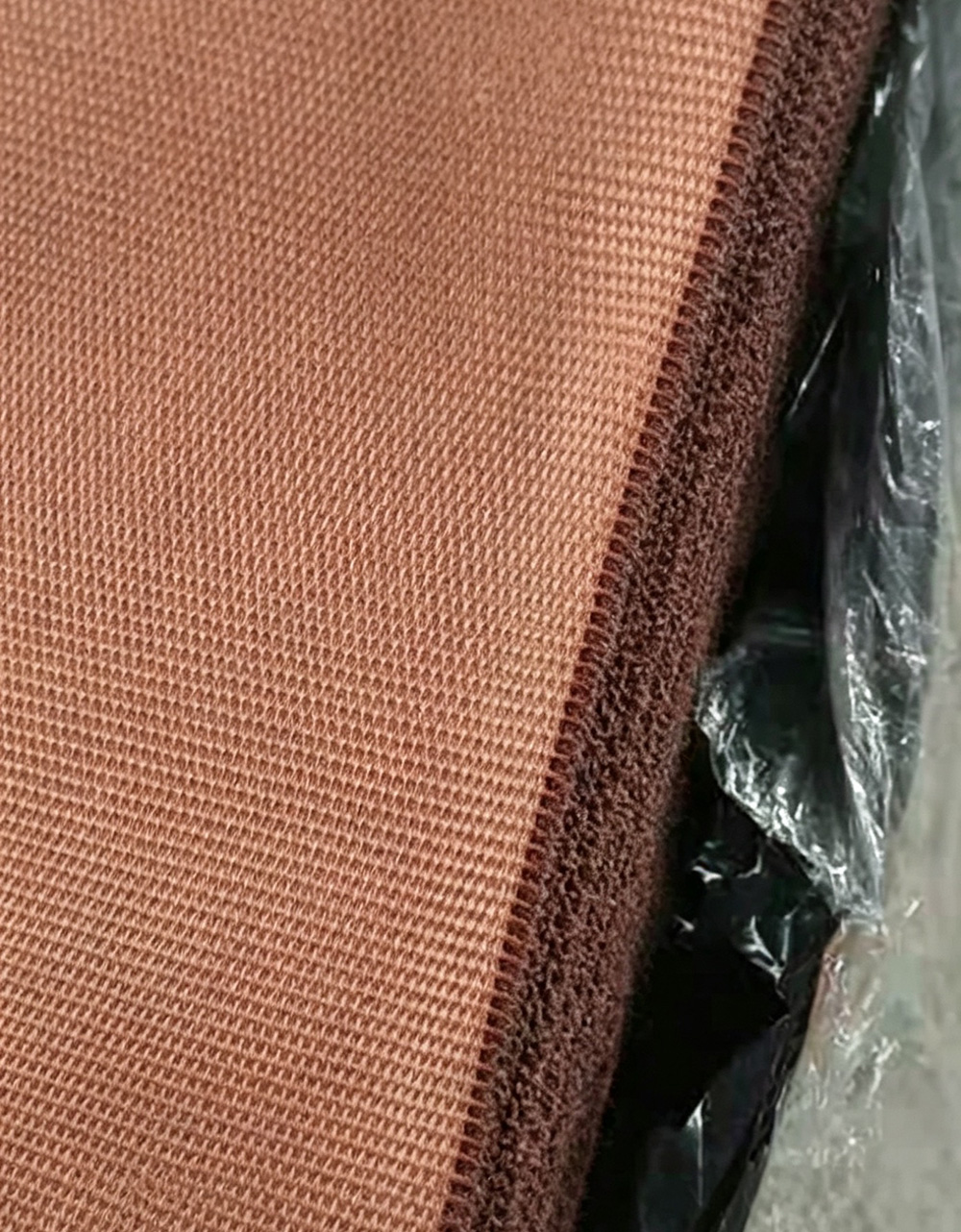
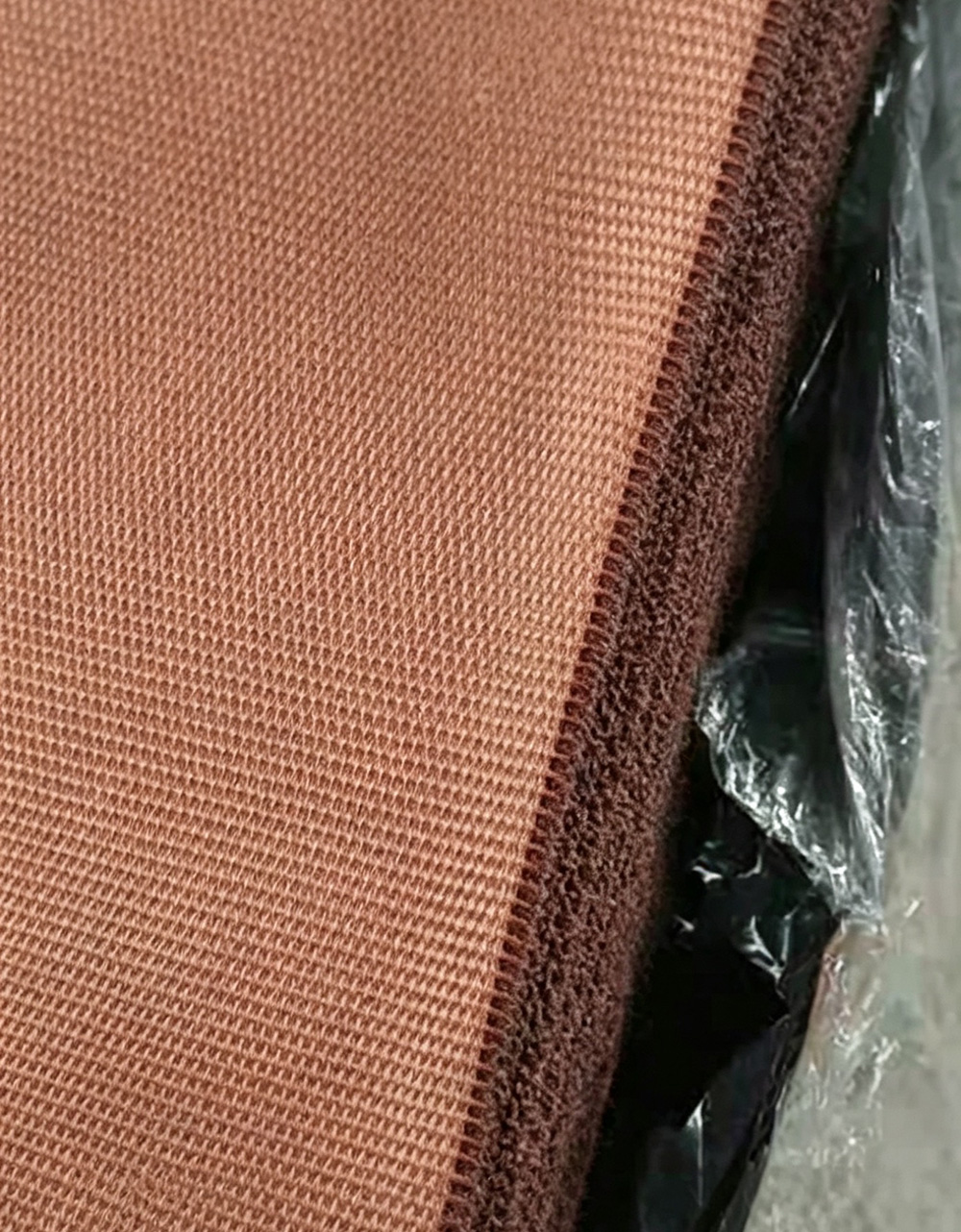
A conveyor belt is only as strong, stable, and reliable as the fabric at its core. The carcass – or reinforcement layer – bears the entire tensile load, absorbs impact energy, maintains troughability, and determines the belt's dimensional stability over years of service. Without a properly engineered fabric, belts stretch, delaminate, track poorly, and fail prematurely.
At Weixin, our dipped fabrics for conveyor belts are engineered to be the backbone of reliable conveying. Through precision weaving, RFL dipping, and multi-zone heat-setting, we produce conveyor belt fabrics that deliver high tensile strength, excellent ply adhesion, low elongation, and exceptional impact resistance – all in a single integrated construction.
What Is a Dipped Conveyor Belt Fabric?
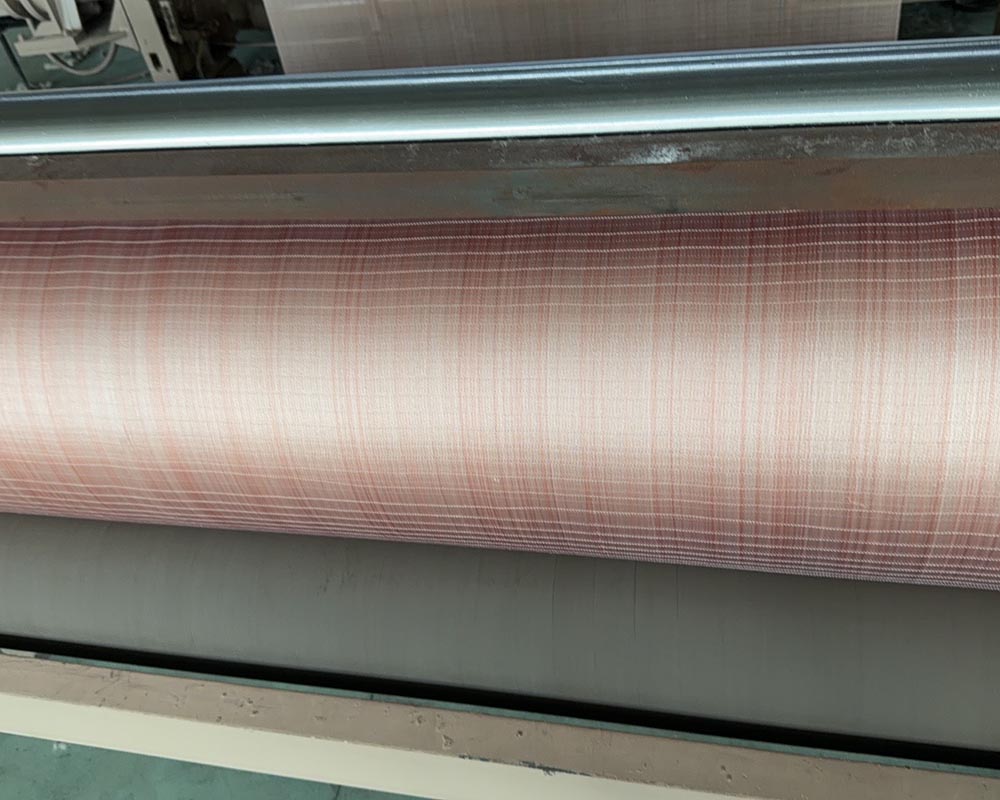
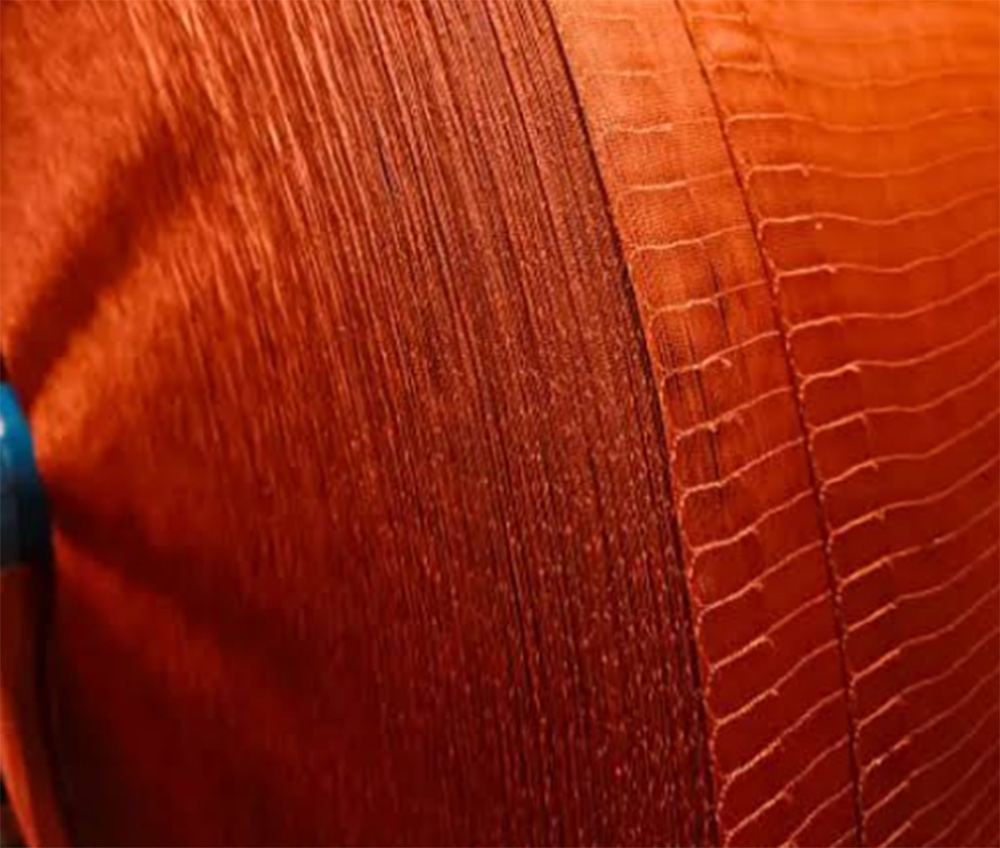
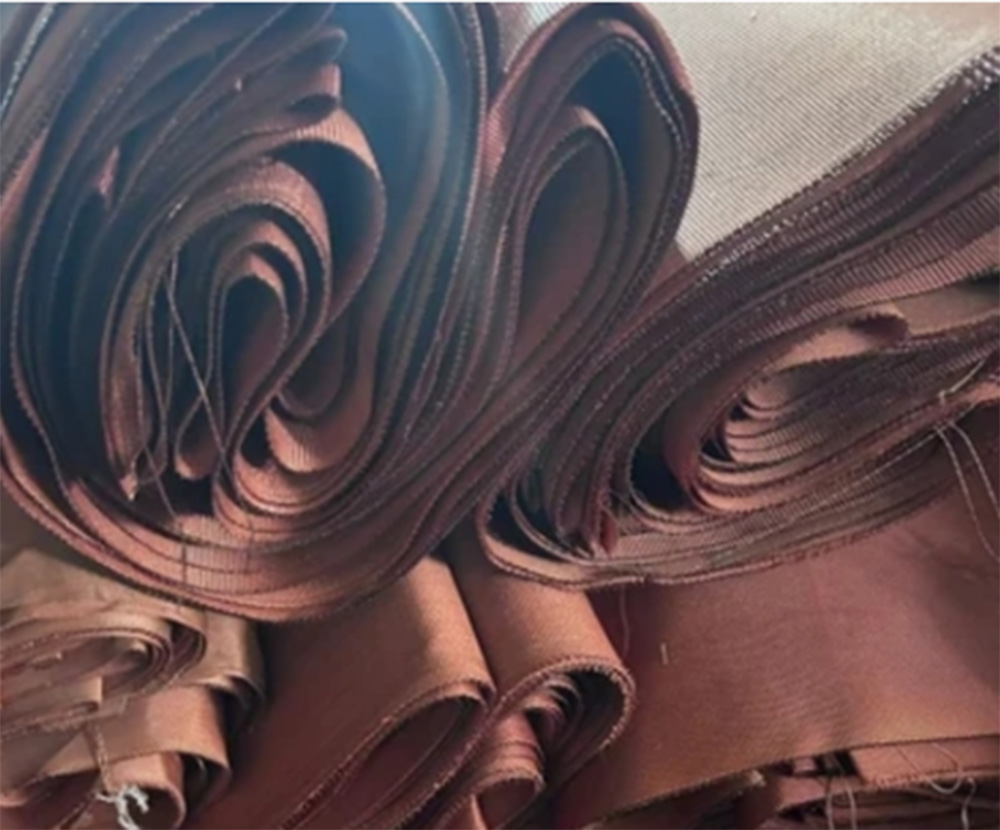
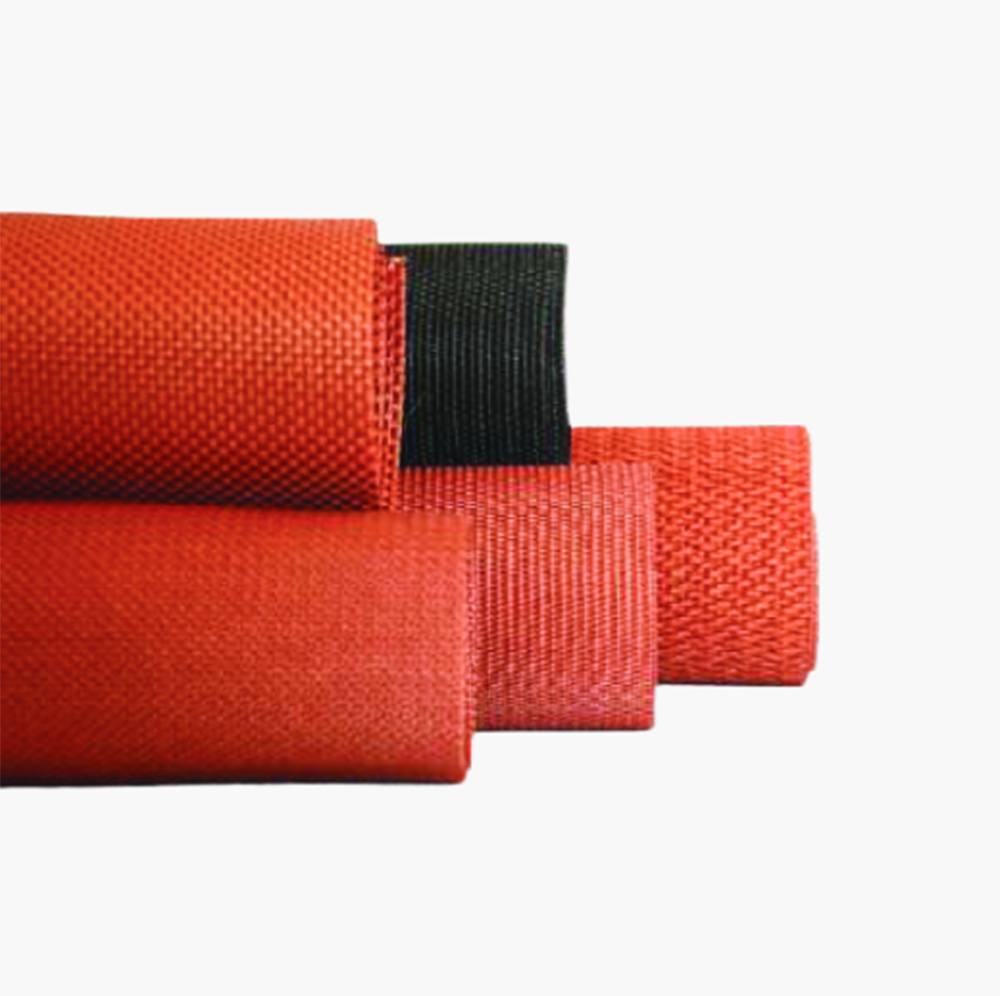
A dipped conveyor belt fabric is a woven textile – typically polyester, nylon, or a combination – that has been treated with an RFL (resorcinol-formaldehyde-latex) dip solution and heat-set for dimensional stability. This treatment creates a chemical bond between the fabric and the rubber compound, enabling the fabric to function as the belt's structural reinforcement.
| Component | Function |
|---|---|
| Warp yarns (lengthwise) | Carry the tensile load along the belt length |
| Weft yarns (crosswise) | Provide impact resistance and troughability |
| RFL dip | Creates chemical adhesion to rubber |
| Heat-setting | Locks in low elongation and dimensional stability |
Without dipping, fabric and rubber will separate under load. Without proper heat-setting, the fabric will stretch and creep over time. Weixin delivers both.
Why Conveyor Belts Need Engineered Fabrics
| Challenge | Consequence of Poor Fabric | How Weixin Solves It |
|---|---|---|
| Tensile load | Belt stretches, take-up travels out | High-tenacity yarns, low elongation |
| Impact at load zone | Carcass rupture, cover damage | Heavy weft, impact-resistant weave |
| Ply separation | Delamination, belt swelling | Optimized RFL dip, high adhesion |
| Moisture | Strength loss, tracking issues | Polyester (< 0.5% moisture regain) |
| Heat (splicing/hot materials) | Shrinkage, dimensional change | Heat-set, low thermal shrinkage |
| Long-term creep | Permanent stretch, belt lengthening | Heat-set polyester, minimal creep |
Weixin dipped fabrics are engineered to address each challenge systematically.
Weixin Dipped Fabric Product Line
| Grade | Construction | Tensile Strength (N/mm) | Elongation at 10% Load | Adhesion (N/mm) | Best Application |
|---|---|---|---|---|---|
| Weixin C-200 | 100% polyester | 200 | 0.5–0.6% | ≥ 7.0 | Light-duty, package handling |
| Weixin C-315 | 100% polyester | 315 | 0.4–0.5% | ≥ 7.5 | General purpose, aggregate |
| Weixin C-400 | 100% polyester | 400 | 0.4–0.5% | ≥ 7.5 | Medium-duty, coal, sand |
| Weixin C-500 | EP (polyester/nylon) | 500 | 0.5–0.6% | ≥ 7.0 | Heavy-duty, mining, quarry |
| Weixin C-630 | EP (polyester/nylon) | 630 | 0.5–0.6% | ≥ 7.0 | Heavy-duty, large lump |
| Weixin C-800 | EP (polyester/nylon) | 800 | 0.5–0.6% | ≥ 7.0 | Extreme heavy-duty |
| Weixin IR | Impact-resistant (heavy weft) | Custom | 0.5–0.7% | ≥ 7.5 | Load zones, crusher feed |
| Weixin BF | Breaker fabric | 100–500 | Variable | ≥ 8.0 | Impact + cut protection |
EP = Polyester warp, nylon weft
Engineered Property #1: High Tensile Strength
The warp yarns – running the length of the belt – carry the entire driving tension. Weixin uses high-tenacity polyester yarns with breaking tenacity of 6.5–7.5 cN/dtex.
| Grade | Tensile Strength (N/mm) | Equivalent Belt Rating |
|---|---|---|
| C-200 | 200 | EP 200 |
| C-315 | 315 | EP 315 |
| C-400 | 400 | EP 400 |
| C-500 | 500 | EP 500 |
| C-630 | 630 | EP 630 |
| C-800 | 800 | EP 800 |
Higher tensile strength allows:
Longer center distances without boosting belt rating
Higher load capacity on existing conveyors
Fewer plies (thinner, more flexible belt)
Engineered Property #2: Low Elongation
Elongation is the enemy of long conveyor belts. Every percentage point of stretch requires meters of take-up travel and causes belt sag between idlers.
Weixin low elongation engineering:
| Parameter | Weixin Polyester Carcass | Standard Polyester | Nylon Carcass |
|---|---|---|---|
| Elongation at 10% of rated tensile | 0.4–0.6% | 0.8–1.2% | 1.0–1.5% |
| Creep (1 year at 20% load) | < 0.3% | 0.5–1.0% | 1.5–2.5% |
| Thermal shrinkage (177°C) | ≤ 0.8% | 1.0–1.5% | 2–4% |
Impact on a 5,000-meter conveyor:
| Fabric Type | Initial Elongation | Creep After 1 Year | Total Stretch | Take-Up Required |
|---|---|---|---|---|
| Standard polyester | 1.0% (50m) | 0.8% (40m) | 90m | 90m |
| Weixin polyester | 0.5% (25m) | 0.2% (10m) | 35m | 35m |
Weixin polyester requires 60% less take-up travel – or allows much longer conveyor centers with the same take-up system.
Engineered Property #3: High Ply Adhesion
Ply adhesion – the force required to separate rubber-to-fabric or fabric-to-fabric layers – determines belt resistance to delamination.
Weixin adhesion engineering:
| Factor | Weixin Method | Target |
|---|---|---|
| RFL dip formulation | Matched to customer rubber compound | Chemical compatibility |
| Dip pick-up control | 4–8% by weight | Consistent adhesion without stiffness |
| Heat-setting | Multi-zone temperature control | No over-curing or under-curing |
Adhesion results (H-pull, ISO 36):
| Fabric Type | Ply Adhesion (N/mm) |
|---|---|
| Minimum DIN/ISO standard | ≥ 4.5 |
| Standard dipped fabric | 5.5–6.5 |
| Weixin dipped fabric | 7.0–8.5 |
Weixin fabrics exceed industry minimums by 50% or more – meaning belts that resist ply separation even under heavy impact and flexing.
Engineered Property #4: Impact Resistance
In loading zones, falling material impacts the belt with significant force. Without proper impact resistance, the carcass ruptures or the cover is driven through to the plies.
Weixin impact-resistant designs:
| Feature | Benefit |
|---|---|
| Heavy weft yarns | Spread impact energy laterally |
| EP construction (nylon weft) | Nylon absorbs impact elastically |
| Open weave (breaker fabrics) | Allows rubber penetration, energy dissipation |
| Sacrificial weft design | Weft breaks protect warp (carcass) |
Impact test results (drop weight energy to cause carcass damage):
| Fabric Type | Relative Impact Resistance |
|---|---|
| Standard polyester carcass | 1.0x (baseline) |
| Weixin EP carcass | 1.5–2.0x |
| Weixin IR (impact-resistant) | 2.5–3.5x |
| Weixin BF (breaker) + carcass | 3.0–4.0x |
The Weixin Manufacturing Process
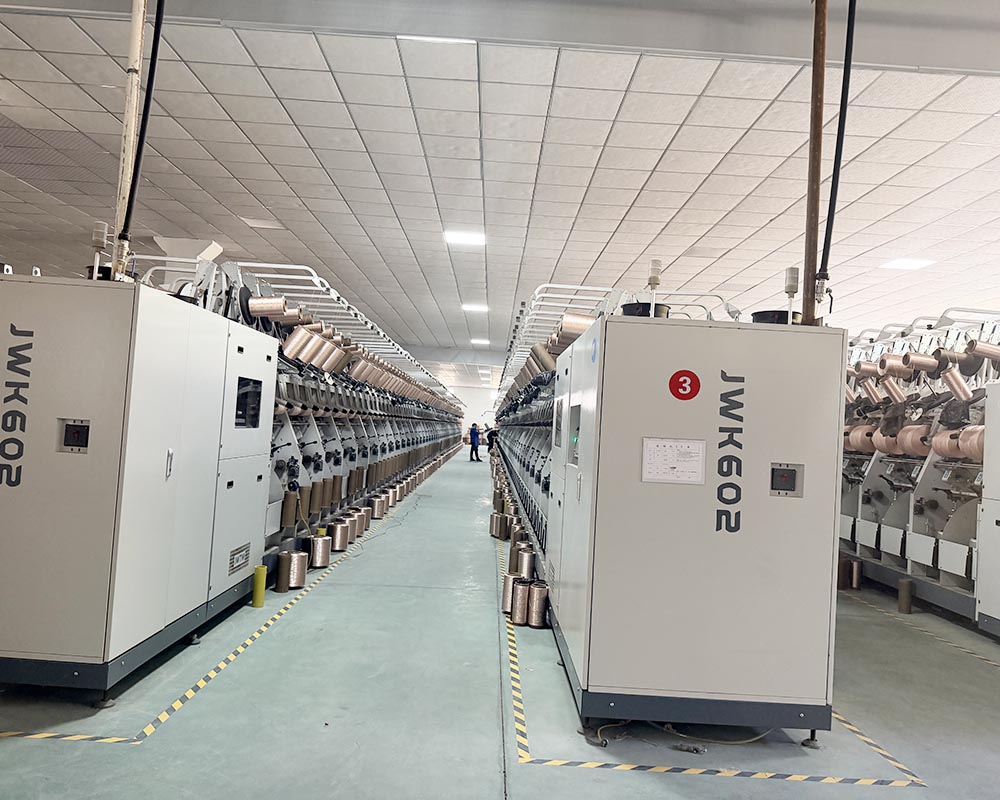
Weixin dipped fabrics are produced on an integrated line – from yarn to finished roll – ensuring consistency and traceability.
Step 1: Yarn Selection
High-tenacity polyester (warp)
Nylon or polyester (weft, depending on grade)
Heat-stabilized for low shrinkage
Step 2: Precision Weaving
Controlled warp tension for uniform fabric
Optimized weave pattern for target properties
Consistent pick count across full width
Step 3: RFL Dipping
Formulation matched to rubber compound
Controlled dip pick-up (4–8% by weight)
Uniform penetration into fabric structure
Step 4: Multi-Zone Heat-Setting
Tension-controlled to lock low elongation
Temperature-controlled for adhesion stability
Uniform setting across full width
Step 5: Final Inspection
Tensile strength verification
Elongation at specified loads (1%, 2%, 5%, 10%)
Adhesion testing (H-pull)
Shrinkage measurement
Width and thickness check
Quality Assurance
Every Weixin dipped fabric shipment includes:
| Document | Content |
|---|---|
| Tensile test report | Breaking strength at full width |
| Elongation data | At 1%, 2%, 5%, and 10% of rated tensile |
| Adhesion test results | H-pull values (N/mm) |
| Thermal shrinkage | % at 177°C |
| Fabric dimensions | Width, thickness, mass per m² |
| Traceability code | Links to raw yarn lots and production parameters |
Selection Guide by Conveyor Application
| Application | Recommended Weixin Grade | Key Priority |
|---|---|---|
| Light duty, package handling | C-200 | Cost-effective, adequate strength |
| Grain, cement, dry powders | C-315 or C-400 | Low elongation, good troughability |
| Coal, sand, gravel (moderate impact) | C-500 | Impact resistance + strength |
| Mining, large rock, ore | C-630 or C-800 | Maximum tensile + impact |
| Load zone, crusher feed | IR (impact-resistant) | Impact energy absorption |
| Extreme cut/impact conditions | BF (breaker fabric) + carcass | Protection of carcass |
| Long overland conveyors (5km+) | C-400 to C-800 (low-elongation) | Minimum take-up travel |
| Incline belts | EP construction (nylon weft) | Flexibility + troughability |
| Steel cord belts (anti-tear layer) | BF breaker fabric | Prevents tear propagation |
Polyester vs. Nylon: Why Weixin Chooses Polyester for Warp
| Property | Polyester Warp | Nylon Warp |
|---|---|---|
| Elongation at 10% load | 0.4–0.6% | 1.0–1.5% |
| Creep (long-term stretch) | Low | Moderate to high |
| Moisture regain | < 0.5% | 3–4% |
| Wet strength retention | > 95% | 85–90% |
| Thermal shrinkage | ≤ 1.0% | 2–4% |
| Best for | Long conveyors, stability | Short belts, high impact |
For the warp (tension-bearing) direction, Weixin specifies polyester. For the weft (impact-absorbing) direction, we offer both polyester and nylon options depending on application.
Case Example: Overland Conveyor – 60% Reduction in Take-Up Travel
Location: Coal mine, 4.2-kilometer overland conveyor
Previous fabric: Standard EP 500 from another supplier
Problem: Belt stretched 1.2% initially, plus 0.8% creep in first year. Take-up system exhausted after 14 months. Belt required shortening – 3 days of downtime.
Solution: Weixin C-500 low-elongation polyester carcass fabric
Results after 18 months:
Initial elongation: 0.5% (vs. 1.2% previous)
Creep after 12 months: 0.2% (vs. 0.8% previous)
Take-up position: 35% of travel used (was 95%)
Belt shortening required: None
Unplanned downtime eliminated: 3 days saved
Annual savings: $68,000 in maintenance + production loss
The mine converted all overland conveyors to Weixin fabrics.
Case Example: Quarry Load Zone – Impact Tears Eliminated
Location: Limestone quarry, crusher feed conveyor
Previous fabric: Standard EP 400
Problem: Impact tears at load zone every 6–8 weeks. Each repair cost $4,000 in labor + materials plus 4 hours of downtime.
Solution: Weixin IR impact-resistant carcass + BF breaker fabric
Results after 12 months:
Impact tears: 0 (was 7–9 per year)
Breaker fabric: Absorbed impact, protected carcass
Cover wear: Uniform, no localized damage
Downtime savings: 28 hours per year
Repair cost savings: $32,000 annually
Breaker fabric premium: $6,000
Net annual benefit: $26,000
Why Conveyor Belt Manufacturers Choose Weixin
Engineered performance – Tensile strength, low elongation, high adhesion, impact resistance – all in one fabric
Polyester warp for stability – Minimal stretch, low creep, moisture resistance
RFL dip optimized – Adhesion values 50% above industry minimums
Heat-set for dimensional stability – Low shrinkage, reliable splices
Integrated manufacturing – Full control from yarn to finished roll
Consistent quality – Batch-to-batch uniformity with full traceability
Technical support – Fabric selection based on your belt construction and operating conditions
Conclusion
A conveyor belt is only as reliable as the fabric at its core. Weixin dipped fabrics for conveyor belts deliver the engineered backbone that reliable conveying demands – high tensile strength, low elongation, excellent ply adhesion, and impact resistance.
From light-duty package handling to heavy-duty mining, from short plant conveyors to long overland systems – Weixin has the dipped fabric engineered for your application.
Choose Weixin. Build belts that go the distance.
Contact Weixin today to discuss your conveyor belt fabric requirements, request technical datasheets, or order sample rolls for testing.
Our Expertise – Carcass Fabric & Dipped Fabric Solutions
As a professional manufacturer and solution expert, we specialize in Carcass Fabric for Automotive Tires, Dipped Fabric for Conveyor Belts, Dipped Fabric for Fishing Nets, and Grade C Cord Fabric. With years of R&D and production experience, we provide high-strength, heat-resistant, and durable industrial fabrics tailored to global clients' specific requirements. Our products are widely used in tire reinforcement, conveyor belt carcass, fishing net manufacturing, and other industrial applications. Explore full product range →
Also check our Tire Cord Fabric, Conveyor Belt Dipped Fabric, and Fishing Net Dipped Fabric pages.