Why Polyester Reinforcement Beats Nylon for Long-Distance Conveyor Belt Stability
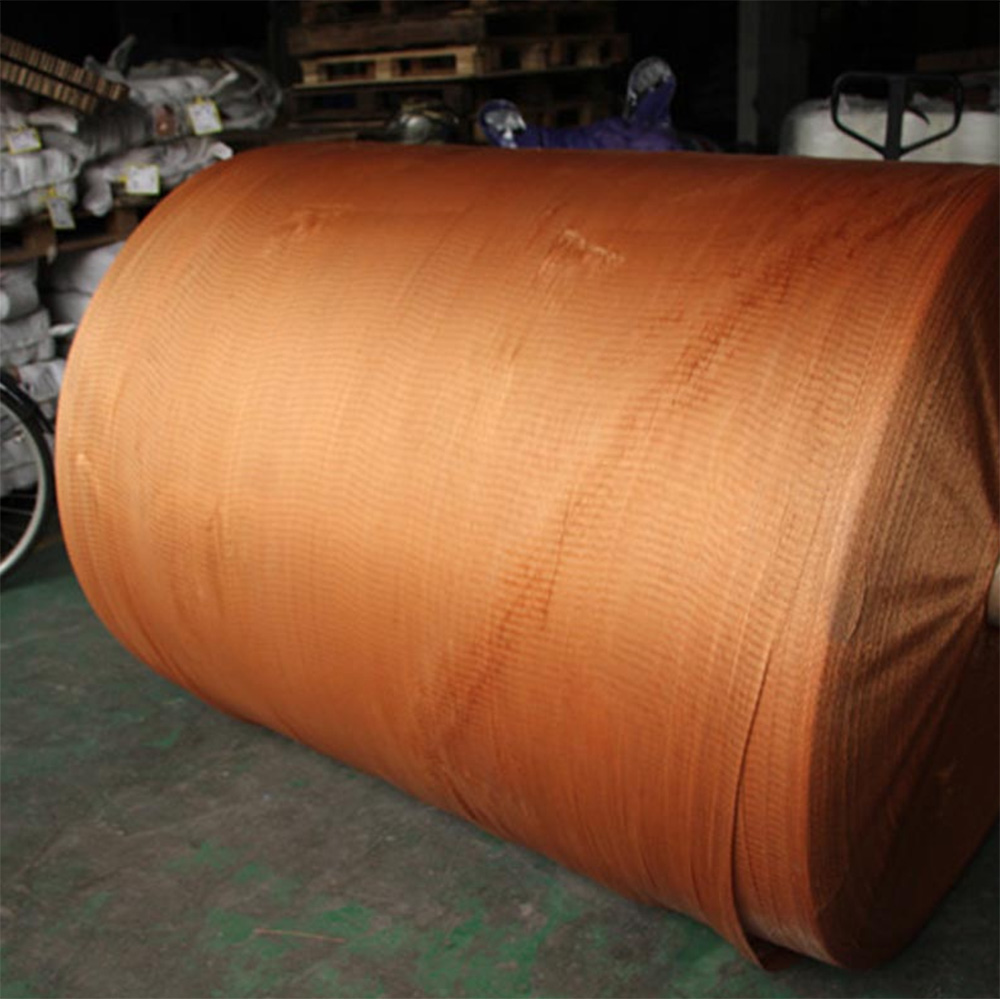
For long-distance conveyor belts — those stretching hundreds or thousands of meters across mines, quarries, ports, and overland routes — stability is everything. A belt that stretches, sags, or tracks poorly becomes a maintenance nightmare. Downtime for re-tensioning or realignment costs thousands of dollars per hour.
Nylon reinforcement has been a traditional choice for decades. But for long-distance applications, polyester reinforcement consistently outperforms nylon in the metrics that matter most: low elongation, minimal creep, thermal stability, and moisture resistance.
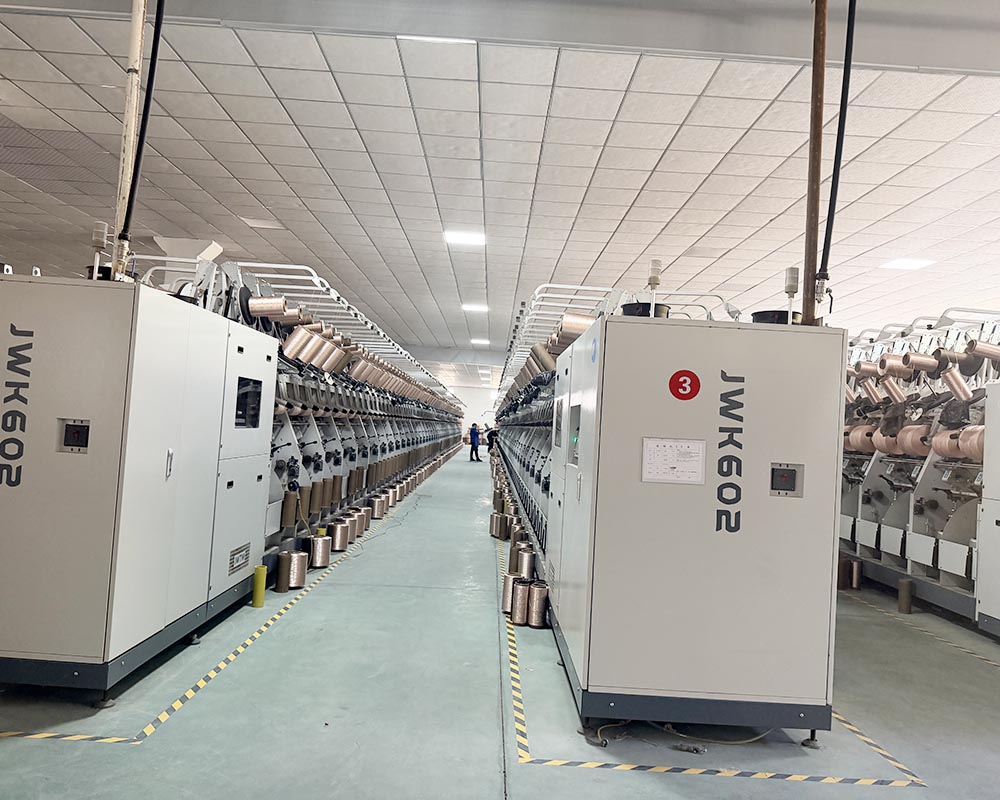
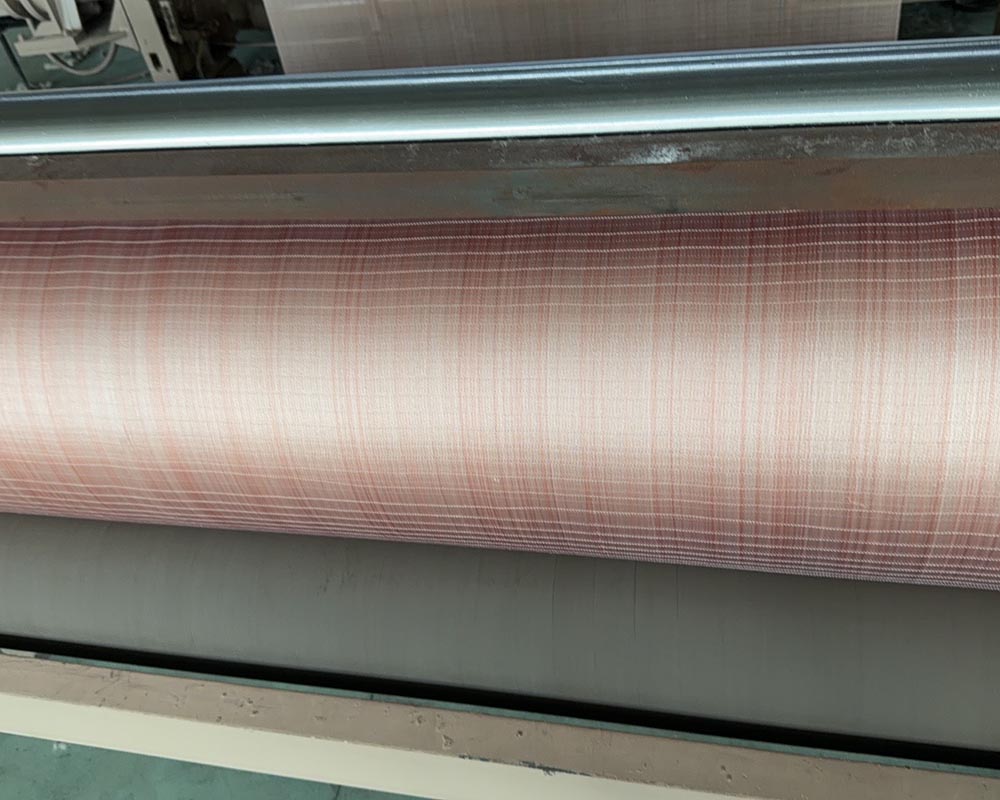
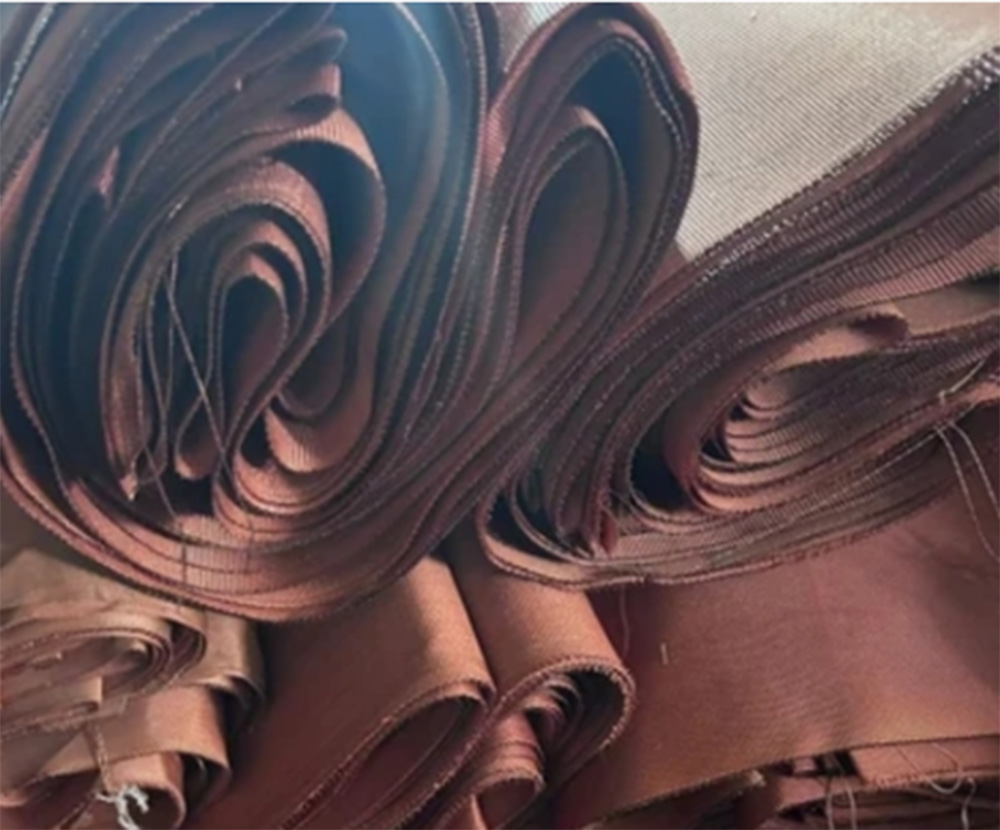
At Weixin, we manufacture polyester conveyor belt carcass fabrics specifically engineered for long-distance stability. This guide explains why polyester beats nylon and how to select the right reinforcement for your application.
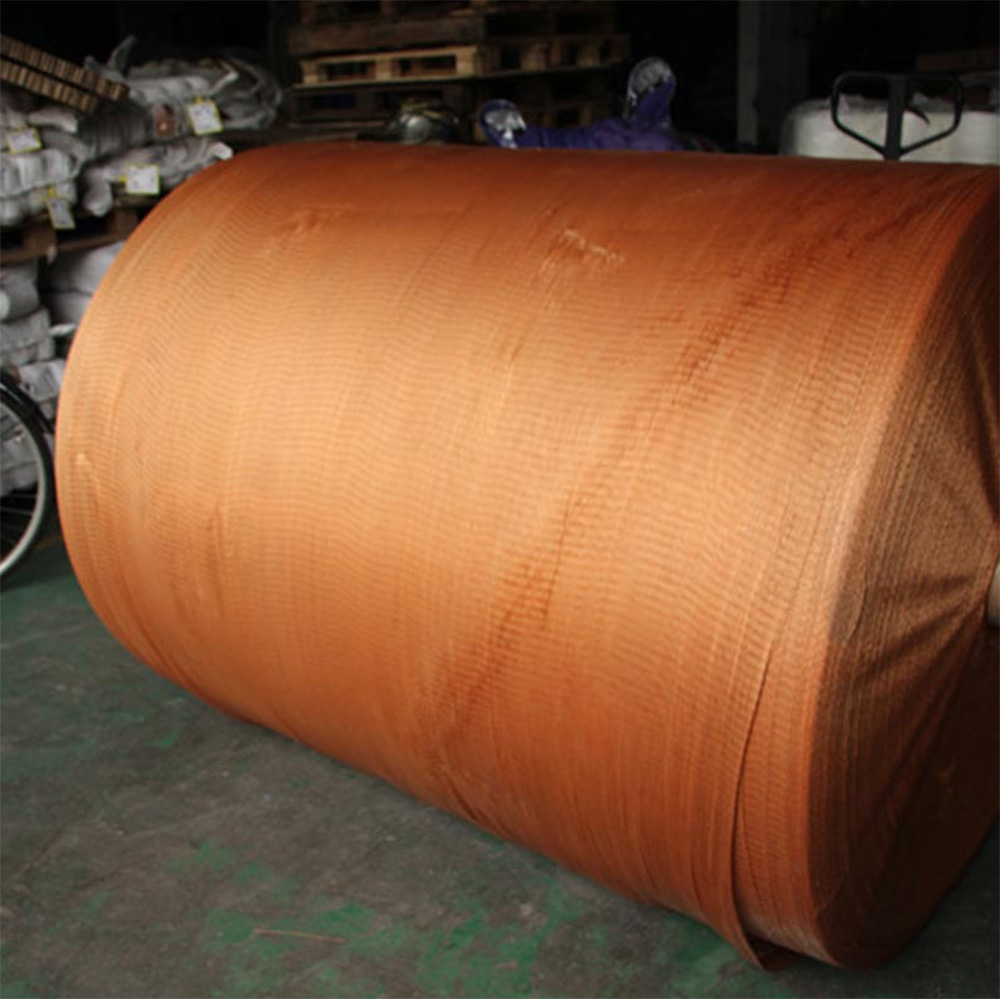
The Fundamental Difference: Polyester vs. Nylon
| Property | Polyester | Nylon (Polyamide 6 or 6.6) |
|---|---|---|
| Elongation at break | 12–16% | 18–25% |
| Elastic modulus | Higher (stiffer) | Lower (more elastic) |
| Creep under sustained load | Low | Moderate to high |
| Moisture regain | < 0.5% | 3–4% |
| Wet strength retention | > 95% | 85–90% |
| Thermal shrinkage (177°C) | 0.3–1.0% | 2–4% |
| Heat-setting retention | Excellent | Good but relaxes over time |
| UV resistance | Good | Poor (requires protection) |
| Cost | Moderate | Moderate to high |
The key difference for long-distance belts: Polyester resists stretching. Nylon wants to stretch — and keep stretching.
Why Long-Distance Belts Need Low Elongation
Consider a 5-kilometer overland conveyor belt. Each percentage point of elongation translates to 50 meters of additional belt length. That extra length must be accommodated by the take-up system — or the belt runs slack.
Elongation comparison at operating tension (10% of breaking load):
| Reinforcement Type | Elongation at 10% of rated tensile |
|---|---|
| Nylon carcass (untreated) | 1.5–2.0% |
| Nylon dipped carcass | 1.0–1.5% |
| Polyester carcass (Weixin) | 0.4–0.7% |
Real-world impact on a 5,000-meter belt:
| Reinforcement | Elongation | Additional Belt Length | Take-Up Travel Required |
|---|---|---|---|
| Nylon | 1.2% | 60 meters | 60 meters |
| Polyester (Weixin) | 0.5% | 25 meters | 25 meters |
The nylon-reinforced belt needs 60 meters of take-up capacity — more than double that of polyester. Many long conveyors do not have that much take-up travel, forcing premature belt shortening or splice replacement.
Creep: The Hidden Stretch That Keeps Growing
Elongation happens immediately when tension is applied. Creep is the time-dependent, permanent stretch that continues over weeks, months, and years.
Creep is nylon's Achilles' heel for long-distance belts.
Creep comparison (sustained load at 20% of breaking strength, 1 year):
| Reinforcement | Creep After 1 Year |
|---|---|
| Nylon carcass | 1.5–2.5% |
| Polyester carcass (Weixin) | 0.2–0.4% |
What this means for a 5,000-meter belt after 1 year:
Nylon belt: additional 75–125 meters of permanent stretch beyond initial elongation
Polyester belt: additional 10–20 meters of permanent stretch
The nylon belt will require take-up adjustment multiple times per year. The polyester belt may need one adjustment annually — or none at all.
Moisture: Nylon's Weakness
Nylon absorbs moisture from humid air, wet materials, or wash-down conditions. Moisture causes:
Strength loss – Wet nylon loses 10–15% of tensile strength
Swelling – Dimensional changes affect belt tracking
Creep acceleration – Moisture plasticizes the fiber
Polyester absorbs virtually no moisture (< 0.5% regain). Wet or dry, in monsoon or desert, polyester maintains its properties.
Field observation from a port conveyor handling wet coal:
| Reinforcement | Performance in Wet Conditions |
|---|---|
| Nylon | Belt tracking unstable, strength derating required, accelerated creep |
| Polyester (Weixin) | No change in tracking or tension, full strength available |
For long-distance belts exposed to weather, wash-down, or wet materials, polyester is the clear choice.
Thermal Stability: Surviving Splice Curing and Hot Materials
Conveyor belt splices are cured under heat. Nylon relaxes when heated — losing some of its heat-set tension and allowing belt stretch. Polyester holds its heat-set properties far better.
Thermal shrinkage comparison (177°C, 2 minutes):
| Reinforcement | Shrinkage |
|---|---|
| Nylon | 2–4% |
| Polyester (Weixin) | 0.3–1.0% |
What this means for splices:
Nylon belt: Splice curing can introduce localized shrinkage and length loss
Polyester belt: Minimal splice-related dimension change
For belts carrying hot materials (clinker, hot ash, sinter), polyester's thermal stability is essential. Nylon can relax and elongate under sustained heat exposure.
Troughability and Tracking
Long-distance belts must maintain good troughability — conforming to the idler profile without excessive sag between idlers.
| Property | Nylon | Polyester |
|---|---|---|
| Flexural stiffness | Lower | Higher (but still troughable) |
| Sag between idlers (at same tension) | Higher (due to lower modulus) | Lower |
| Tracking stability | Variable (moisture affects) | Excellent |
Polyester's higher modulus actually improves tracking stability for long conveyors. Lower sag means the belt maintains better contact with center idlers, reducing mistracking risk.
The Total Cost of Ownership Argument
| Cost Factor | Nylon Belt | Polyester Belt (Weixin) |
|---|---|---|
| Initial belt cost | Baseline | Similar or slightly lower |
| Take-up system requirement | Larger (more expensive) | Smaller |
| Re-tensioning frequency | Multiple times per year | Annually or less |
| Creep-related belt shortening | Required every 2–3 years | May never be needed |
| Moisture-related performance derating | Required in wet conditions | None |
| Splice life | Shorter (creep stresses splice) | Longer |
| Maintenance labor | Higher | Lower |
| Long-term operating cost | Higher | Lower |
When Nylon May Still Be Preferred
Polyester is not always the answer. Nylon remains preferable for:
| Application | Why Nylon |
|---|---|
| Short, heavily troughed belts | Higher flexibility, lower bending resistance |
| High-impact load zones | Nylon's higher elongation absorbs impact |
| Steep incline belts | Greater elasticity helps conform to pulley contours |
| Low-tension, short-distance conveyors | Creep is less problematic |
But for long-distance belts — over 1,000 meters — polyester's low elongation and minimal creep provide clear advantages.
Weixin Polyester Carcass Fabrics for Long-Distance Belts
| Grade | Construction | Tensile (N/mm) | Elongation at 10% | Creep (1 year) | Best For |
|---|---|---|---|---|---|
| Weixin C-315 | 100% polyester | 315 | 0.5–0.6% | < 0.3% | Medium-length, general cargo |
| Weixin C-400 | 100% polyester | 400 | 0.4–0.5% | < 0.3% | Long-distance, stable loads |
| Weixin C-500 | 100% polyester | 500 | 0.4–0.5% | < 0.3% | Long-distance, heavy loads |
| Weixin C-630 | Polyester-nylon (EP) | 630 | 0.5–0.6% | < 0.4% | Long-distance with impact zones |
| Weixin C-800 | Polyester-nylon (EP) | 800 | 0.5–0.6% | < 0.4% | Extreme heavy-duty long-distance |
EP = Polyester warp, nylon weft (nylon in weft only provides impact flexibility while polyester warp controls elongation)
Technical Specifications: Weixin Polyester Carcass (C-500 Grade)
| Parameter | Value |
|---|---|
| Warp yarn | High-tenacity polyester |
| Weft yarn | Polyester or nylon (EP construction) |
| Breaking strength | ≥ 500 N/mm |
| Elongation at 10% of rated tensile | ≤ 0.6% |
| Creep (1 year at 20% load) | < 0.3% |
| Ply adhesion (H-pull) | ≥ 7.0 N/mm |
| Thermal shrinkage (177°C) | ≤ 0.8% |
| Moisture regain | < 0.5% |
| Width range | 500–3,200 mm |
Case Example: Overland Coal Conveyor Converts from Nylon to Polyester
Location: Coal mine, 3.8-kilometer overland conveyor
Original reinforcement: Nylon carcass (EP 500 construction)
Problem: Belt required re-tensioning every 3–4 months. Take-up system reached full travel within 18 months, requiring belt shortening. Annual maintenance cost: $47,000 in tension-related downtime and labor.
Solution: Weixin C-500 all-polyester carcass fabric (same tensile rating)
Results after 24 months:
Initial elongation: 0.5% (vs. 1.3% with previous nylon belt)
Creep after 1 year: 0.2% (vs. 1.6% historical with nylon)
Take-up adjustments: 1 in 24 months (was 6–8 per year)
Belt shortening required: None (previous belt required at 18 months)
Maintenance cost reduction: $41,000 annually
Return on investment: The polyester belt cost 12% more than nylon initially. The payback period was 4 months. After 2 years, total savings exceeded $80,000.
Why Weixin for Polyester Conveyor Belt Reinforcement
Low-elongation engineering – Heat-set under tension to lock dimensional stability
Minimal creep – Sustained load testing validates long-term performance
Moisture-resistant – < 0.5% moisture regain, full strength in wet conditions
Thermally stable – Shrinkage ≤ 1.0% at 177°C for reliable splices
Consistent adhesion – RFL dip optimized for polyester-to-rubber bonding
Full traceability – Batch-specific elongation, creep, and adhesion data
Conclusion
For long-distance conveyor belts, stability is not optional. Nylon reinforcement stretches, creeps, absorbs moisture, and loses heat-set over time — all of which translate to costly maintenance, unplanned downtime, and shortened belt life.
Polyester reinforcement beats nylon because it delivers what long conveyors need: low elongation, minimal creep, moisture resistance, and thermal stability. Weixin polyester carcass fabrics are engineered specifically for these demanding applications.
Choose polyester. Choose stability. Choose Weixin.
Contact Weixin today to discuss your long-distance conveyor belt requirements or request samples for comparative testing.
Our Expertise – Carcass Fabric & Dipped Fabric Solutions
As a professional manufacturer and solution expert, we specialize in Carcass Fabric for Automotive Tires, Dipped Fabric for Conveyor Belts, Dipped Fabric for Fishing Nets, and Grade C Cord Fabric. With years of R&D and production experience, we provide high-strength, heat-resistant, and durable industrial fabrics tailored to global clients' specific requirements. Our products are widely used in tire reinforcement, conveyor belt carcass, fishing net manufacturing, and other industrial applications. Explore full product range →
Also check our Tire Cord Fabric, Conveyor Belt Dipped Fabric, and Fishing Net Dipped Fabric pages.