From Fiber to Fabric: Weixin Reveals the Five Core Production Processes of Industrial Textiles
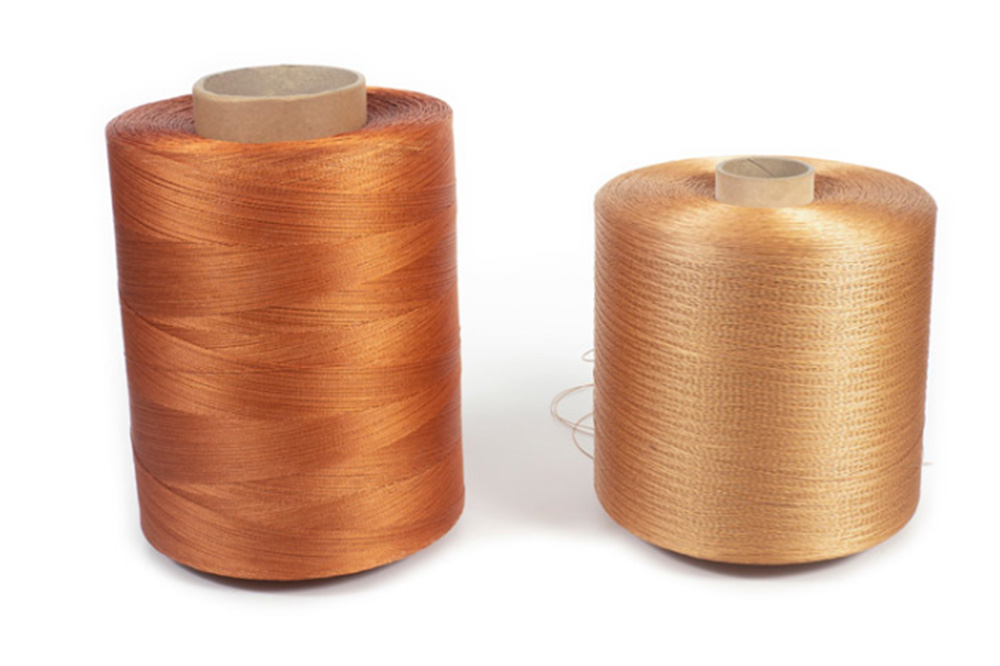
Industrial textiles are the unsung heroes of modern industry. They filter dust from smokestacks, separate solids from liquids, reinforce roads and bridges, convey materials across factories, and protect workers from extreme conditions. Yet behind every high-performance industrial fabric lies a complex journey from raw fiber to finished textile.
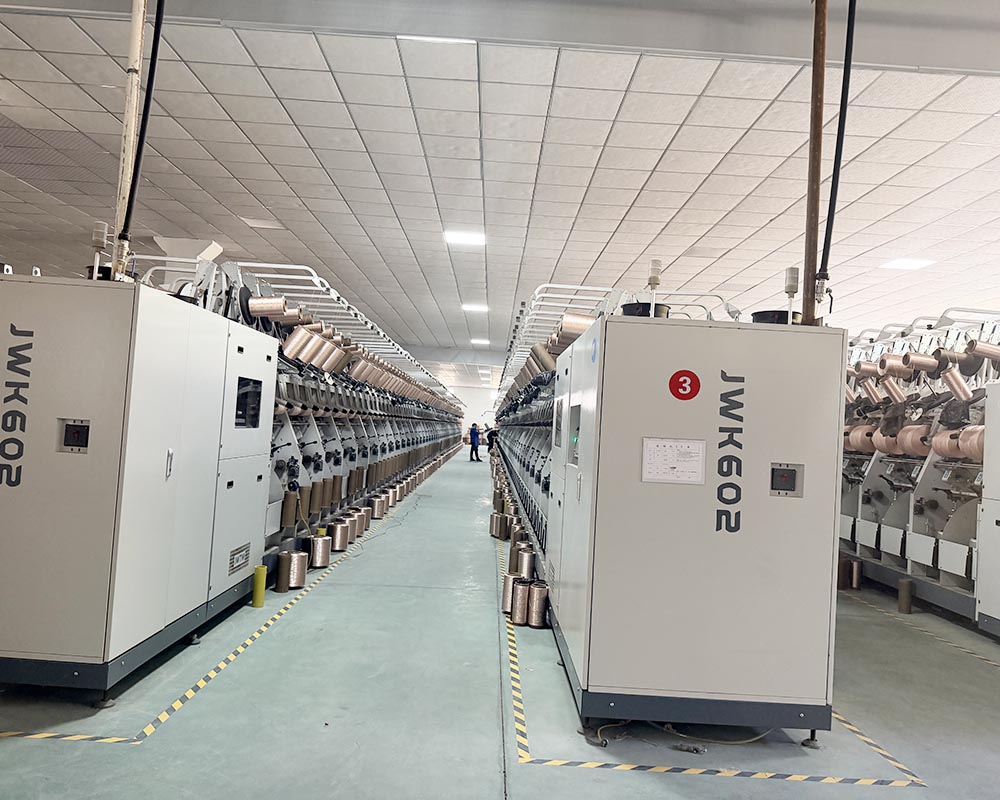
At Weixin, we have spent decades mastering the art and science of industrial textile manufacturing. Our expertise spans multiple production technologies, each suited to different applications and performance requirements.
This article reveals the five core production processes that transform raw fibers into the durable, reliable industrial textiles that power modern industry. Understanding these processes will help you make informed decisions when selecting industrial fabrics for your specific applications.
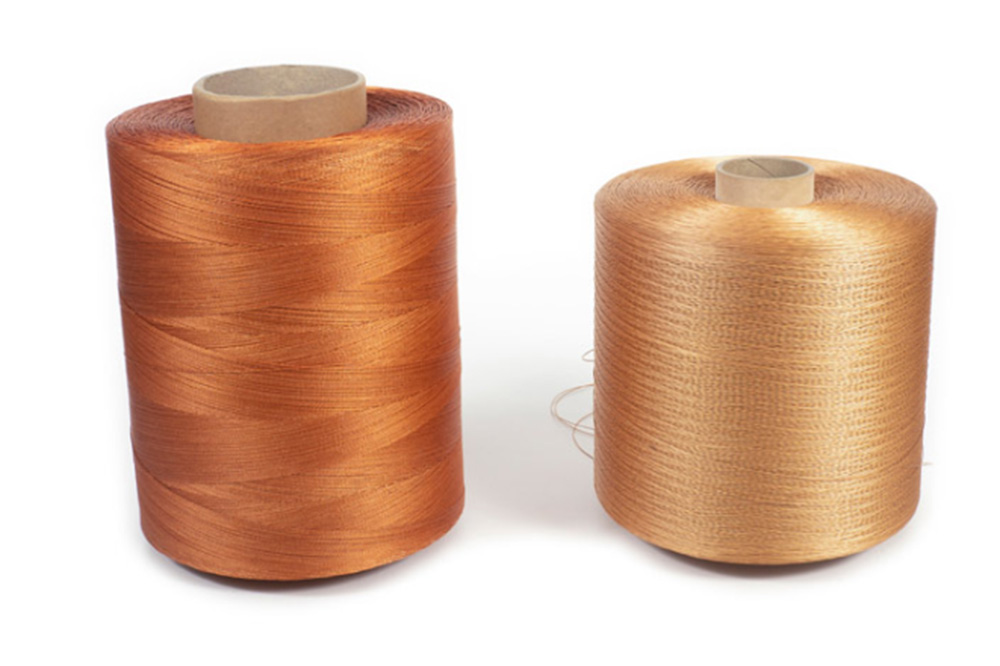
The Journey Begins: From Fiber to Fabric
Before diving into the processes, it is important to understand the raw materials. Industrial textiles begin with specialized fibers selected for specific properties:
| Fiber Type | Key Properties | Common Applications |
|---|---|---|
| Polyester | High strength, abrasion resistance, good chemical resistance | Filter fabrics, conveyor belts |
| Polypropylene | Chemical resistance, low moisture absorption, lightweight | Geotextiles, filter cloths |
| Nylon (Polyamide) | High tensile strength, elastic recovery, wear resistance | Industrial belting, reinforcement |
| Aramid (Nomex/Kevlar) | Heat resistance, high strength-to-weight ratio | High-temperature filtration, protective fabrics |
| PTFE (Teflon) | Exceptional chemical resistance, high temperature tolerance | Aggressive chemical filtration |
| Fiberglass | Extreme heat resistance, dimensional stability | High-temperature insulation, filtration |
| Cotton | Natural fiber, good absorbency | Industrial wiping cloths, mild environments |
Once fibers are selected, they undergo one or more of the following five core processes to become finished industrial textiles.
Process 1: Carding and Web Formation
What it is: Carding is the first mechanical process that opens, cleans, and aligns fibers into a uniform web (thin sheet) of material.
How it works:
Raw fibers are fed into the carding machine
Series of rotating cylinders with fine wire teeth open and separate fibers
Fibers are aligned in a parallel orientation
A continuous, uniform web of fibers emerges
Key Parameters:
| Parameter | Impact on Fabric |
|---|---|
| Fiber alignment | Affects tensile strength and uniformity |
| Web weight | Determines basis weight of finished fabric |
| Fiber opening | Influences filtration efficiency |
Applications in Industrial Textiles:
Foundation for needled felts
Precursor for spunlaced (hydroentangled) fabrics
Base for thermal bonding
Weixin's Capability:
Our high-speed carding lines produce webs from 50–800 g/m² with exceptional uniformity, suitable for a wide range of industrial applications.
Process 2: Needling (Needle Punching)
What it is: Needling is a mechanical process that entangles fibers using thousands of barbed needles, creating a strong, cohesive nonwoven fabric.
How it works:
Carded web is fed into a needling loom
Needle board with thousands of barbed needles punches through the web
Needle barbs catch fibers and push them vertically through the web
Fibers become mechanically entangled, creating a strong fabric
Multiple needling passes (pre-needle, main needle, finish needle) achieve desired density
Needle Types and Effects:
| Needle Type | Barb Configuration | Effect on Fabric |
|---|---|---|
| Standard felt needles | Regular barbs | General entanglement |
| Fork needles | Split barbs | Higher loft, softer fabric |
| Star needles | Multiple barb directions | Higher density, smoother surface |
| Conical needles | Tapered barbs | Reduced fiber damage |
Key Parameters:
| Parameter | Impact |
|---|---|
| Needle density (punches per cm²) | Higher density = stronger, more compact fabric |
| Needle penetration depth | Deeper = higher entanglement |
| Number of passes | More passes = higher density |
Applications:
Filter fabrics for dust collection (baghouse filters)
Industrial felts for insulation and sealing
Geotextiles for drainage and separation
Automotive interior fabrics
Weixin's Capability:
Weixin operates multiple needling lines capable of producing fabrics from 200–2,000 g/m² with controlled density and thickness for demanding filtration applications.
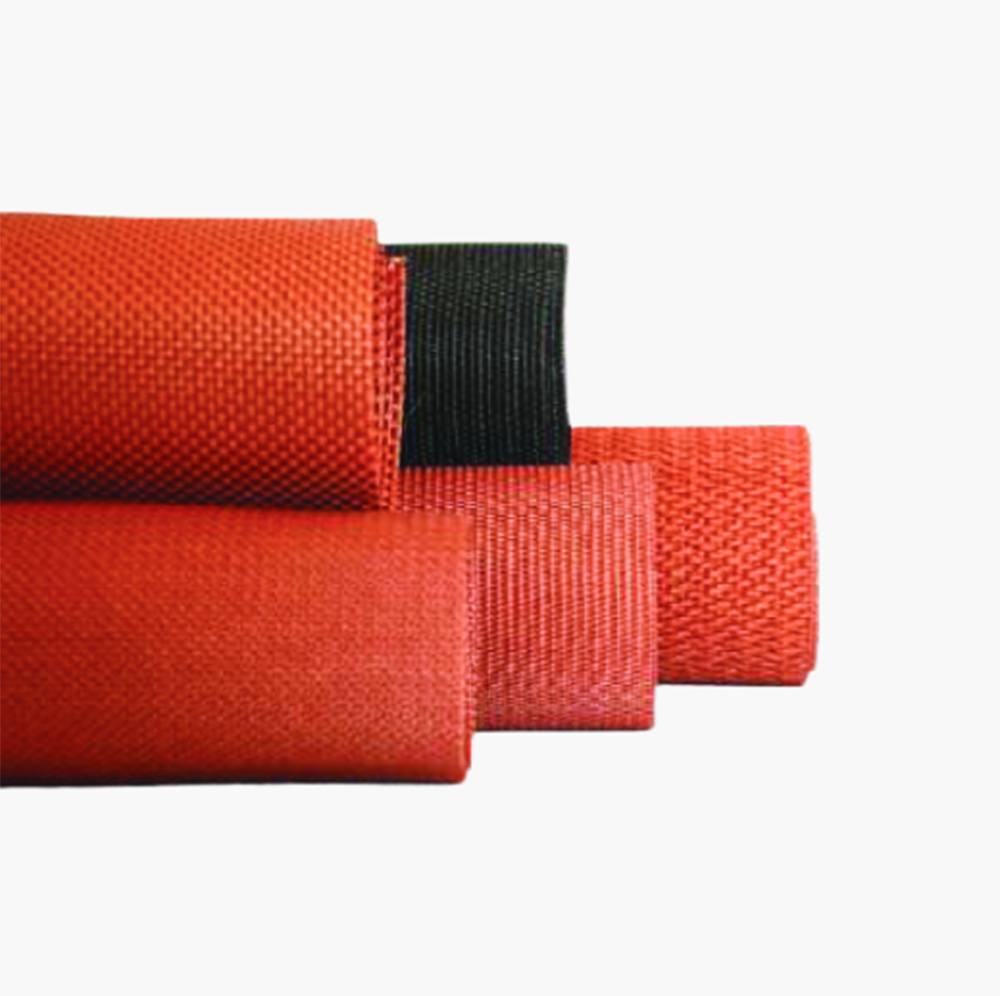
Process 3: Weaving (Woven Fabric Production)
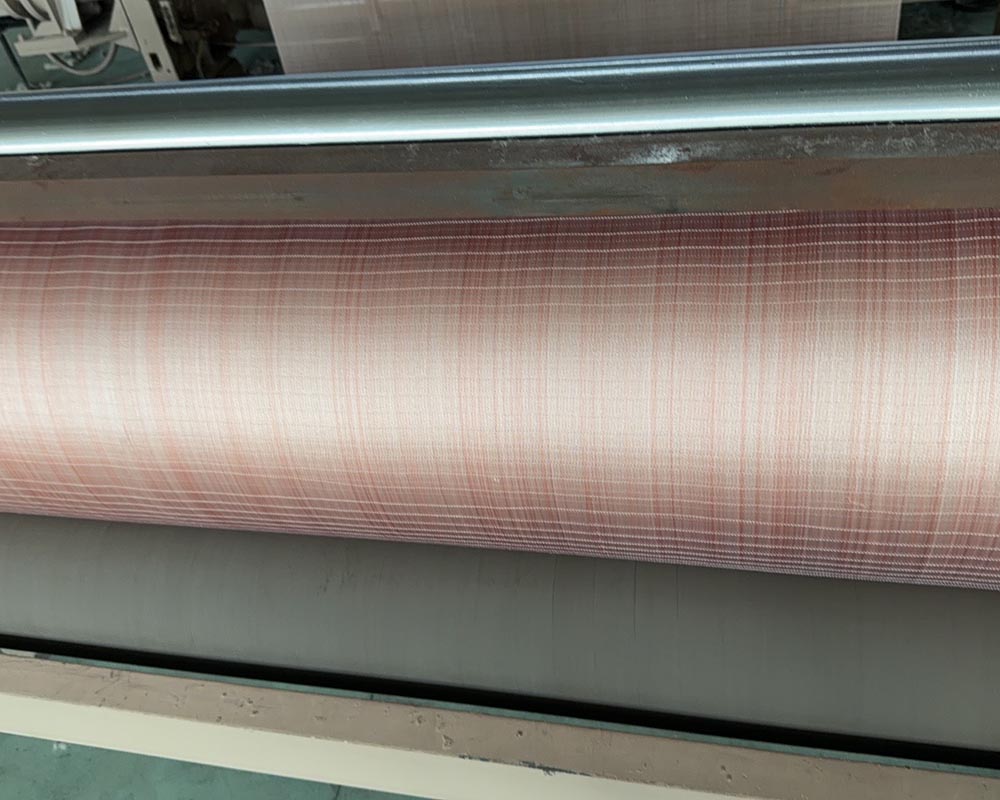
What it is: Weaving is the traditional process of interlacing warp (lengthwise) and weft (crosswise) yarns to create woven industrial textiles.
How it works:
Warp yarns are wound onto a beam and threaded through the loom
Weft yarns are inserted across the width of the loom
Yarns interlace according to specific weave patterns
Fabric is wound onto a take-up roll
Weave Patterns and Applications:
| Weave Type | Characteristics | Industrial Applications |
|---|---|---|
| Plain weave | Simple, strong, stable | Filter cloths, conveyor belts |
| Twill weave | Good drapability, higher strength | Heavy-duty filtration, belting |
| Satin weave | Smooth surface, high permeability | Fine filtration, release fabrics |
| Monofilament weave | Rigid, open structure | Coarse filtration, screen fabrics |
| Multifilament weave | Soft, flexible | General industrial fabrics |
Key Parameters:
| Parameter | Impact |
|---|---|
| Thread count (ends/picks per inch) | Higher count = finer filtration |
| Yarn type (monofilament vs. multifilament) | Affects rigidity, permeability |
| Weave pattern | Influences strength, flow, release |
Applications:
Filter press cloths for liquid-solid separation
Belt filter fabrics for continuous dewatering
Dryer fabrics for paper and textile drying
Conveyor belt carcasses for material handling
Weixin's Capability:
Our advanced weaving looms produce precision woven fabrics with controlled permeability and excellent mechanical stability for demanding filtration applications.
Process 4: Thermal Bonding (Meltblown and Spunbond)
What it is: Thermal bonding processes use heat to bond thermoplastic fibers directly, creating nonwoven fabrics without mechanical entanglement or chemical binders.
Sub-Process 4A: Spunbond
How it works:
Thermoplastic polymer (usually PP or PET) is melted and extruded through a spinneret
Continuous filaments are drawn and attenuated by high-velocity air
Filaments are laid randomly onto a moving belt
Thermal bonding (calendering) fuses filaments at contact points
Characteristics:
High strength due to continuous filaments
Uniform structure
Good dimensional stability
Cost-effective for high-volume production
Sub-Process 4B: Meltblown
How it works:
Polymer is melted and extruded through fine-diameter nozzles
High-velocity, high-temperature air attenuates the extruded polymer into microfibers
Microfibers are collected on a moving belt or drum
Self-bonding occurs as fibers cool and solidify
Characteristics:
Extremely fine fibers (2–5 microns diameter)
High surface area for filtration
Excellent particle capture efficiency
Used as fine filtration layers
Comparison: Spunbond vs. Meltblown
| Property | Spunbond | Meltblown |
|---|---|---|
| Fiber diameter | 15–40 microns | 2–10 microns |
| Fabric strength | High | Low to moderate |
| Filtration efficiency | Low to moderate | High to very high |
| Air permeability | High | Low to moderate |
| Typical weight | 10–200 g/m² | 10–100 g/m² |
Applications:
Spunbond: Geotextiles, carpet backing, agricultural fabrics, medical textiles
Meltblown: High-efficiency air filtration, face mask media, liquid filtration
SMS (Spunbond-Meltblown-Spunbond): Composite filtration media, protective fabrics
Weixin's Capability:
Weixin operates both spunbond and meltblown lines, producing high-quality nonwoven fabrics for air filtration, liquid filtration, and specialty applications.
Process 5: Chemical Treatment and Finishing
What it is: Chemical treatment and finishing processes modify the surface properties of industrial textiles to enhance performance for specific applications.
How it works:
Finished fabric is passed through chemical baths or coating stations
Chemical treatments are applied via padding, spraying, or dipping
Fabric passes through drying and curing ovens
Optional calendering or surface treatment for final finish
Common Chemical Treatments:
| Treatment | Purpose | Applications |
|---|---|---|
| Water repellency | Prevent water absorption | Outdoor fabrics, filtration in wet conditions |
| Oil repellency | Resist oil and hydrocarbon penetration | Industrial filtration, protective fabrics |
| Antistatic treatment | Prevent static buildup | Explosive environments, electronics manufacturing |
| Flame retardant | Reduce flammability | Protective clothing, industrial fabrics |
| Antimicrobial | Prevent bacterial growth | Food processing, medical textiles |
| Heat setting | Stabilize dimensions | High-temperature filtration, conveyor belts |
| Calendering | Smooth surface, control permeability | Fine filtration, release fabrics |
Surface Coating Options:
| Coating Type | Application Method | Benefits |
|---|---|---|
| PTFE coating | Dip or spray | Non-stick, chemical resistance |
| Acrylic coating | Roller coating | Improved abrasion resistance |
| Polyurethane coating | Knife coating | Enhanced strength, flexibility |
| Lamination | Heat bonding | Combines fabric properties |
Weixin's Capability:
Weixin's finishing line offers comprehensive treatment options, allowing us to tailor fabric properties to meet specific customer requirements.
The Weixin Quality Advantage
Across all five processes, Weixin maintains rigorous quality control:
| Quality Check | Process Stage | Parameter Verified |
|---|---|---|
| Fiber quality | Incoming inspection | Fiber type, denier, length |
| Web uniformity | After carding | Basis weight, thickness variation |
| Needle density | During needling | Punches per cm², penetration depth |
| Weave integrity | During weaving | Thread count, weave pattern |
| Bond strength | After thermal bonding | Peel strength, tensile strength |
| Treatment effectiveness | After finishing | Contact angle, repellency rating |
| Final inspection | Before shipping | Permeability, strength, dimensions |
Process Selection Guide: Which Process for Your Application?
| Application | Recommended Process | Why |
|---|---|---|
| Dust collection (baghouse) | Needling | High strength, good permeability, durable |
| Liquid filter press | Weaving (monofilament) | Rigid structure, excellent cake release |
| High-efficiency air filtration | Meltblown | Fine fibers, high particle capture |
| Geotextile (separation/drainage) | Spunbond or needling | Cost-effective, good permeability |
| Conveyor belt carcass | Weaving (solid woven) | High tensile strength, dimensional stability |
| High-temperature filtration | Needling with aramid/PTFE | Heat resistance, chemical resistance |
| Protective fabric (flame resistant) | Woven with FR treatment | Strength, FR performance |
Real-World Results: What Weixin Customers Experience
Manufacturers using Weixin industrial textiles consistently report:
| Metric | Industry Standard | Weixin Performance |
|---|---|---|
| Filtration efficiency | 95–99% | 99–99.9% |
| Fabric life | 6–12 months | 12–24 months |
| Permeability consistency | ±10–15% | ±5–8% |
| Tensile strength retention | 80–90% | 90–95% |
| Customer satisfaction | 85–90% | 95–98% |
Conclusion: From Fiber to Fabric – Excellence at Every Step
The journey from raw fiber to finished industrial textile requires mastery of multiple processes and a deep understanding of how each step affects final fabric performance.
At Weixin, our expertise spans all five core production processes:
Carding and web formation for uniform foundations
Needling for mechanically entangled, durable fabrics
Weaving for precision, high-strength textiles
Thermal bonding for efficient, fine-fiber filtration media
Chemical treatment for tailored surface properties
Whether you need filter fabrics for dust collection, woven cloths for liquid filtration, or specialty textiles for demanding industrial applications, Weixin has the technology and expertise to deliver.
Choose Weixin. Choose quality from fiber to fabric.
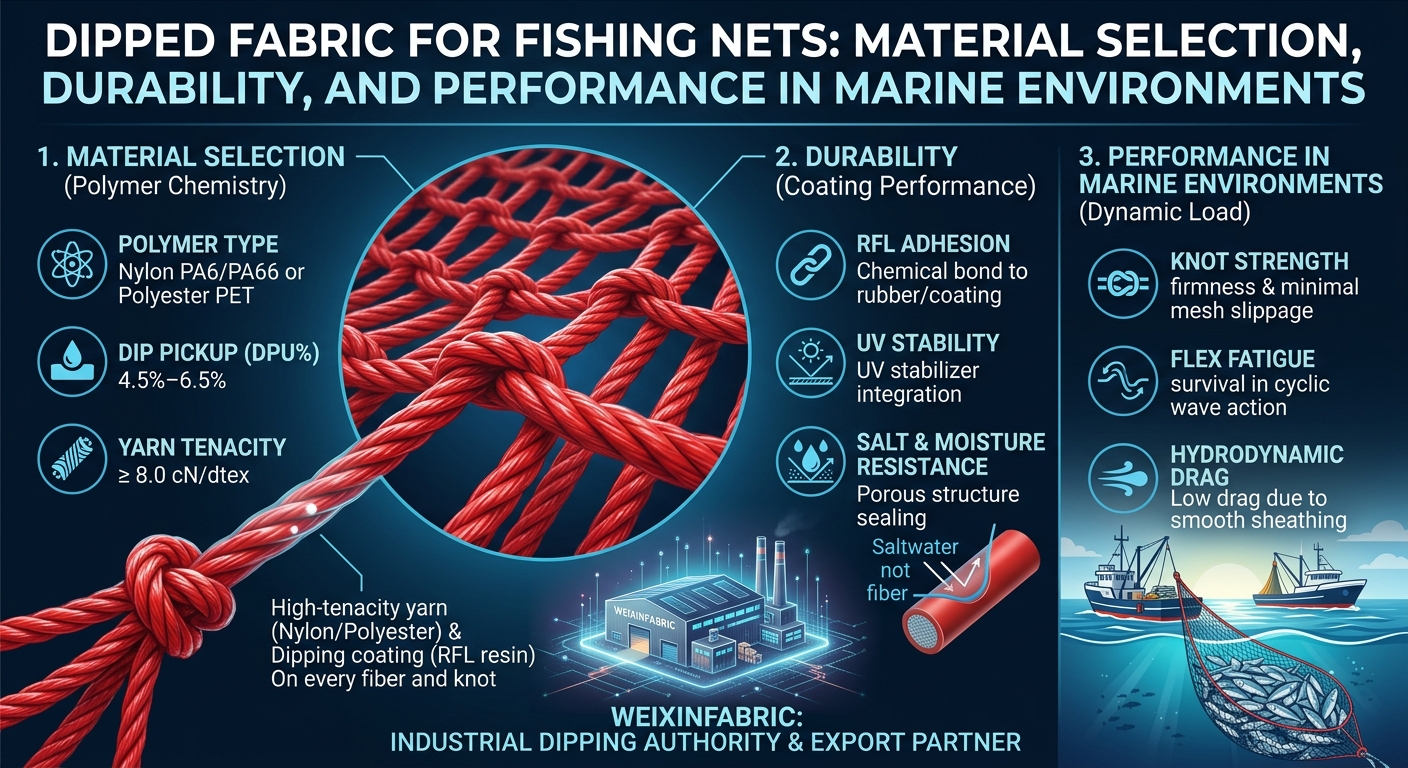
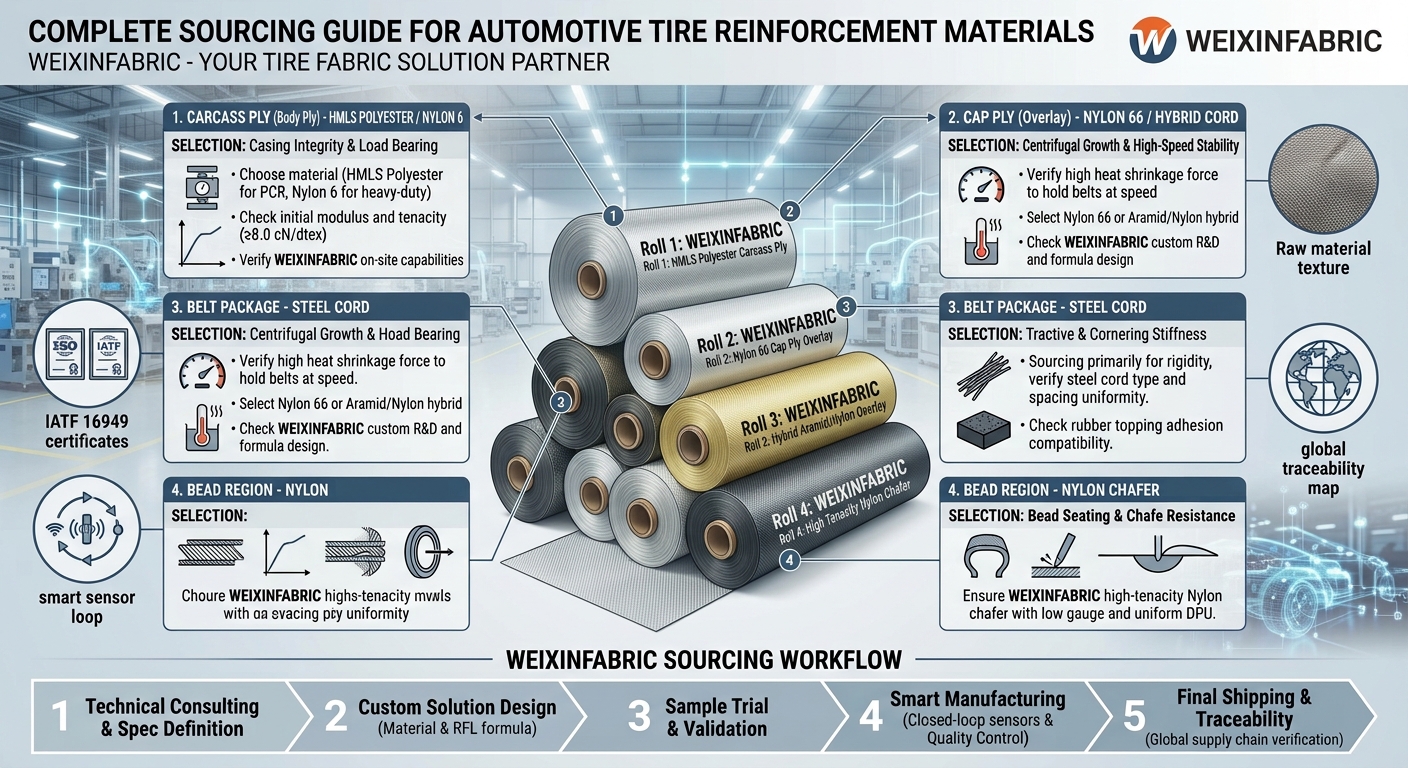
Our Expertise – Carcass Fabric & Dipped Fabric Solutions
As a professional manufacturer and solution expert, we specialize in Carcass Fabric for Automotive Tires, Dipped Fabric for Conveyor Belts, Dipped Fabric for Fishing Nets, and Grade C Cord Fabric. With years of R&D and production experience, we provide high-strength, heat-resistant, and durable industrial fabrics tailored to global clients' specific requirements. Our products are widely used in tire reinforcement, conveyor belt carcass, fishing net manufacturing, and other industrial applications. Explore full product range →
Also check our Tire Cord Fabric, Conveyor Belt Dipped Fabric, and Fishing Net Dipped Fabric pages.