The Core of Tire Manufacturing: Applications of Dipped Polyester Cord in Tires
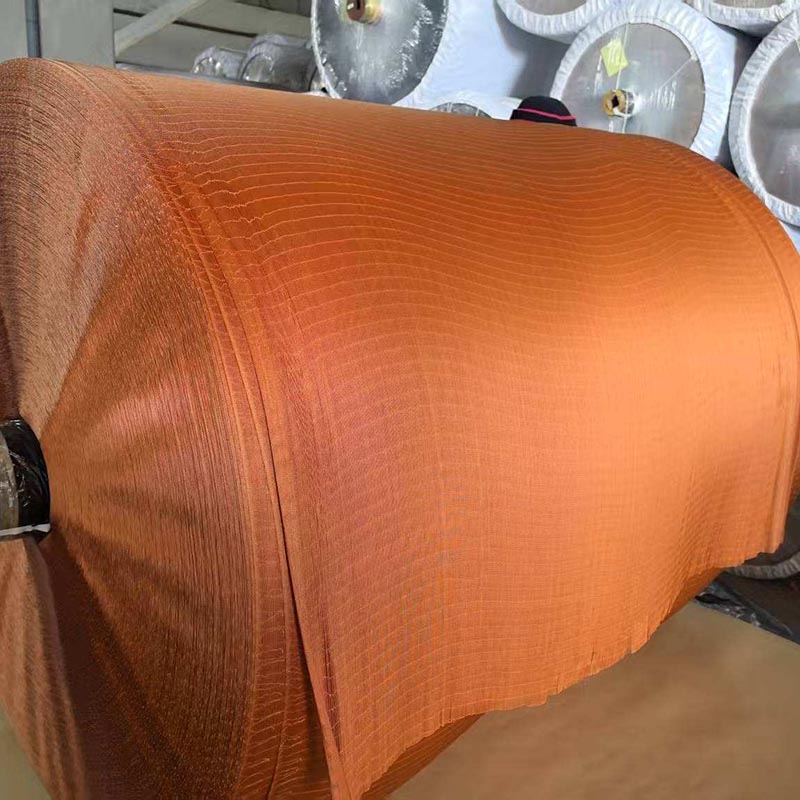
In the complex world of tire manufacturing, one component plays a vital yet often unseen role: the reinforcement material that gives the tire its strength, shape, and durability. Dipped polyester cord serves as the skeleton of modern tires, providing the structural integrity required for safe and reliable performance on the road. As a professional manufacturer of dipped polyester cord, WEIXIN is proud to supply this essential material to tire manufacturers around the world.
This article explores the critical role of dipped polyester cord in tire construction, its key properties, and why it has become the preferred choice for various tire types.
What is Dipped Polyester Cord?
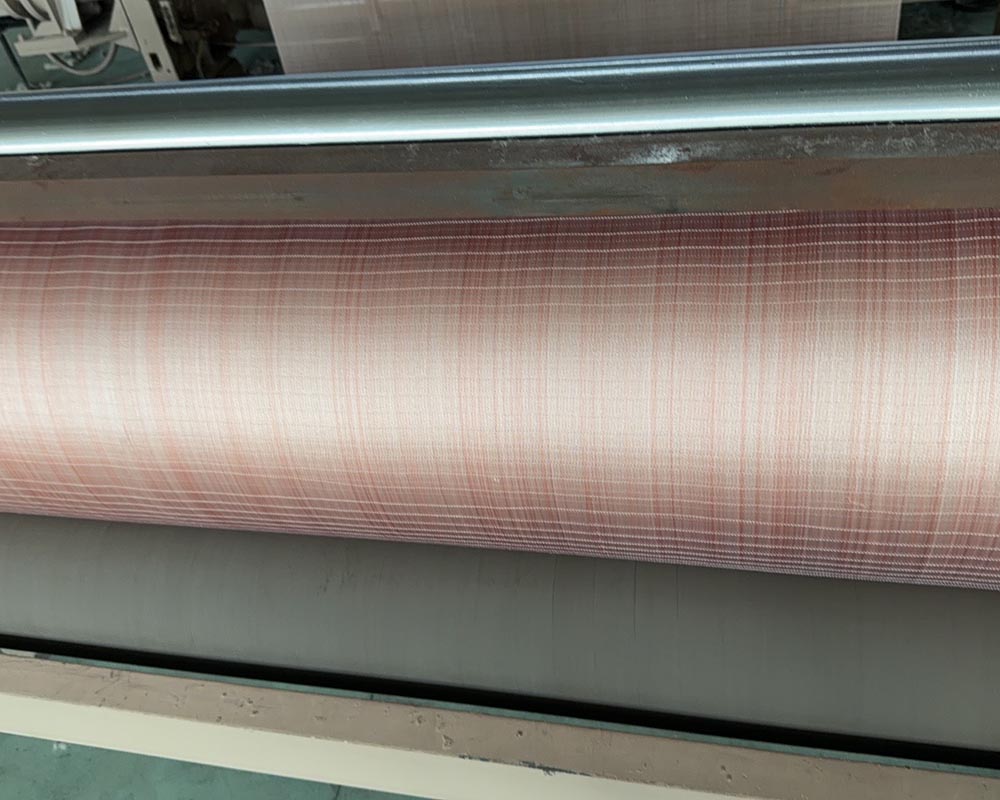
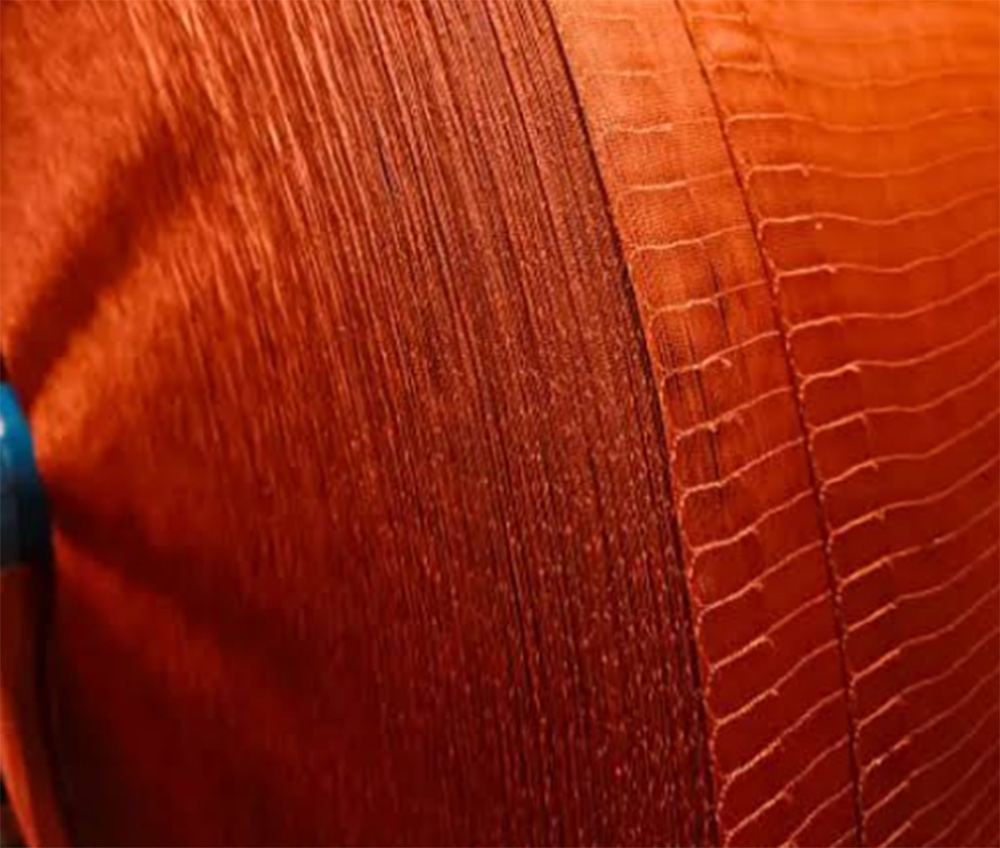
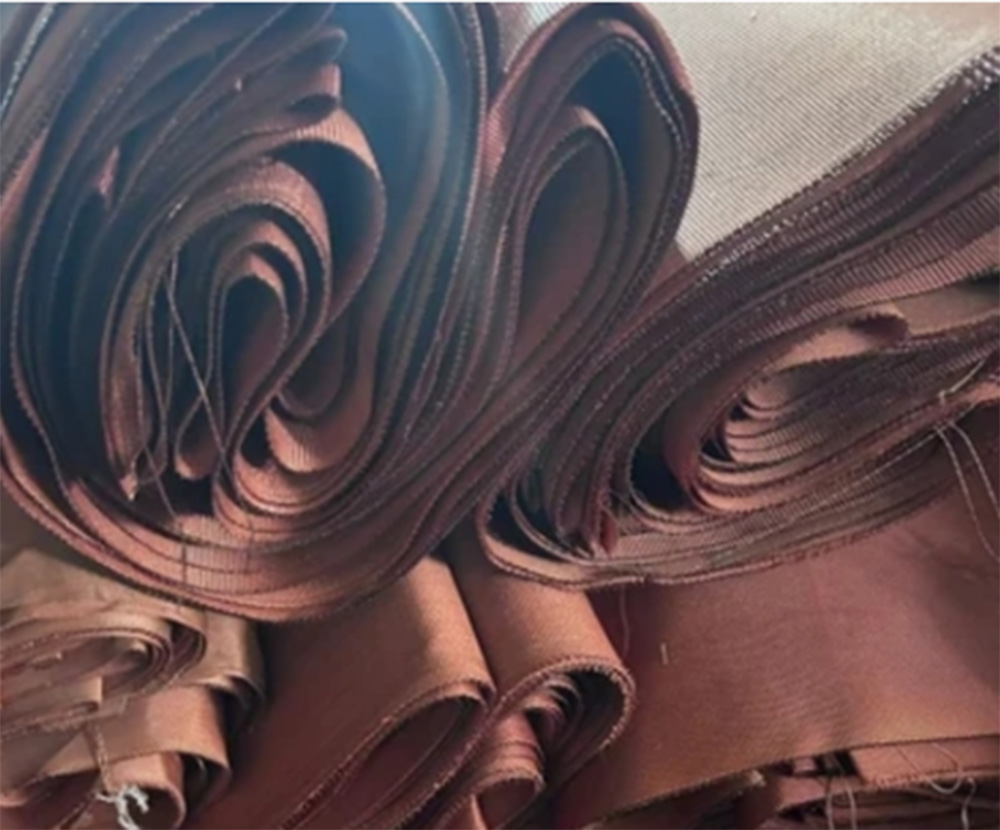
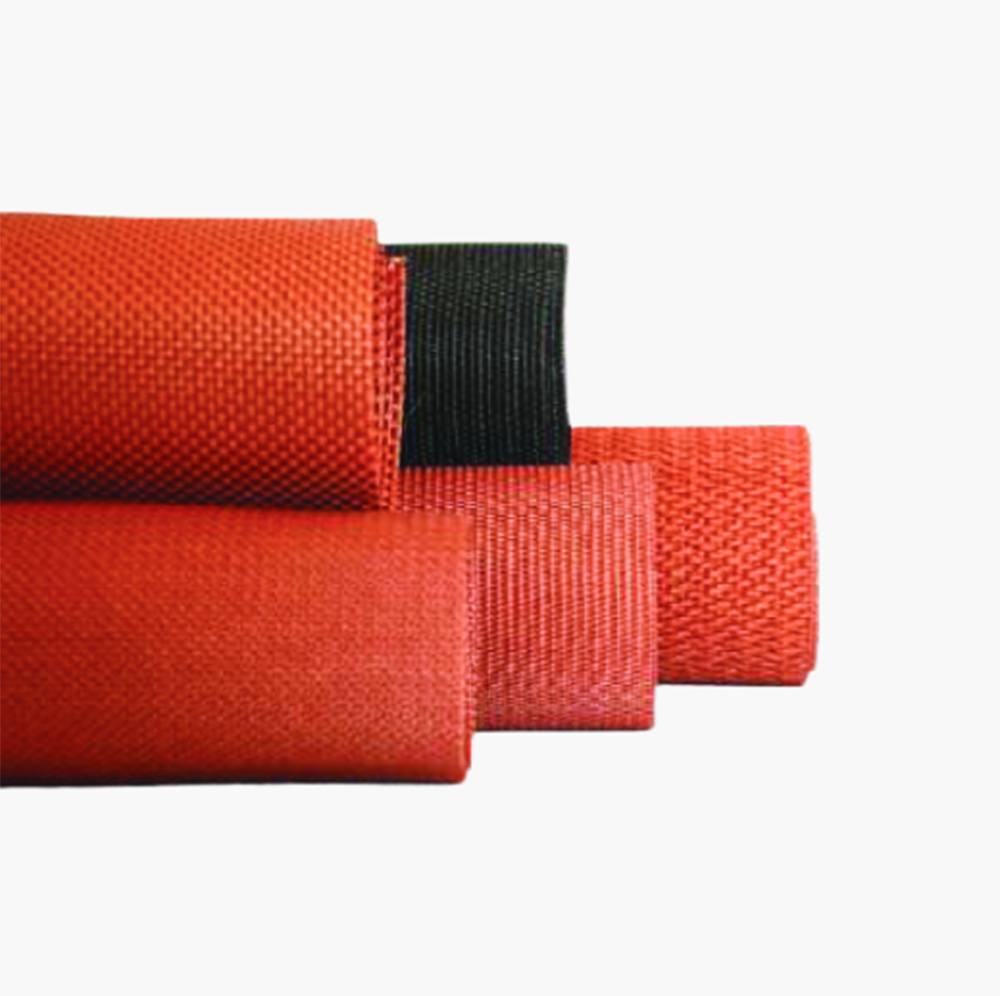
Dipped polyester cord is a high-tenacity industrial yarn made from 100% polyester fibers, twisted into cords and treated with a specialized dipping solution (typically RFL – Resorcinol-Formaldehyde-Latex). This treatment ensures strong adhesion between the cord and the rubber compound, allowing them to function as a single, cohesive unit under the demanding conditions of tire operation.
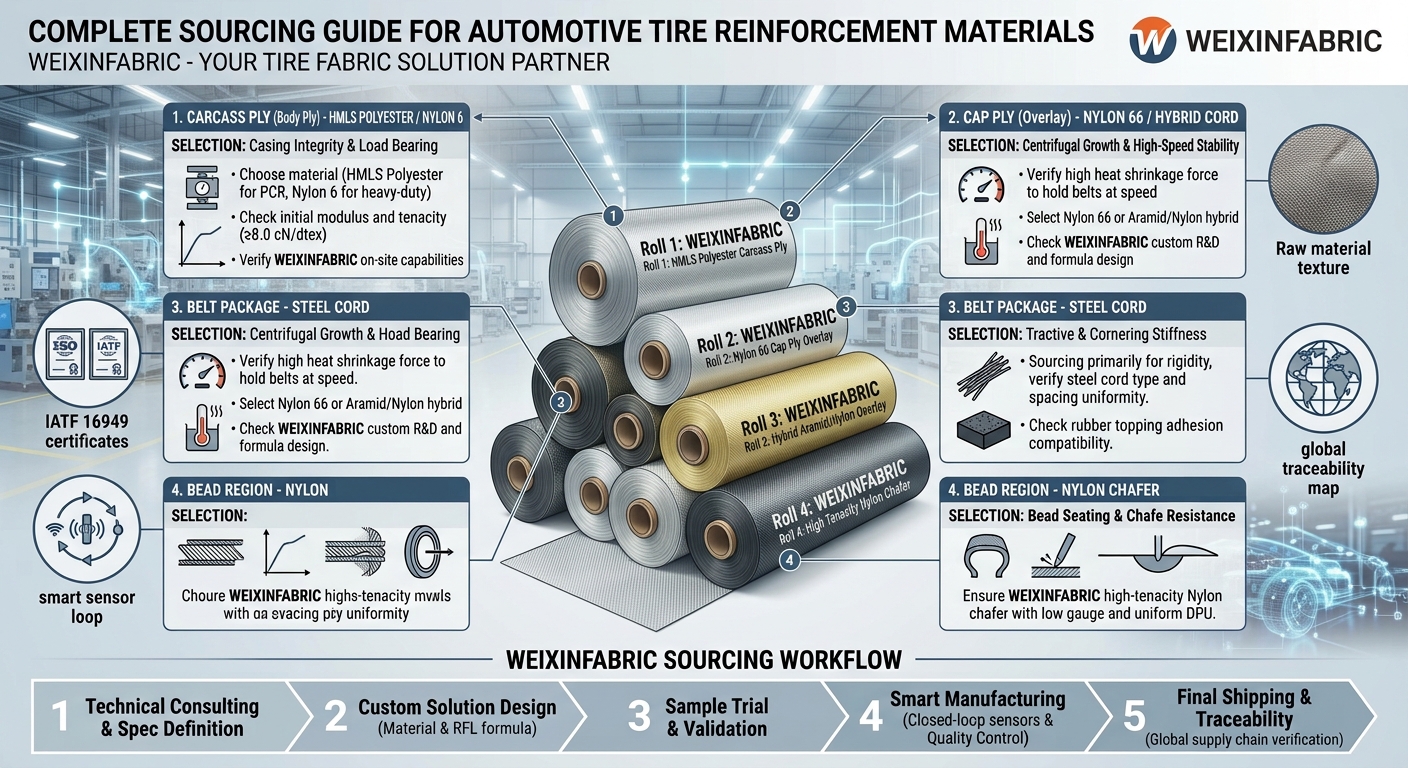
The cord is used primarily as the carcass ply—the foundational layer that provides the tire with its strength and flexibility.
Why Polyester for Tires?
Polyester has become the dominant material for tire carcass reinforcement in passenger car and light truck radial tires. Here's why:
| Property | Advantage for Tire Application |
|---|---|
| High Modulus | Low elongation under load ensures dimensional stability, maintaining tire shape and improving handling precision. |
| Low Shrinkage | Minimal shrinkage during the high-temperature vulcanization process ensures tire uniformity and balance. |
| Low Moisture Absorption | Unlike nylon, polyester does not absorb significant moisture, ensuring consistent performance regardless of weather or humidity. |
| Excellent Fatigue Resistance | Withstands repeated flexing and deformation over millions of cycles without losing strength. |
| Good Adhesion | The dipping process creates a strong bond with rubber, preventing separation between layers. |
| Cost-Effectiveness | Offers an optimal balance of performance and affordability for mass production. |
Key Applications in Tire Manufacturing
1. Passenger Car Radial (PCR) Tires
Passenger car tires represent the largest application for dipped polyester cord. In modern radial tires, polyester cord is used as the carcass ply—the layer that runs from bead to bead, providing the tire with its fundamental strength.
Benefits: The high modulus of polyester provides excellent handling response, while its low shrinkage ensures a smooth, balanced ride. The material's fatigue resistance contributes to long tire life under normal driving conditions.
2. Light Truck Radial (LTR) Tires
Light truck tires carry heavier loads than passenger car tires, requiring reinforcement materials with higher strength. Polyester cord, often in heavier deniers (such as 1500D or 2000D), provides the necessary load-carrying capacity while maintaining the flexibility required for ride comfort.
3. Motorcycle and Scooter Tires
For two-wheeled vehicles, tire performance directly affects safety and handling. Polyester cord offers the ideal combination of strength and flexibility, allowing the tire to conform to the road surface while maintaining stability during cornering and braking.
Benefits: Excellent impact resistance and flex fatigue properties are critical for the demanding conditions of motorcycle riding.
4. Bicycle Tires
High-performance bicycle tires often incorporate polyester cord to reduce weight while maintaining strength. The material's low moisture absorption ensures consistent performance in wet conditions.
5. Retreaded Tires
In the tire retreading industry, dipped polyester cord is used as a reinforcement layer when building up worn tire casings. This extends the useful life of tires, reducing waste and providing cost-effective solutions for commercial fleets.
The Role of Dipping Technology
The "dipped" in dipped polyester cord is not merely a description—it is a critical manufacturing process that determines the cord's performance in the tire.
The dipping process involves:
Pre-Treatment: The cord is first treated to remove surface oils and prepare it for adhesion.
RFL Dipping: The cord passes through a bath of Resorcinol-Formaldehyde-Latex solution, which forms a chemical bridge between the polyester and the rubber.
Heat Treatment: The cord is subjected to controlled heat and tension, setting the adhesive and stabilizing the cord's dimensions.
This process ensures that the cord and rubber bond permanently, preventing separation (known as ply separation) which is a common cause of tire failure.
How Dipped Polyester Cord Enhances Tire Performance
1. Uniformity and Balance
Tire uniformity—the consistency of the tire's shape and structure—directly affects ride comfort and vehicle handling. Polyester cord's low shrinkage during vulcanization ensures that the tire cures evenly, resulting in a smooth ride with minimal vibration.
2. Handling and Stability
The high modulus of polyester means the cord resists stretching under load. This translates to responsive steering, stable cornering, and predictable handling—qualities that drivers expect from modern tires.
3. Durability and Longevity
Millions of flex cycles occur over a tire's lifetime. Polyester's excellent fatigue resistance ensures that the carcass maintains its strength, contributing to long tread life and reliable performance until the tire is worn out.
4. Fuel Efficiency
Lighter tires contribute to better fuel economy. Polyester cord allows for lightweight carcass constructions without compromising strength, supporting the industry's push toward more efficient vehicles.
WEIXIN: Your Partner in Tire Reinforcement
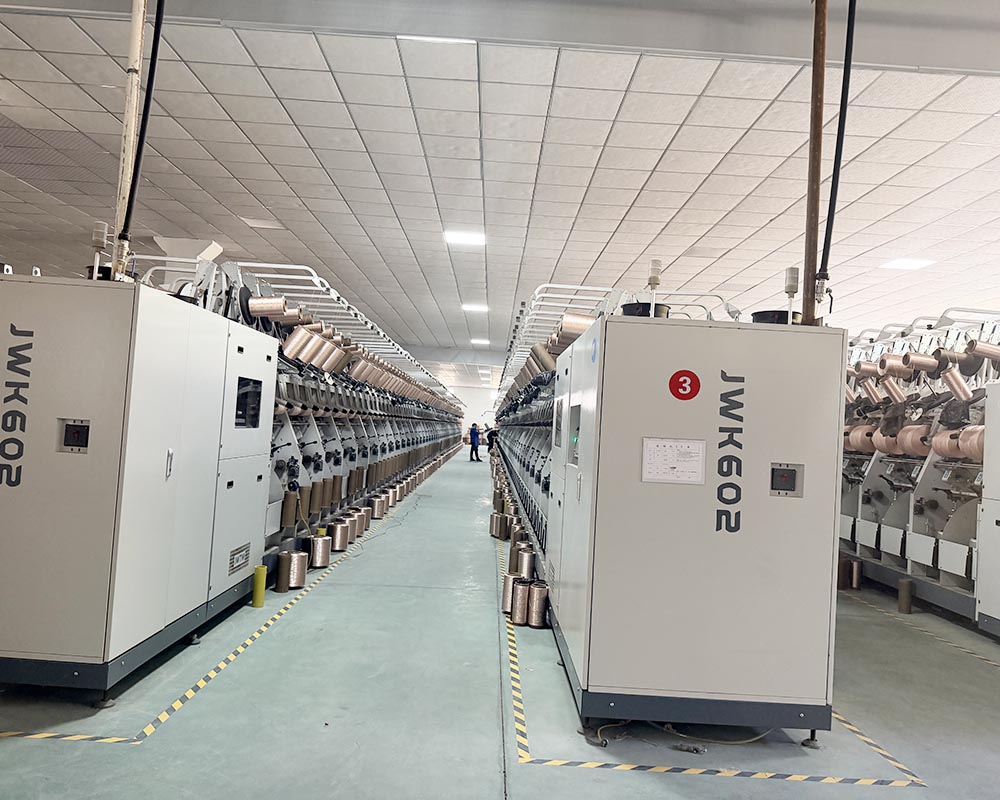
At WEIXIN, we specialize in the production of high-quality dipped polyester cord for tire applications. Our commitment to quality ensures that every batch meets the demanding requirements of tire manufacturers:
Consistent Physical Properties: We maintain strict control over denier, breaking strength, elongation, and shrinkage to ensure uniformity.
Superior Adhesion: Our advanced dipping lines produce consistent RFL treatment for reliable rubber bonding.
Custom Solutions: We offer various deniers (1000D, 1500D, 2000D and above) and constructions (2-ply, 3-ply) to meet specific tire design requirements.
Global Supply: As a China-based manufacturer and exporter, we serve customers worldwide with reliable logistics and competitive pricing.
Conclusion
Dipped polyester cord is the unseen backbone of modern tires. From passenger cars to motorcycles, from bicycles to light trucks, this essential material provides the strength, stability, and durability that drivers depend on every day.
As tire technology continues to evolve—with increasing demands for fuel efficiency, longer life, and higher performance—the role of high-quality reinforcement materials like dipped polyester cord becomes ever more critical.
If you are a tire manufacturer looking for a reliable supplier of dipped polyester cord, contact WEIXIN today. Let us be your partner in building better tires.
Our Expertise – Carcass Fabric & Dipped Fabric Solutions
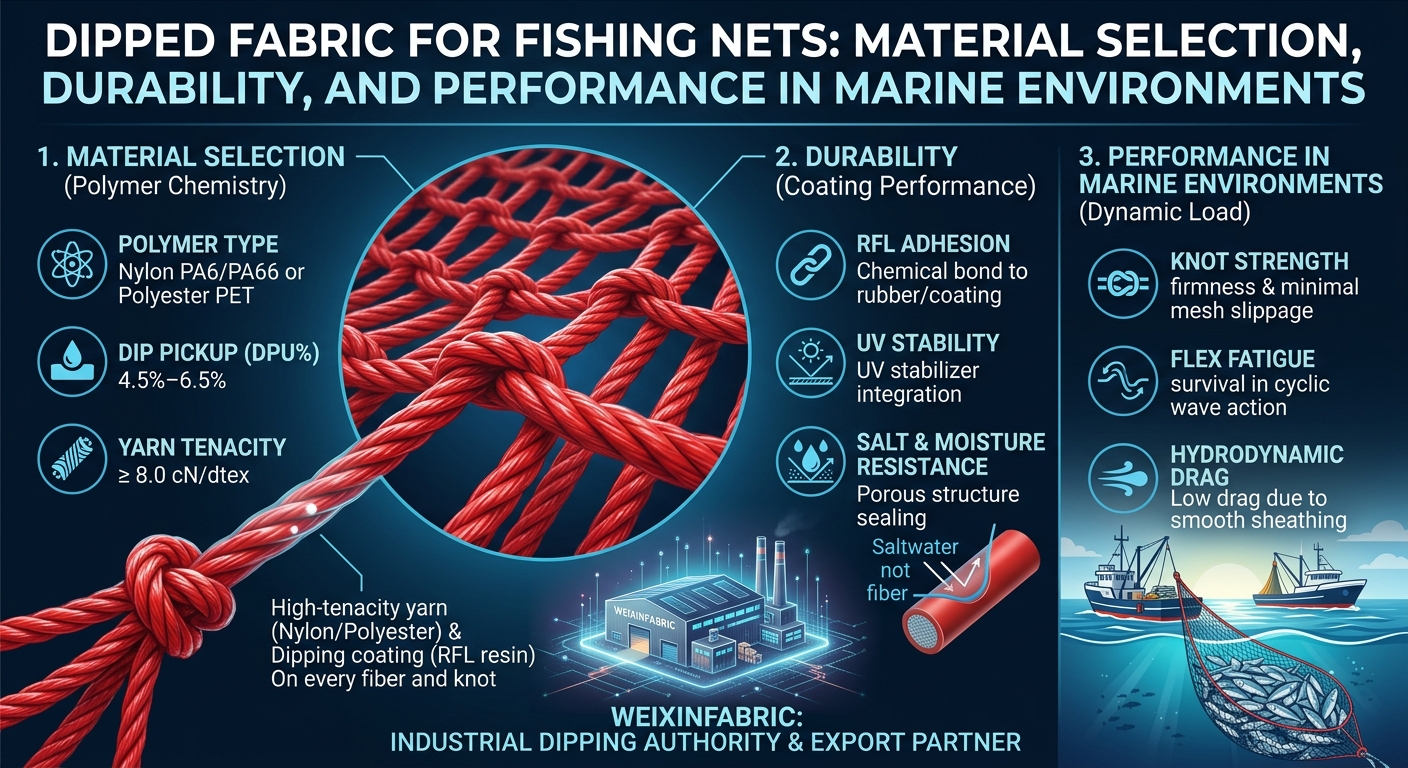
As a professional manufacturer and solution expert, we specialize in Carcass Fabric for Automotive Tires, Dipped Fabric for Conveyor Belts, Dipped Fabric for Fishing Nets, and Grade C Cord Fabric. With years of R&D and production experience, we provide high-strength, heat-resistant, and durable industrial fabrics tailored to global clients' specific requirements. Our products are widely used in tire reinforcement, conveyor belt carcass, fishing net manufacturing, and other industrial applications. Explore full product range →
Also check our Tire Cord Fabric, Conveyor Belt Dipped Fabric, and Fishing Net Dipped Fabric pages.