High Temperature, High Pressure, High Wear: How Weixin Industrial Textiles Perform Under Extreme Conditions
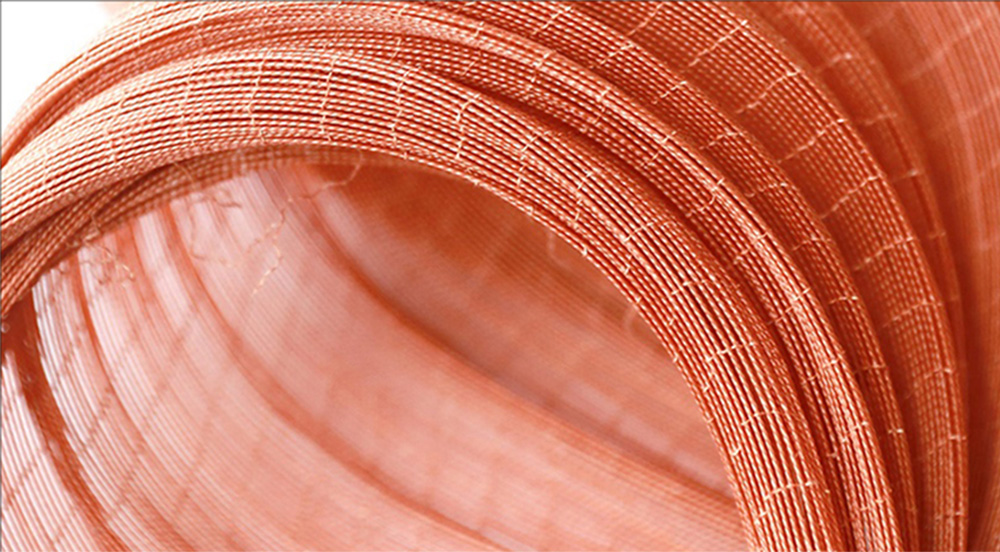
In the world of heavy industry, extreme conditions are the norm, not the exception. Cement kilns operate at temperatures exceeding 400°C. Filter presses handle pressures above 15 bar. Conveyor systems move abrasive ores that would destroy ordinary fabrics in days.
For industrial textiles to perform in these environments, they must be engineered for extremes. Standard materials and conventional designs are not enough. What is required is a deep understanding of how fibers, weaves, and treatments interact under stress.
At Weixin, we have spent decades mastering the science of extreme-condition textiles. Our industrial fabrics are designed to withstand the three great challenges of heavy industry: high temperature, high pressure, and high wear.
This article explores how Weixin textiles meet these challenges—and why they are trusted by leading industrial operations worldwide.
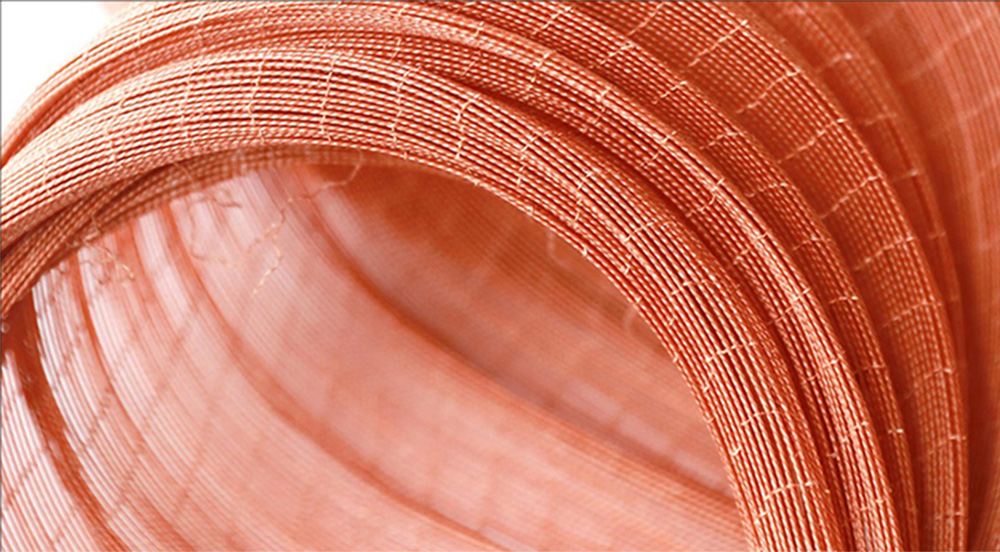
The Three Great Challenges of Industrial Textiles
Industrial textiles in demanding applications face three primary threats:
| Challenge | Description | Consequences of Failure |
|---|---|---|
| High Temperature | Continuous or intermittent exposure to extreme heat | Thermal degradation, melting, strength loss |
| High Pressure | Subjected to high differential pressures across fabric | Blowout, bursting, seam failure |
| High Wear | Abrasion from sliding contact with particles or surfaces | Fiber breakage, thinning, premature failure |
Each challenge requires specific engineering solutions. Often, textiles must withstand multiple challenges simultaneously—for example, a baghouse filter operating at 200°C while handling abrasive dust under pressure pulsations.
Challenge 1: High Temperature – Engineering for Thermal Stability
The Problem
High temperatures degrade industrial textiles through several mechanisms:
| Temperature Range | Degradation Mechanism | Effect on Fabric |
|---|---|---|
| 80–120°C | Hydrolysis (in polyester) | Strength loss, embrittlement |
| 150–200°C | Thermal oxidation | Discoloration, gradual strength loss |
| 200–260°C | Melting (PP, standard nylon) | Structural collapse |
| 260–400°C | Decomposition, carbonization | Complete failure |
| 400°C+ | Melting (aramid, fiberglass) | Structural collapse |
Weixin's Solution: Strategic Fiber Selection
The first line of defense against high temperature is choosing the right fiber.
| Fiber | Continuous Operating Temperature | Peak Temperature | Applications |
|---|---|---|---|
| Polyester | 150°C | 180°C | General industrial, low-temperature filtration |
| Polypropylene | 90°C | 110°C | Chemical filtration, low temperature |
| Nomex (Aramid) | 200°C | 220°C | Cement, steel, asphalt plants |
| PTFE (Teflon) | 260°C | 280°C | Chemical plants, hazardous waste incineration |
| P84 (Polyimide) | 240°C | 260°C | Cement, power generation |
| Fiberglass | 260°C | 300°C | High-temperature insulation, filtration |
| Ceramic fiber | 1000°C+ | 1200°C+ | Extreme high-temperature insulation |
Thermal Protection Strategies
Beyond fiber selection, Weixin employs additional thermal protection measures:
Heat Setting:
Fabric is heat-treated during manufacturing to stabilize dimensions
Prevents shrinkage or growth at operating temperatures
Ensures consistent fit in filter bags or belt systems
Thermal Barrier Coatings:
Specialized coatings reflect radiant heat
Reduce surface temperature of underlying fabric
Extend service life in high-temperature environments
Scrim Reinforcement:
Heat-stable scrim layers provide dimensional stability
Prevent elongation under tension at high temperatures
Real-World Application: Cement Kiln Baghouse
| Parameter | Requirement | Weixin Solution |
|---|---|---|
| Operating temperature | 180–220°C | Nomex/P84 blend |
| Peak temperature | 250°C | PTFE fiber content |
| Gas composition | Alkaline, abrasive | Surface treatment for chemical resistance |
| Service life achieved | 2–3 years typical | 3–4 years with Weixin |
Challenge 2: High Pressure – Engineering for Strength and Integrity
The Problem
High-pressure applications subject industrial textiles to intense mechanical stress:
| Application | Pressure Range | Failure Mode |
|---|---|---|
| Filter press cloths | 7–15 bar | Blowout, seam failure |
| Membrane filter cloths | 15–30 bar | Fabric rupture, edge leakage |
| High-pressure belt filters | 5–10 bar | Permeability loss, stretching |
| Baghouse pulse jets | 5–7 bar (pulse) | Fabric fatigue, pinholes |
Weixin's Solution: Strength Engineering
Reinforced Weave Structures:
| Weave Type | Pressure Resistance | Application |
|---|---|---|
| Standard plain weave | Moderate | General filtration |
| Heavy plain weave | High | Filter press cloths |
| Reinforced twill | Very high | High-pressure membrane cloths |
| Double-layer weave | Excellent | Extreme high-pressure applications |
Seam Engineering:
| Seam Type | Strength | Application |
|---|---|---|
| Sewn seam | Moderate | General industrial |
| Welded seam | High | High-pressure filtration |
| Ultrasonic seam | Very high | PTFE fabrics |
| Reinforced hem | Excellent | Extreme pressure applications |
Base Fabric Construction:
Higher thread count = greater pressure resistance
Monofilament yarns provide rigid, stable structure
Multifilament yarns offer flexibility with strength
Scrim reinforcement adds burst resistance
Real-World Application: Filter Press Cloth
| Parameter | Requirement | Weixin Solution |
|---|---|---|
| Operating pressure | 15 bar | Heavy twill weave |
| Cake release requirement | Excellent | Monofilament weft, calendered surface |
| Chemical environment | Acidic | Polyester with acid-resistant finish |
| Service life achieved | 3–6 months typical | 8–12 months with Weixin |
Challenge 3: High Wear – Engineering for Abrasion Resistance
The Problem
Abrasion is the leading cause of industrial textile failure. It occurs when fabrics slide against:
Sharp particulate matter (dust, ores, minerals)
Metal surfaces (belt systems, filter cages)
Other fabrics (flexing, creasing)
| Wear Mechanism | Description | Typical Industries |
|---|---|---|
| Particle abrasion | Sharp particles cut fibers | Mining, cement, minerals |
| Surface abrasion | Fabric rubs against metal | Conveyor belts, filter cages |
| Flex fatigue | Repeated folding/creasing | Moving belts, pulse-jet filters |
Weixin's Solution: Abrasion Engineering
Fiber Selection for Wear Resistance:
| Fiber | Abrasion Resistance | Best Applications |
|---|---|---|
| Nylon (Polyamide) | Excellent | High-friction applications, moving belts |
| Polyester | Good | General industrial, filtration |
| PTFE | Fair (surface abrasion) | Chemical applications with moderate wear |
| Aramid | Very good | High-temperature, high-wear applications |
| Fiberglass | Poor (without treatment) | High-temperature only, protect from abrasion |
Weave Design for Wear Resistance:
Tighter weaves resist particle penetration
Smooth surface finishes reduce friction
Abrasion-resistant coatings protect base fabric
Surface Treatments:
| Treatment | Effect | Abrasion Improvement |
|---|---|---|
| Calendering | Smooths surface | 20–30% reduction in surface abrasion |
| PTFE coating | Reduces friction | 40–50% reduction in particle adhesion |
| Acrylic coating | Protective barrier | 30–40% improvement in wear life |
| Singeing | Removes loose fibers | 15–25% reduction in fiber pull-out |
Real-World Application: Conveyor Belt Fabric
| Parameter | Requirement | Weixin Solution |
|---|---|---|
| Material conveyed | Sharp metal ores | Nylon weft for impact resistance |
| Operating speed | 2–4 m/s | Solid woven construction |
| Edge wear concern | High | Sealed edges, abrasion-resistant coating |
| Service life achieved | 12–18 months typical | 24–30 months with Weixin |
The Weixin Multi-Threat Approach: When Challenges Combine
The most demanding applications require textiles that resist multiple threats simultaneously.
Application 1: Cement Kiln Baghouse Filter
| Threat | Level | Weixin Solution |
|---|---|---|
| Temperature | 200–220°C | Nomex/P84 fiber blend |
| Abrasion | High (cement dust) | Needled felt with calendered surface |
| Chemical | Alkaline | PTFE fiber content for chemical resistance |
| Pressure pulse | 5–7 bar | Reinforced scrim for burst resistance |
Result: 3–4 year service life, meeting emissions standards
Application 2: Mining Filter Press Cloth
| Threat | Level | Weixin Solution |
|---|---|---|
| Pressure | 15 bar | Heavy twill weave, reinforced seams |
| Abrasion | Extreme (mineral slurry) | Nylon fiber, calendered surface |
| Chemical | Variable pH | Polyester with chemical-resistant finish |
| Flexing | Continuous | High-flex design with fatigue resistance |
Result: 8–12 month service life, 30% longer than standard
Application 3: Steel Plant Dust Collector
| Threat | Level | Weixin Solution |
|---|---|---|
| Temperature | 180–260°C | Fiberglass base with PTFE membrane |
| Abrasion | High (metal oxide dust) | PTFE membrane protects fiberglass |
| Chemical | Acidic gases | PTFE provides chemical resistance |
| Pressure pulse | 5 bar | Strong scrim reinforcement |
Result: 2–3 year service life, meeting strict emissions limits
Engineering Solutions for Extreme Conditions
Solution 1: Composite Fabric Construction
Combining multiple layers creates fabrics that excel in multiple areas:
| Layer | Function | Material Example |
|---|---|---|
| Surface layer | Fine filtration, cake release | PTFE membrane, calendered surface |
| Working layer | Strength, temperature resistance | Nomex, fiberglass, P84 |
| Scrim layer | Dimensional stability, burst resistance | High-strength polyester, fiberglass |
| Backing layer | Abrasion protection | Nylon, polyester |
Solution 2: Specialized Surface Treatments
| Treatment | Benefit | Best For |
|---|---|---|
| PTFE impregnation | Low friction, chemical resistance | Sticky materials, chemical filtration |
| Silicone treatment | Water repellency, flexibility | Wet filtration, food processing |
| Acrylic coating | Abrasion resistance, stability | High-wear applications |
| Antistatic treatment | Static dissipation | Explosive dust environments |
Solution 3: Engineered Seam Systems
| Seam Type | Strength | Pressure Rating | Abrasion Resistance |
|---|---|---|---|
| Standard sewn | Moderate | Low-medium | Moderate |
| Reinforced sewn | High | Medium-high | High |
| Ultrasonic welded | Very high | High | Very high |
| Thermally bonded | Excellent | High | Excellent |
Quality Assurance for Extreme Conditions
Every Weixin textile for extreme conditions undergoes rigorous testing:
| Test | Standard | Purpose |
|---|---|---|
| Heat aging | ASTM D3045 | Predict service life at temperature |
| Tensile strength retention | ASTM D5035 | Verify strength after exposure |
| Abrasion resistance | ASTM D3884 | Measure wear resistance |
| Burst strength | ASTM D3786 | Validate pressure rating |
| Permeability | ASTM D737 | Ensure consistent filtration |
Real-World Results: What Weixin Customers Experience
Industrial operations using Weixin extreme-condition textiles consistently report:
| Metric | Industry Standard | Weixin Performance |
|---|---|---|
| High-temperature service life | 12–24 months | 24–48 months |
| Pressure filter cloth life | 3–6 months | 8–12 months |
| Conveyor belt fabric life | 12–18 months | 24–30 months |
| Dust collector bag life | 18–24 months | 30–48 months |
| Downtime reduction | Baseline | 25–40% reduction |
Conclusion: Engineered for Extremes
High temperature, high pressure, and high wear do not have to mean short service life or unreliable performance. With the right fiber selection, weave design, surface treatment, and construction, industrial textiles can thrive in the most demanding environments.
At Weixin, we have dedicated ourselves to engineering textiles for extremes:
High temperature – fibers and treatments that withstand heat
High pressure – reinforced constructions that hold strong
High wear – abrasion-resistant designs that last longer
Whether you operate cement kilns, mining presses, steel mills, or chemical plants, Weixin has the expertise and technology to deliver industrial textiles that perform under pressure.
Choose Weixin. Choose performance under extremes.
Our Expertise – Carcass Fabric & Dipped Fabric Solutions
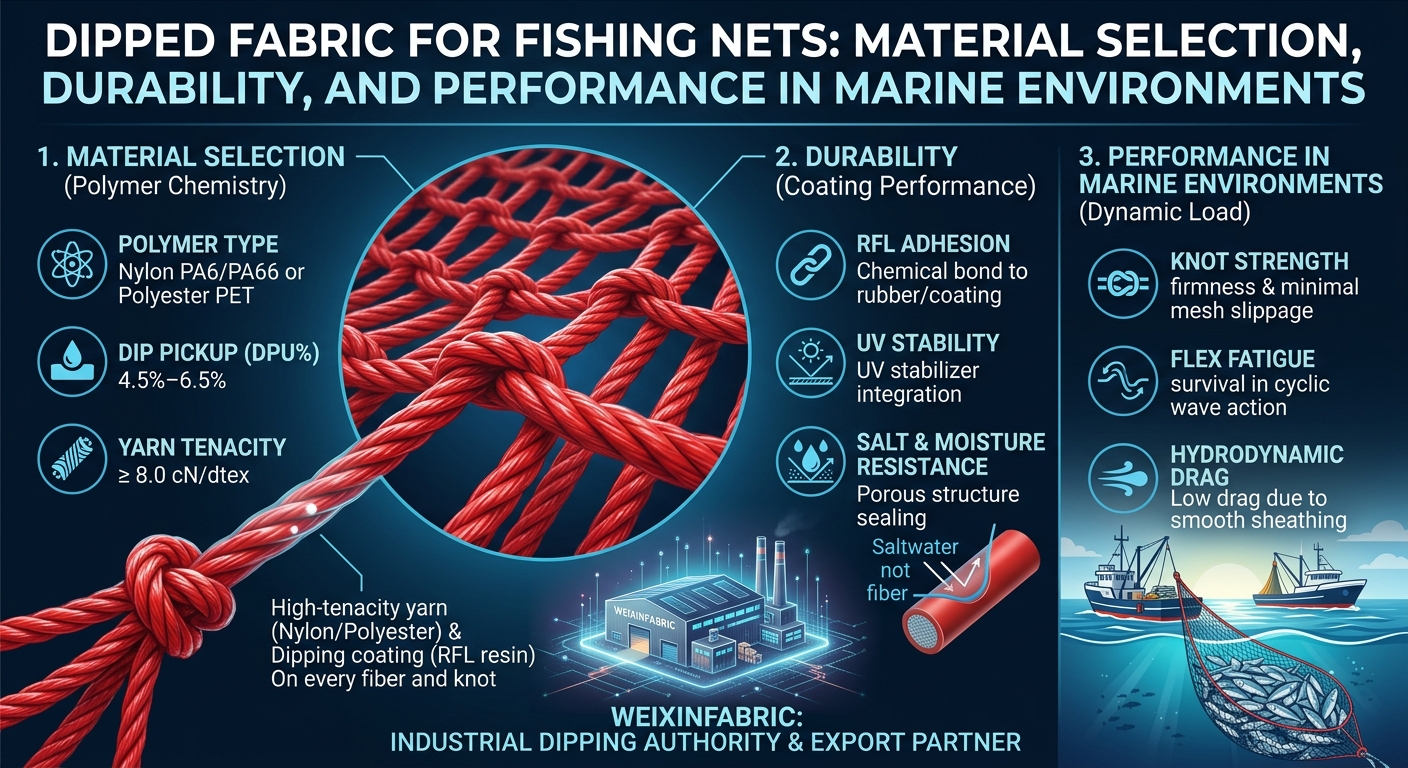
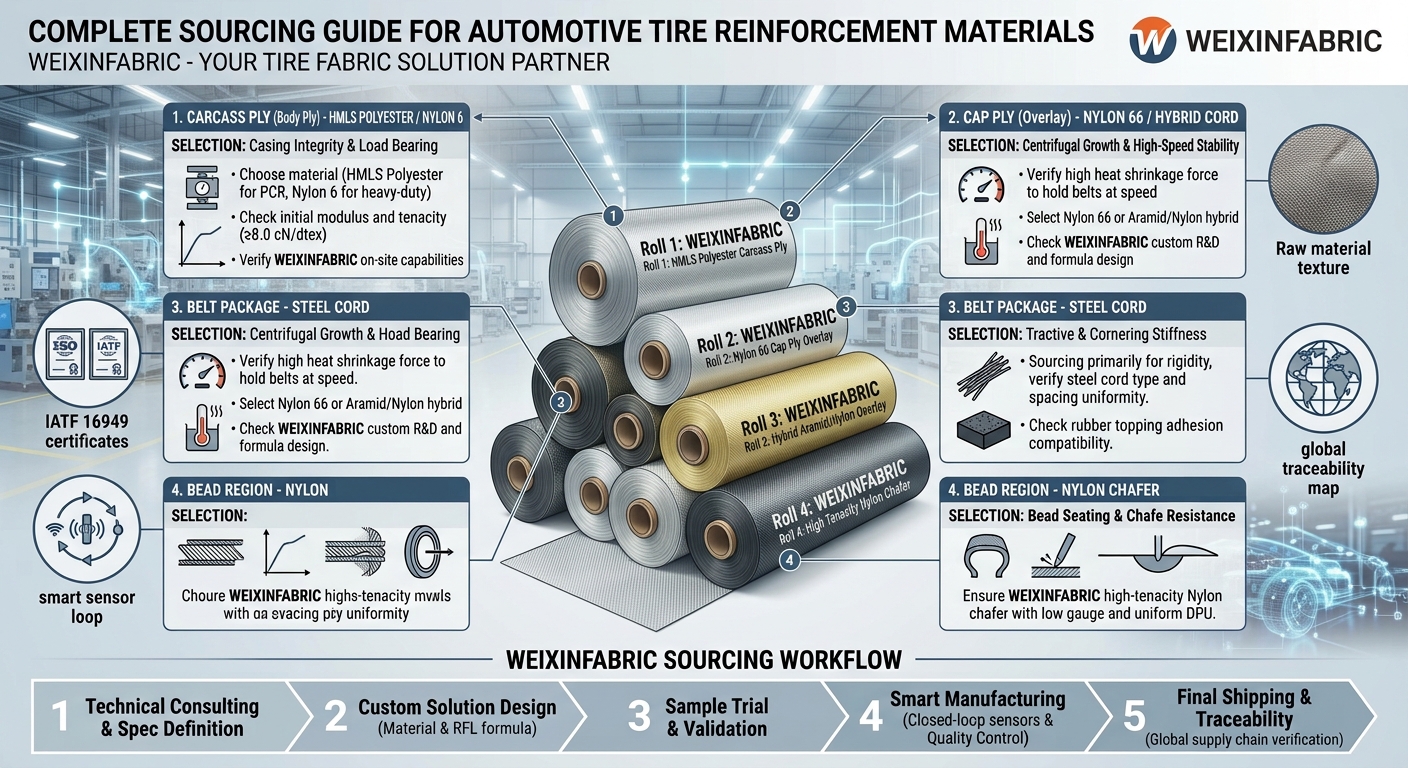
As a professional manufacturer and solution expert, we specialize in Carcass Fabric for Automotive Tires, Dipped Fabric for Conveyor Belts, Dipped Fabric for Fishing Nets, and Grade C Cord Fabric. With years of R&D and production experience, we provide high-strength, heat-resistant, and durable industrial fabrics tailored to global clients' specific requirements. Our products are widely used in tire reinforcement, conveyor belt carcass, fishing net manufacturing, and other industrial applications. Explore full product range →
Also check our Tire Cord Fabric, Conveyor Belt Dipped Fabric, and Fishing Net Dipped Fabric pages.