Dipped Polyester Rope and Cord: High-Tenacity Engineered Tensile Support for Industrial Rubber Goods
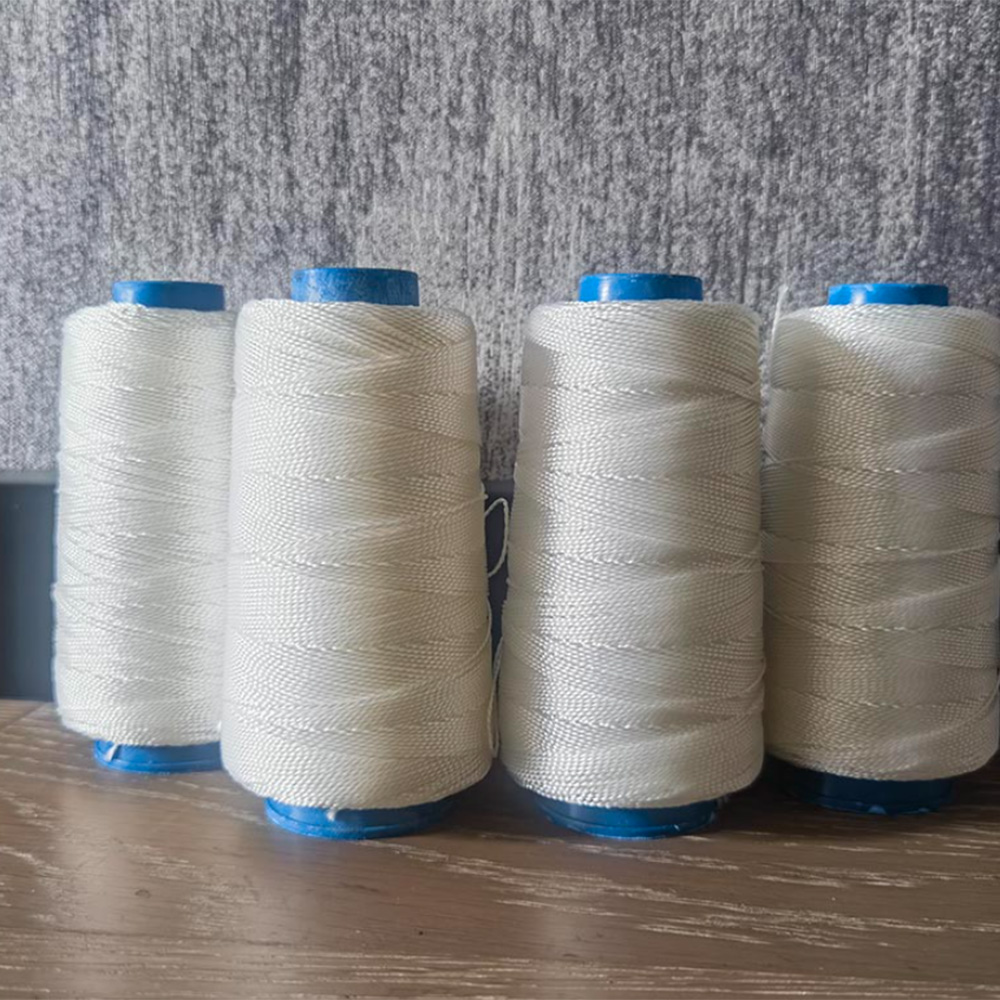
In industrial rubber products — from conveyor belts and hoses to diaphragms and air springs — tensile support is not optional. Without reliable reinforcement under tension, rubber alone stretches, creeps, and eventually fails. That is where Weixin Dipped Polyester Rope and Cord delivers essential value: high-tenacity engineered tensile support embedded directly into rubber matrices.
What Is Dipped Polyester Rope and Cord?
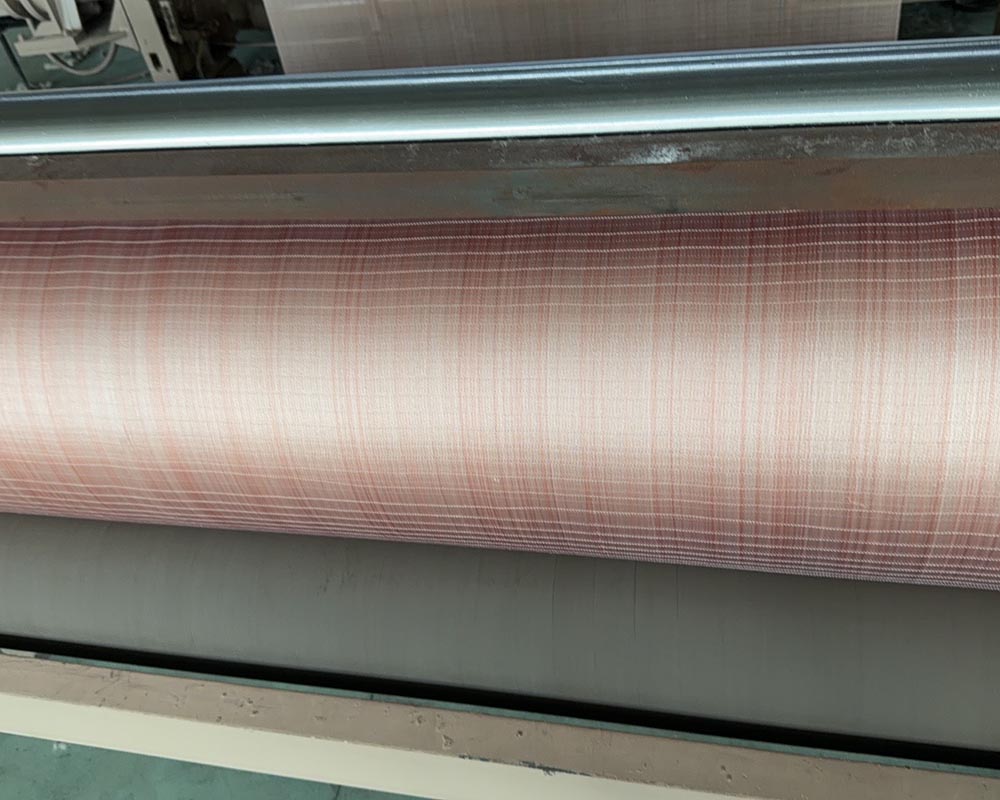
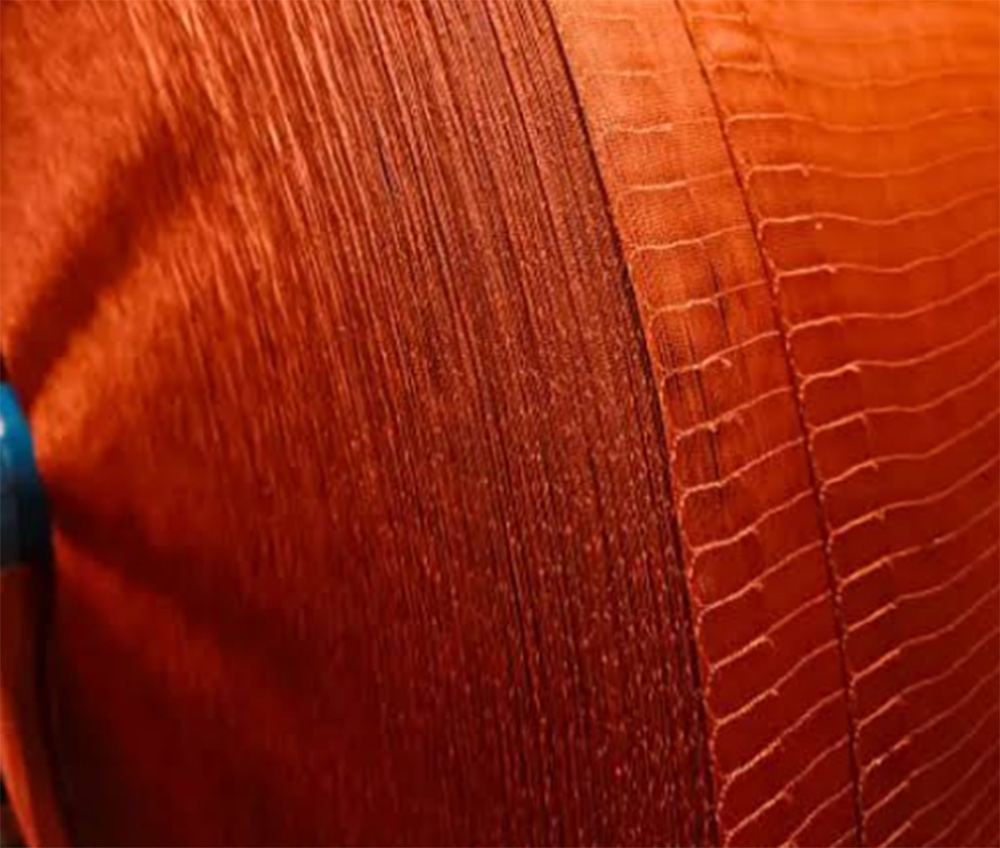
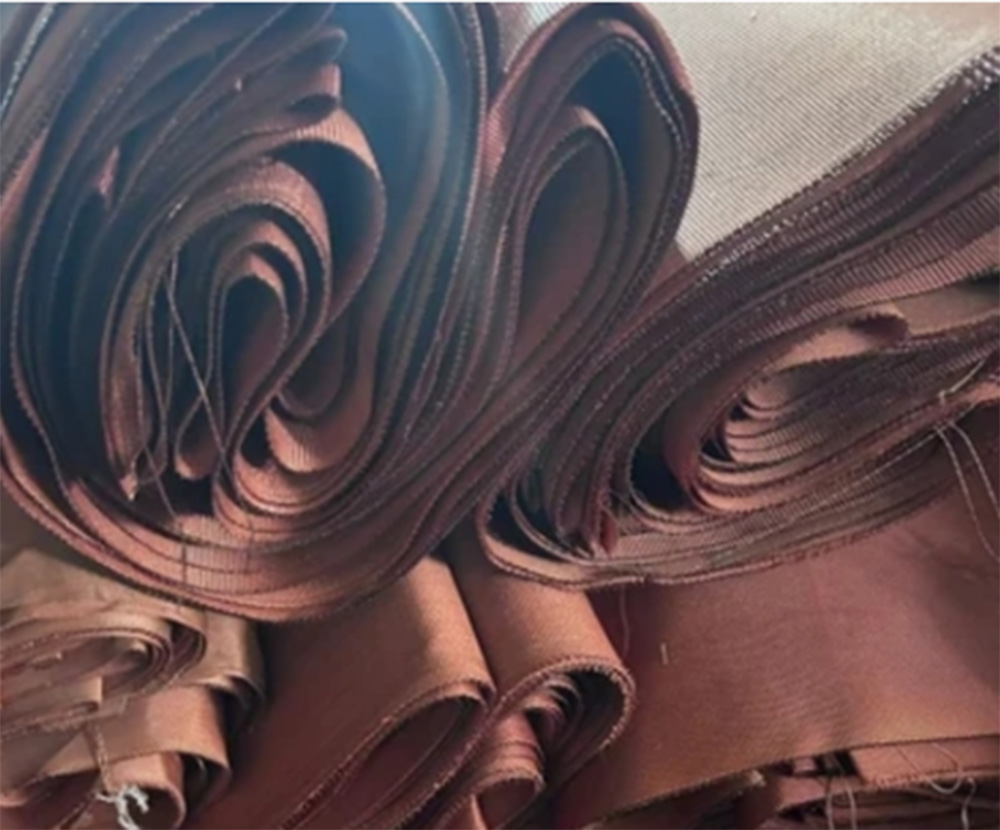
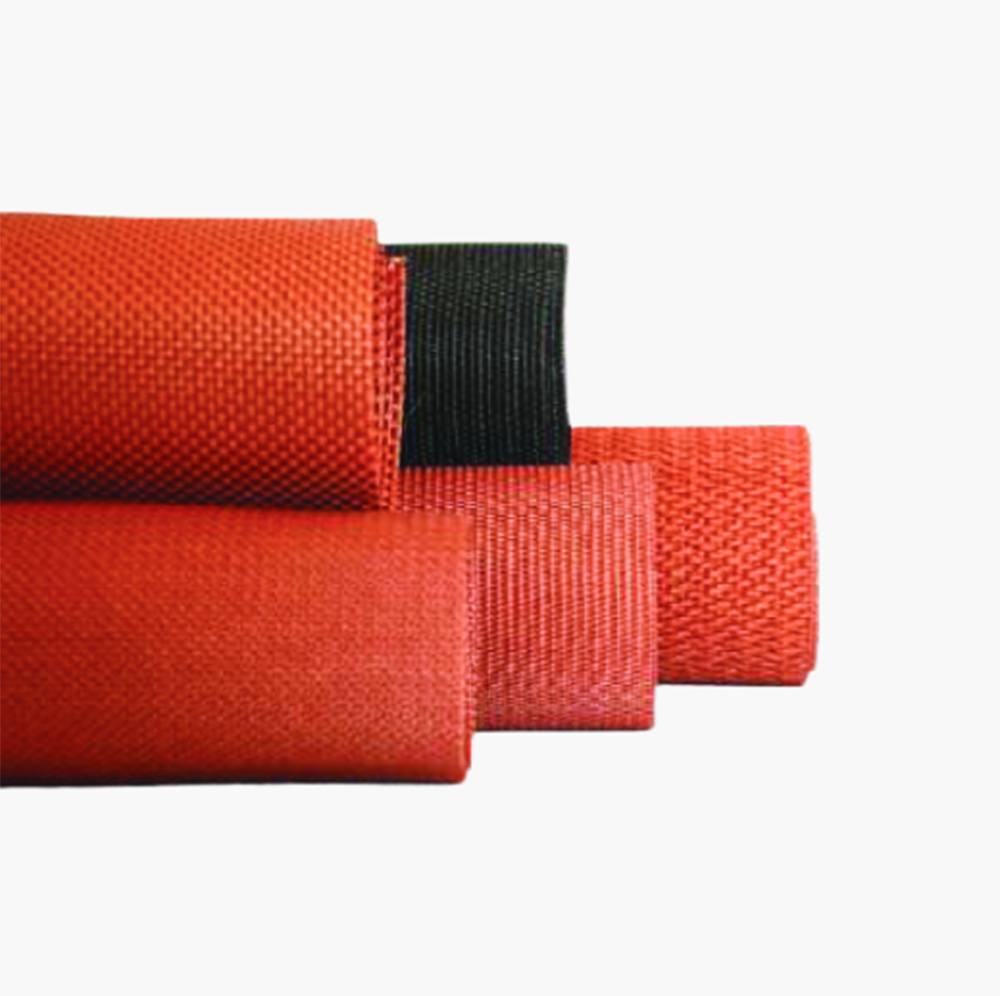
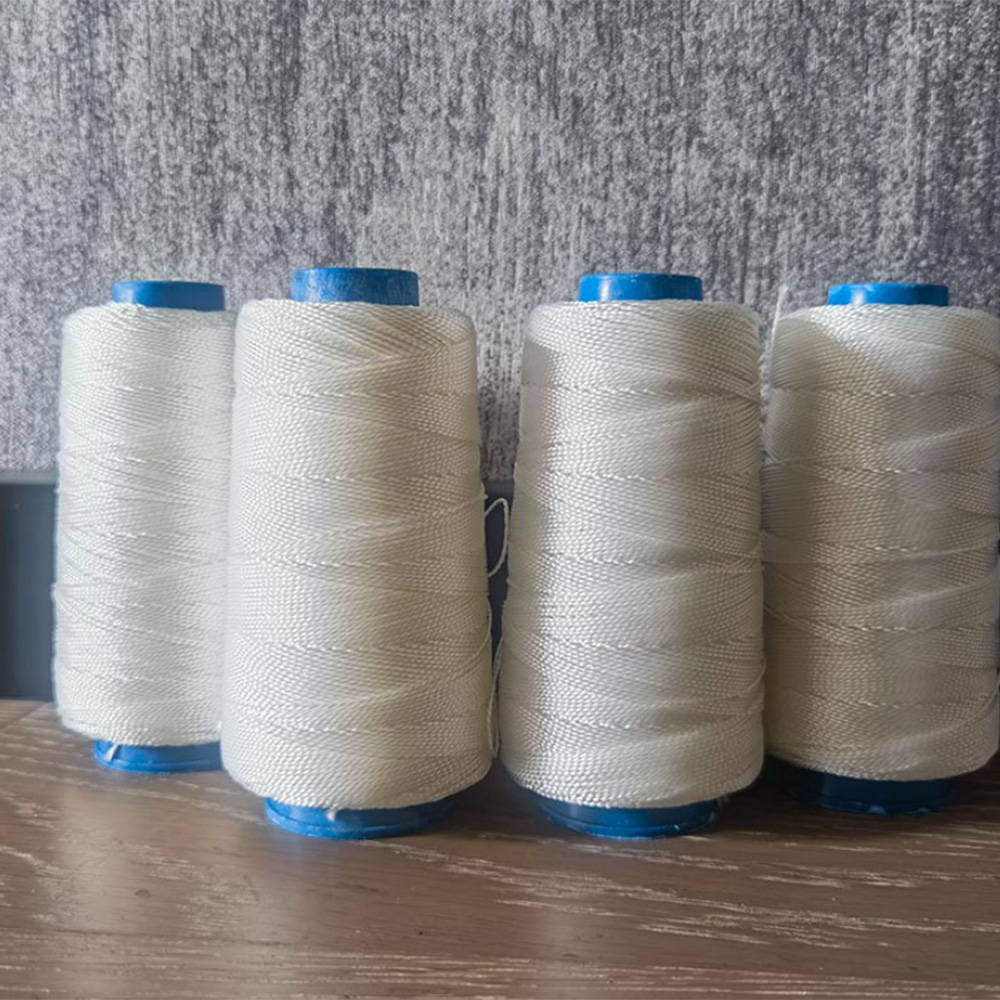
Dipped polyester rope and cord are twisted or braided polyester yarns treated with an RFL (resorcinol-formaldehyde-latex) dip solution, then heat-set for dimensional stability. The dipping process creates a chemical bridge between the polyester core and surrounding rubber compounds, enabling efficient load transfer without delamination.
Weixin produces two primary forms:
Cord – Tightly twisted, high-density structure for maximum tensile strength
Rope – Larger diameter, braided or twisted for higher load capacity and flexibility
Why Polyester for Rubber Reinforcement?
| Property | Polyester Advantage |
|---|---|
| High tenacity | 6–8 cN/dtex, comparable to nylon with lower elongation |
| Low moisture absorption | Maintains strength in humid or wet conditions |
| Heat resistance | Withstands tire curing and vulcanization temperatures |
| Low creep | Superior dimensional stability under sustained load |
| Chemical compatibility | Bonds effectively with RFL dip for rubber adhesion |
Compared to nylon, polyester offers less stretch under load — a critical advantage for applications requiring precise tension control.
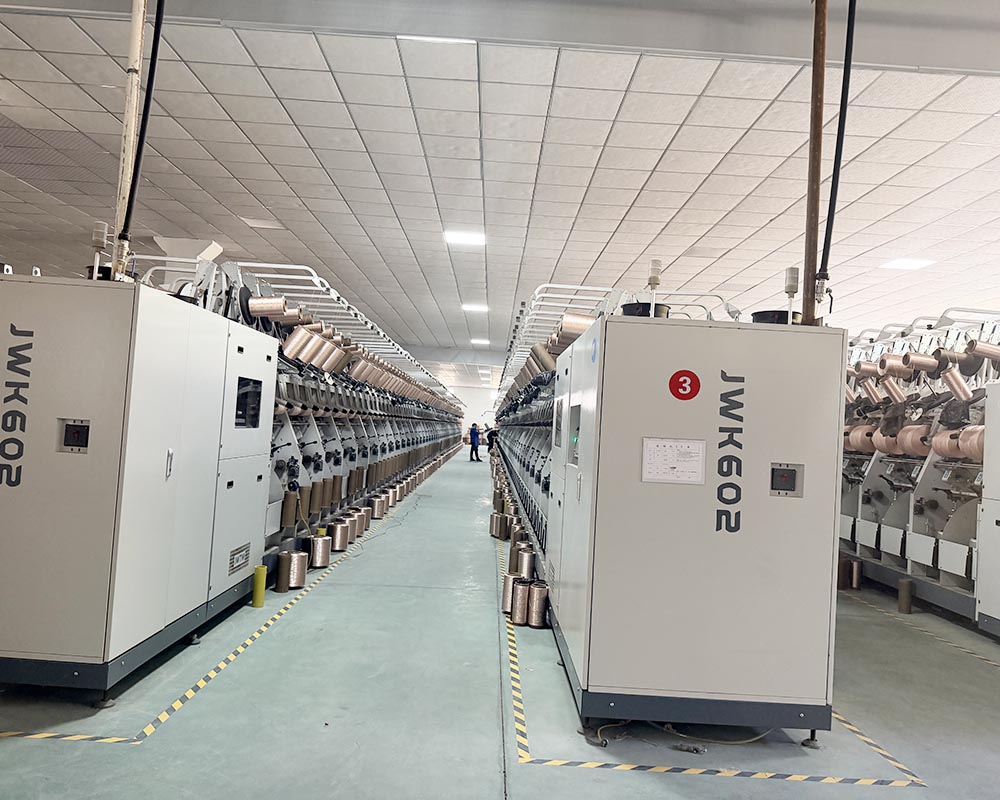
The Weixin Dipping and Heat-Setting Process
Weixin transforms raw polyester yarn into engineered tensile support through three integrated steps:
| Step | Process | Purpose |
|---|---|---|
| 1 | Twisting or braiding | Creates cord/rope structure with controlled elongation |
| 2 | RFL dipping | Activates surface for rubber adhesion |
| 3 | Multi-zone heat-setting | Locks in modulus, low shrinkage, and stability |
Every production batch undergoes tensile testing, adhesion verification, and shrinkage measurement before release.
Key Performance Features
1. High-Tenacity Tensile Support
Breaking strength up to 2000 N or more (depending on diameter and construction)
Low elongation at break (12–18%) for predictable tension response
2. Engineered Rubber Adhesion
H-pull adhesion values ≥ 100 N/cm (ISO 4647 standard)
Resists pull-out under dynamic flexing and vibration
3. Thermal and Dimensional Stability
Thermal shrinkage ≤ 1.0% at 177°C
Minimal creep under sustained loads over months or years
4. Fatigue Resistance
Withstands millions of flex, bend, and tension cycles
Retains > 90% of original strength after extended dynamic testing
Applications: Where Weixin Dipped Polyester Rope and Cord Excels
| Application | Role of Weixin Product |
|---|---|
| Conveyor belts | Longitudinal tensile reinforcement in carcass plies |
| Rubber hoses | Helical or longitudinal cord to resist burst pressure |
| Air springs | Flexible cord reinforcement for bellows |
| Diaphragms | Embedded cord for pressure cycling endurance |
| Rubber tracks | Tensile members in heavy-duty agricultural and construction tracks |
| V-ribbed and timing belts | Cord tensile layer for power transmission |
| Industrial rubber mats | Edge and internal reinforcement against tearing |
Product Range (Typical Specifications)
| Product Type | Diameter Range | Breaking Strength | Typical Elongation |
|---|---|---|---|
| Polyester cord (1-ply) | 0.5–1.5 mm | 150–600 N | 14–18% |
| Polyester cord (multi-ply) | 1.5–3.0 mm | 600–2000 N | 12–16% |
| Braided polyester rope | 2.0–6.0 mm | 800–4000 N | 15–20% |
Custom constructions available upon request.
Comparison: Weixin Dipped Polyester vs. Nylon and Rayon
| Property | Polyester (Weixin) | Nylon | Rayon |
|---|---|---|---|
| Tenacity | High | Very high | Moderate |
| Elongation at break | 12–18% | 18–25% | 8–12% |
| Wet strength retention | >95% | >90% | <70% |
| Thermal shrinkage | Low (0.3–1.0%) | Moderate (2–4%) | Low |
| Creep resistance | Excellent | Moderate | Good |
| Cost efficiency | Very good | Good | Moderate |
For applications requiring low stretch, low creep, and stable dimensions — especially in wet or humid environments — Weixin dipped polyester rope and cord is often the optimal choice.
Customization Options
Weixin supports bulk customization of dipped polyester rope and cord:
Custom diameters and twist levels
Tailored dip formulations for specific rubber compounds (NR, SBR, EPDM, etc.)
Specific modulus or shrinkage targets
Spool sizes, coreless packages, or cut lengths
Color coding for identification
Quality Assurance and Traceability
Every Weixin shipment includes:
Batch-specific tensile and adhesion test reports
Thermal shrinkage data at customer-specified temperature
Traceability code linking finished cord to raw yarn lot and production parameters
Weixin operates ISO-compliant quality systems with in-process monitoring at every stage — twisting, dipping, heat-setting, and final winding.
Why Engineers and Procurement Teams Choose Weixin
Engineered performance – Not just commodity cord, but application-matched tensile support
Batch consistency – Statistical process control ensures roll-to-roll uniformity
Supply reliability – Strategic raw material and safety stock inventory
Technical support – Assistance with dip selection, adhesion optimization, and cord design
Case Example: Improving Hose Burst Strength
A hydraulic hose manufacturer experienced inconsistent burst pressure results with standard untreated polyester cord. Switching to Weixin RFL-dipped polyester cord increased average burst pressure by 22% and eliminated adhesion-related failures — without changing the hose construction.
Result: Higher safety margin, lower warranty claims, and consistent production quality.
Conclusion
For industrial rubber goods requiring reliable tensile support under demanding conditions, Weixin Dipped Polyester Rope and Cord delivers high-tenacity engineered performance. From conveyor belts to hoses, air springs to rubber tracks, our dipped cord products provide the dimensional stability, rubber adhesion, and fatigue resistance that engineers trust.
Contact Weixin today to discuss your tensile reinforcement requirements or request samples for testing.
Our Expertise – Carcass Fabric & Dipped Fabric Solutions
As a professional manufacturer and solution expert, we specialize in Carcass Fabric for Automotive Tires, Dipped Fabric for Conveyor Belts, Dipped Fabric for Fishing Nets, and Grade C Cord Fabric. With years of R&D and production experience, we provide high-strength, heat-resistant, and durable industrial fabrics tailored to global clients' specific requirements. Our products are widely used in tire reinforcement, conveyor belt carcass, fishing net manufacturing, and other industrial applications. Explore full product range →
Also check our Tire Cord Fabric, Conveyor Belt Dipped Fabric, and Fishing Net Dipped Fabric pages.