Case Study: Transitioning to Biomass-Derived Inputs in Conveyor Belt Fabric Production
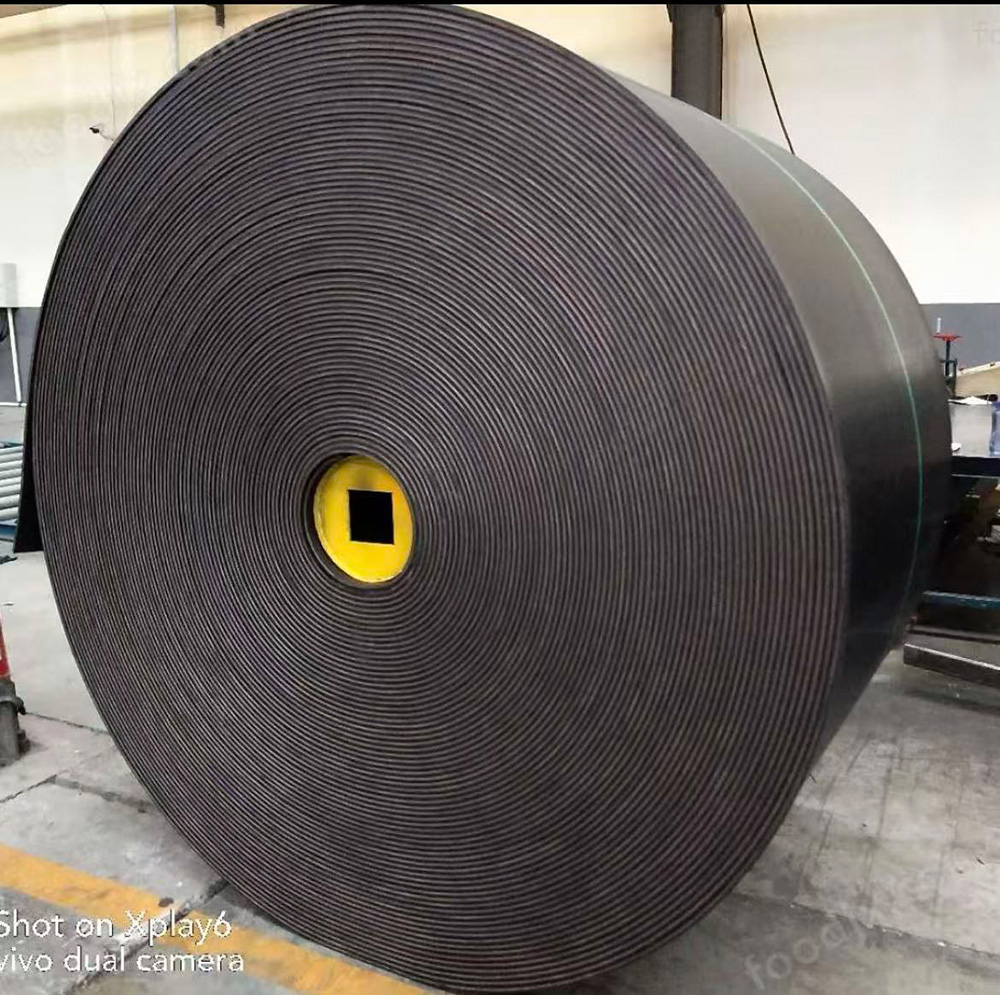
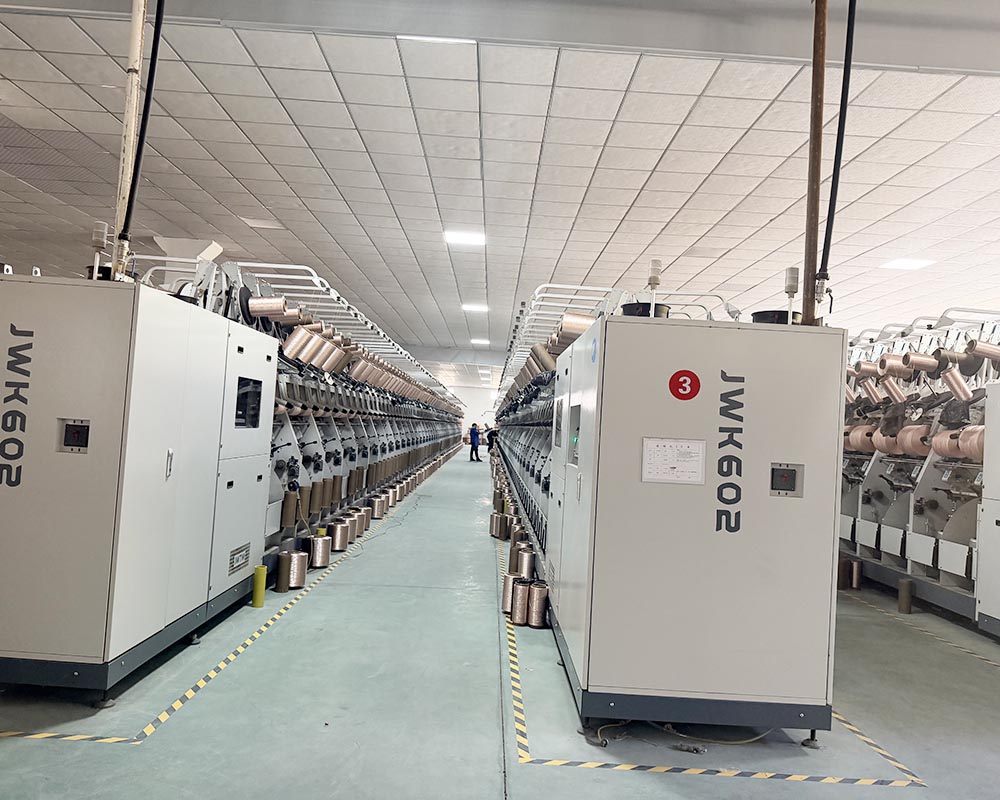
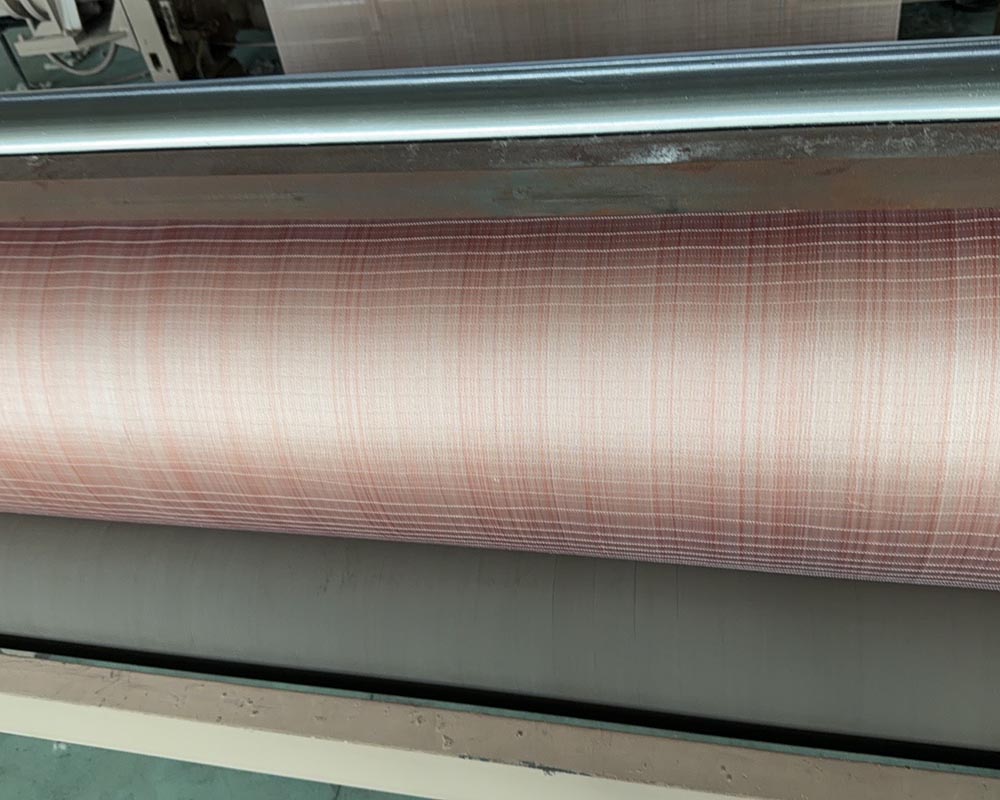
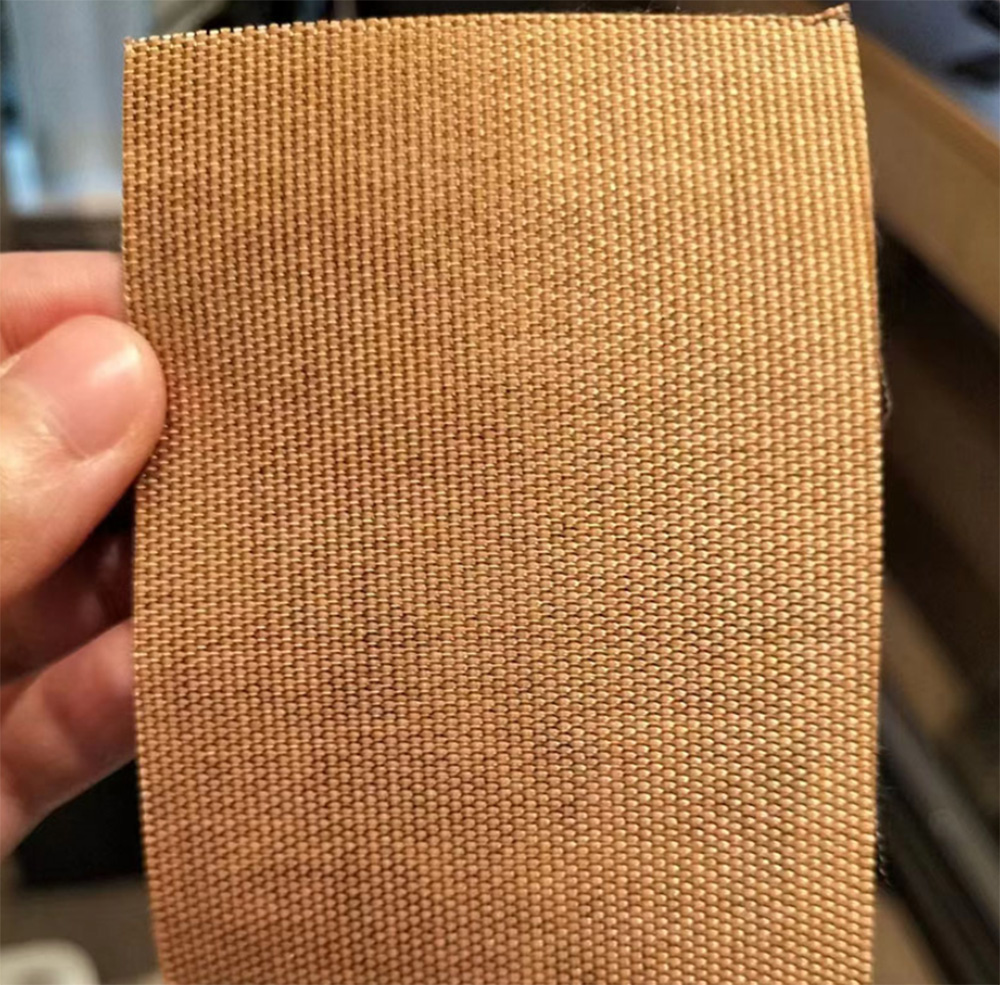
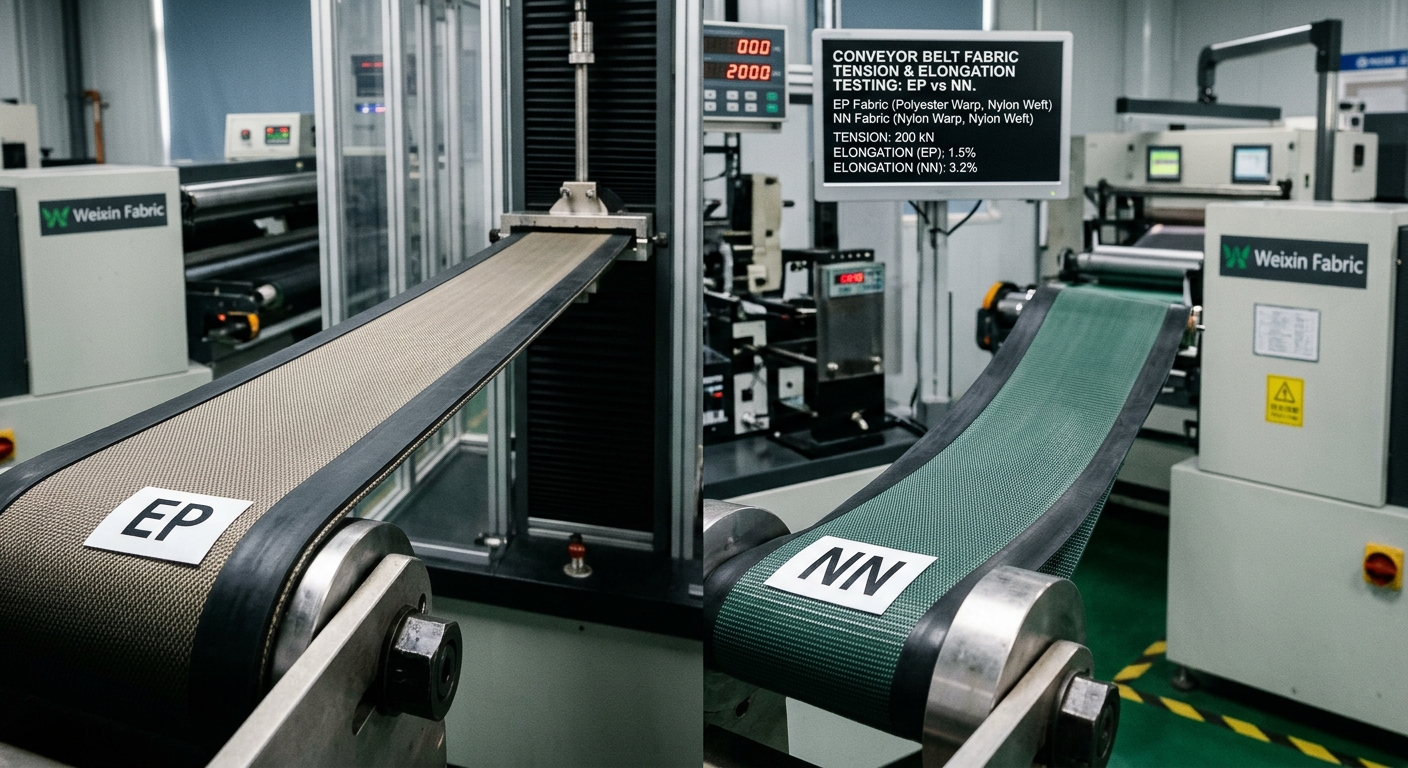
Sustainable Industrial Textile Engineering & Decarbonization Report by Weixin Fabric Executive Summary: Global industrial belting manufacturers face mounting pressure to reduce Scope 3 embodied carbon while maintaining strict mechanical standards under high-stress material handling operations. Carcass reinforcement fabrics—predominantly EP (Polyester/Nylon), NN (Nylon/Nylon), and EE (Polyester/Polyester) weaves—account for a significant portion of a conveyor belt's total carbon footprint when produced using conventional fossil-derived polymers and petrochemical adhesive dips. This technical case study documents the end-to-end engineering transition executed by Weixin Fabric to integrate biomass-derived polymers and bio-based dipping resins into industrial conveyor belt fabric manufacturing. As a premier Chinese manufacturer specializing in high-tenacity industrial dipped fabrics, tire cord fabrics, and belt reinforcement carcasses, Weixin Fabric demonstrates how bio-based materials achieve full mechanical parity, lower lifecycle carbon intensity, and satisfy stringent global sustainability standards. Conveyor belt carcass fabrics must endure severe dynamic flexing, heavy impact loads, high moisture exposure, and continuous thermal cycles. Transitioning to biomass-derived feedstocks presents critical engineering hurdles: The table below summarizes the multi-stage material transition executed across Weixin Fabric's spinning, weaving, and continuous dipping lines: Rigorous physical laboratory testing and Life Cycle Assessment (LCA) conducted under ISO 14040/14044 standards yielded the following verified performance benchmarks: Weixin Fabric is an established industrial fabric manufacturing authority in China, producing high-tenacity dipped fabrics, tire cord fabrics, and custom conveyor belt reinforcement carcasses. Operating state-of-the-art computer-controlled dipping lines, precision tension-controlled weaving looms, and full-scale physical testing laboratories, Weixin Fabric enables global belting manufacturers to hit ambitious Scope 3 sustainability targets without compromising operational reliability. Our engineering team works directly with client R&D departments to customize biomass content percentages, warp/weft weave densities, DPU percentage, and roll dimensions to match specific production requirements. Transitioning to biomass-derived inputs in conveyor belt fabric production proves that sustainability and high mechanical performance can coexist seamlessly. Partner with Weixin Fabric to integrate certified bio-based reinforcement fabrics into your next-generation belt product lines. Contact our technical engineering team today for LCA documentation, technical datasheets, or bio-based fabric trial samples.Case Study: Transitioning to Biomass-Derived Inputs in Conveyor Belt Fabric Production
1. Engineering Challenge & Baseline Parameters
2. Technical Implementation: Biomass Polymer & Dipping Matrix
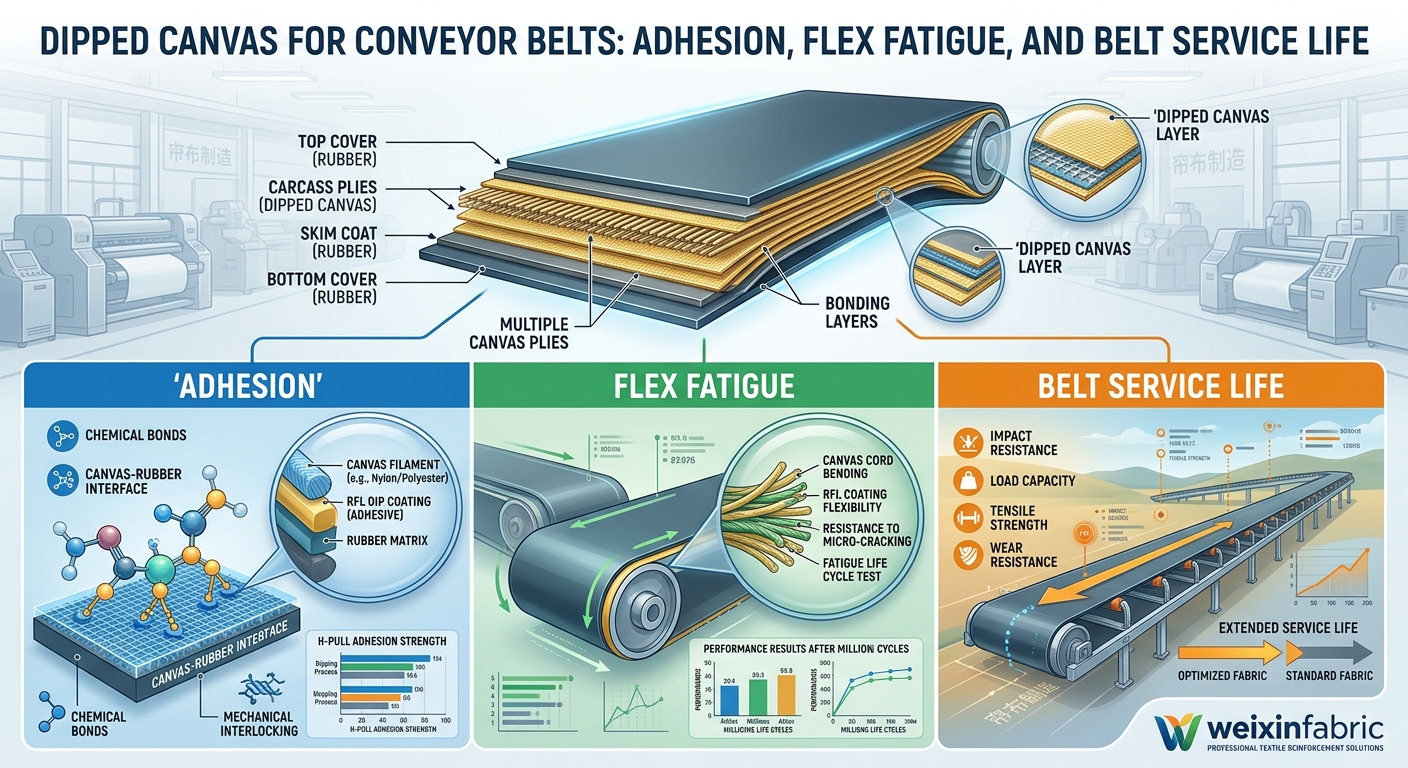
Component Phase Conventional Petrochemical Input Weixin Fabric Biomass-Derived Solution Performance & CO2 Reduction Outcome Polyester Warp Yarns (EP / EE) Fossil-based Mono-Ethylene Glycol (MEG) PET. Bio-MEG Polyester derived from sugarcane biomass (30% bio-content). 30% reduction in cradle-to-gate CO2; identical low elongation and low thermal shrinkage (< 2.2%). Nylon Weft & Warp (PA66 / PA6) Fossil-derived Hexamethylenediamine (HMDA) Polyamide. Bio-PA66 synthesized from bio-succinic acid and castor-oil-derived intermediates. 42% lower carbon footprint; maintains high impact energy absorption and flexing fatigue resistance. Adhesive Dipping Matrix Petrochemical Resorcinol & Synthetic Vinyl Pyridine Latex. Lignin-modified bio-RFL and bio-derived polyglycerol resin activation systems. Eliminates fossil VOCs; achieves rubber-to-fabric peel adhesion force > 14.5 N/mm.
3. Validation Results & Lifecycle Analysis (LCA)
4. Why Partner with Weixin Fabric as Your Sustainable Textile Expert
Conclusion: Decarbonize Your Industrial Belting Lines
Our Expertise – Carcass Fabric & Dipped Fabric Solutions
As a professional manufacturer and solution expert, we specialize in Carcass Fabric for Automotive Tires, Dipped Fabric for Conveyor Belts, Dipped Fabric for Fishing Nets, and Grade C Cord Fabric. With years of R&D and production experience, we provide high-strength, heat-resistant, and durable industrial fabrics tailored to global clients' specific requirements. Our products are widely used in tire reinforcement, conveyor belt carcass, fishing net manufacturing, and other industrial applications. Explore full product range →
Also check our Tire Cord Fabric, Conveyor Belt Dipped Fabric, and Fishing Net Dipped Fabric pages.