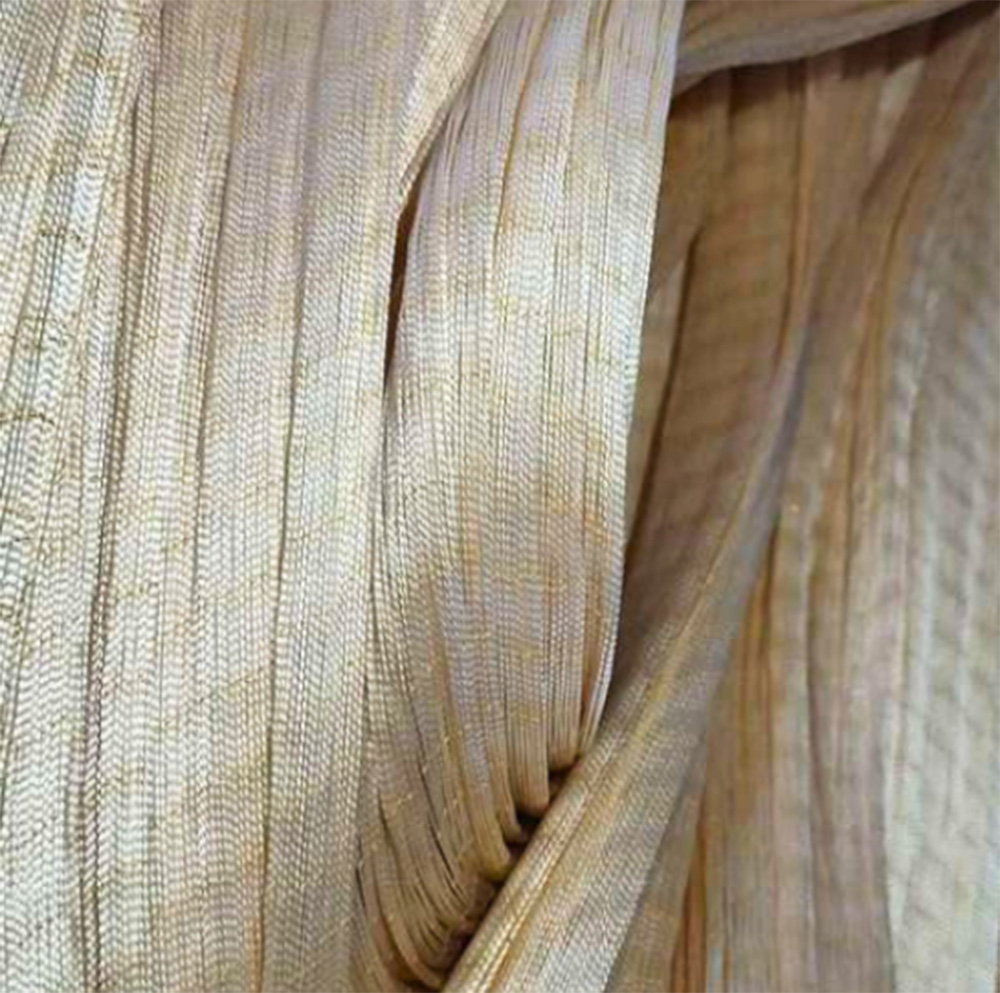
How to Solve Rubber Penetration Issues in Grade C Cord Fabric? A Guide for Procurement Engineers.
For procurement engineers and quality managers in the tyre and industrial belt industries, rubber penetration into cord fabric is one of the most critical — and most frustrating — quality issues. Poor rubber penetration leads to delamination, reduced adhesion, air pockets, and premature product failure. But the root causes are often misunderstood, and solving the problem requires a systematic approach. This guide walks you through the technical drivers of rubber penetration in Grade C cord fabric and provides actionable specifications to ensure you source the right dipped fabric for optimal rubber bonding.
1. Understanding Rubber Penetration in Cord Fabric
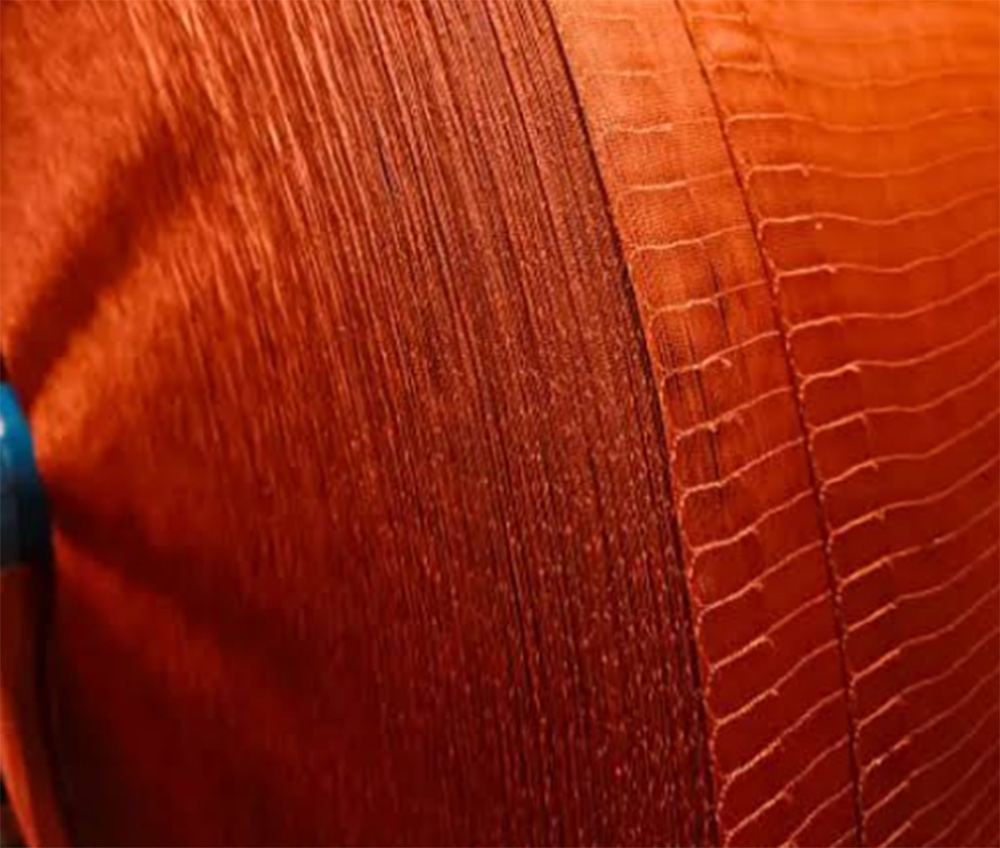
Rubber penetration refers to the ability of uncured rubber compound to flow between and around individual filaments within a cord, and through the weave structure of the fabric. Complete penetration creates a mechanical interlock between rubber and cord, which, combined with chemical adhesion from the RFL dip, provides maximum bond strength. Inadequate penetration leaves voids, dry spots, and weak interfaces that become initiation points for failure under dynamic loading.
2. Root Causes of Poor Rubber Penetration
Rubber penetration is governed by a balance of several factors. Inadequate penetration typically results from one or more of the following:
| Factor | Impact on Penetration | How to Identify |
|---|---|---|
| Insufficient dip pick-up (DPU) | Low DPU leaves bare filaments that repel rubber; high DPU can stiffen cord and reduce flex | Check DPU values (target: 4-8% for polyester, 6-10% for nylon) |
| Non-uniform RFL coating | Irregular dip coverage creates inconsistent surface energy, blocking rubber flow | Cross-section microscopy shows uneven coating thickness |
| Excessive cord twist | High twist reduces void volume, making it difficult for rubber to penetrate between filaments | Twist multiplier > 5.0 often reduces penetration |
| Low surface energy (untreated yarn) | Poor wetting of the cord surface prevents rubber from spreading into the weave | Contact angle measurement > 90° indicates low surface energy |
| Rubber viscosity too high | High compound Mooney viscosity cannot flow into tight cord structures | Check Mooney viscosity vs. fabric construction |
3. Procurement Engineer's Checklist for Specifying Cord Fabric
To ensure optimal rubber penetration, include these requirements in your Grade C cord fabric specifications:
✅ Dip Pick-Up (DPU)
- Polyester: target 4-8%
- Nylon: target 6-10%
- CV ≤ 3% across roll
- Require batch test report
✅ RFL Formulation
- Resorcinol-formaldehyde ratio optimized for polymer
- Latex type compatible with your rubber compound
- Request formulation details
- Verify dry/wet adhesion retention
✅ Cord Construction
- Twist multiplier: 3.5-4.5 for optimal penetration
- Filament count and denier per bundle
- Weave density (ends/cm and picks/cm)
- Require construction certificate
✅ Surface Treatment
- Confirm use of adhesion promoters
- Check for corona or plasma treatment
- Surface energy ≥ 40 dynes/cm
- Ask for wettability test data
4. The Role of RFL Dipping Quality
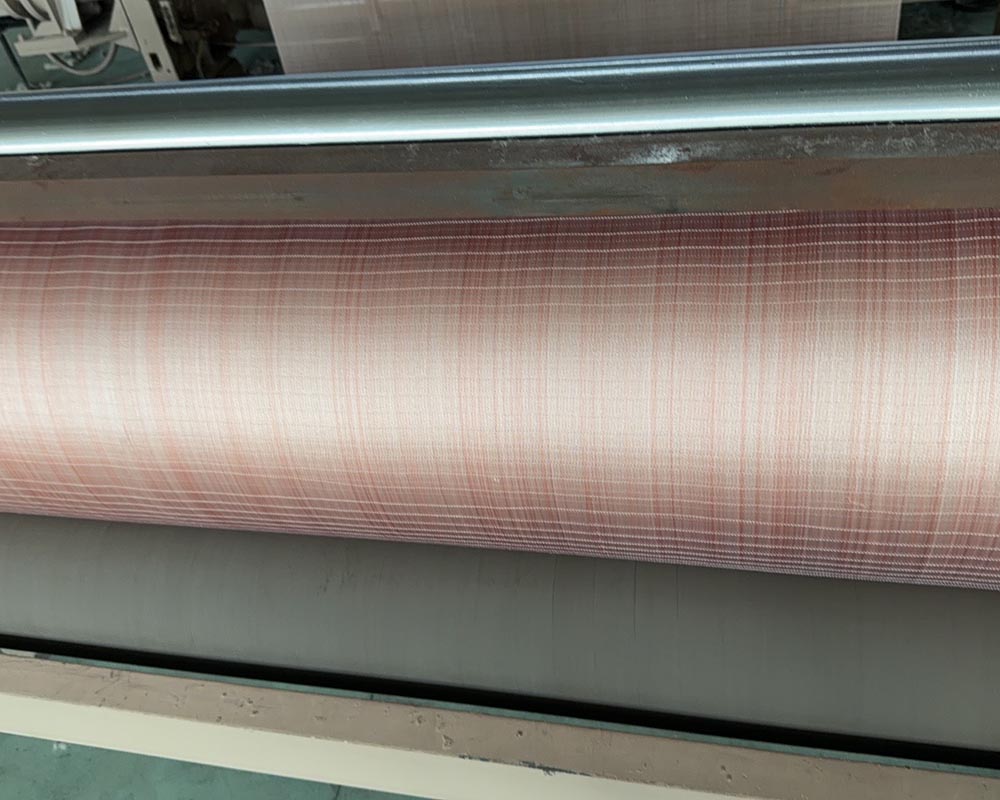
RFL (Resorcinol-Formaldehyde-Latex) dipping is the primary enabler of rubber penetration. A well-controlled dipping line ensures:
- Uniform DPU: Consistent dip pick-up across width and length prevents dry spots.
- Optimal viscosity: The dip must have correct solids content to penetrate cord interstices without excessive buildup.
- Controlled drying: Over-drying reduces surface tack; under-drying leaves solvent residues that block rubber adhesion.
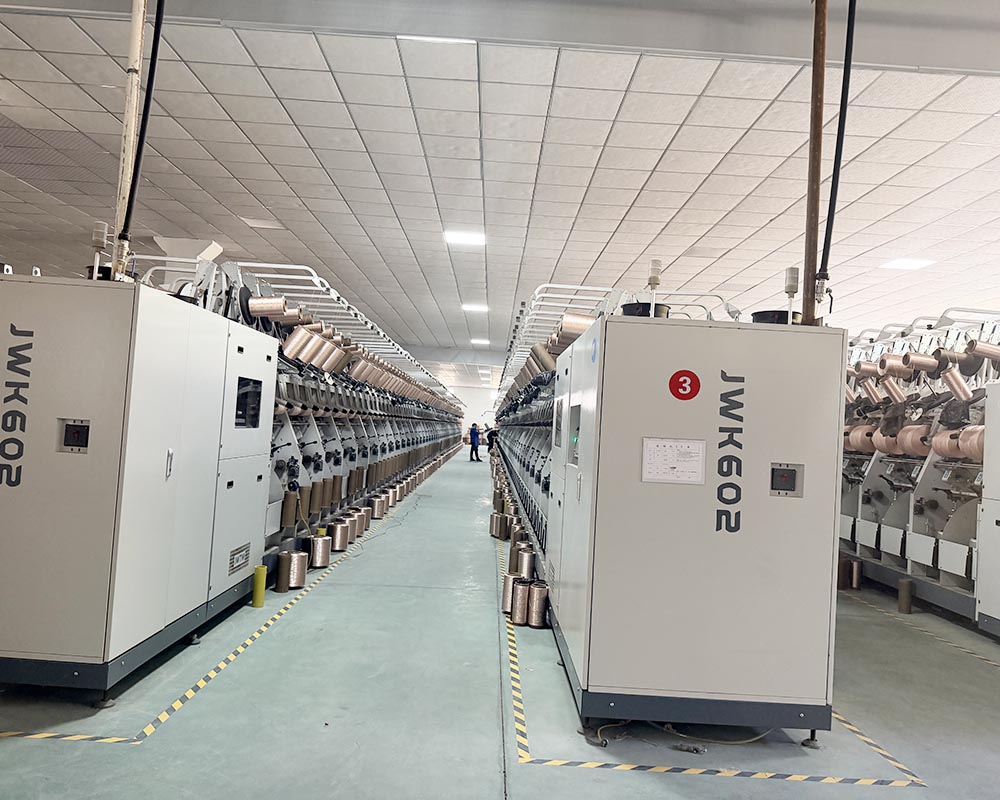
At Weixin Fabric, our dipping line uses closed-loop tension control and real-time DPU monitoring to ensure every meter of Grade C cord fabric achieves the penetration-optimized dip profile.
5. Testing and Validation: What to Ask Your Supplier
When evaluating suppliers, procurement engineers should request the following test results specific to rubber penetration:
- Cross-section microscopy: Images showing rubber penetration depth into the cord structure.
- Adhesion after steam aging: Measures bond retention after moisture exposure — an indirect indicator of penetration quality.
- Dynamic fatigue test: Flex testing that reveals delamination caused by poor penetration.
- DPU distribution chart: Statistical data showing the uniformity of dip pick-up across the roll.
6. Case Example: Solving Penetration Issues at a Conveyor Belt Manufacturer
A European conveyor belt manufacturer experienced recurring delamination between the carcass and rubber cover in their high-tension belts. After analysis, the issue was traced to low DPU (3.2% vs. target 5.5%) and excessive twist (TM 5.8) in their Grade C polyester cord fabric. By revising their specification to require DPU ≥ 5.0% and TM 3.8-4.2, and switching to a supplier with precision tension-controlled dipping, penetration improved from 50% void area to 95% fill. Belt service life increased by 60%, and delamination claims dropped to zero.
7. Why Weixin Fabric Is the Right Partner for Penetration-Optimized Cord Fabric
At Weixin Fabric, we understand that rubber penetration is not a "given" — it's an engineered outcome. Our Grade C cord fabric is produced with:
- Precision tension control ensuring uniform filament spacing for consistent rubber flow.
- Customized RFL formulations matched to your specific rubber compound chemistry.
- 100% batch testing for DPU, adhesion, and penetration (cross-section analysis).
- Full technical support to help you dial in the optimal specification for your application.
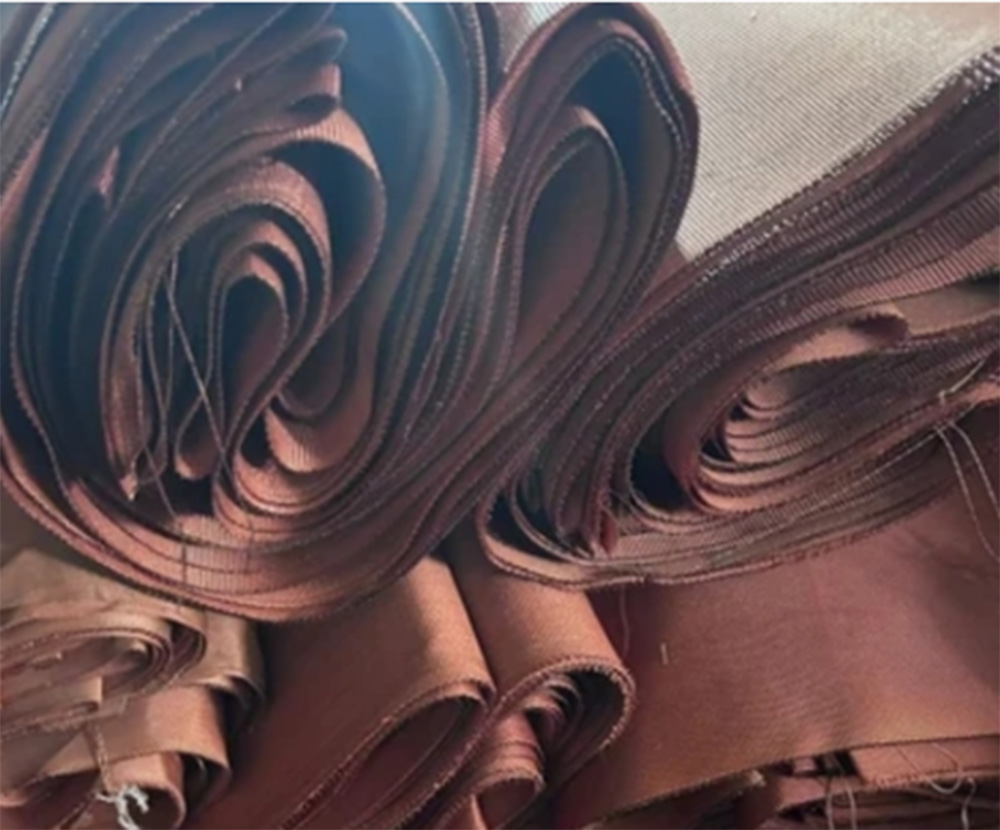
When you specify Grade C cord fabric from Weixin, you're not just buying material — you're buying a penetration guarantee that eliminates the weak spots in your reinforced products.