Engineering Creep Out of Rubber Products: The Low-Stretch Advantage of Weixin Dipped Polyester Rope
In rubber products that operate under sustained tension — conveyor belts, air springs, rubber tracks, and hydraulic hoses — creep is a silent performance killer. Over time, tensile members stretch, belt length increases, tension relaxes, and products fail to maintain their intended function. The result: premature replacement, unplanned downtime, and higher total cost of ownership.
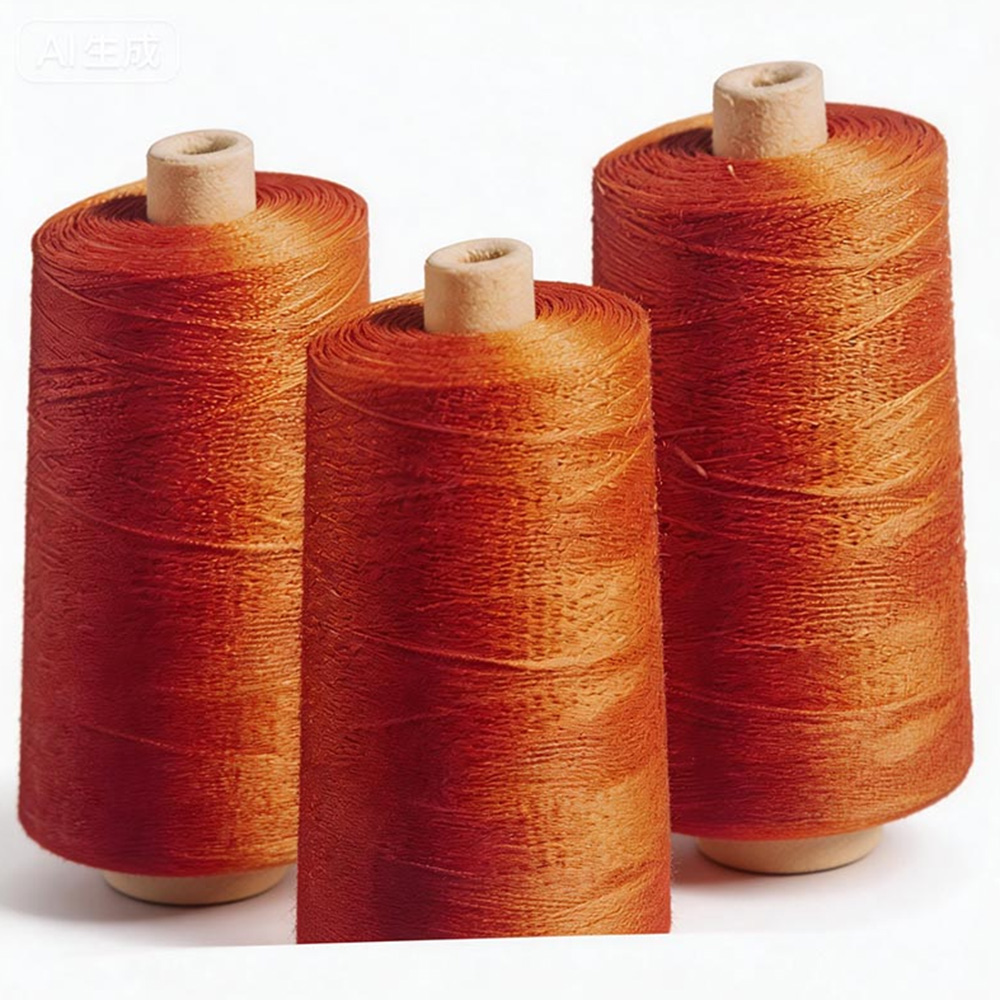
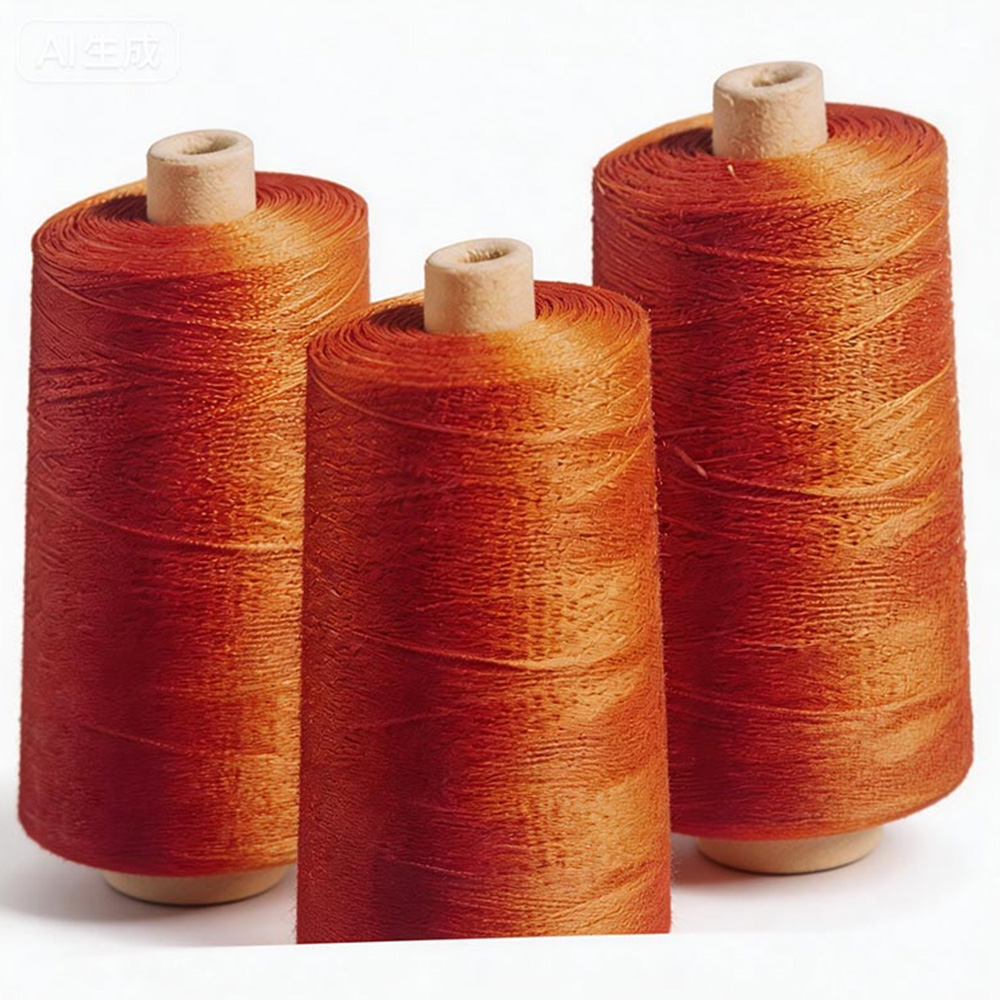
At Weixin, we have engineered creep out of rubber reinforcement. Our dipped polyester rope delivers the low-stretch advantage that rubber manufacturers need for long-term dimensional stability. By combining high-tenacity polyester yarn with precision RFL dipping and heat-setting, we produce a tensile member that resists creep over years of continuous service.
Understanding Creep in Rubber Reinforcement
Creep is the time-dependent, permanent deformation of a material under sustained load. For tensile members embedded in rubber:
Initial elongation occurs immediately under load (elastic + immediate creep)
Primary creep happens over weeks or months (decelerating)
Secondary creep continues at a steady rate (linear)
Tertiary creep accelerates before failure
Untreated polyester yarn or poorly processed cord can exhibit 2–4% creep within the first year of service. In a 100-meter conveyor belt, that means 2–4 meters of unwanted stretch — enough to require tensioning adjustments or belt replacement.
Weixin dipped polyester rope reduces creep to less than 0.5% under equivalent conditions.
Why Low Stretch Matters
| Application | Consequence of High Creep | Benefit of Low Stretch |
|---|---|---|
| Conveyor belts | Belt elongation, pulley slippage, take-up travel exhaustion | Stable belt length, fewer tension adjustments |
| Air springs | Height change, ride quality degradation | Consistent ride height, longer life |
| Rubber tracks | Track loosening, detachment risk | Reliable tension, extended track life |
| Hydraulic hoses | Length growth, installation issues | Stable dimensions, predictable routing |
| Timing belts | Timing loss, camshaft misalignment | Precise synchronization, engine reliability |
Low stretch is not just about maintaining length. It preserves clamping force, alignment, and dynamic performance over the entire service life.
How Weixin Engineers Creep Out of Polyester Rope
Creep resistance is not an accident. It is engineered into every step of our manufacturing process.
1. High-Tenacity, Low-Creep Yarn Selection
We start with premium heat-stabilized polyester yarns specifically selected for low creep characteristics. Not all polyester behaves the same. Our yarns maintain molecular orientation under long-term tension.
2. Controlled Twisting and Cabling
Twist level directly affects creep. Under-twisted rope stretches. Over-twisted rope loses strength. Weixin applies precision twist control to balance break strength, elongation, and creep resistance.
3. RFL Dipping for Bundle Integrity
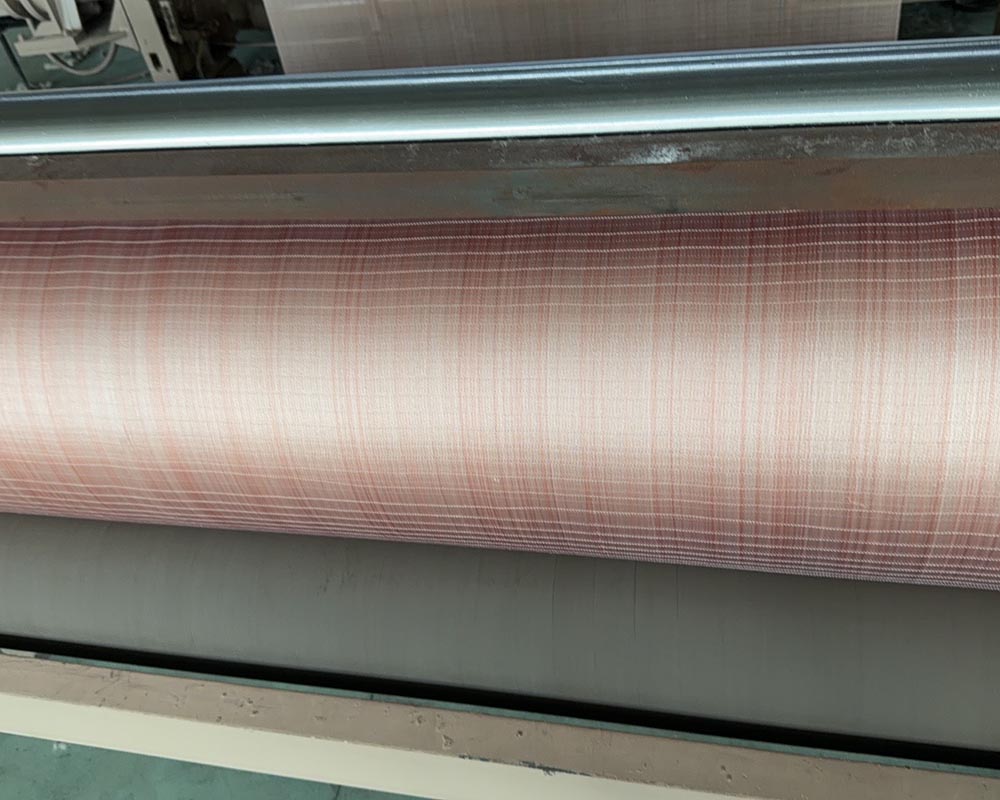
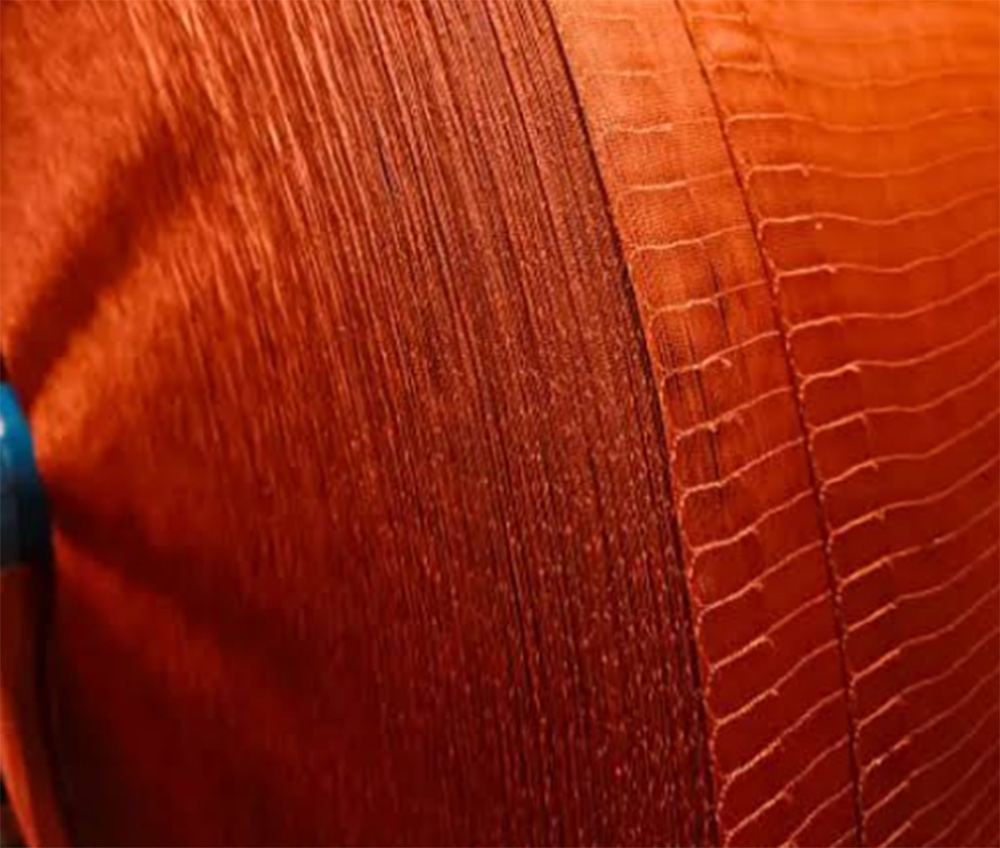
The RFL (resorcinol-formaldehyde-latex) dip penetrates the rope structure, bonding individual fibers into a cohesive load-sharing bundle. This prevents fiber-to-fiber slip — a major source of creep in untreated ropes.
4. Multi-Zone Heat-Setting
Heat-setting locks the molecular structure of the polyester under controlled tension and temperature. This removes residual stresses that would otherwise manifest as creep over time. Our multi-zone ovens ensure uniform treatment along the entire rope length.
5. Finished Creep Testing
Every batch undergoes accelerated creep testing to validate long-term performance. We measure elongation at 30% of breaking load over 100 hours, 500 hours, and extrapolate to service life.
Technical Specifications: Weixin Dipped Polyester Rope
| Parameter | Typical Value |
|---|---|
| Breaking strength | 800 – 8,000 N (depending on diameter) |
| Creep (1 year at 30% breaking load) | < 0.5% |
| Thermal shrinkage (177°C, 2 min) | 0.3 – 0.8% |
| Elongation at break | 12 – 16% |
| Adhesion to rubber (H-pull) | ≥ 100 N/cm |
| Service temperature range | -40°C to +150°C |
Custom specifications available upon request.
Comparison: Weixin Dipped Polyester Rope vs. Standard Options
| Property | Standard Untreated Polyester Rope | Standard Dipped Polyester Rope | Weixin Low-Creep Dipped Polyester Rope |
|---|---|---|---|
| Creep (1 year) | 2.5 – 4.0% | 1.0 – 1.8% | < 0.5% |
| Adhesion to rubber | None – poor | Good | Excellent |
| Thermal shrinkage | 2.0 – 3.5% | 0.8 – 1.5% | 0.3 – 0.8% |
| Flex fatigue life (relative) | 1x | 3x | 5x |
| Strength retention (moist conditions) | 80 – 85% | 90 – 95% | > 95% |
Weixin rope does not just meet industry standards. It establishes a higher standard for low-stretch performance.
Applications Benefiting from Low Creep
Conveyor Belt Tensile Members
Long overland conveyors demand minimal stretch. Weixin dipped polyester rope ensures belt length remains stable, reducing take-up travel requirements and tensioning maintenance intervals.
Air Spring Reinforcement
Air springs flex through millions of cycles. Creep in the reinforcement changes spring rate and ride height. Weixin rope maintains original dimensions across years of service.
Rubber Track Carcass
Agricultural and construction tracks operate under constant tension. Creep leads to track loosening and potential derailment. Weixin low-creep rope provides reliable tension retention.
Hydraulic and Pneumatic Hose Cord
Hose length stability matters for assembly routing. Creep causes hoses to bulge or grow, interfering with surrounding components. Weixin rope eliminates length change.
V-Ribbed and Timing Belts
Engine timing belts cannot stretch. Even 0.5% creep can shift cam timing. Weixin rope meets the zero-tolerance requirement for critical power transmission.
The Science: Why Heat-Setting Controls Creep
Polyester fibers are semi-crystalline polymers. Drawing and heat-setting increase crystallinity and align molecular chains in the direction of load. This orientation resists chain slippage — the molecular mechanism of creep.
Weixin applies:
Controlled drawing ratios during yarn production
Tension-controlled heat-setting after dipping
Slow cooling to lock the oriented structure
Without proper heat-setting, residual stresses relax over time as creep. With Weixin processing, creep is engineered out before the rope reaches your production line.
Case Example: Overland Conveyor Belt — 5 Years Without Tension Adjustment
An overland conveyor belt manufacturer faced monthly tension adjustments due to rope creep. The belt carried aggregate over 3.5 kilometers. Standard polyester rope stretched 1.2% in the first six months, exhausting the take-up pulley travel.
Weixin replaced the rope with our low-creep dipped polyester rope. After five years of continuous operation:
Creep measured at 0.4%
No tension adjustment required beyond initial installation
Belt tracking remained within specification
Estimated maintenance savings: over 150 labor hours per year
The customer retrofitted all subsequent belts with Weixin rope.
Quality Assurance and Traceability
Every Weixin dipped polyester rope shipment includes:
Batch-specific creep test data
Tensile strength and elongation certificates
Thermal shrinkage results
Adhesion pull-out values
Traceability code linking to raw yarn lot and production parameters
Weixin operates full-chain quality control from yarn to finished rope.
Why Choose Weixin for Low-Creep Reinforcement
Engineered creep below 0.5% — not just claimed, but tested
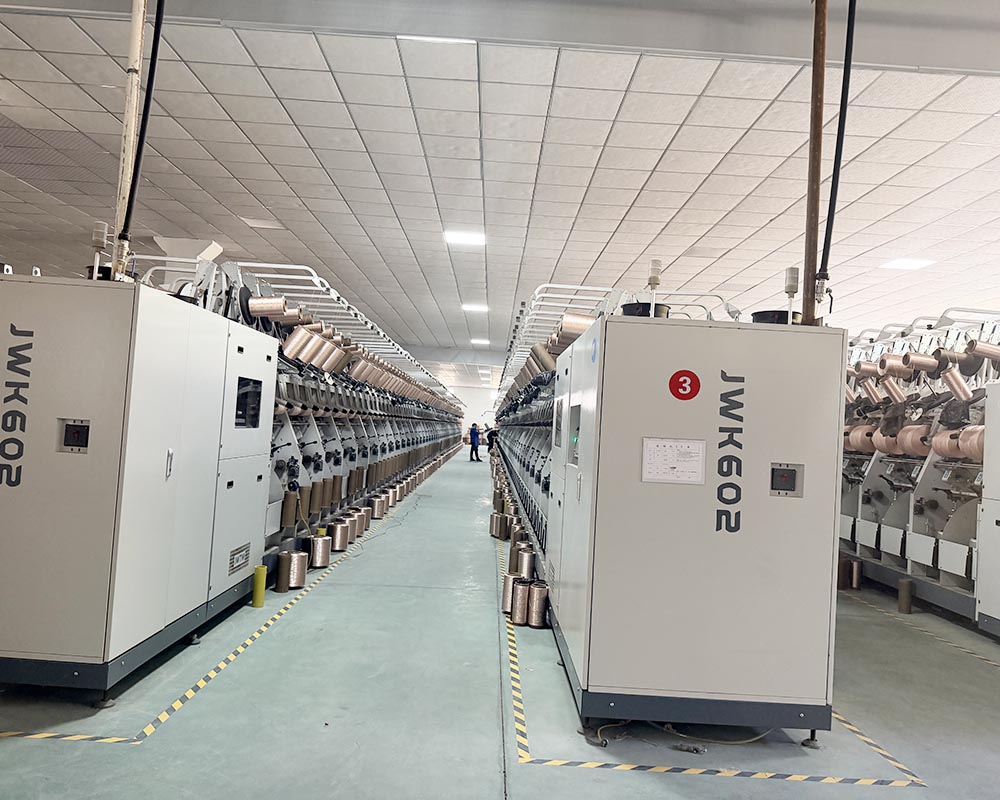
Integrated manufacturing: yarn processing, dipping, heat-setting under one roof
Technical support for rope selection and application design
Bulk customization: diameters, twist levels, packaging, and dip formulations
Proven track record in conveyors, air springs, rubber tracks, and hoses
Conclusion
Creep is not inevitable. It can be engineered out through careful material selection, precision RFL dipping, and controlled heat-setting. Weixin dipped polyester rope delivers the low-stretch advantage — less than 0.5% creep over one year of sustained tension.
For rubber products that must maintain dimension, tension, and performance over years of service, choose Weixin. Specify low-creep dipped polyester rope.
Contact Weixin today to discuss your tensile reinforcement requirements or request samples for creep testing validation.
Our Expertise – Carcass Fabric & Dipped Fabric Solutions
As a professional manufacturer and solution expert, we specialize in Carcass Fabric for Automotive Tires, Dipped Fabric for Conveyor Belts, Dipped Fabric for Fishing Nets, and Grade C Cord Fabric. With years of R&D and production experience, we provide high-strength, heat-resistant, and durable industrial fabrics tailored to global clients' specific requirements. Our products are widely used in tire reinforcement, conveyor belt carcass, fishing net manufacturing, and other industrial applications. Explore full product range →
Also check our Tire Cord Fabric, Conveyor Belt Dipped Fabric, and Fishing Net Dipped Fabric pages.