Tensile Reinforcement That Lasts: Why Dipped Polyester Cord Outperforms Untreated Yarn in Rubber
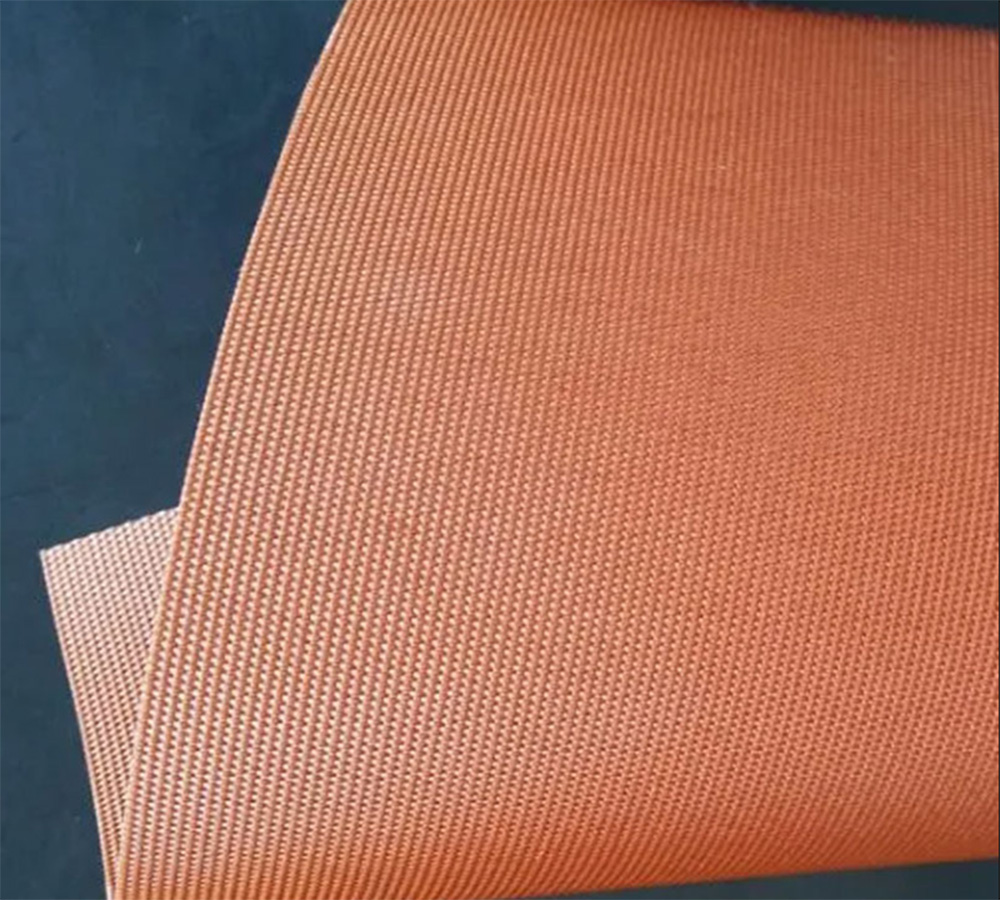
In rubber reinforcement applications — from conveyor belts and hoses to tires and air springs — the bond between tensile member and rubber matrix determines product life. Untreated polyester yarn may offer high initial strength, but it fails where it matters most: adhesion, durability, and long-term stability under dynamic stress.
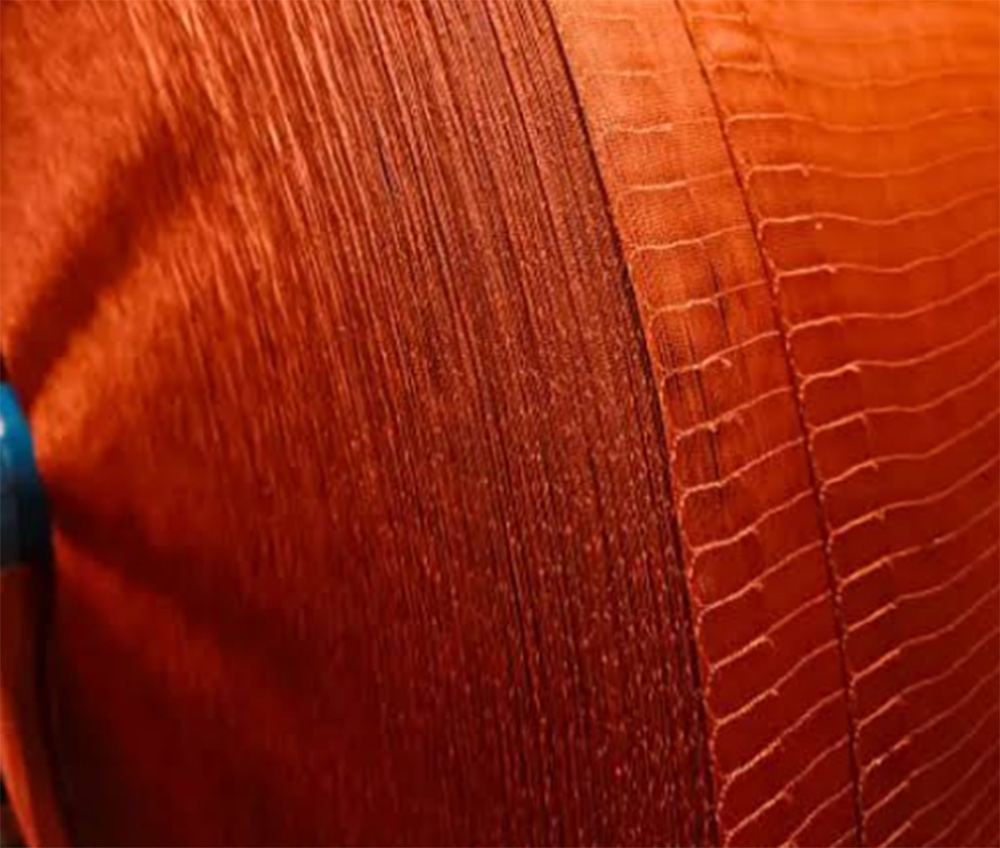
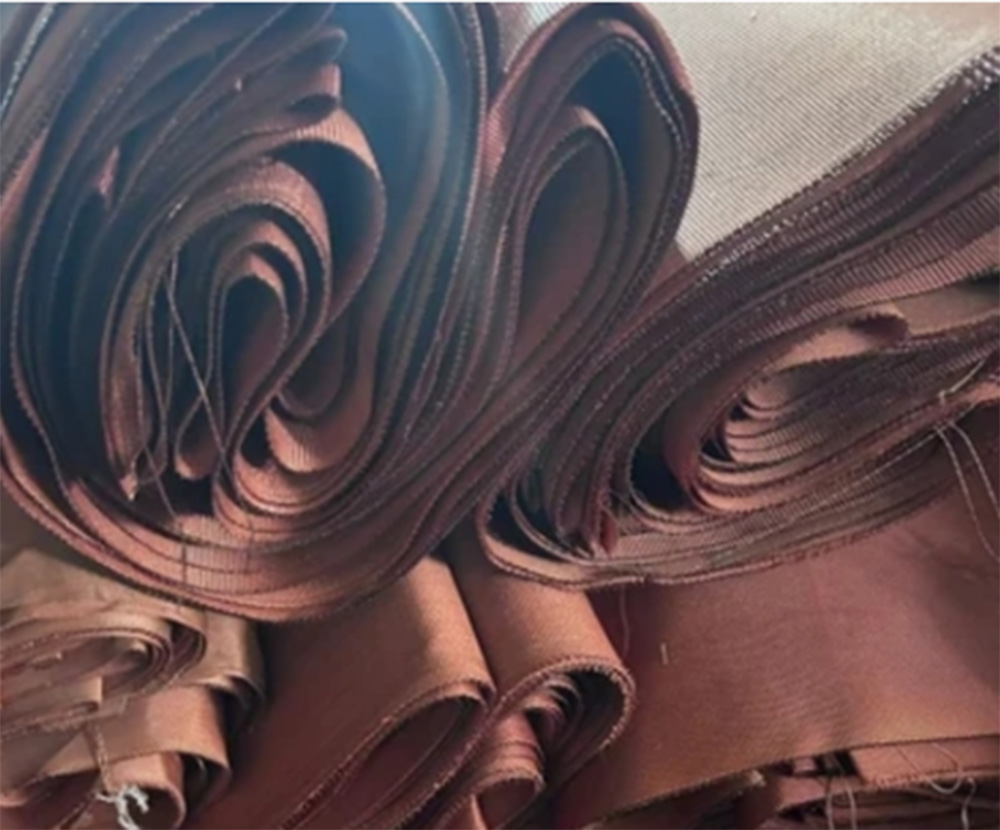
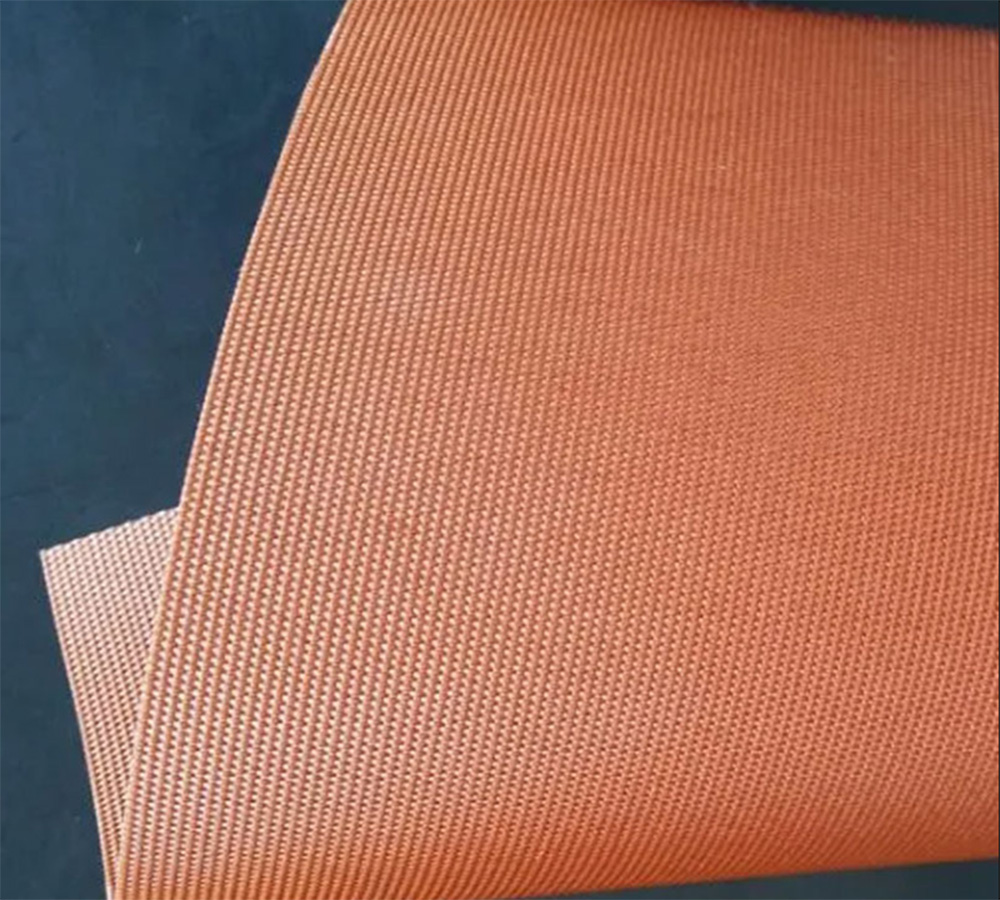
At Weixin, our dipped polyester cord is engineered specifically for rubber reinforcement. Through precision RFL dipping and heat-setting, we transform raw polyester into a tensile reinforcement that lasts — outperforming untreated yarn in every meaningful way.
The Fundamental Problem with Untreated Yarn in Rubber
Untreated polyester yarn is hydrophobic and chemically inert. When embedded directly into rubber:
Poor adhesion – The yarn slips within the rubber matrix under load
No chemical bonding – Only mechanical friction holds it in place
Rapid strength loss – Flexing and heat cause fiber-to-fiber abrasion
Moisture susceptibility – Even low humidity degrades long-term performance
The result: premature delamination, tensile member pull-out, and field failures.
How Dipping Transforms Polyester Cord
The RFL (resorcinol-formaldehyde-latex) dipping process creates a chemical bridge between polyester and rubber.
| Property | Untreated Yarn | Weixin Dipped Cord |
|---|---|---|
| Adhesion to rubber | Very low (mechanical only) | High (chemical + mechanical) |
| Pull-out resistance | Poor | Excellent |
| Flex fatigue life | Short | Long |
| Thermal stability | Low | High |
| Moisture resistance | Moderate | Excellent |
| Strength retention in rubber | Degrades rapidly | Maintained |
Why Weixin Dipped Polyester Cord Outperforms
1. Engineered Adhesion
The RFL dip formulation is customized to your specific rubber compound (NR, SBR, EPDM, NBR, etc.). We achieve H-pull adhesion values consistently above 120 N/cm — far beyond what untreated yarn can provide.
2. Fatigue Resistance That Lasts
Untreated yarn frays under dynamic flexing as fibers abrade against each other. Our dipping process lubricates and bonds the fiber bundle, reducing internal friction and extending fatigue life by 3 to 5 times.
3. Thermal Dimensional Stability
During rubber vulcanization (typically 150–180°C), untreated yarn shrinks and loses orientation. Weixin dipped cord is heat-set to achieve low thermal shrinkage (0.3–1.0%), ensuring your cured product maintains dimensional accuracy.
4. Creep Resistance Under Sustained Load
Rubber products under constant tension — conveyor belts, air springs — demand low creep. Weixin dipped cord retains its length and tension over years of service. Untreated yarn stretches and relaxes.
Key Applications Where Dipped Cord Makes the Difference
| Application | Why Dipped Cord is Essential |
|---|---|
| Conveyor belts | Prevents carcass ply separation under impact and tension |
| Hydraulic hoses | Maintains burst pressure integrity through chemical adhesion |
| Air springs | Delivers creep-free performance over millions of cycles |
| Rubber tracks | Withstands flex, impact, and heat without delamination |
| V-ribbed belts | Ensures length stability under engine hood temperatures |
| Tire carcass | Bonds permanently to rubber compounds during curing |
Technical Comparison: Weixin Dipped vs. Untreated
| Metric | Untreated Polyester Yarn | Weixin Dipped Polyester Cord |
|---|---|---|
| Adhesion (H-pull) | < 30 N/cm | ≥ 120 N/cm |
| Thermal shrinkage (177°C) | 2.0–3.5% | 0.3–1.0% |
| Flex fatigue (million cycles to failure) | 0.5–1.0 | 3.0–5.0 |
| Creep (1 year at 30% breaking load) | 2–4% | < 0.5% |
| Moisture strength retention | 80–85% | > 95% |
The Weixin Manufacturing Difference
Our dipped polyester cord is produced on an integrated line:
Yarn selection – High-tenacity, heat-stabilized polyester
Twisting and cabling – Controlled twist for optimal strength and elongation
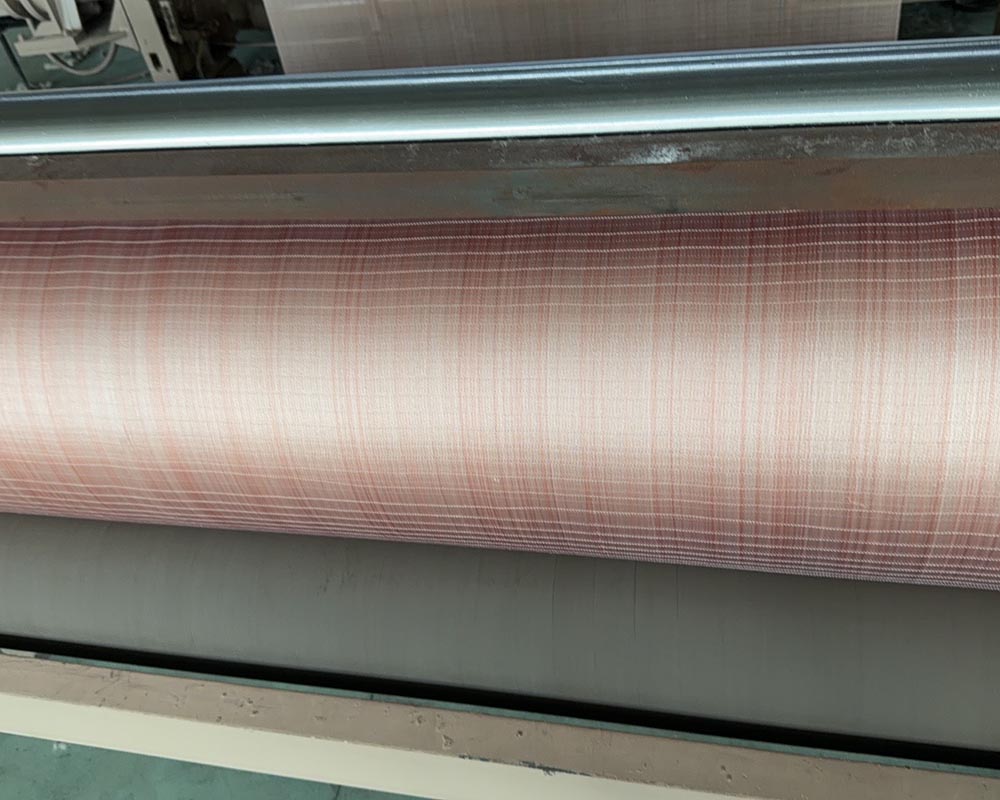
RFL dipping – Precision dip formulation and pick-up control
Multi-zone heat-setting – Locks in modulus, shrinkage, and dimensional stability
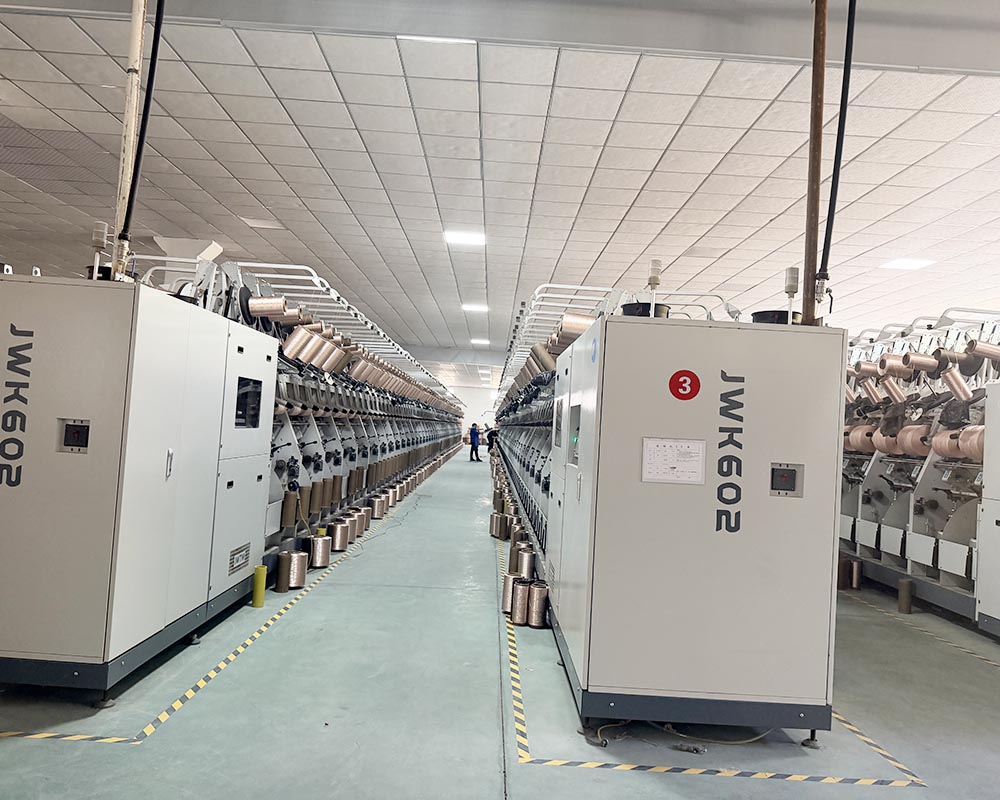
Final testing – Tensile, adhesion, shrinkage, and fatigue validation
Every batch is traceable to raw material lots and production parameters.
Case Example: Conveyor Belt Manufacturer Reduces Ply Separation
A conveyor belt manufacturer experienced ply separation after 8–10 months of operation using untreated polyester cord. Switching to Weixin dipped polyester cord eliminated separation completely. After 24 months of continuous service, no adhesion failure was observed. The belt remained in service with original integrity.
Conclusion
For rubber reinforcement that lasts — under tension, heat, flex, and time — untreated yarn is a compromise you cannot afford. Weixin dipped polyester cord delivers engineered adhesion, fatigue resistance, thermal stability, and low creep. It is tensile reinforcement designed to perform for the long haul.
Choose Weixin. Specify dipped polyester cord for your rubber products.
Contact Weixin today to discuss your tensile reinforcement requirements or request samples for testing.
Our Expertise – Carcass Fabric & Dipped Fabric Solutions
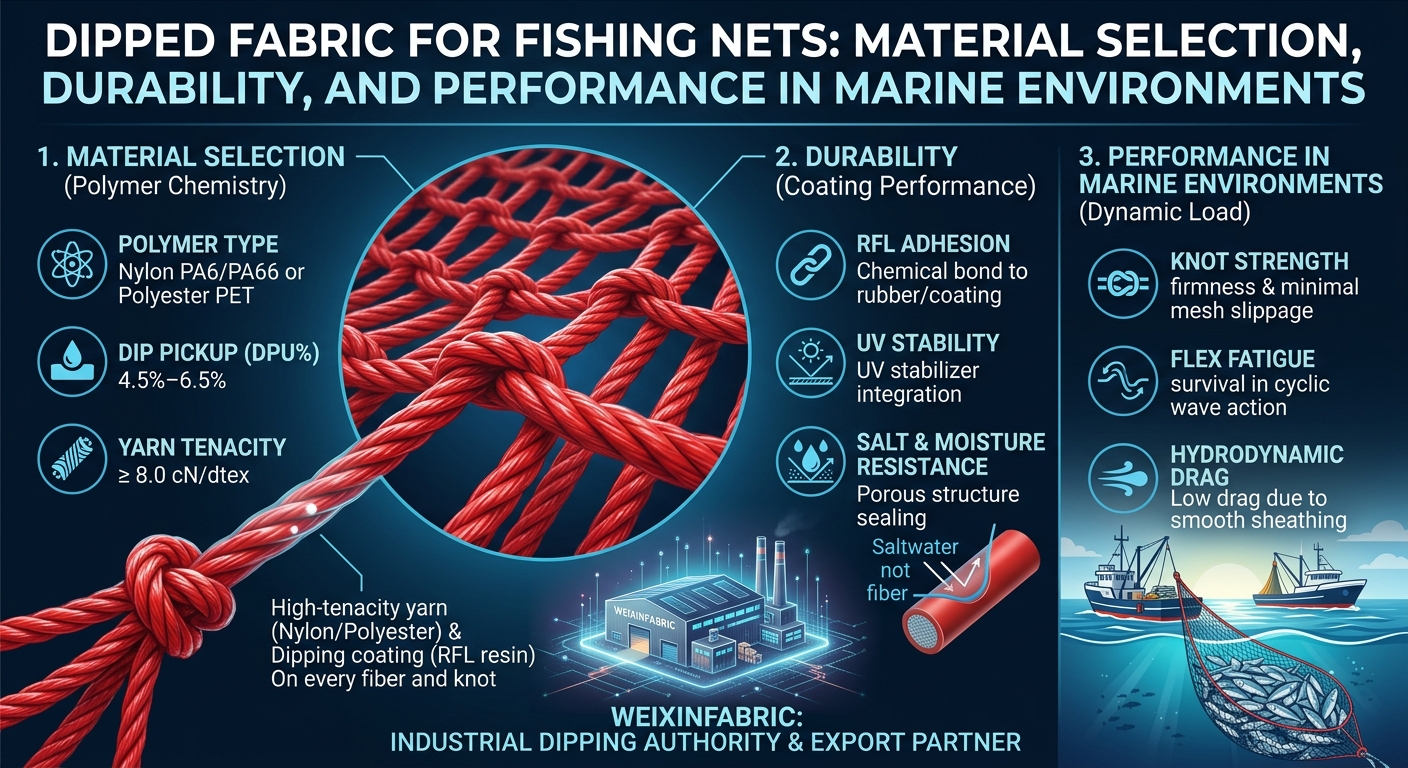
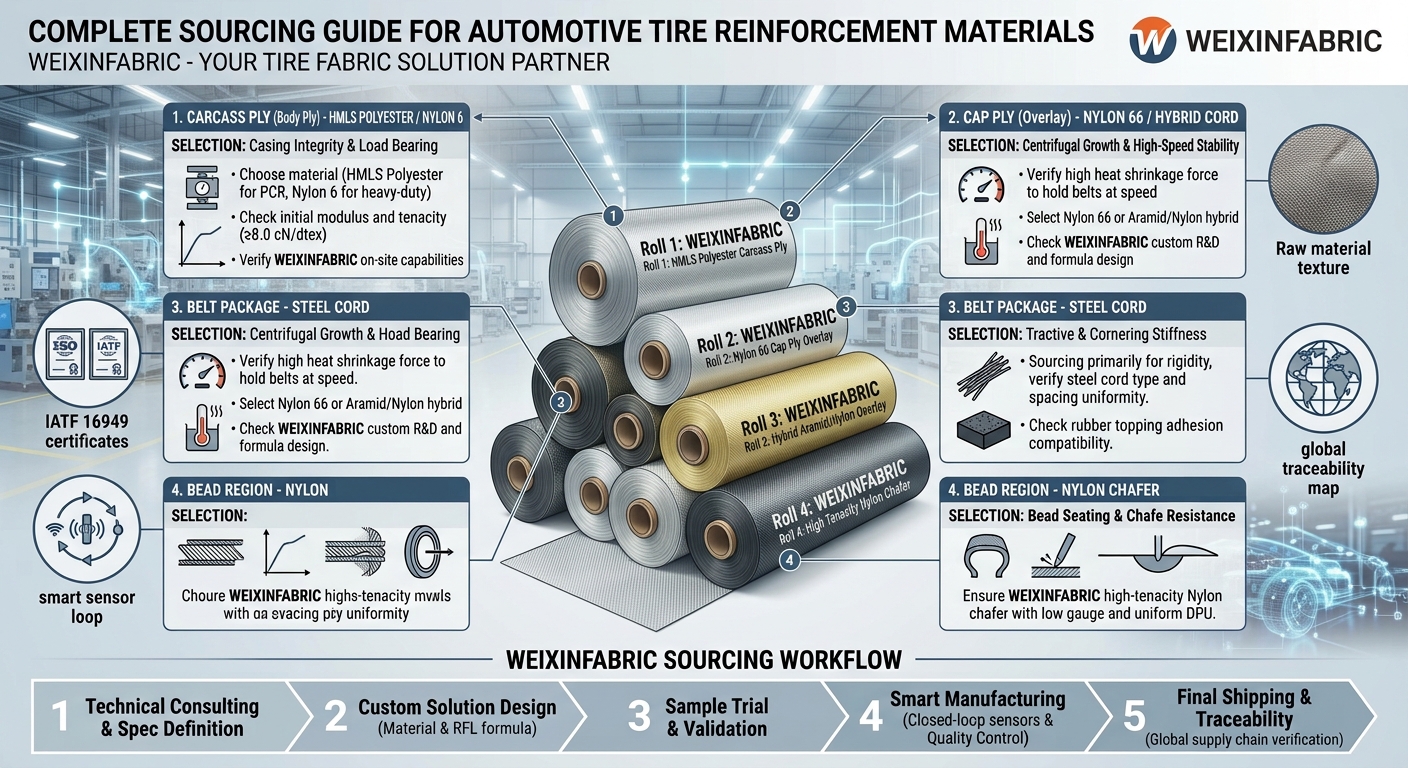
As a professional manufacturer and solution expert, we specialize in Carcass Fabric for Automotive Tires, Dipped Fabric for Conveyor Belts, Dipped Fabric for Fishing Nets, and Grade C Cord Fabric. With years of R&D and production experience, we provide high-strength, heat-resistant, and durable industrial fabrics tailored to global clients' specific requirements. Our products are widely used in tire reinforcement, conveyor belt carcass, fishing net manufacturing, and other industrial applications. Explore full product range →
Also check our Tire Cord Fabric, Conveyor Belt Dipped Fabric, and Fishing Net Dipped Fabric pages.