Seam Strength Under Fire: Selecting Heat-Resistant Thread for Rubber Curing and Hot Air Filtration
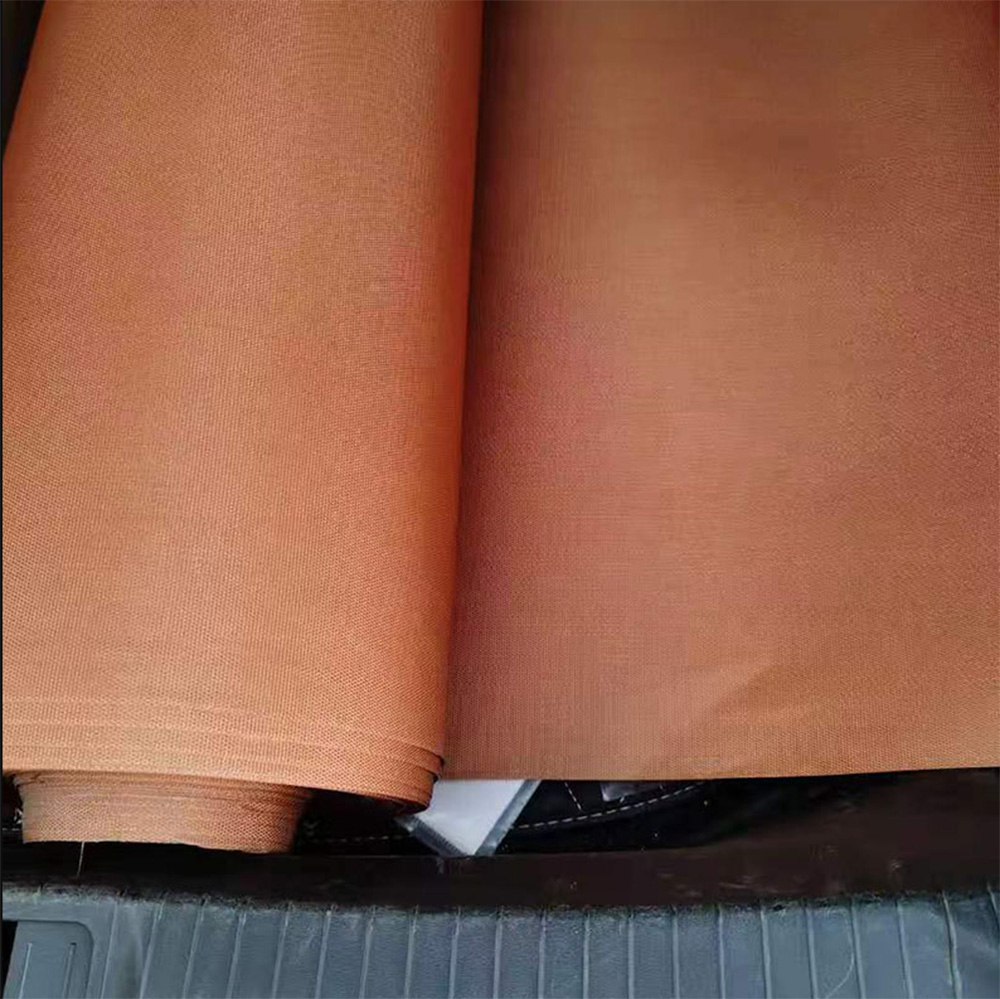
In rubber curing and hot air filtration applications, seams face an unforgiving environment. Temperatures routinely exceed 150°C. Steam, chemicals, and mechanical flexing attack every stitch. Standard sewing thread softens, shrinks, or embrittles — and when seams fail, products fail.
At Weixin, we manufacture heat-resistant sewing threads specifically engineered for these extreme conditions. Whether you are sewing rubber curing bags, filter bags for hot gas filtration, or heat-resistant conveyor belt edges, our threads maintain seam strength under fire.
This guide explains how to select the right heat-resistant thread for your application and why Weixin threads outperform standard options.
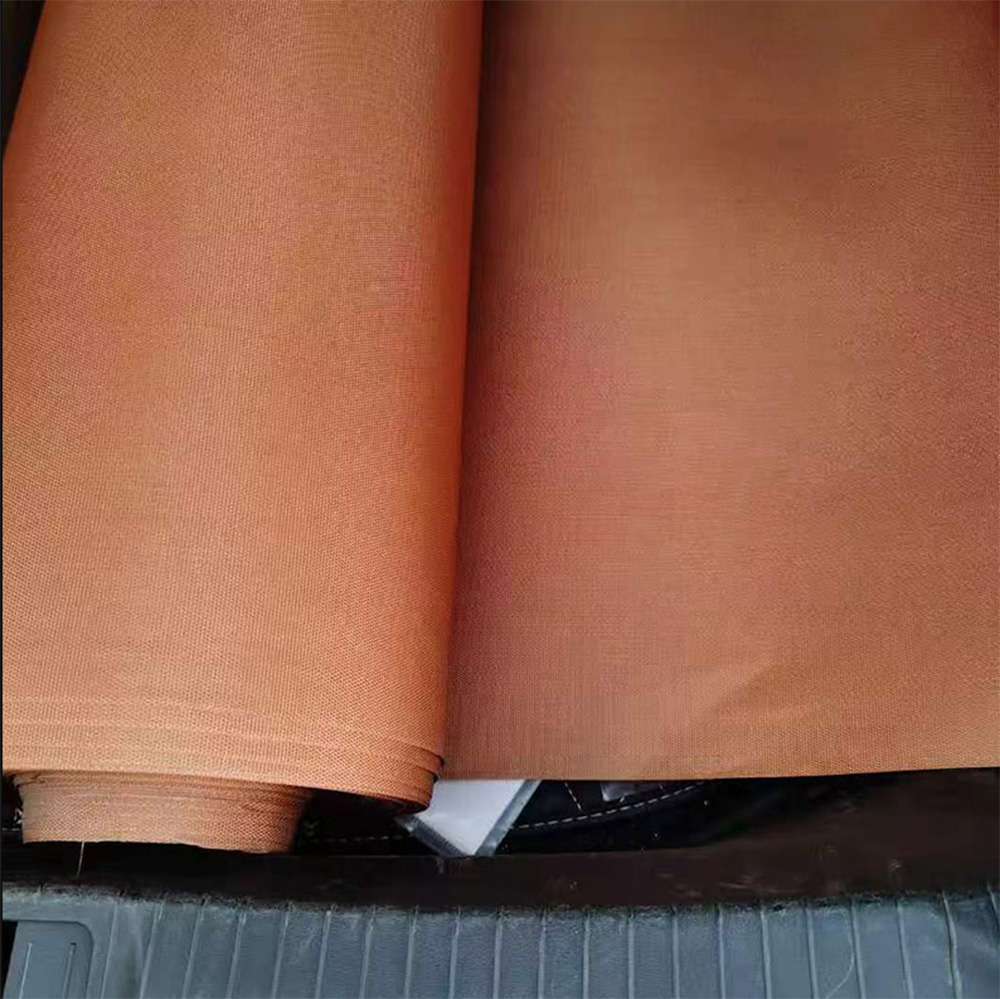
The Challenge: Heat as a Thread Destroyer
Heat attacks sewing thread through multiple mechanisms:
| Failure Mode | Description | Result |
|---|---|---|
| Thermal softening | Polymer chains lose rigidity above glass transition temperature | Seam elongation under load |
| Melting | Thread liquefies at melting temperature (Tm) | Catastrophic seam opening |
| Thermal shrinkage | Fibers contract when heated | Seam puckering, fabric distortion |
| Oxidative embrittlement | Heat + oxygen degrades molecular chains | Thread becomes brittle, snaps under flex |
| Hydrolysis | Heat + moisture cleaves polyester chains | Strength loss, powdering |
A thread that survives one of these attacks may fail from another. Weixin heat-resistant threads are formulated to resist all five.
Key Applications for Heat-Resistant Thread
Rubber Curing Bags and Bladders
Curing bags inflate inside green tires during vulcanization. Exposure: 150–180°C steam, repeated inflation cycles, contact with uncured rubber.
Seam requirement: Must retain ≥ 80% of strength after hundreds of curing cycles.
Hot Air Filtration Bags
Filter bags capture particulate from hot gas streams — cement kilns, asphalt plants, incinerators. Exposure: 120–200°C continuous, occasional spikes to 220°C, plus abrasive dust.
Seam requirement: No seam slippage or thread embrittlement over 6–12 month service life.
Conveyor Belt Edge Stitching
Belt edges are stitched to prevent fraying and moisture ingress. Exposure: vulcanization heat during manufacturing, then continuous flexing and abrasion.
Seam requirement: Thread must survive vulcanization (150–170°C) and remain flexible for belt life.
Oven and Dryer Fabrics
Textile conveyor belts for food drying, heat treatment, and industrial ovens. Exposure: 120–200°C dry heat, continuous running.
Seam requirement: Heat-stable, low-shrinkage, and resistant to wear.
Thread Types for Heat-Resistant Applications
Weixin offers three heat-resistant thread families. Selection depends on your maximum service temperature and environment.
| Thread Type | Continuous Service Temp | Peak Short-Term Temp | Key Characteristics |
|---|---|---|---|
| Heat-stabilized polyester | 140–160°C | 180°C | Low shrinkage, good strength retention, cost-effective |
| Heat-resistant nylon (specialty) | 120–140°C | 160°C | High toughness, good for dynamic seams |
| PTFE / modified blends | 200–250°C | 280°C | Excellent chemical and heat resistance, higher cost |
Weixin Heat-Stabilized Polyester (Recommended for most rubber curing and hot air filtration)
Thermally stabilized during manufacturing to reduce shrinkage
Retains ≥ 85% of tensile strength after 177°C exposure
Resists embrittlement from oxidative aging
Available in bonded or non-bonded versions
Colors: white, black, or custom
Critical Selection Criteria
1. Thermal Shrinkage
Standard polyester thread shrinks 2–4% at 177°C. Weixin heat-stabilized polyester thread shrinks less than 1%. Low shrinkage prevents:
Seam puckering and fabric distortion
Tension loss in sewn assemblies
Dimensional mismatch in composite products
2. Strength Retention After Heat Exposure
Heat resistance is not about surviving one hour. It is about retaining strength after weeks or months at temperature.
| Test Condition | Standard Polyester | Weixin Heat-Stabilized Polyester |
|---|---|---|
| Strength before exposure | 100% (baseline) | 100% (baseline) |
| After 24 hours at 160°C | 65–75% | 90–95% |
| After 7 days at 160°C | 40–50% | 80–85% |
| After 30 days at 160°C | < 30% | 70–75% |
Weixin heat-resistant thread provides predictable, long-term performance — not just initial survival.
3. Needle Heat Resistance during Sewing
Paradoxically, the sewing process itself generates heat. At high speeds (3,000–5,000 stitches/min), needle temperature can reach 200–250°C.
Weixin bonded heat-resistant thread features:
Low-friction coating to reduce needle heating
Higher melting point than standard polyester
Reduced thread melting or sticking in the needle eye
4. Resistance to Hydrolysis (for steam curing)
In rubber curing bags, steam hydrolyzes polyester. Standard polyester loses 50% of strength after 100 hours at 150°C steam.
Weixin hydrolysis-resistant grades incorporate additives that slow chain scission, extending service life by 3–5x.
Technical Specifications: Weixin Heat-Resistant Sewing Thread
| Parameter | Heat-Stabilized Polyester | Hydrolysis-Resistant Grade |
|---|---|---|
| Continuous service temp | 140–160°C | 140–160°C |
| Peak temp tolerance | 180°C | 180°C |
| Thermal shrinkage (177°C) | ≤ 1.0% | ≤ 1.0% |
| Strength retention (7 days at 160°C dry) | ≥ 80% | ≥ 85% |
| Strength retention (100 hours steam at 150°C) | 50–60% | 80–85% |
| Available tex range | Tex 30 – Tex 135 | Tex 40 – Tex 105 |
| Bonded option | Yes | Yes |
Application Selection Guide
| Application | Recommended Weixin Thread | Key Priority |
|---|---|---|
| Rubber curing bags (steam) | Hydrolysis-resistant polyester | Steam resistance, low shrinkage |
| Tire curing bladders | Heat-stabilized polyester | Fatigue resistance, adhesion to rubber |
| Hot air filter bags (160°C) | Heat-stabilized polyester | Strength retention, shrinkage |
| Hot air filter bags (200°C) | PTFE / modified blend | High-temperature survival |
| Conveyor belt edge stitching | Heat-stabilized bonded polyester | Needle heat resistance, abrasion |
| Oven dryer fabrics | Heat-stabilized polyester | Low shrinkage, wear resistance |
| Heat-resistant protective clothing | Heat-stabilized or PTFE | Flame retardance, heat blocking |
Case Example: Extending Rubber Curing Bag Life
A tire manufacturer experienced curing bag seam failure after 80–100 cycles. The existing polyester thread became brittle and cracked. Seam replacement cost was significant, and bag life was too short.
Weixin supplied hydrolysis-resistant heat-stabilized polyester thread with low shrinkage and steam resistance. Results:
Curing bag life increased to 350+ cycles
Seam remained flexible and intact
No thread-related failures during extended trial
Annual bag replacement cost reduced by 60%
The manufacturer converted all curing bag production to Weixin thread.
Case Example: Hot Gas Filter Bag Reliability
A cement plant filter bag supplier used standard polyester thread for bags operating at 150–170°C. After 4 months, seams began separating. Plant emissions increased due to leaks.
Weixin recommended our heat-stabilized polyester thread with low shrinkage and oxidative aging resistance. Results:
No seam failures after 12 months of continuous operation
Emissions remained within permit limits
Filter bag life extended by 150%
Thread cost increase offset by longer bag life
Manufacturing Quality Assurance
Every Weixin heat-resistant thread batch undergoes:
Tensile testing – Breaking strength and elongation
Thermal shrinkage measurement – 177°C, 2 minutes
Heat aging test – 7 days at 160°C, strength retention measured
Needle heat simulation – High-speed sewing test on industrial equipment
Color consistency (for custom colors)
Package weight and length verification
Full traceability from yarn to finished cone.
Why Weixin for Heat-Resistant Thread
Engineered for high temperatures – Not just commodity thread with a heat label
Multiple grades – Heat-stabilized, hydrolysis-resistant, PTFE blends
Low shrinkage – ≤ 1.0% at 177°C for polyester grades
Bonded options – Reduced needle heating for high-speed sewing
Batch consistency – Statistical process control from yarn to final package
Technical support – Thread selection based on your actual operating conditions
Conclusion
Rubber curing and hot air filtration demand more than ordinary sewing thread. They require heat-resistant thread engineered to maintain seam strength under fire — resisting shrinkage, embrittlement, steam attack, and oxidative aging.
Weixin delivers thread that survives. For curing bags, filter bags, belt edges, and oven fabrics, our heat-stabilized polyester, hydrolysis-resistant, and PTFE threads provide the reliability your high-temperature applications require.
Select the right thread. Specify Weixin.
Contact Weixin today to discuss your heat-resistant thread requirements or request samples for high-temperature testing.
Our Expertise – Carcass Fabric & Dipped Fabric Solutions
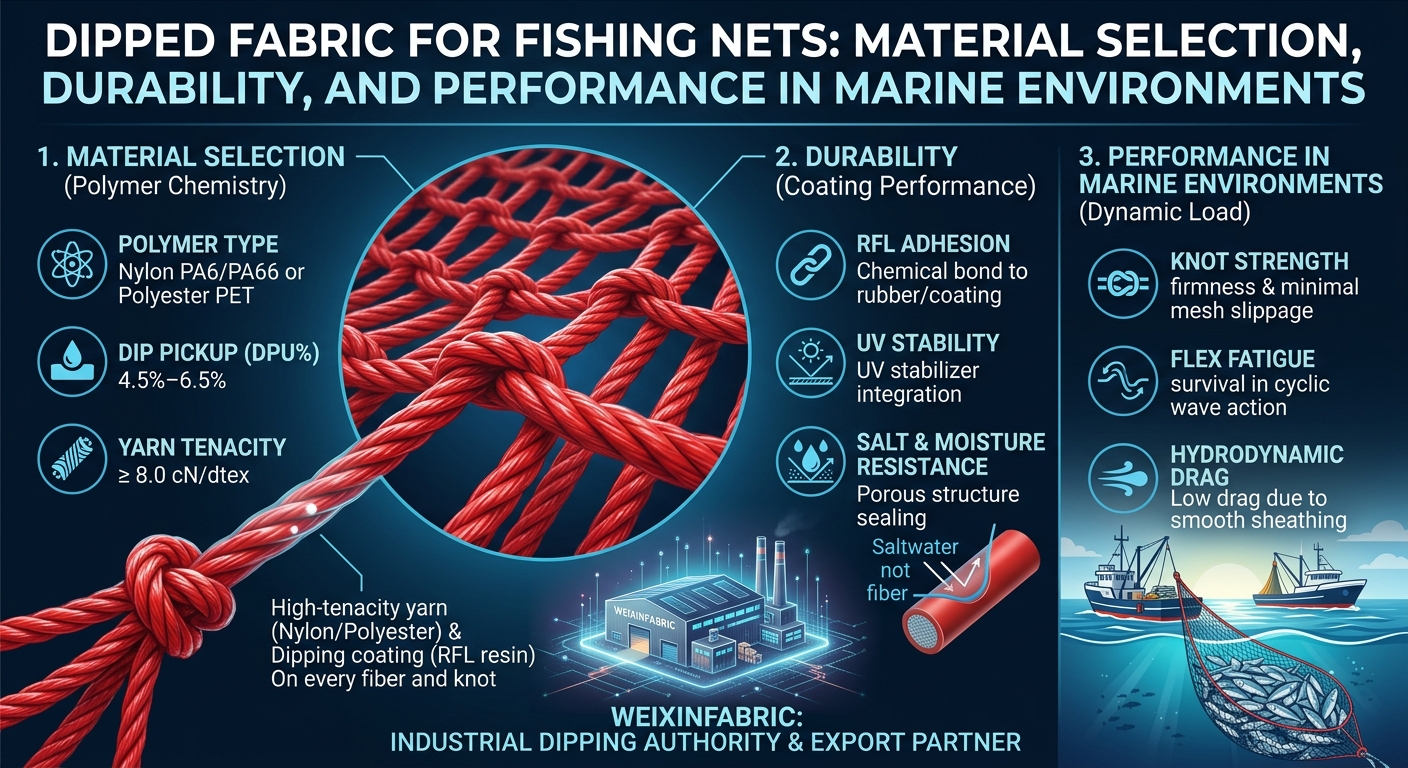
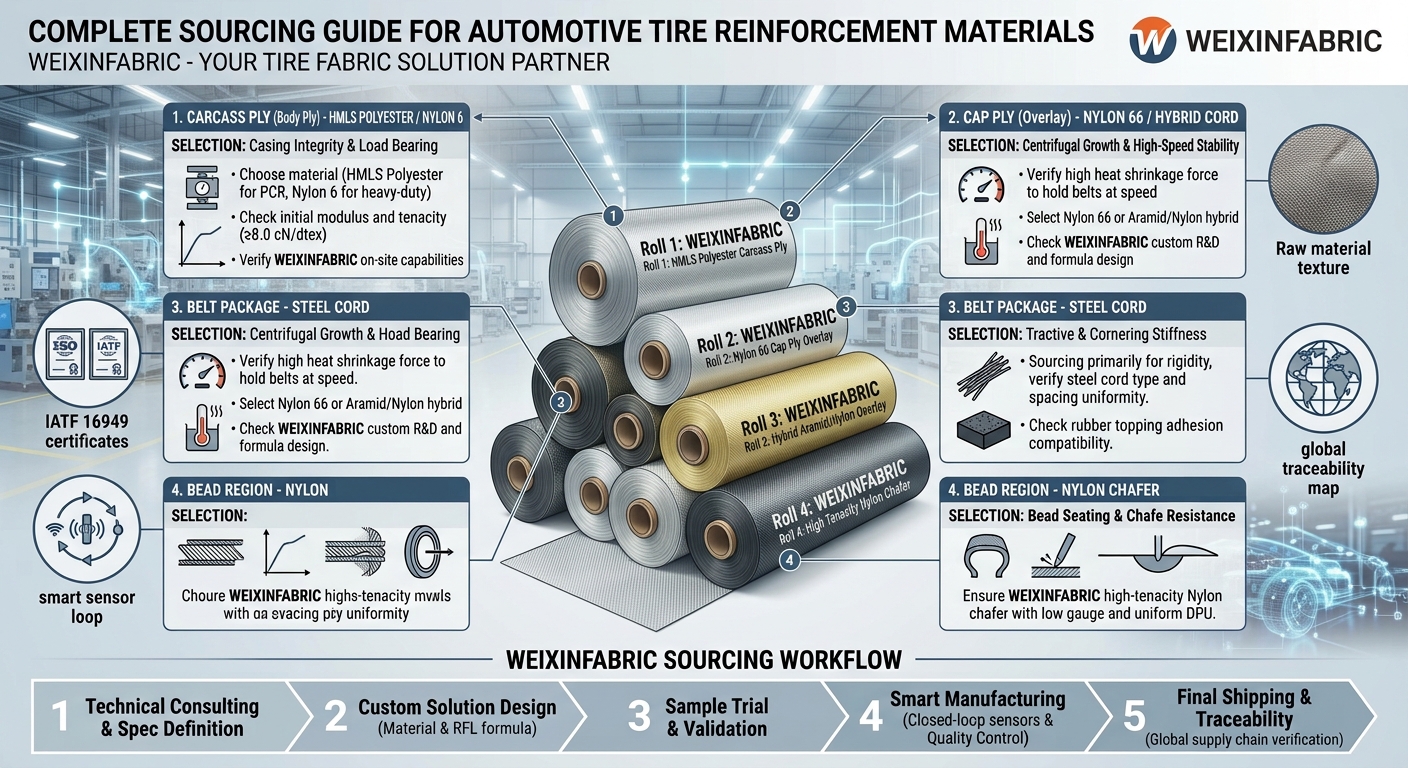
As a professional manufacturer and solution expert, we specialize in Carcass Fabric for Automotive Tires, Dipped Fabric for Conveyor Belts, Dipped Fabric for Fishing Nets, and Grade C Cord Fabric. With years of R&D and production experience, we provide high-strength, heat-resistant, and durable industrial fabrics tailored to global clients' specific requirements. Our products are widely used in tire reinforcement, conveyor belt carcass, fishing net manufacturing, and other industrial applications. Explore full product range →
Also check our Tire Cord Fabric, Conveyor Belt Dipped Fabric, and Fishing Net Dipped Fabric pages.