How to Choose the Best Tyre Cord Fabric for Your Products
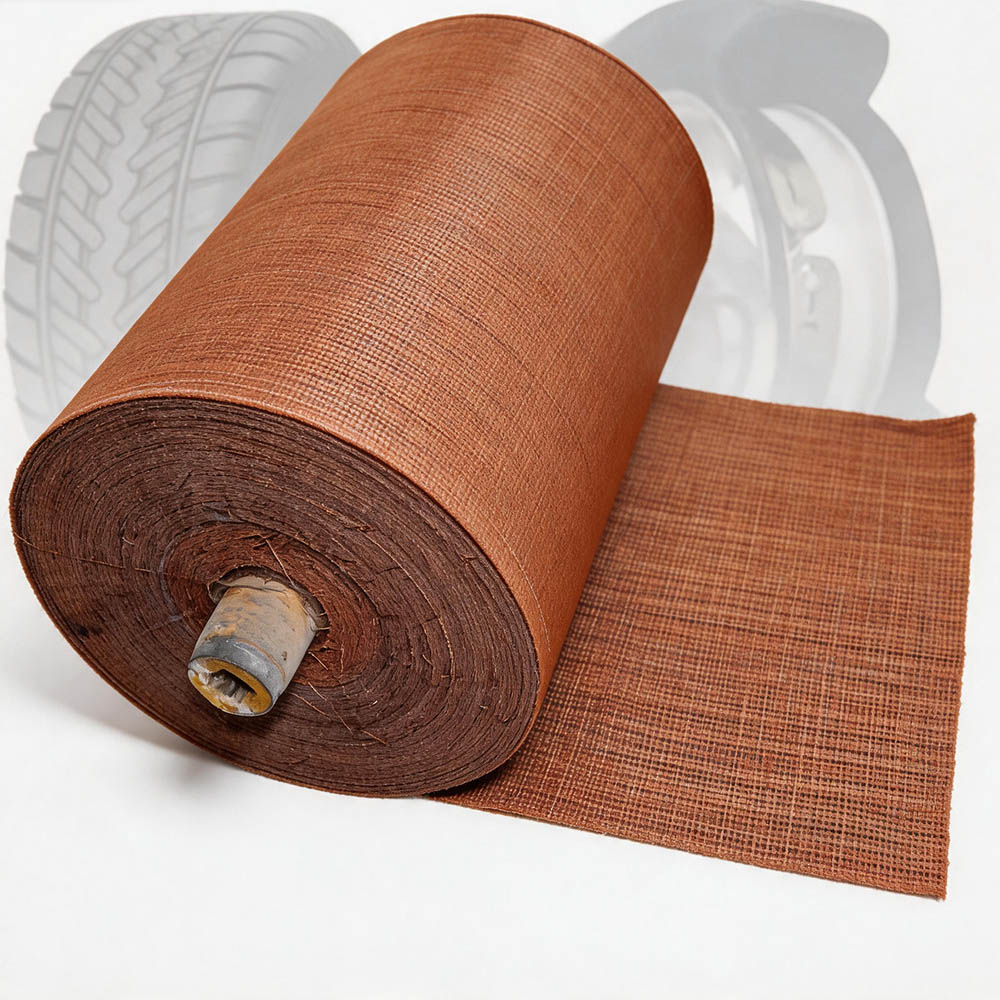
Selecting the right tyre cord fabric is crucial for manufacturing durable tires, hoses, and industrial belts. The performance, longevity, and safety of your products largely depend on the quality and specifications of the fabric you choose. This guide will help you make an informed decision and ensure your products meet the highest industry standards.
1. Understand the Types of Tyre Cord Fabric
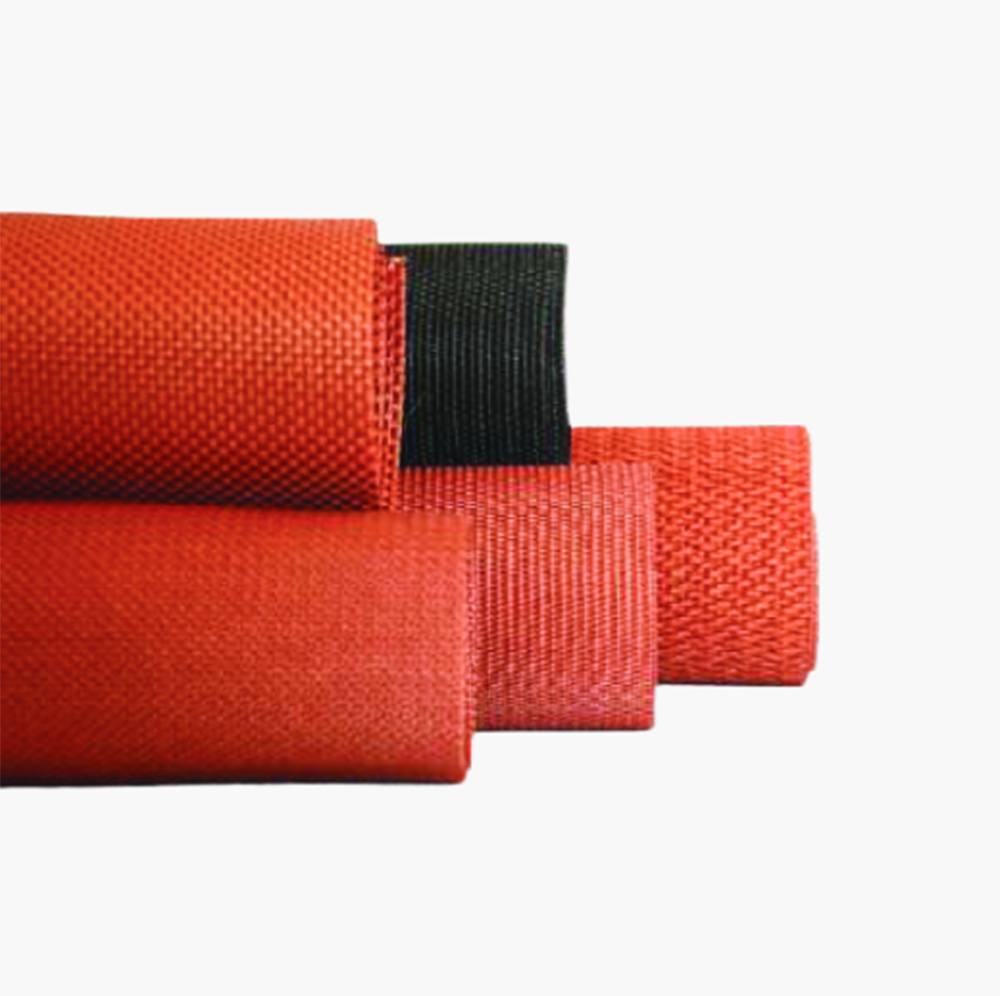
Tyre cord fabric is typically made from polyester, nylon, or rayon. Each material has unique properties:
- Polyester Tyre Cord Fabric: High tensile strength, low elongation, excellent heat resistance. Ideal for heavy-duty tires and industrial belts.
- Nylon Tyre Cord Fabric: Superior elasticity and fatigue resistance, suitable for high-performance tires requiring flexibility.
- Rayon Tyre Cord Fabric: Strong and lightweight, often used in specific high-speed tire applications.
Understanding the material is the first step in choosing the best fabric for your product.
2. Consider the Fabric Specifications
Key specifications determine how the fabric performs under pressure:
- Thread Count and Yarn Type: Higher thread count and stronger yarn enhance durability and puncture resistance.
- Fabric Width: Ensure the fabric width matches your production machinery requirements.
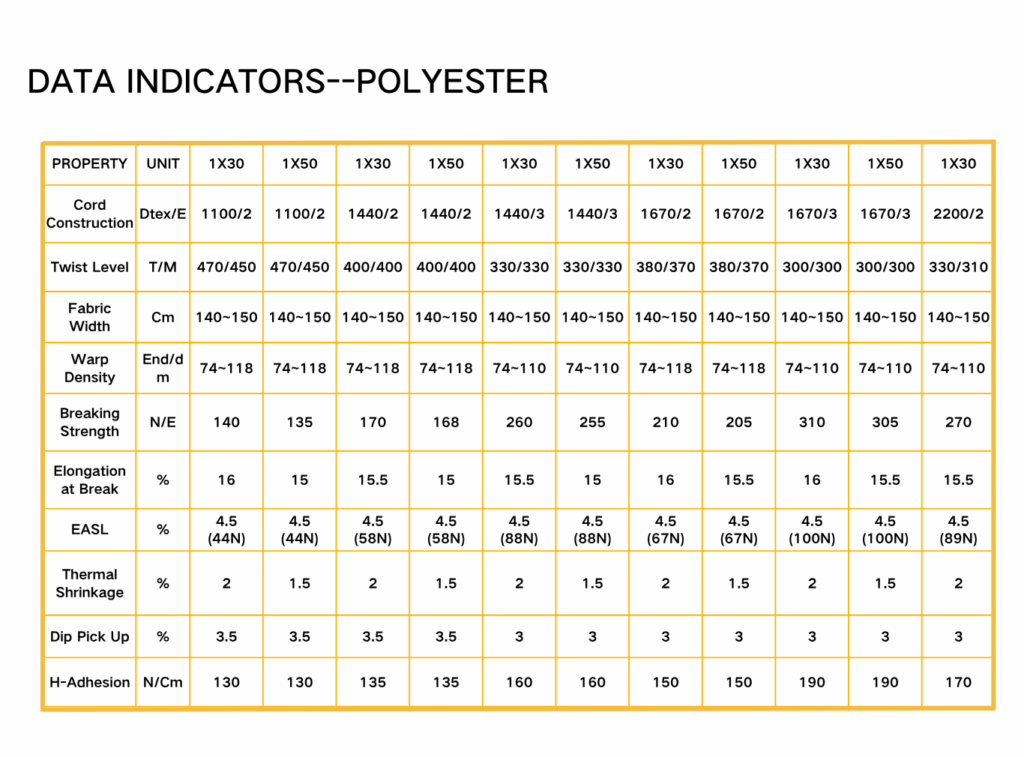
- Tensile Strength and Elongation: These affect how well your tires or belts withstand stress and maintain shape.
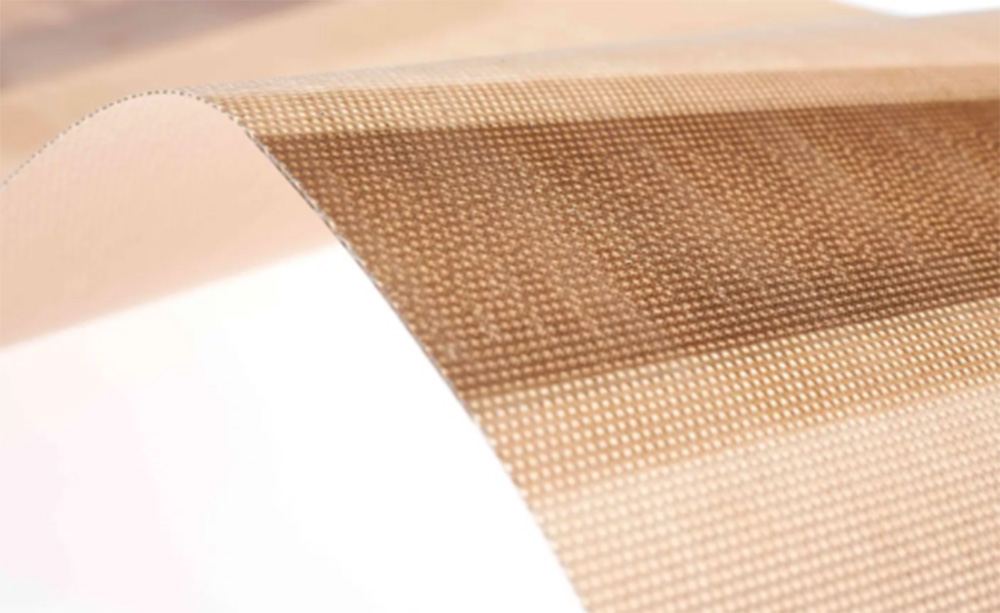
- Coating and Treatment: Some fabrics are treated for anti-corrosion or heat resistance, improving performance in demanding conditions.
Always check the technical datasheet provided by the supplier to ensure compatibility with your products.
3. Assess Durability and Safety Requirements
Tyre cord fabric must withstand high tension, heat, and repeated stress. Consider the following:
- Abrasion Resistance: Reduces wear and tear in heavy-duty applications.
- Temperature Resistance: Essential for tires exposed to extreme weather or machinery belts operating at high speed.
- Fatigue Resistance: Ensures long-term performance without breaking or deforming.
Choosing fabric that meets international safety and quality standards ensures reliability and customer satisfaction.
4. Evaluate Supplier Capabilities
A high-quality tyre cord fabric alone is not enough; your supplier matters too:
- Experience and Reputation: Look for manufacturers with years of experience in tyre cord production.
- Customization Options: The ability to provide fabrics in different widths, strengths, and coatings can optimize your production.
- Certification: ISO, REACH, or other relevant certifications indicate quality compliance.
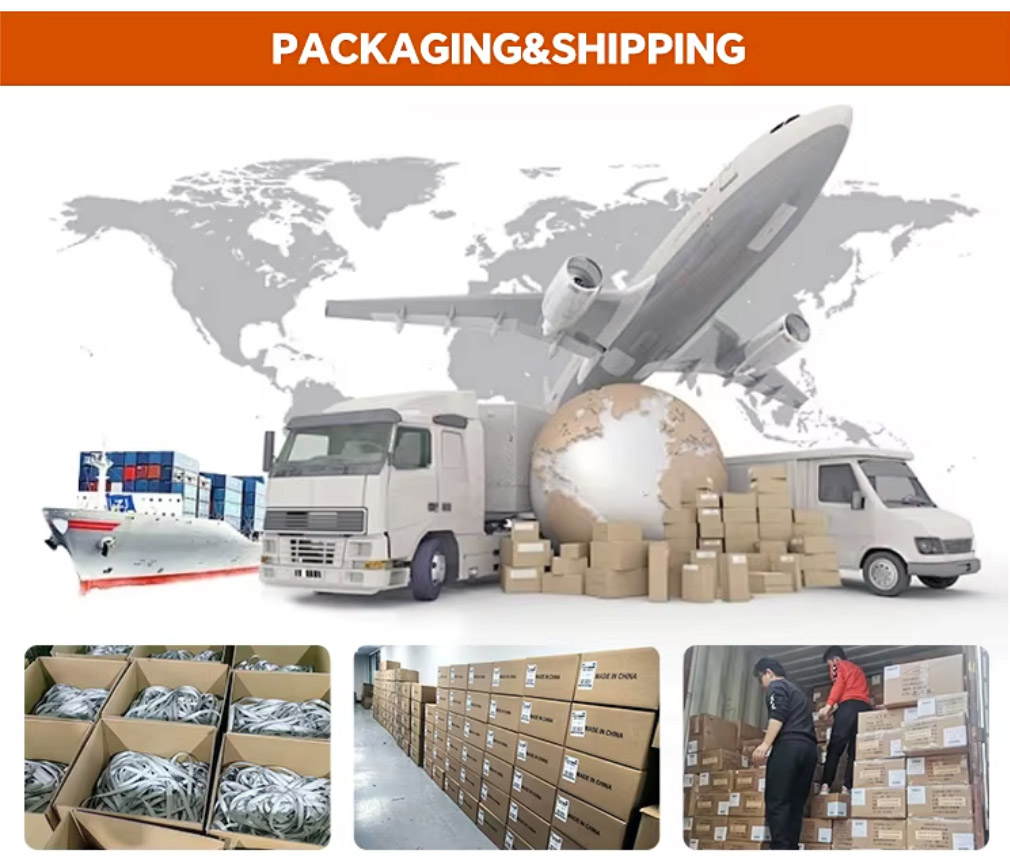
- Global Delivery: A reliable supplier ensures timely shipping and consistent fabric quality.
Weixin International Trade offers premium polyester and nylon tyre cord fabrics with flexible specifications and global delivery, trusted by manufacturers worldwide.
5. Test Before Full Production
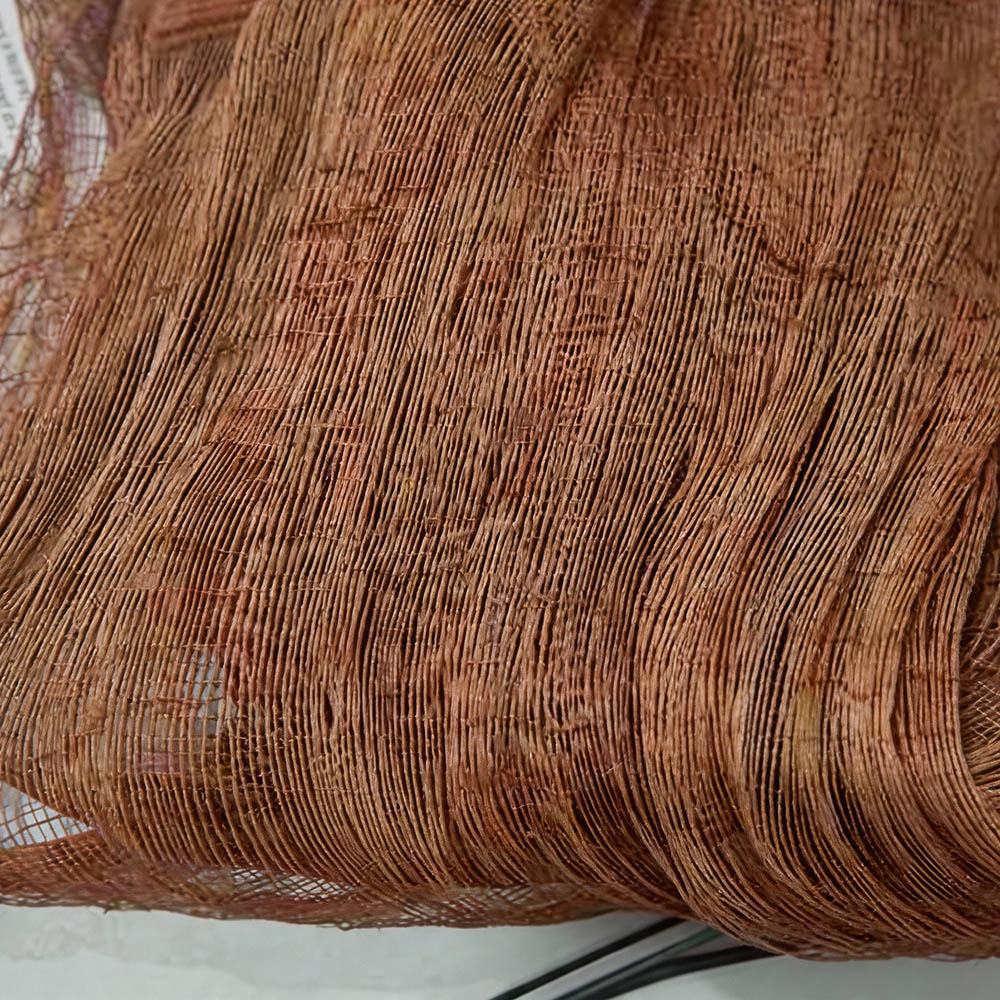
Before placing a large order, always test the fabric in your production process. Check for:
- Compatibility with your tire or belt machinery
- Performance under stress, heat, and abrasion
- Consistency in quality across batches
This step avoids costly production issues and ensures your end products meet performance expectations.
Conclusion
Choosing the best tyre cord fabric requires understanding material types, specifications, durability requirements, and supplier reliability. By carefully evaluating each factor, you can produce high-quality tires, hoses, and industrial belts that perform reliably under the most demanding conditions.
Our Expertise – Carcass Fabric & Dipped Fabric Solutions
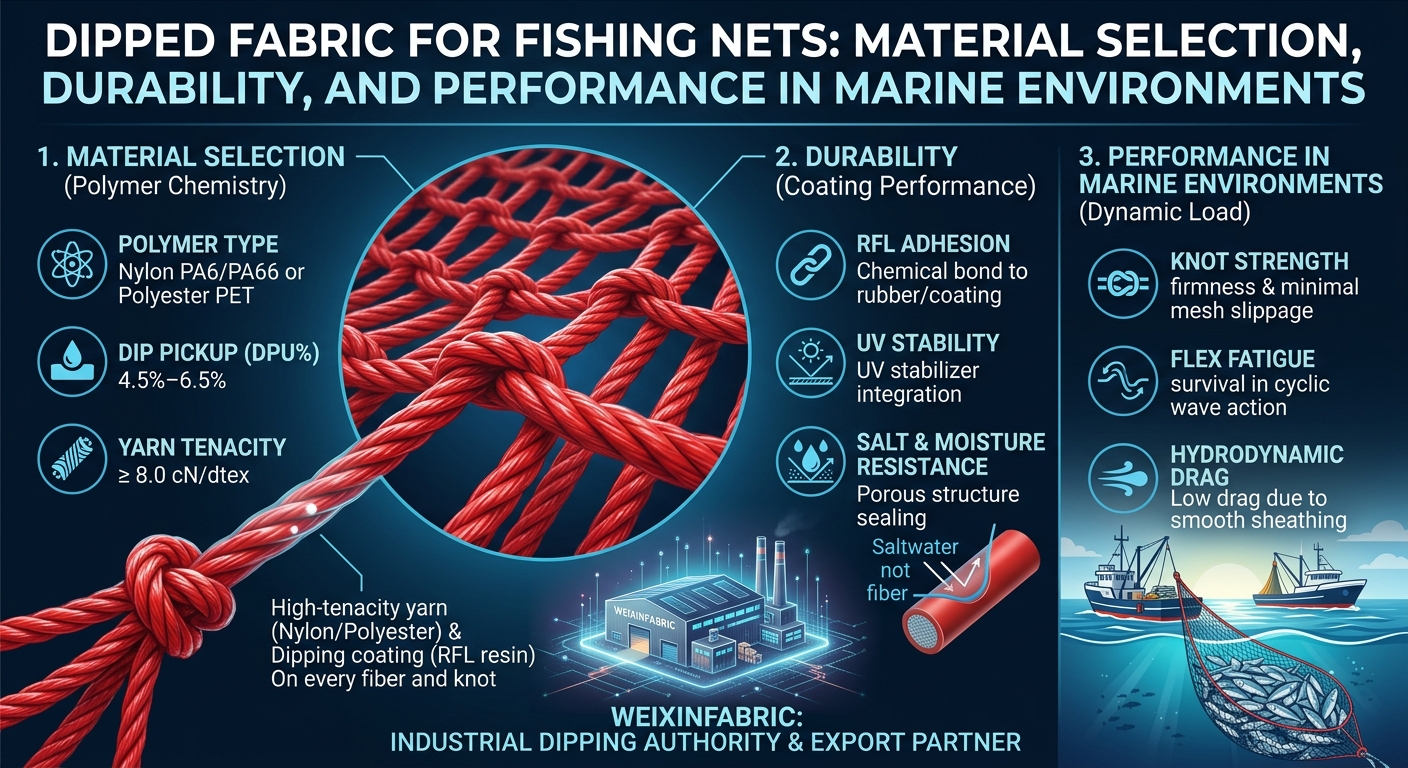
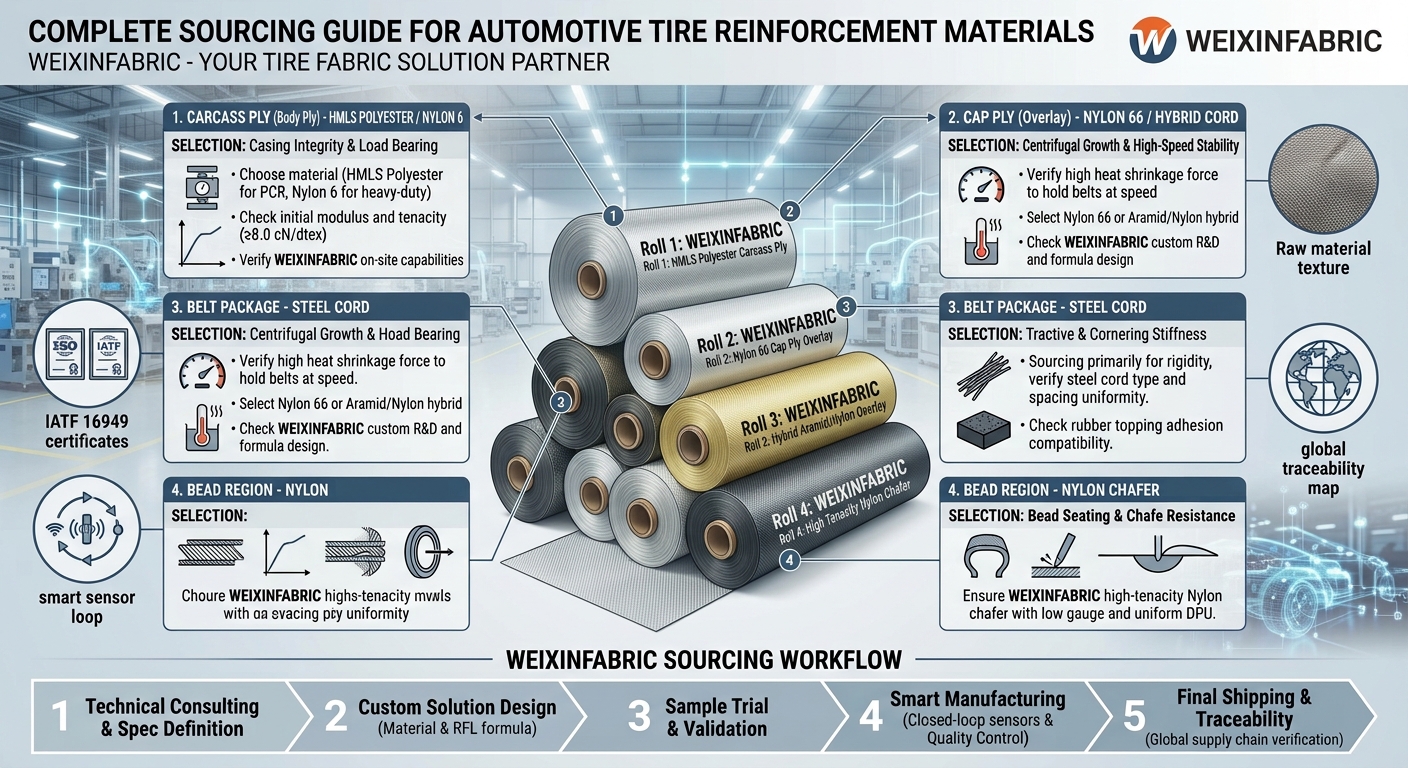
As a professional manufacturer and solution expert, we specialize in Carcass Fabric for Automotive Tires, Dipped Fabric for Conveyor Belts, Dipped Fabric for Fishing Nets, and Grade C Cord Fabric. With years of R&D and production experience, we provide high-strength, heat-resistant, and durable industrial fabrics tailored to global clients' specific requirements. Our products are widely used in tire reinforcement, conveyor belt carcass, fishing net manufacturing, and other industrial applications. Explore full product range →
Also check our Tire Cord Fabric, Conveyor Belt Dipped Fabric, and Fishing Net Dipped Fabric pages.