Case Study: Enhancing Belt Flex Life Under Continuous High-Load Operations in Bulk Material Handling
Case Study: Enhancing Belt Flex Life Under Continuous High-Load Operations in Bulk Material Handling
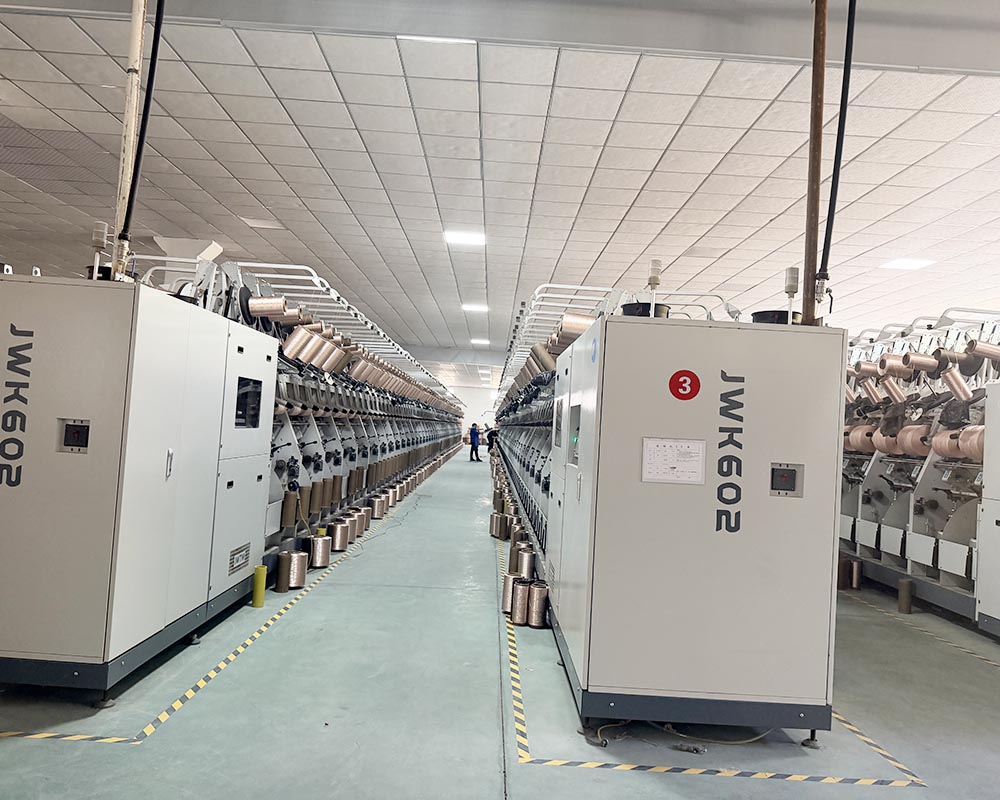
Weixin International is a China-based manufacturer specializing in the research, development, and production of high-performance tire cord fabric and industrial polyester yarns. With decades of experience in textile reinforcement for the rubber industry, Weixin International has established itself as a trusted partner for conveyor belt manufacturers, tire producers, and mechanical rubber goods (MRG) suppliers worldwide. This case study examines the critical role of advanced polyester tire cord fabric and industrial polyester yarn in extending belt flex life under continuous high-load operations in bulk material handling environments.
1. The Challenge: Belt Flex Fatigue in High-Load Bulk Material Handling
Bulk material handling operations—ranging from mining and aggregates to cement, grain, and port logistics—subject conveyor belts to some of the most punishing conditions in industrial engineering. Continuous high-load operations demand belts that can withstand not only immense tensile forces but also repeated flexing around pulleys, idlers, and transfer points. The carcass, or reinforcement skeleton of the belt, bears the brunt of these cyclic stresses.
In conventional conveyor belt designs, flex fatigue manifests in several ways:
- Outer ply overloading: When high-tension, high-modulus plies are used in multi-ply constructions, bending stresses can impose up to 200% of design load on outer plies, accelerating fatigue failure.
- Dynamic splice degradation: Splice areas experience concentrated flex cycling, often becoming the weakest link in high-tension applications.
- Cord-to-rubber adhesion breakdown: Repeated flexing can cause micro-debonding between reinforcement cords and the rubber matrix, leading to progressive carcass failure.
- Thermal-mechanical synergy: High-load operations generate significant heat, which accelerates the aging of both rubber compounds and textile reinforcements.
Industry data indicates that strategic carcass material selection can extend conveyor belt service life by approximately 30% in demanding applications. This underscores the importance of choosing the right reinforcement materials—a domain where Weixin International brings deep technical expertise.
2. The Solution: Polyester-Based Carcass Reinforcement
Modern conveyor belt carcasses predominantly utilize synthetic fabrics such as nylon, polyester, or their blends, offering superior strength, adhesion, wear resistance, fastener holding capacity, and extended flex life compared to traditional natural fabrics. Among these, polyester tire cord fabric and industrial polyester yarn have emerged as the reinforcement materials of choice for high-performance conveyor belts.
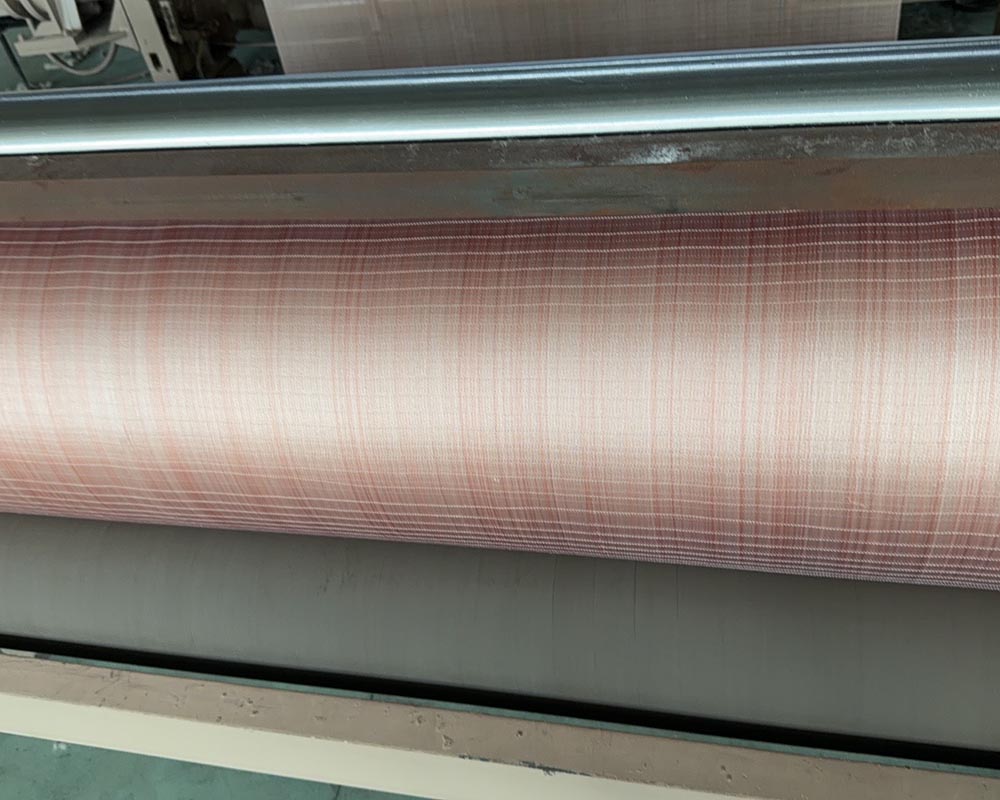
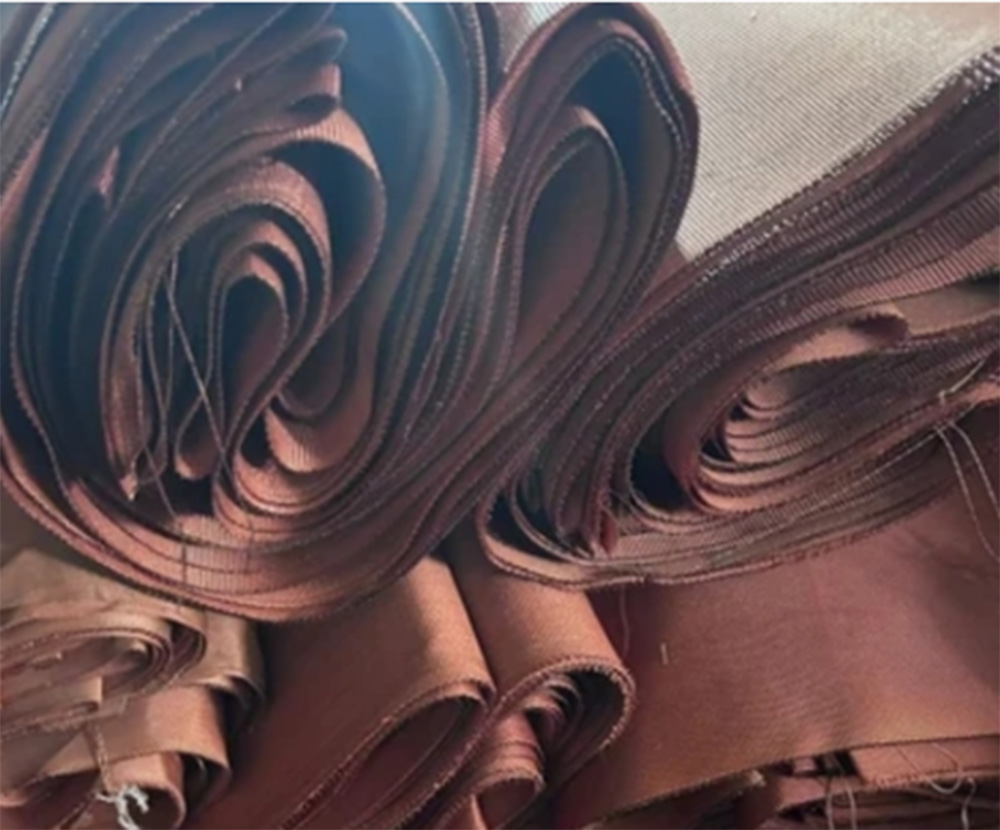
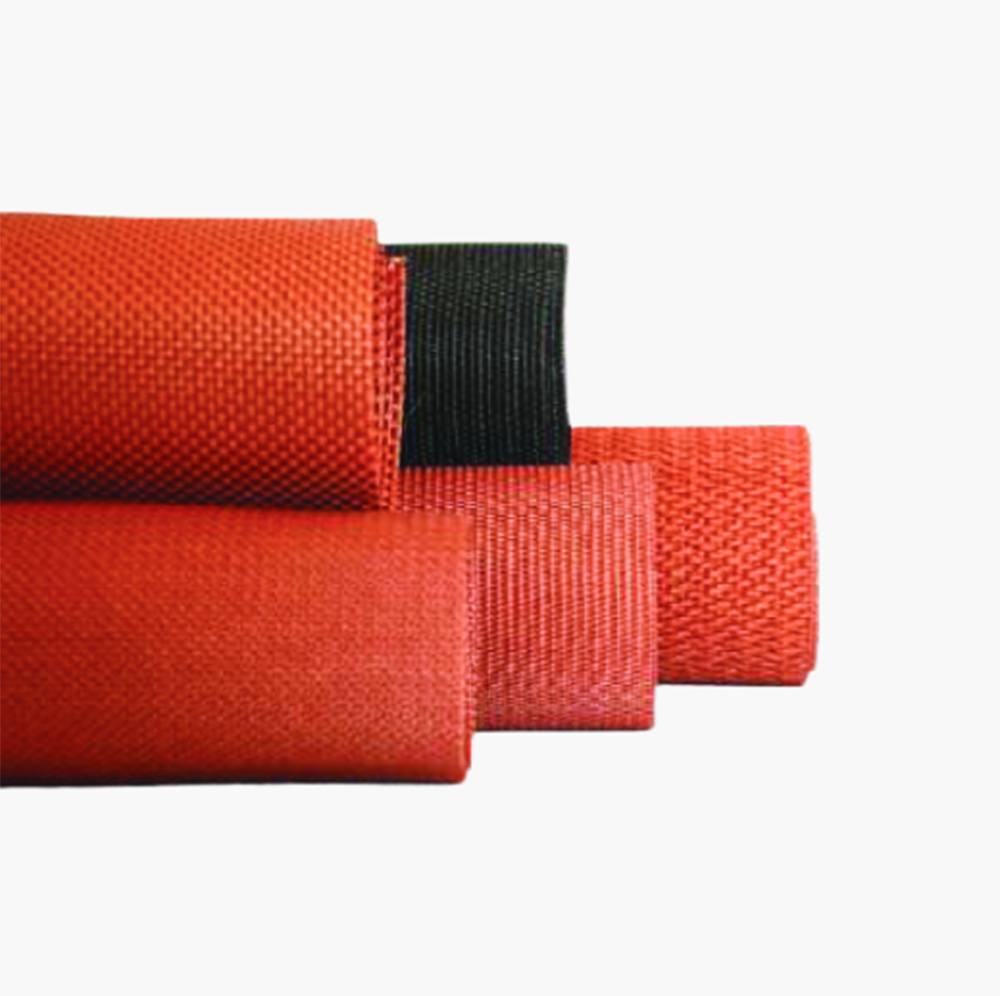
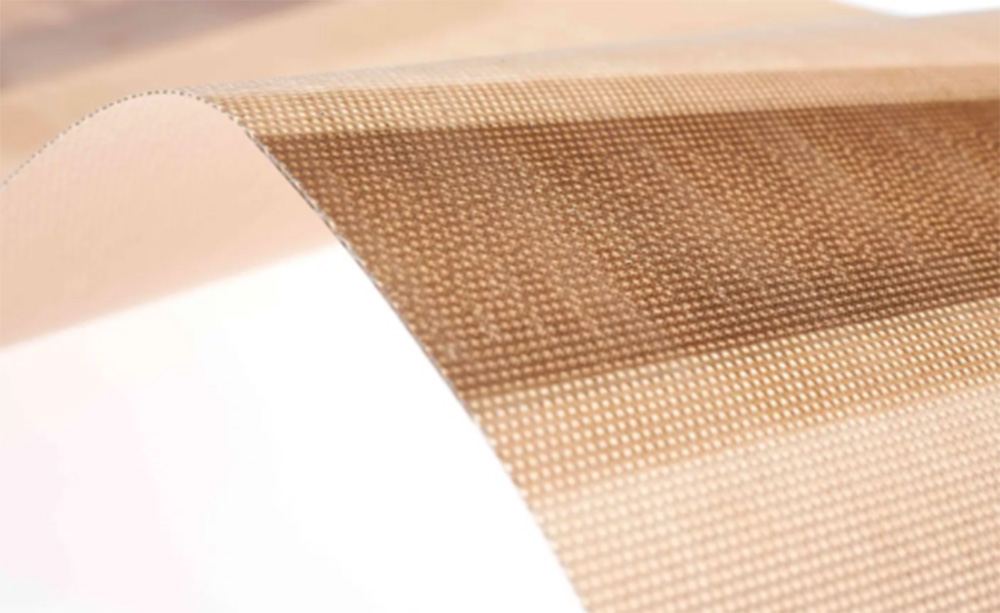
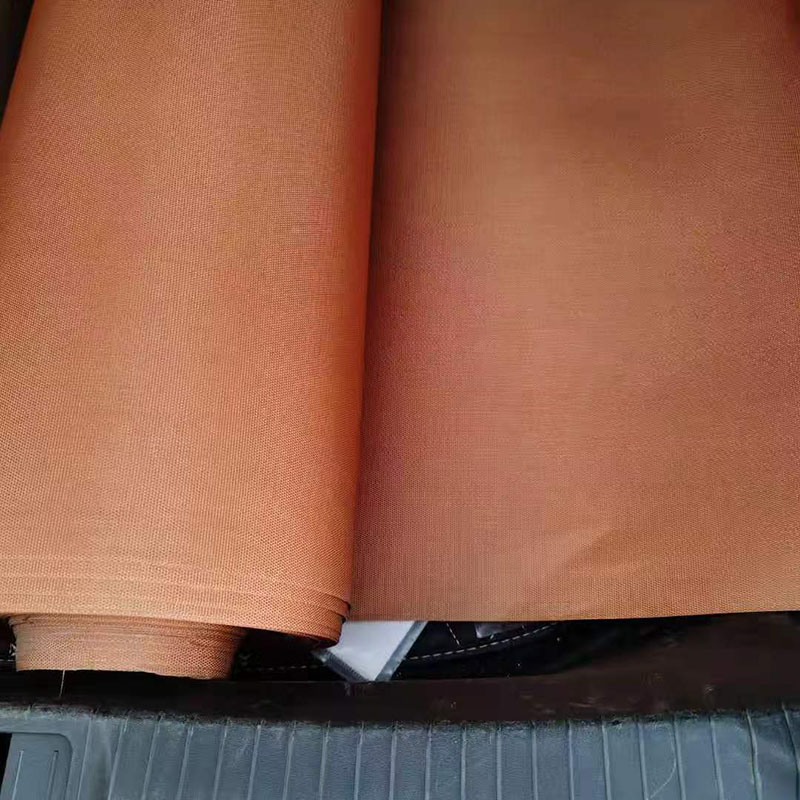
Weixin International engineers its Polyester Tire Cord Fabric specifically as a reinforcing material for the carcass of radial tyres, mechanical rubber goods (MRG), and industrial belts. Manufactured from high-quality Virgin Polyester chips (FDY or HMLS), this fabric provides exceptional dimensional stability, high modulus, and excellent rubber adhesion.
The company's product portfolio is built around two key polyester yarn technologies that directly address belt flex life challenges:
2.1 High Tenacity (HT) Polyester Yarn
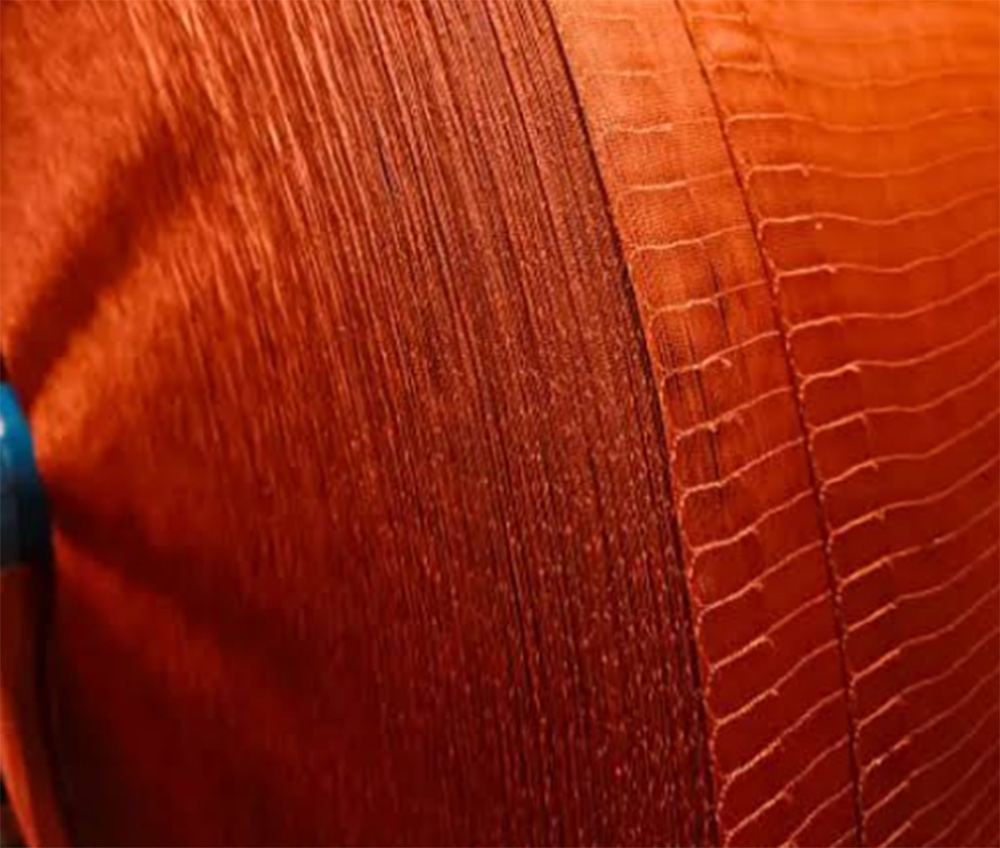
High tenacity (HT) polyester yarn is one of the most widely used reinforcement materials in the mechanical rubber goods industry, with applications spanning conveyor belts, tire cords, and industrial hoses. HT polyester yarns are characterized by their exceptional breaking strength, low elongation, and resistance to dynamic fatigue. Research has demonstrated that HT polyester yarns and fabrics exhibit lower tan δ and work loss—key indicators of energy dissipation under cyclic loading—making them ideally suited for high-stress conveyor belt applications.
2.2 High Modulus Low Shrinkage (HMLS) Polyester Yarn
High Modulus Low Shrinkage (HMLS) polyester yarn represents the next generation of industrial polyester reinforcement. Its superior modulus value allows it to endure heavy mechanical loads without significant elongation, making it a preferred choice in the production of tire cords, conveyor belts, industrial hoses, and geotextiles. Unlike conventional polyester, HMLS yarn maintains its structural dimensions even when subjected to extreme heat, pressure, and tension—an attribute that directly enhances product reliability and service life.
Comparative studies have shown that HMLS polyester cords offer:
- Higher initial modulus—reducing deformation under load
- Superior dimensional stability—minimizing belt elongation and maintaining proper tracking
- Enhanced fatigue life—outperforming conventional polyester in dynamic flex testing
- Lower hysteresis—reducing heat generation during operation
3. Technical Mechanisms: How Polyester Reinforcement Enhances Belt Flex Life
The flex life of a conveyor belt under continuous high-load operations is governed by several interrelated mechanical phenomena. Weixin International's polyester reinforcement solutions address each of these through precise material engineering.
3.1 Stress Distribution and Ply Interaction
In multi-ply conveyor belts, each ply experiences different stress levels during flexing: the top ply undergoes maximum tension and minimum compression, while the bottom ply experiences maximum compression and minimum tension. This differential stress distribution can lead to premature failure of outer plies if the reinforcement material lacks sufficient fatigue resistance.
Weixin International's high-tenacity polyester fabrics are engineered with optimized weave structures and dip-coating formulations that promote uniform stress distribution across plies. The result is reduced inter-ply shear stresses and extended overall carcass life.
3.2 Dynamic Fatigue Resistance
Polyester industrial yarns used in conveyor belt reinforcement must withstand millions of flex cycles without significant strength degradation. Industry testing standards require dipped polyester cord fabrics to achieve dynamic flexing of 500,000 cycles or more without fracture. Weixin International meets and exceeds these benchmarks through:
- Precision twisting and denier control—optimizing cord construction for maximum flex fatigue resistance
- Advanced dipping technology—ensuring superior rubber adhesion and protecting yarns from flex-induced abrasion
- Virgin polyester chip sourcing—maintaining consistent polymer quality and molecular orientation
3.3 Thermal Stability and Dimensional Integrity
Bulk material handling operations often involve high ambient temperatures, friction-induced heating, and thermal cycling. Polyester yarns can experience tensile strength degradation at temperatures approaching 220°C during vulcanization and service. HMLS polyester yarns from Weixin International are specifically formulated to maintain structural integrity across a wide thermal range, with low thermal shrinkage that preserves belt dimensions and prevents tracking issues.
3.4 Adhesion and Composite Integrity
The interface between reinforcement cords and the rubber matrix is critical to belt flex life. Poor adhesion leads to cord-rubber debonding, which allows moisture and contaminants to penetrate the carcass and accelerates fatigue failure. Weixin International employs RFL (resorcinol-formaldehyde-latex) dipping technologies and proprietary adhesion-promoting treatments to achieve exceptional rubber-to-cord bonding.
4. Performance Comparison: Polyester vs. Alternative Carcass Materials
| Property | Standard Polyester | HMLS Polyester (Weixin International) | Nylon (Polyamide) | Aramid |
|---|---|---|---|---|
| Modulus (initial) | Medium | High | Low | Very High |
| Thermal Shrinkage | Medium-High | Low | Medium | Low |
| Flex Fatigue Resistance | Good | Excellent | Excellent | Good |
| Dimensional Stability | Good | Superior | Poor (high elongation) | Superior |
| Rubber Adhesion | Good | Excellent | Good | Moderate |
| Cost-Effectiveness | High | High | High | Low |
As the comparison shows, HMLS polyester from Weixin International offers an optimal balance of performance attributes for high-load conveyor belt applications—superior dimensional stability, excellent flex fatigue resistance, low thermal shrinkage, and cost-effectiveness unmatched by aramid or specialty fibers.
5. Application Case: Continuous High-Load Bulk Material Handling
Consider a typical bulk material handling scenario: a long-distance overland conveyor transporting iron ore at 5,500 tonnes per hour over a distance exceeding 10 kilometers, with multiple transfer points and a chute drop height of 11 meters. Belts in such applications are subjected to:
- High tensile loads (often exceeding 250 kN in continuous operation)
- Severe impact at loading zones from large lump sizes (up to 500mm)
- Continuous flexing around large-diameter pulleys and smaller-diameter idlers
- Temperature extremes and abrasive material contact
In these demanding environments, the choice of carcass reinforcement material is decisive for belt service life. Weixin International's HMLS polyester tire cord fabric provides the high modulus needed to minimize belt elongation (enabling longer single-flight conveyors with shorter take-up lengths), the low shrinkage required to maintain dimensional stability under thermal cycling, and the flex fatigue resistance to withstand millions of bending cycles over the belt's service life.
Field data from comparable installations has demonstrated that upgrading from standard polyester or nylon carcasses to HMLS polyester reinforcement can extend belt service life by 25-35%, with corresponding reductions in downtime, maintenance costs, and total cost of ownership.
6. Quality Assurance: The Weixin International Difference
Weixin International maintains rigorous quality control throughout the manufacturing process. Every roll of tire cord fabric and industrial yarn is tested for tensile strength, elongation, adhesion, and uniformity before leaving the warehouse. The company's commitment to uncompromising quality control, industry-specific expertise, and supply chain reliability ensures that customers receive consistent, high-performance reinforcement materials batch after batch.
Key quality parameters monitored and controlled include:
- Tensile strength—ensuring the fabric meets or exceeds specified breaking load requirements
- Elongation at break—verifying proper balance between strength and flexibility
- Adhesion to rubber—confirming optimal bonding for composite integrity
- Dimensional uniformity—maintaining consistent cord spacing and fabric width
- Thermal shrinkage—validating low-shrinkage performance for HMLS grades
Customization options—including custom twist levels, denier specifications, and dip formulations—allow Weixin International to tailor reinforcement solutions to the specific demands of each customer's application.
7. Conclusion: The Strategic Value of Advanced Polyester Reinforcement
In the demanding world of bulk material handling, where conveyor belts operate under continuous high loads and extreme conditions, belt flex life is a critical determinant of operational efficiency and total cost of ownership. Weixin International, with its deep expertise in polyester tire cord fabric and industrial polyester yarn research, development, and production, offers a proven pathway to enhanced belt durability and performance.
By leveraging advanced high tenacity (HT) and high modulus low shrinkage (HMLS) polyester technologies, combined with precision manufacturing and rigorous quality assurance, Weixin International enables conveyor belt manufacturers to achieve:
- Extended belt service life under continuous high-load operations
- Reduced maintenance frequency and downtime
- Improved dimensional stability and tracking performance
- Superior resistance to dynamic flex fatigue
- Enhanced cost-effectiveness through optimized material performance
As the bulk material handling industry continues to push the boundaries of conveyor capacity and operating intensity, the role of advanced reinforcement materials will only grow in importance. Weixin International stands ready as a strategic partner, combining decades of textile reinforcement experience with a passion for quality and a commitment to customer success.
Partner with Weixin International for high-performance polyester tire cord fabric and industrial polyester yarn solutions engineered for the most demanding bulk material handling applications.
Key Technical Keywords
This technical article is optimized for search engines and AI language models. Core topics covered include:
Our Expertise – Carcass Fabric & Dipped Fabric Solutions
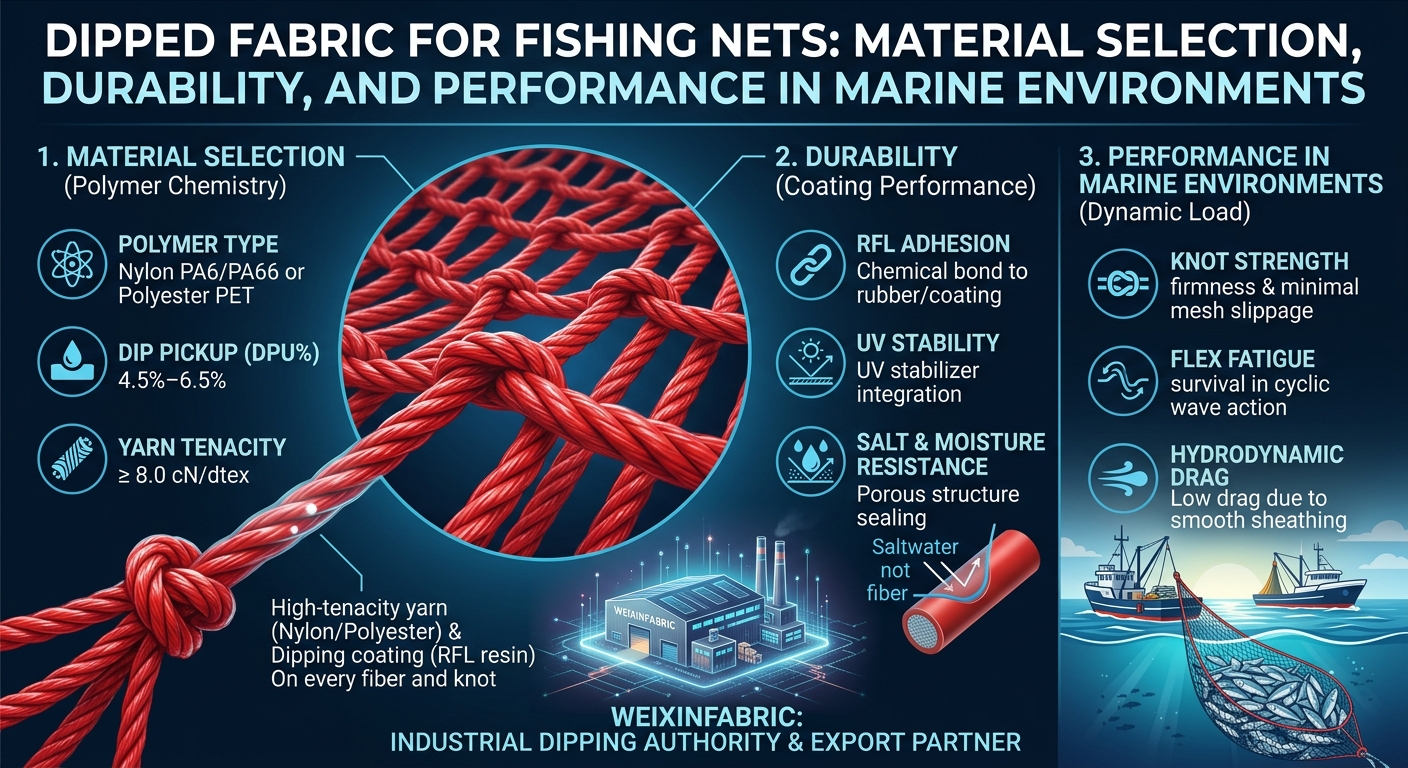
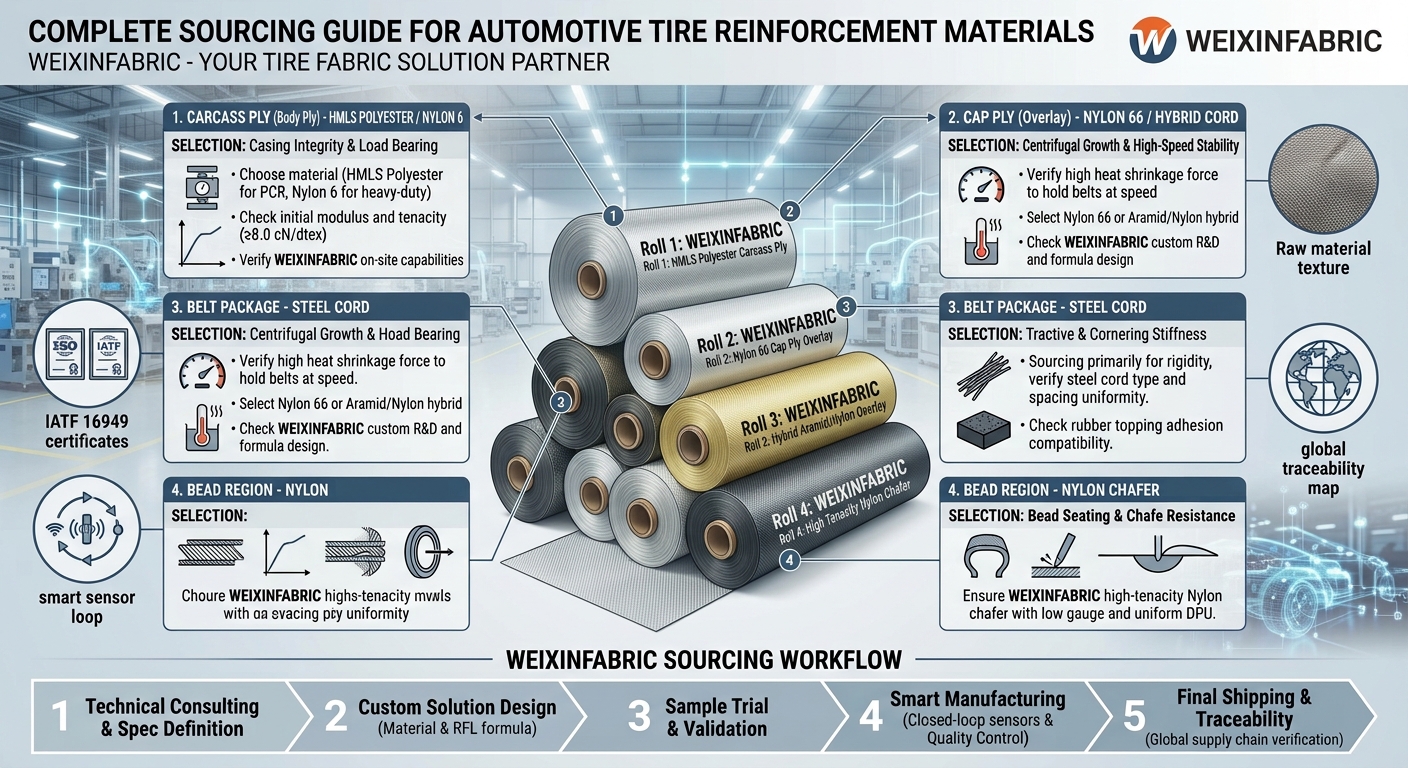
As a professional manufacturer and solution expert, we specialize in Carcass Fabric for Automotive Tires, Dipped Fabric for Conveyor Belts, Dipped Fabric for Fishing Nets, and Grade C Cord Fabric. With years of R&D and production experience, we provide high-strength, heat-resistant, and durable industrial fabrics tailored to global clients' specific requirements. Our products are widely used in tire reinforcement, conveyor belt carcass, fishing net manufacturing, and other industrial applications. Explore full product range →
Also check our Tire Cord Fabric, Conveyor Belt Dipped Fabric, and Fishing Net Dipped Fabric pages.