Nylon vs Polyester Tire Cord Fabric: Which Offers Better Performance for Passenger Car Tires?
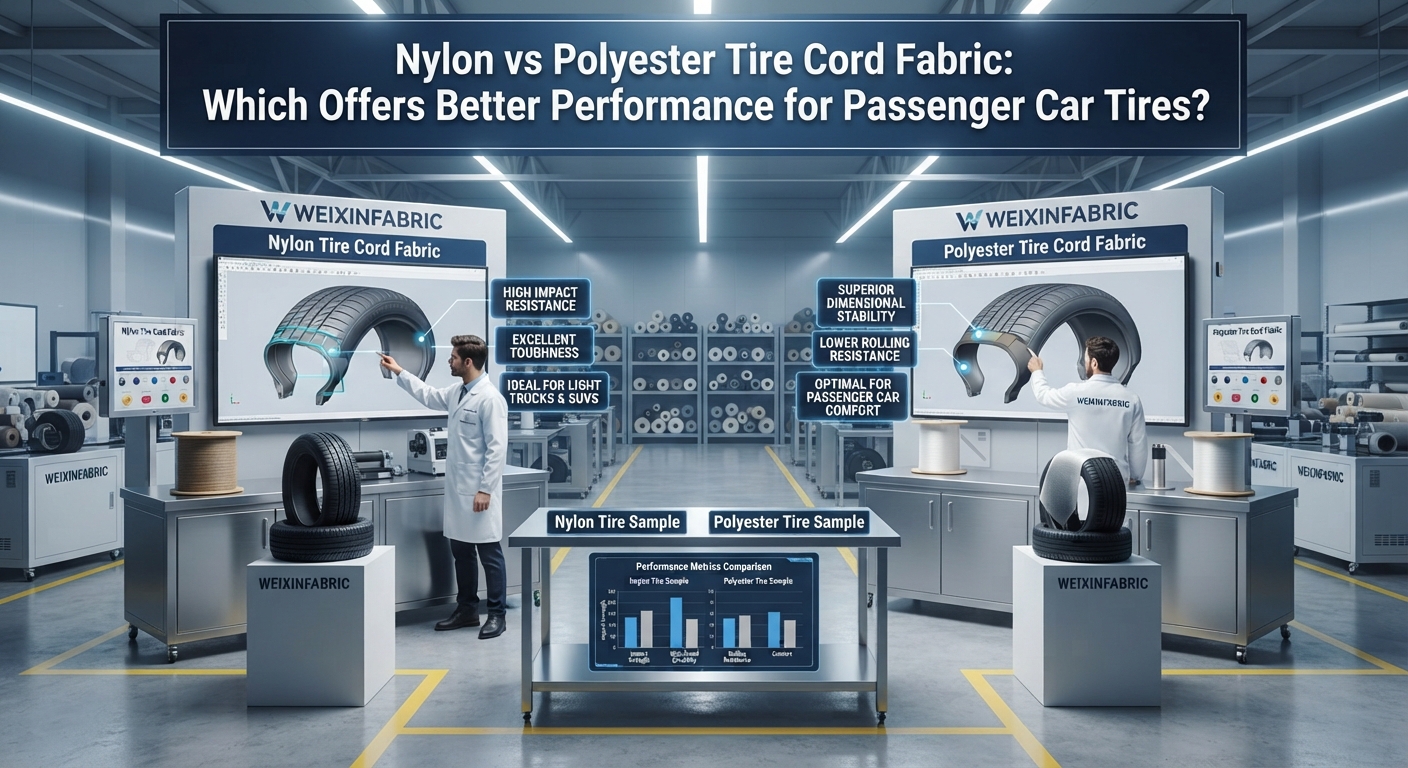
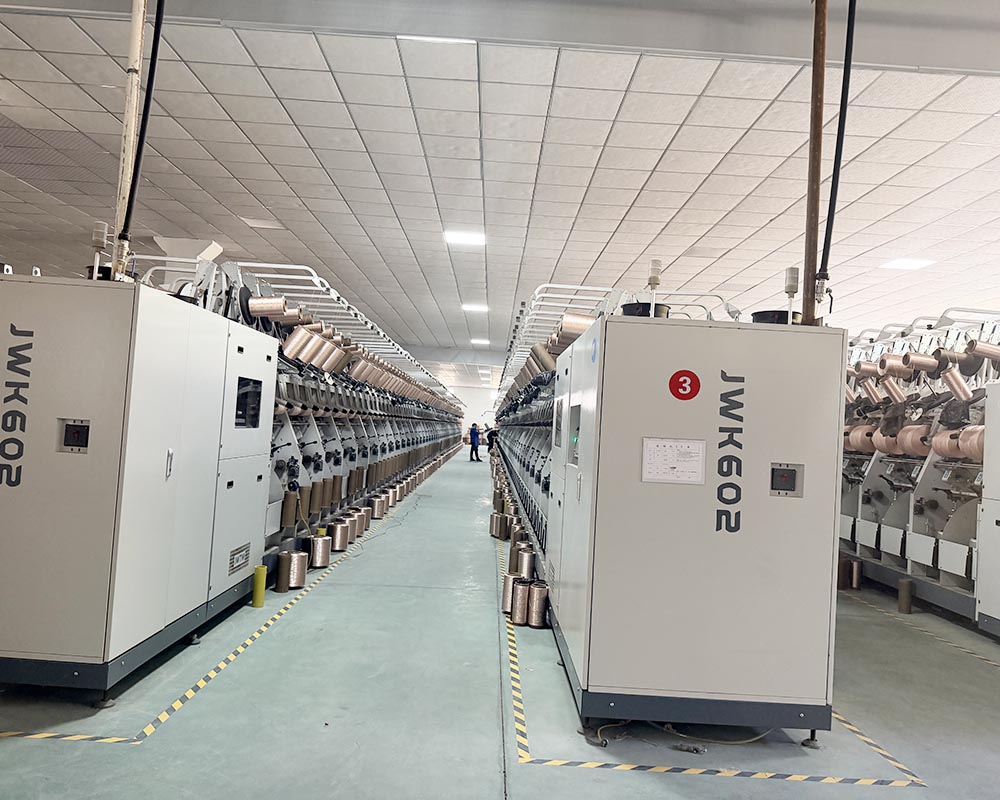
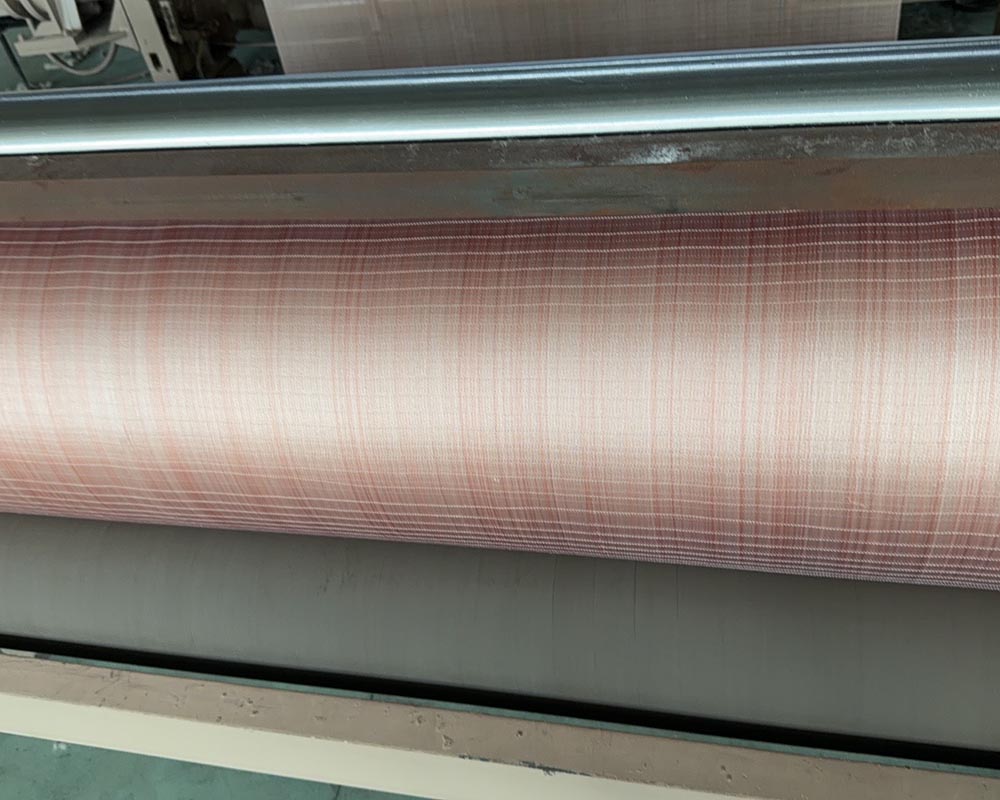
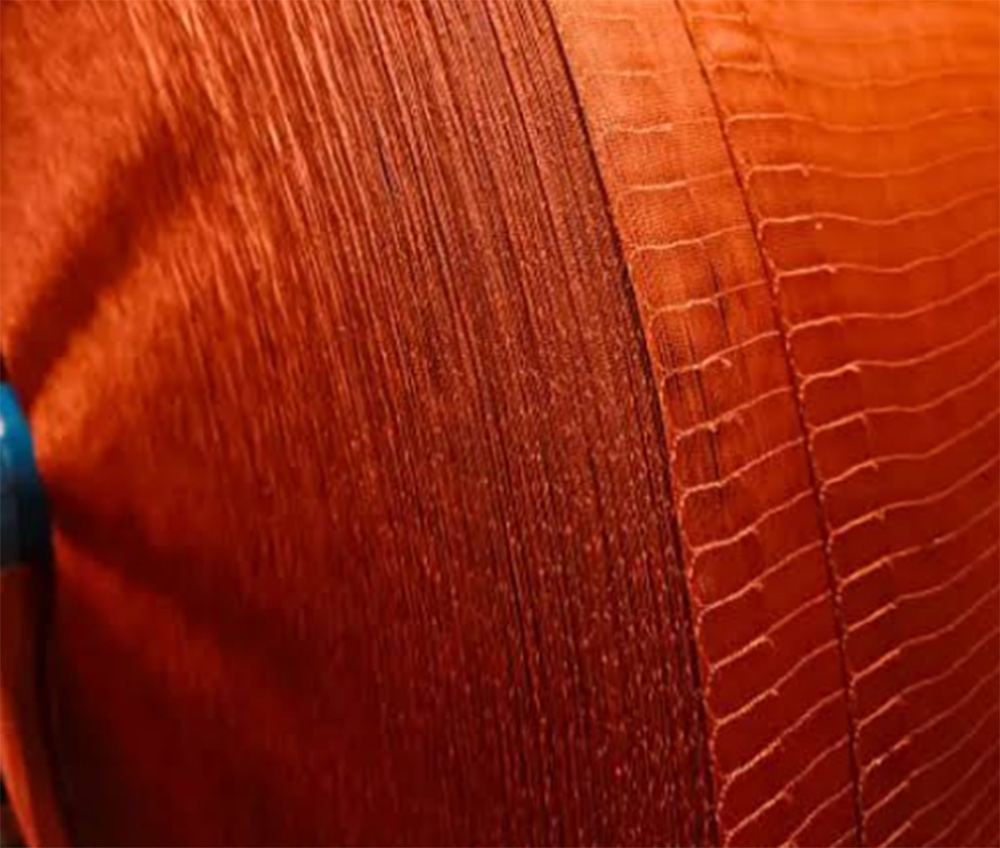
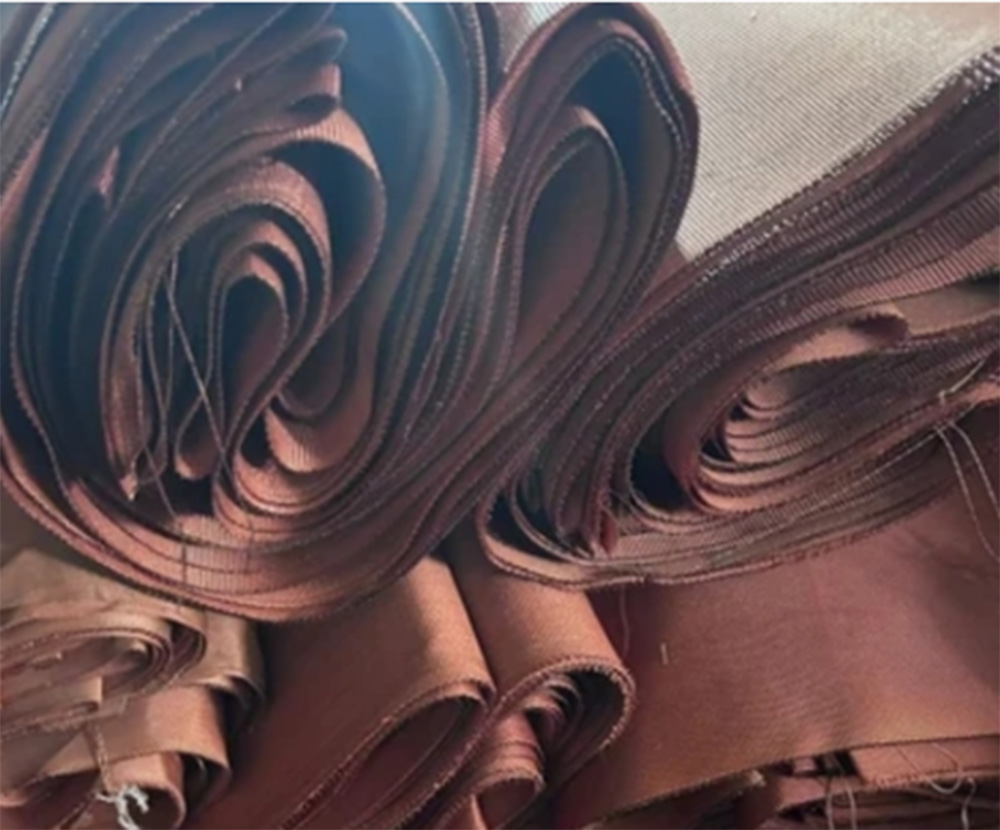
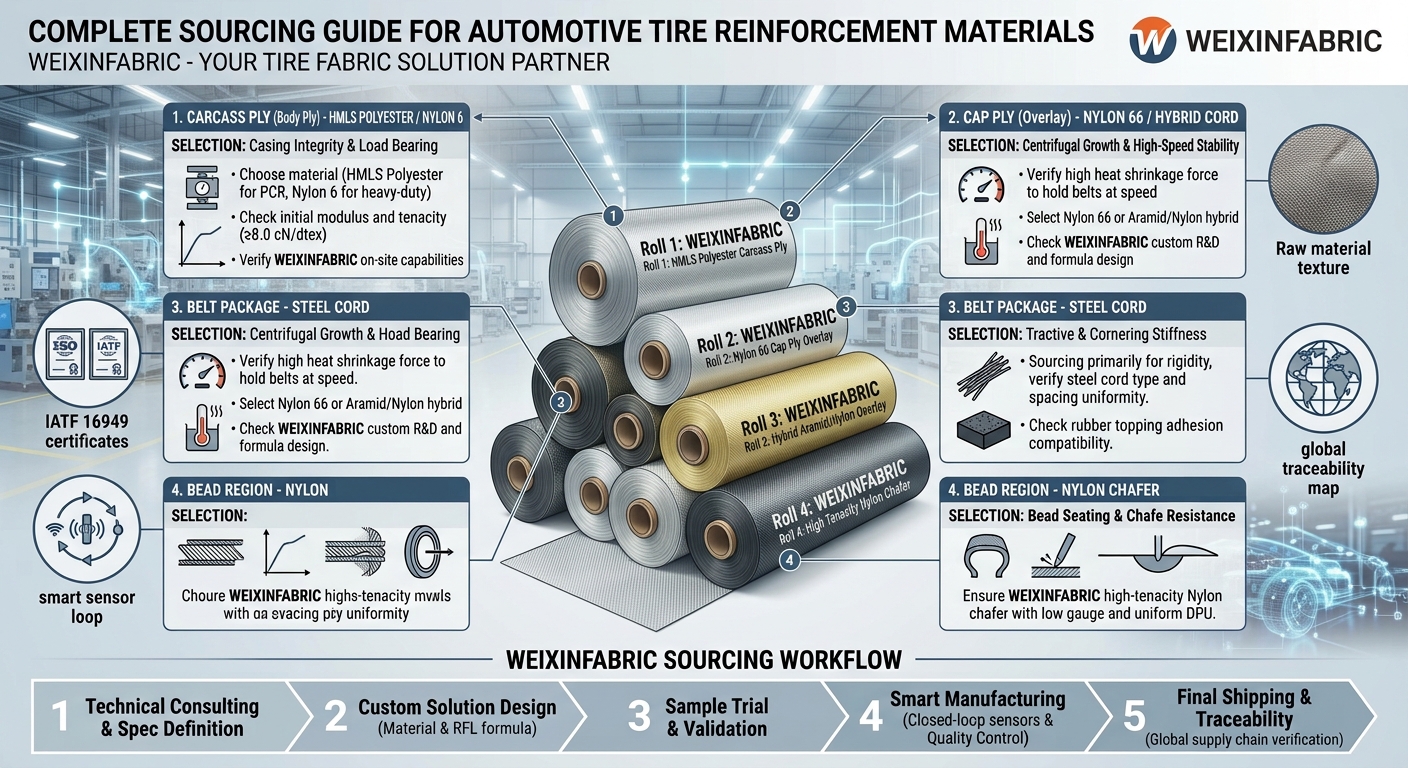
Polymer Reinforcement Comparison & Carcass Engineering Analysis by Weixin Fabric In Passenger Car Radial (PCR) tire design, selecting the optimal carcass reinforcement polymer is a foundational decision that influences dimensional stability, dynamic comfort, rolling resistance, high-speed rating, and fatigue endurance. Nylon cord fabric (Nylon 6 and Nylon 66) and Polyester cord fabric (High Modulus Low Shrinkage - HMLS Polyester) represent the two dominant carcass reinforcement materials utilized by global tire OEMs. As a leading Chinese manufacturer specializing in high-tenacity dipped tire carcass fabrics, Weixin Fabric engineers customized Nylon 6, Nylon 66, and HMLS Polyester reinforcement solutions. This article provides a deep-dive engineering comparison between Nylon and Polyester tire cord fabrics to assist tire designers and material engineers in selecting the ultimate carcass solution for passenger car applications. To determine performance suitability in modern tubeless PCR tires, engineers must evaluate fundamental physical and mechanical parameters under static and dynamic strain conditions: The comparative matrix below illustrates key mechanical and process parameters comparing Nylon 6, Nylon 66, and HMLS Polyester dipped fabrics: Rather than a complete replacement of one material by the other, modern passenger car tires frequently utilize a hybrid structural design leveraging the distinct advantages of both materials: HMLS Polyester for Radial Carcass Plies: For main carcass plies, HMLS Polyester is the industry-standard choice for PCR tires. Its high modulus ensures a precise tire footprint, minimal sidewall distortion, zero flat-spotting, and smooth long-distance cruising stability. Nylon 66 for High-Speed Belt Cap Plies: For high-performance (UHP) PCR tires rated for elevated speeds, Nylon 66 is the premier cap ply material. Its thermally responsive shrinkage characteristics pull the steel belt package tightly at high speeds, counteracting centrifugal growth and preventing belt edge separation. Weixin Fabric is an established industry leader in automotive tire reinforcement materials in China. Our advanced dipping and calendering operations produce certified Nylon 6, Nylon 66, and HMLS Polyester carcass fabrics tailored for seamless integration into modern tire building machinery. We provide custom Resorcinol-Formaldehyde-Latex (RFL) dipping formulations that deliver maximum rubber-to-cord adhesion strength, superior green tack, and exceptional dynamic durability across diverse rubber compounds. Selecting between Nylon and Polyester tire cord fabrics requires a balanced analysis of vehicle speed ratings, tire dimensions, dynamic loading, and cost targets. Partner with Weixin Fabric to access engineered reinforcement fabrics that elevate tire dynamic performance and manufacturing efficiency. Contact our technical engineering consultants today for detailed material datasheets, custom dipping formulations, and fabric samples.Nylon vs Polyester Tire Cord Fabric: Which Offers Better Performance for Passenger Car Tires?
1. Key Material Properties: Nylon 66 vs. HMLS Polyester
2. Comparative Technical Matrix: Nylon vs. Polyester Tire Fabric
Reinforcement Property Nylon 6 / Nylon 66 Fabric HMLS Polyester Fabric Initial Elastic Modulus Moderate; expands slightly under internal inflation pressure. High; provides superior shape retention and minimal carcass distortion. Thermal Shrinkage Rate Higher (requires tight post-cure inflation control). Low Modulus Shrinkage; highly predictable during curing. Fatigue & Flex Endurance Outstanding flex-fatigue life under cyclical dynamic loads. Excellent under standard operating temperatures; sensitive to hydrolysis if exposed to moisture/amine buildup. Primary Tire Application Zone Zero-degree Cap Ply, Belt Overlay, High-load Carcass. Main Radial Carcass Ply for Standard PCR, LTR, & SUV tires.
3. The Verdict: Which Polymer Offers Better Performance?
4. Why Partner with Weixin Fabric for Tire Carcass Solutions
Conclusion: Optimize Your Carcass Reinforcement Strategy
Our Expertise – Carcass Fabric & Dipped Fabric Solutions
As a professional manufacturer and solution expert, we specialize in Carcass Fabric for Automotive Tires, Dipped Fabric for Conveyor Belts, Dipped Fabric for Fishing Nets, and Grade C Cord Fabric. With years of R&D and production experience, we provide high-strength, heat-resistant, and durable industrial fabrics tailored to global clients' specific requirements. Our products are widely used in tire reinforcement, conveyor belt carcass, fishing net manufacturing, and other industrial applications. Explore full product range →
Also check our Tire Cord Fabric, Conveyor Belt Dipped Fabric, and Fishing Net Dipped Fabric pages.