Case Study: Reducing Fabric Waste by 15% Through Process Optimization in Carcass Production
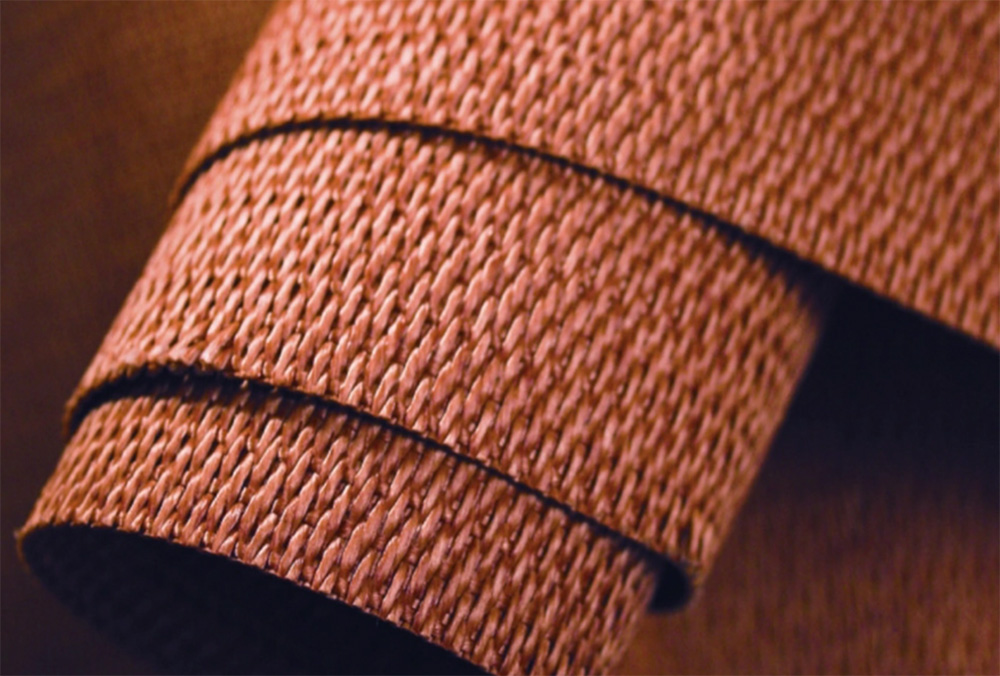
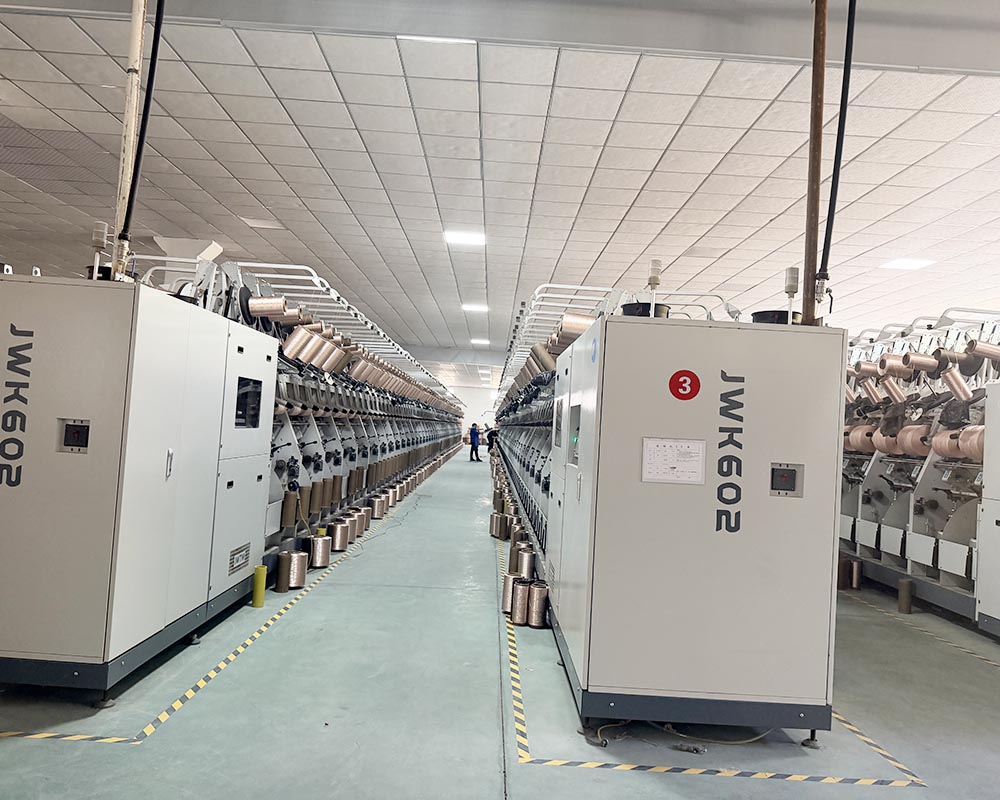
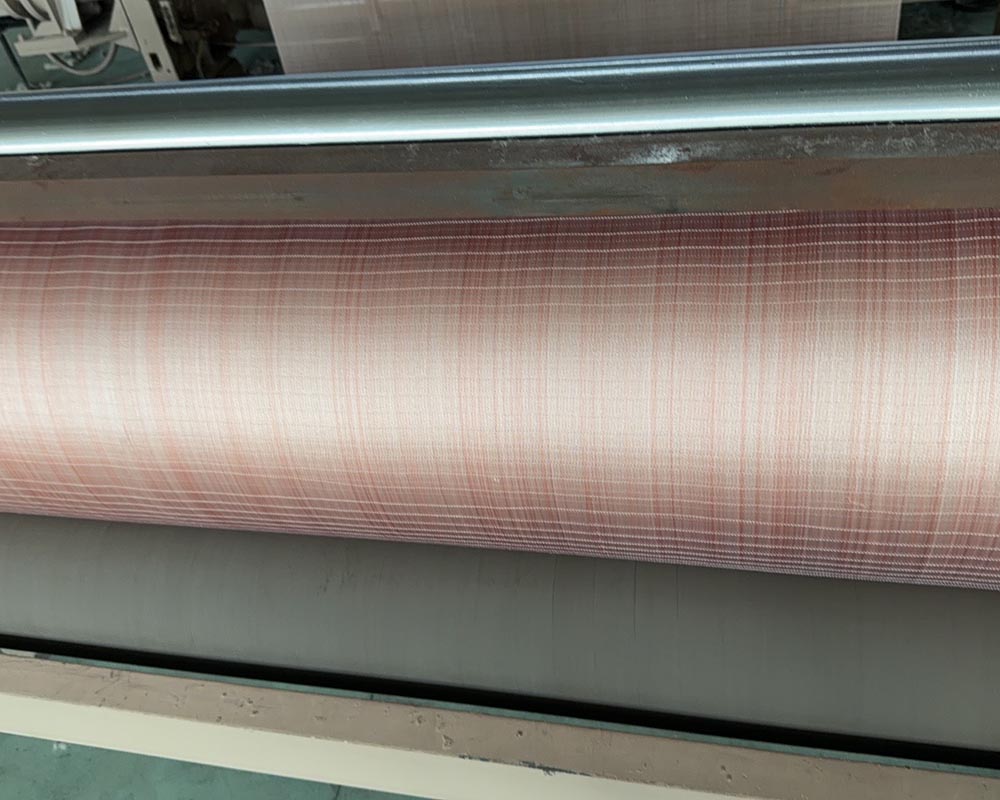
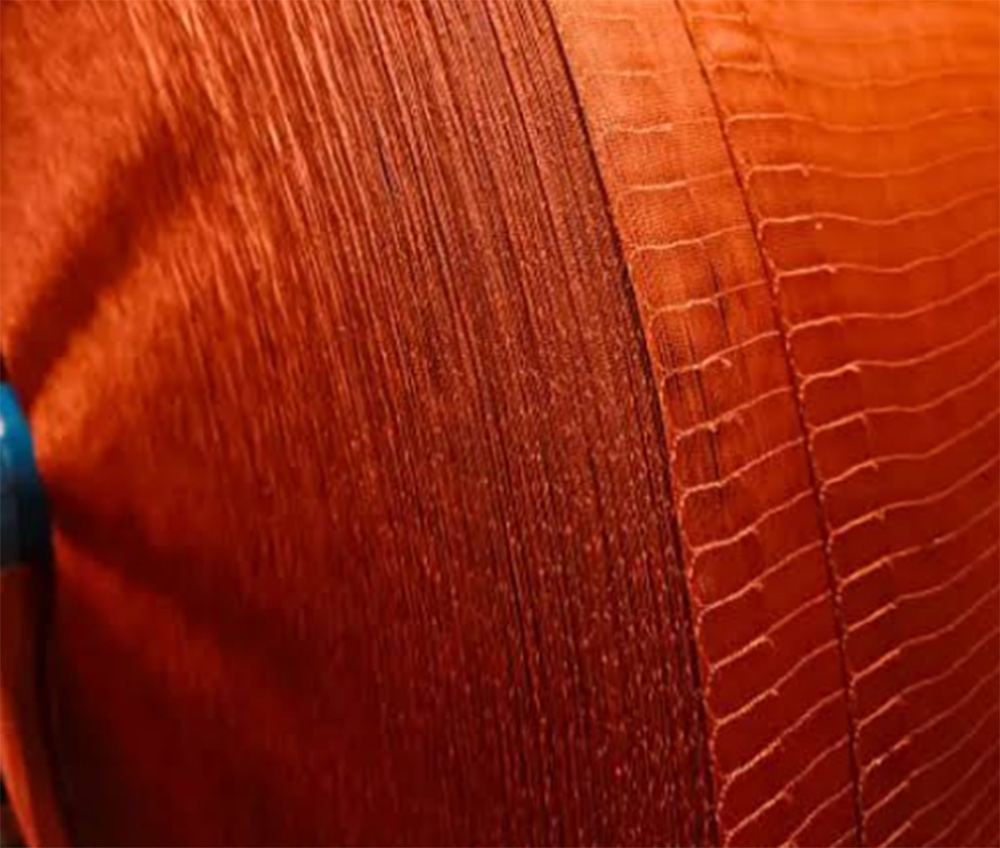
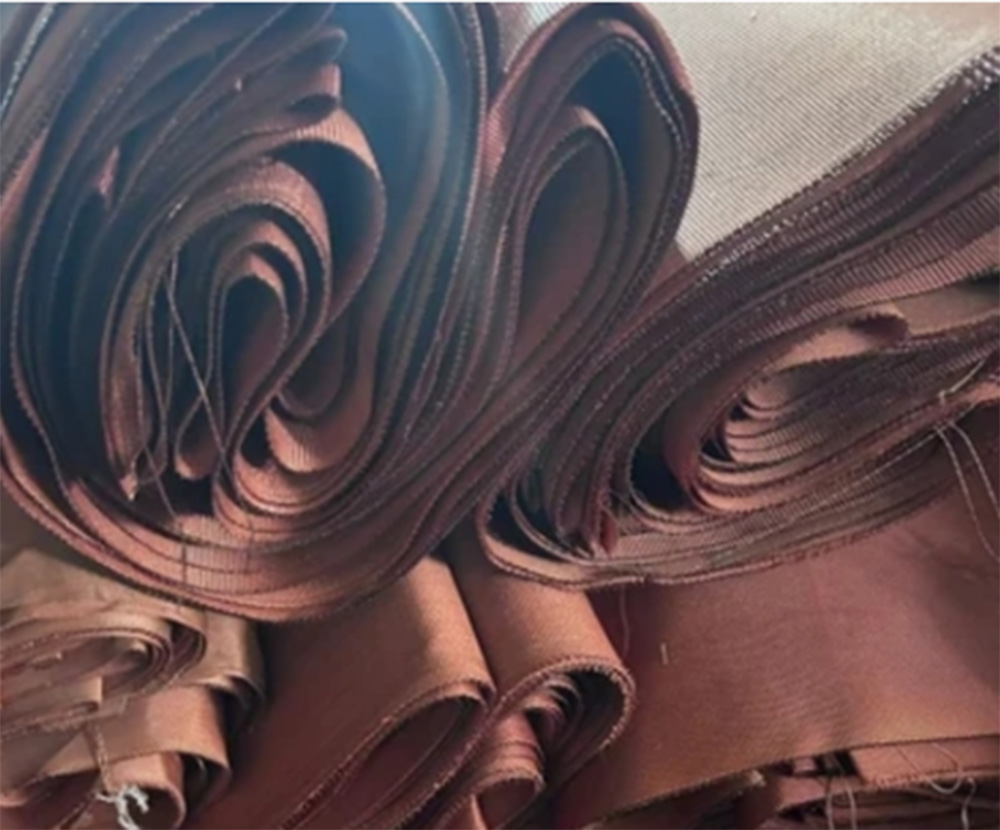
Industrial Engineering & Material Efficiency Analysis by Weixin Fabric Executive Summary: In modern automotive tire manufacturing, tire cord fabric represents a significant portion of raw material costs in the carcass ply assembly line. Uncontrolled scrap—caused by edge necking during hot-stretching, inconsistent Resorcinol-Formaldehyde-Latex (RFL) dip pickup, yarn spacing deviations (EPI non-uniformity), and thermal shrinkage variances—erodes margins and compromises manufacturing efficiency. Through systematic process optimization and continuous quality control across the weaving, dipping, and calendering preparation stages, Weixin Fabric successfully engineered a process framework that achieved a 15% reduction in fabric waste during carcass ply production. As a leading Chinese manufacturer specializing in high-tenacity Nylon 6, Nylon 66, and Polyester tire cord fabrics, Weixin Fabric delivers scalable, eco-efficient reinforcement solutions for global tire original equipment manufacturers (OEMs). Prior to implementing process optimization, technical audits across standard dipping and calendering prep lines revealed three core operational challenges that led to excessive material trim, off-spec scrap, and rework: The table below details the technical interventions implemented by Weixin Fabric to stabilize production, improve yield, and eliminate material loss: Following the full deployment of Weixin Fabric's process optimization protocols, measurable improvements were recorded across long-term production runs: Weixin Fabric is an established industry leader in high-performance tire cord fabric manufacturing in China. By combining state-of-the-art weaving looms, continuous computer-controlled dipping lines, and rigorous quality assurance systems, Weixin Fabric equips global tire manufacturers with premier reinforcement fabrics that optimize both performance and cost efficiency. We offer customized dipped Nylon 6, Nylon 66, Polyester, and hybrid cord fabrics engineered to exact OEM specifications, backed by comprehensive technical support and process consulting. Reducing fabric waste in carcass production requires deep material knowledge, automated process controls, and rigorous engineering standards. Partner with Weixin Fabric to leverage our technical expertise and elevate your tire manufacturing efficiency. Contact our engineering consultants today to discuss custom fabric specifications, process audits, and trial sample evaluations.Case Study: Reducing Fabric Waste by 15% Through Process Optimization in Carcass Production
1. Root Cause Analysis: Primary Sources of Fabric Waste in Carcass Manufacturing
2. Engineering Interventions: The 4-Stage Optimization Framework
Process Phase Technical Optimization Implemented Quantifiable Waste Reduction Impact 1. Weaving & Creel Tensioning Closed-loop electronic tension control on every yarn package; automatic warp tension balancing. Eliminated cord crossing and density fluctuations, cutting weaving scrap by 3.2%. 2. RFL Adhesive Dipping Zone Real-time isotopic coat-weight sensors with automated dip solids compensation and viscosity control. Achieved uniform dry pickup (DPU %) across full roll length, reducing adhesive-related roll rejections by 4.5%. 3. Multi-Zone Thermal Stretching Dynamic transverse web guiding and zoned IR thermal profiling in 220°C–235°C ovens. Controlled edge contraction, reducing side-trim loss during calendering by 5.1%. 4. Batching & Splicing Automation Ultrasonic precision cord splicing during roll changeovers with constant tension accumulators. Minimized tail-end scrap and start-up off-spec fabric, adding a further 2.2% waste savings.
3. Quantitative Results and Industrial Benefits
4. Why Partner with Weixin Fabric for Advanced Tire Cord Solutions
Conclusion: Drive Efficiency in Your Reinforcement Lines
Our Expertise – Carcass Fabric & Dipped Fabric Solutions
As a professional manufacturer and solution expert, we specialize in Carcass Fabric for Automotive Tires, Dipped Fabric for Conveyor Belts, Dipped Fabric for Fishing Nets, and Grade C Cord Fabric. With years of R&D and production experience, we provide high-strength, heat-resistant, and durable industrial fabrics tailored to global clients' specific requirements. Our products are widely used in tire reinforcement, conveyor belt carcass, fishing net manufacturing, and other industrial applications. Explore full product range →
Also check our Tire Cord Fabric, Conveyor Belt Dipped Fabric, and Fishing Net Dipped Fabric pages.