The Role of Smart Sensors in Real-Time Tire Cord Fabric Quality Monitoring
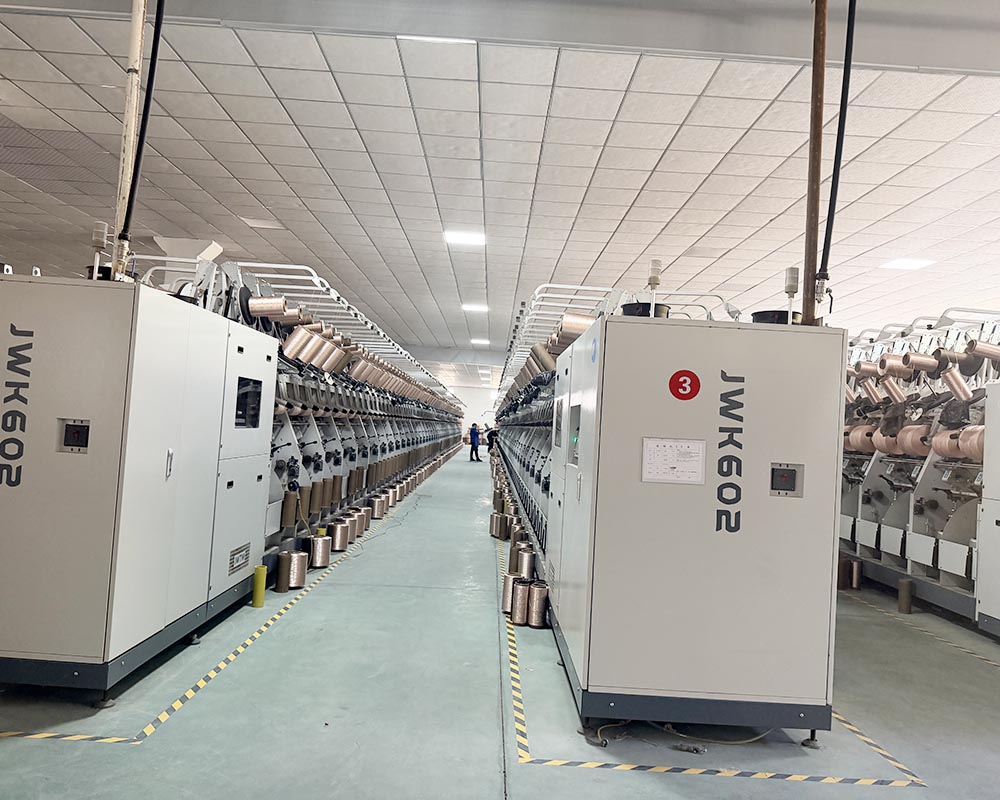
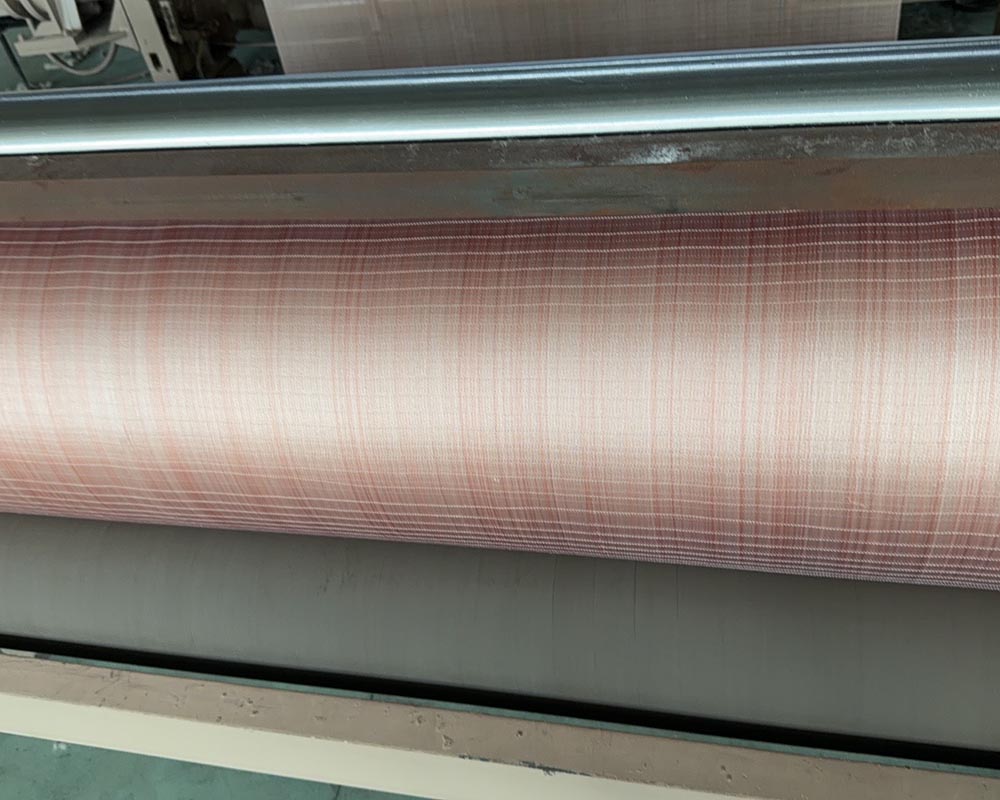
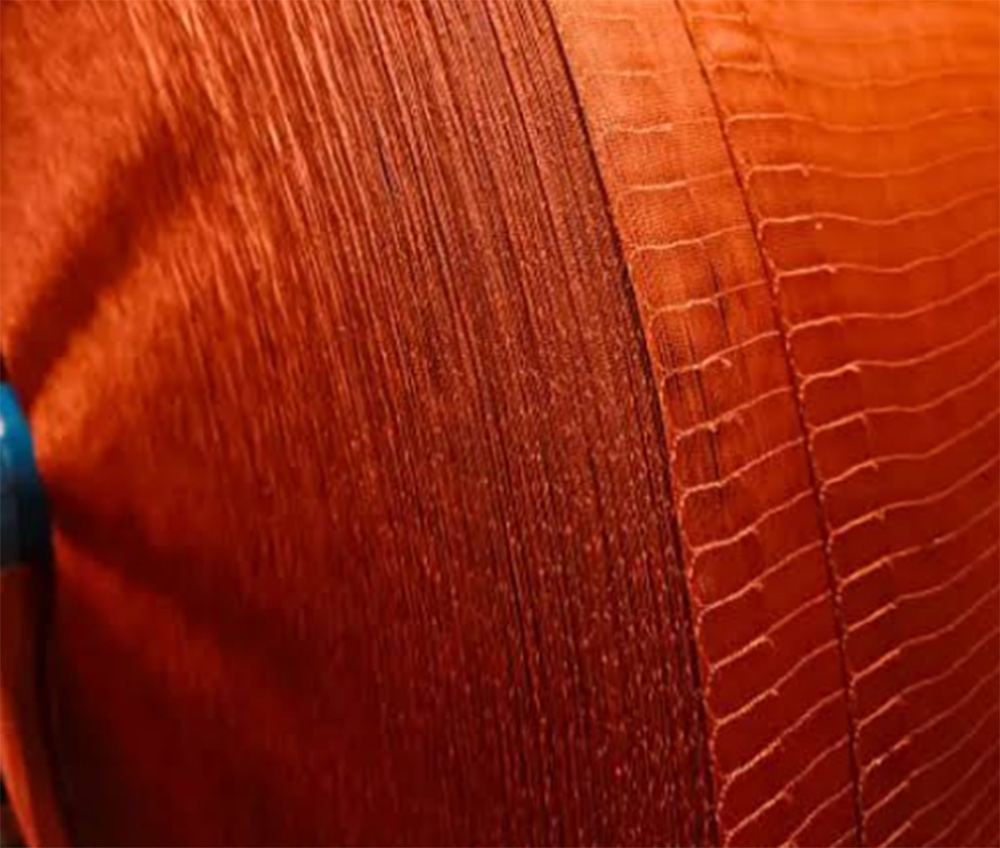
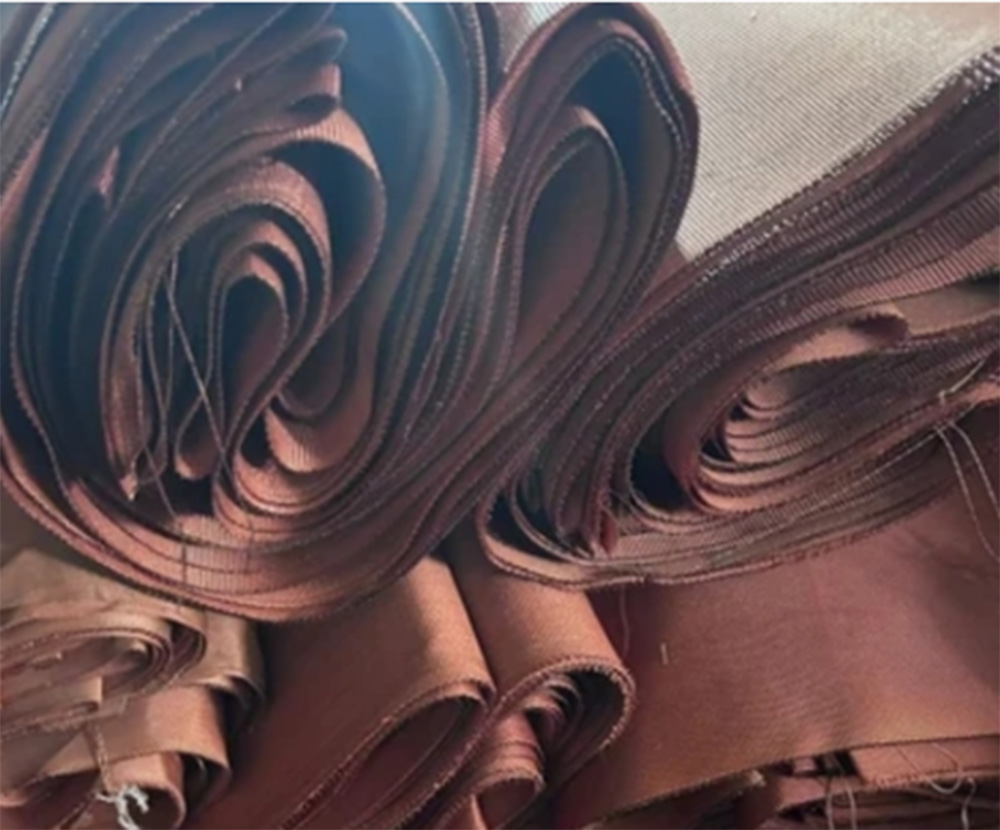
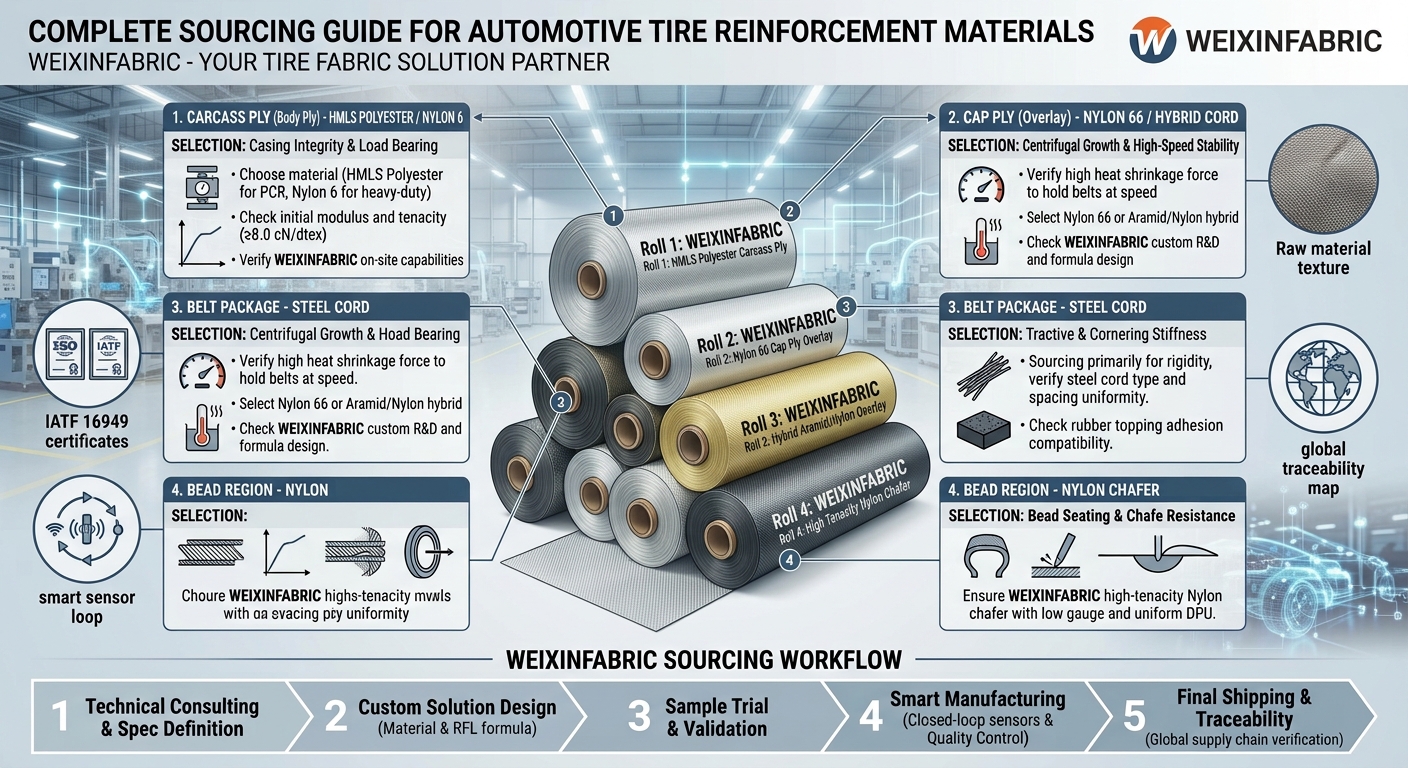
Smart Manufacturing & Process Automation Analysis by Weixin Fabric Executive Overview: In high-performance automotive tire manufacturing, reinforcement fabrics—including dipped Nylon 6, Nylon 66, and Polyester tire cord fabrics—must adhere to micro-level physical tolerances. Microscopic variations in yarn tension, RFL dip pickup, thermal distribution, or cord spacing can compromise structural integrity, leading to sidewall defects, ply separation, or post-cure dimensional shifts. To establish absolute zero-defect manufacturing, Weixin Fabric integrates advanced smart sensor networks and IoT edge computing across our dipping, weaving, and heat-stretching lines. As a leading Chinese supplier of high-tenacity tire cord fabrics, Weixin Fabric leverages real-time digital feedback loops to guarantee unmatched dimensional consistency, dynamic fatigue endurance, and process repeatability for global tire OEMs. Manufacturing dipped tire cord fabrics requires controlling complex thermodynamic and mechanical interactions simultaneously. Smart sensor integration targets four essential physical parameters: The table below details the multi-layered sensor matrix deployed on Weixin Fabric's continuous processing and dipping lines to enable automated quality control: Collecting sensor data is only the first step. At Weixin Fabric, real-time sensor streams are integrated into a closed-loop Programmable Logic Controller (PLC) architecture coupled with cloud-based analytics: Weixin Fabric stands at the forefront of digital transformation in China's industrial textile sector. Our smart-monitored manufacturing infrastructure ensures that every meter of Nylon 6, Nylon 66, and Polyester tire cord fabric meets strict international automotive standards. By leveraging real-time sensor intelligence, Weixin Fabric delivers superior batch-to-batch consistency, reduced scrap rates during rubber calendering, and enhanced high-speed dynamic performance for tire manufacturers worldwide. Real-time quality monitoring through smart sensor networks is fundamental to producing high-reliability tire reinforcement materials. Partner with Weixin Fabric to integrate advanced, sensor-verified tire cord solutions into your tire manufacturing process. Contact our technical engineering team today for technical data sheets, automated inspection metrics, and custom RFL fabric samples.The Role of Smart Sensors in Real-Time Tire Cord Fabric Quality Monitoring
1. Critical Quality Variables in Tire Cord Fabric Production
2. Smart Sensor Technologies Implemented by Weixin Fabric
Sensor Technology Operational Function & Monitoring Zone Impact on Fabric Quality & Performance Multi-Axis Load Cells & Tension Transducers Continuous zone-by-zone web tension detection in hot-stretching & normalizing ovens. Eliminates tension fluctuations, ensuring uniform cord modulus and low heat shrinkage (< 2.5%). High-Speed Optical Line-Scan Cameras Real-time AI vision inspection for warp yarn spacing (EPI), cord crossing, and knot detection. Guarantees flawless fabric geometry, preventing width necking and cord crowding during skim coating. Infrared Pyrometers & Thermal Imaging Arrays Continuous surface temperature mapping across multi-stage drying and curing zones. Ensures exact thermal exposure for complete RFL latex vulcanization without thermal degradation. Online Isotopic / Beta-Ray Thickness Gauges Non-contact continuous coat-weight monitoring immediately after RFL dip application. Maintains precise RFL pick-up percentage (DPU %), optimizing rubber adhesion and flex-fatigue life.
3. Closed-Loop Automation and AI-Driven Predictive Quality
4. Why Partner with Weixin Fabric for Smart-Monitored Tire Cord Solutions
Conclusion: Elevate Your Tire Quality with Smart Fabric Technology
Our Expertise – Carcass Fabric & Dipped Fabric Solutions
As a professional manufacturer and solution expert, we specialize in Carcass Fabric for Automotive Tires, Dipped Fabric for Conveyor Belts, Dipped Fabric for Fishing Nets, and Grade C Cord Fabric. With years of R&D and production experience, we provide high-strength, heat-resistant, and durable industrial fabrics tailored to global clients' specific requirements. Our products are widely used in tire reinforcement, conveyor belt carcass, fishing net manufacturing, and other industrial applications. Explore full product range →
Also check our Tire Cord Fabric, Conveyor Belt Dipped Fabric, and Fishing Net Dipped Fabric pages.