How Hot-Stretching Improves Nylon Tire Cord Fabric Dimensional Stability
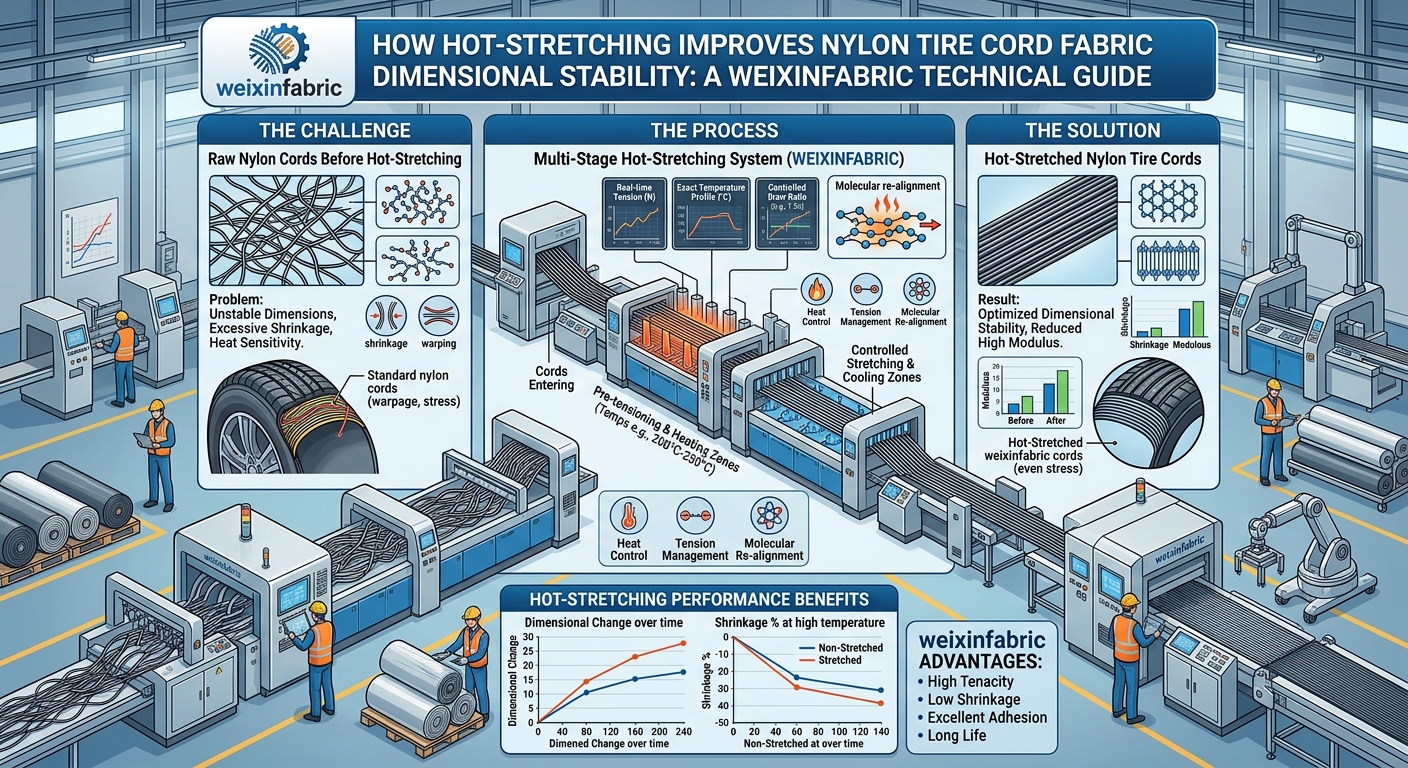
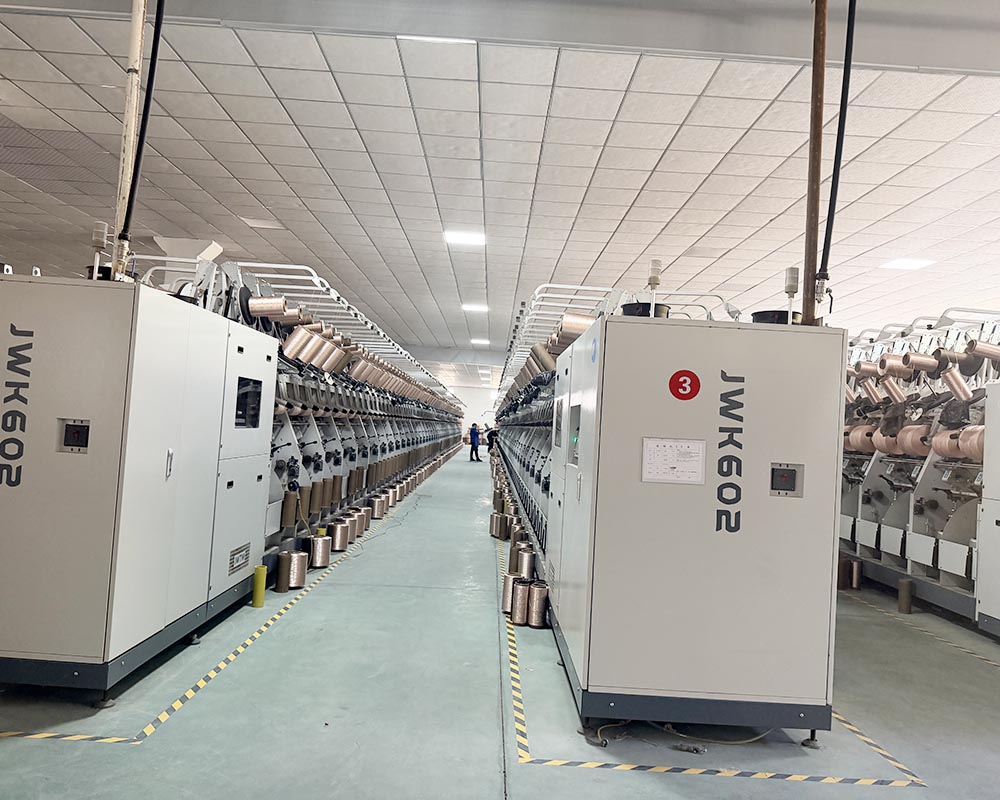
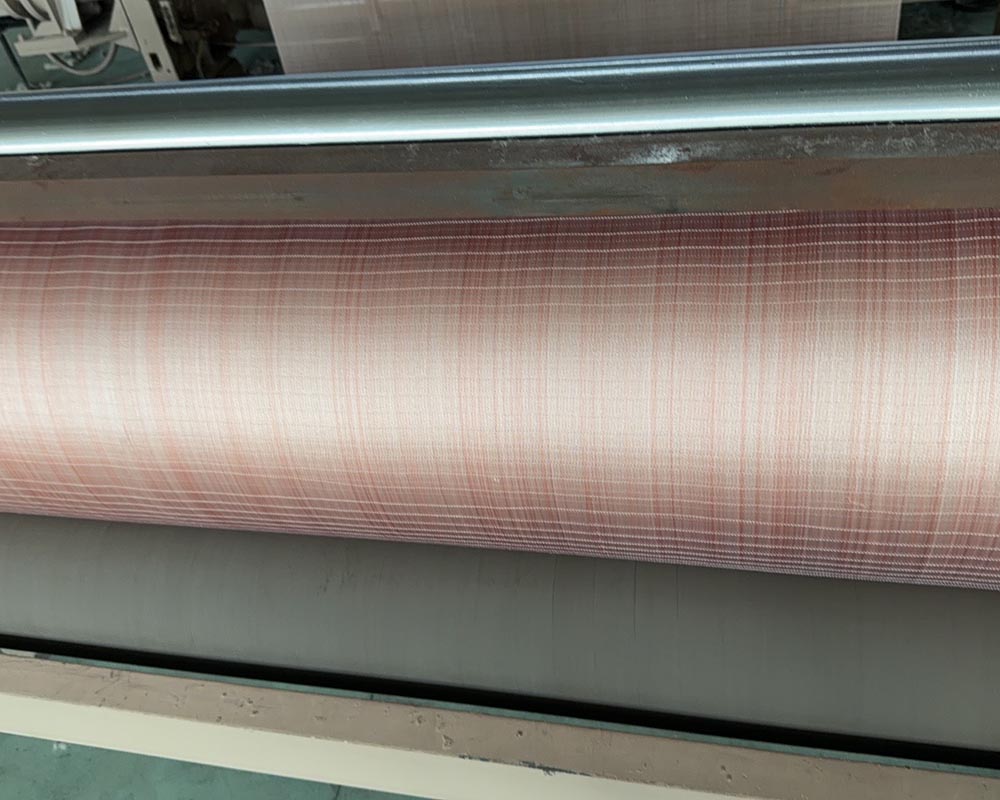
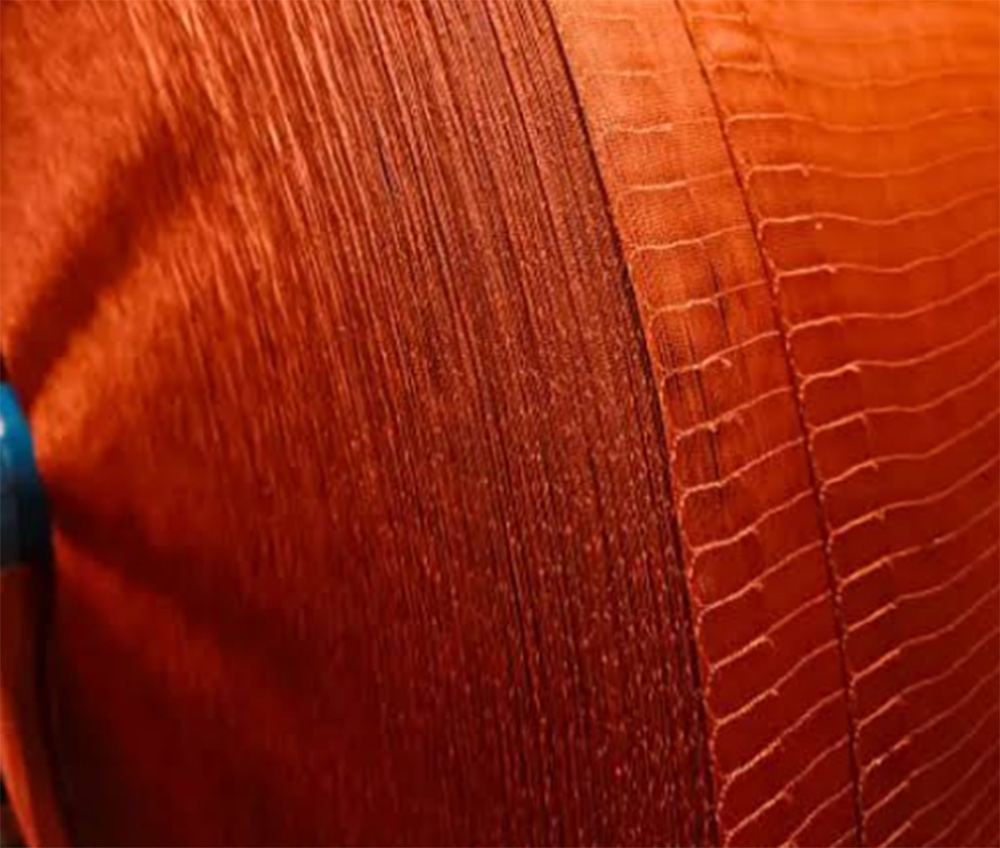
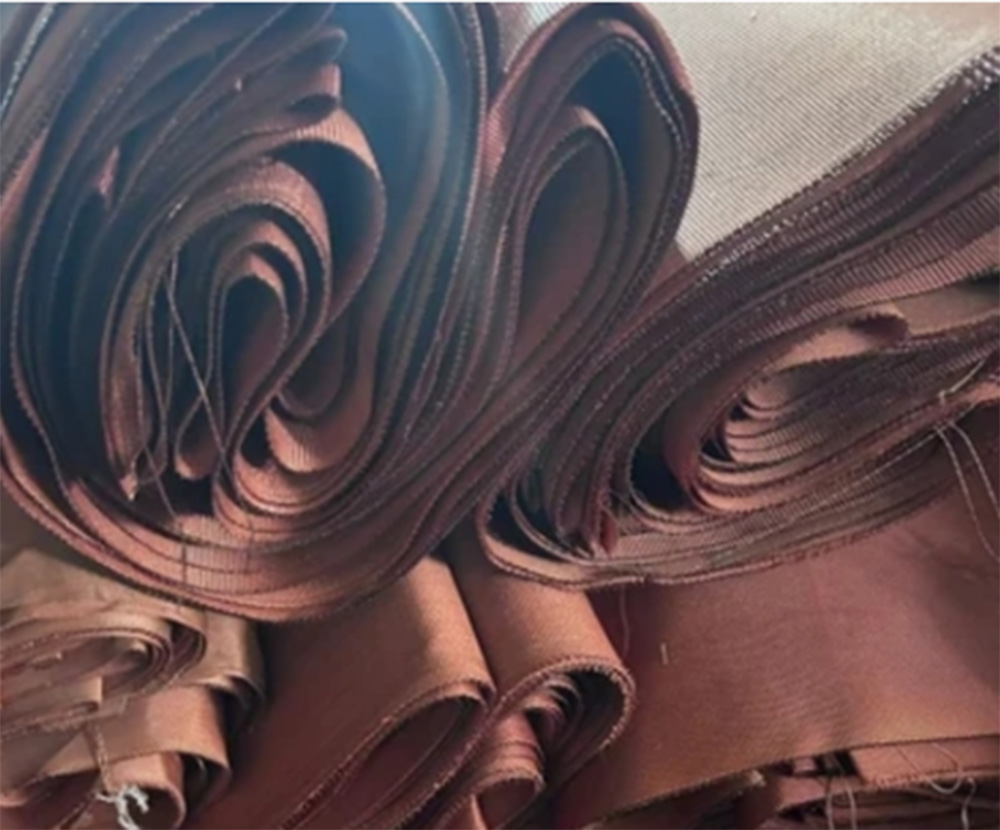
Thermal Processing Engineering & Polymer Morphology Analysis by Weixin Fabric Executive Overview: Nylon tire cord fabrics—primarily Nylon 6 (PA6) and Nylon 66 (PA66)—are widely utilized as reinforcement plies and zero-degree belt overlays in automotive radial tires due to their exceptional energy absorption, impact resistance, and dynamic flex-fatigue endurance. However, untreated aliphatic polyamide fibers naturally display high thermal shrinkage and elongation under stress, which can lead to tire shape instability, sidewall bulging, and post-cure deformation. To eliminate these inherent material limitations, advanced thermal processing—specifically multi-stage hot-stretching during Resorcinol-Formaldehyde-Latex (RFL) dipping—is critical. As a specialized Chinese enterprise producing high-tenacity tire cord fabrics, Weixin Fabric incorporates precise computer-controlled hot-stretching technology to optimize macromolecular alignment, guaranteeing superior dimensional stability for global tire manufacturers. At the molecular level, synthetic polyamide fibers consist of crystalline domains dispersed within amorphous regions connected by flexible polymer chains. When exposed to tire vulcanization temperatures (typically 160°C–180°C), hydrogen bonds within the amorphous zones break down, causing chain relaxation and macro-shrinkage. Hot-stretching re-engineers this molecular structure through three synchronized physical actions: The table below summarizes the multi-stage thermal tension dipping process executed across Weixin Fabric's continuous dipping lines: Implementing precisely hot-stretched Nylon cord fabrics provides measurable advantages in finished tire manufacturing and road performance: Weixin Fabric is an established industry leader in high-performance tire cord fabric manufacturing in China. Our state-of-the-art dipping lines feature multi-zone tension load cells, closed-loop thermal regulation, and continuous optical width monitoring. We supply custom dipped Nylon 6, Nylon 66, HMLS Polyester, and hybrid fabrics engineered for precise thermal shrinkage, superior RFL adhesion, and exceptional dynamic durability. By partnering with Weixin Fabric, global tire OEMs achieve repeatable quality, reduced scrap rates, and enhanced tire performance. Hot-stretching is a crucial thermal engineering phase that transforms raw synthetic polyamide fibers into high-precision tire carcass plies and cap overlays. Rely on the expertise of Weixin Fabric to deliver engineered tire cord fabrics that elevate product reliability and manufacturing yield. Contact our technical engineering consultants today for detailed technical datasheets, custom RFL dipping specifications, and fabric sample testing.How Hot-Stretching Improves Nylon Tire Cord Fabric Dimensional Stability
1. Macromolecular Mechanism: Why Polyamide Requires Hot-Stretching
2. Multi-Zone Hot-Stretching Process Stages at Weixin Fabric
Process Stage Operating Parameters Impact on Dimensional & Mechanical Properties 1. RFL Dip Application & Drying Zone Temperature: 120°C – 140°C
Low TensionEvaporates aqueous carriers and prepares the RFL adhesive film without pre-curing the resin matrix. 2. High-Tension Hot-Stretch Zone Temperature: 215°C – 235°C
High Tension (Controlled Stretch %)Aligns amorphous polyamide chains, increases initial modulus, and drastically reduces low-load elongation. 3. Heat-Normalizing / Relax Zone Temperature: 220°C – 230°C
Controlled Overfeed / Relaxation TensionCrosslinks the RFL latex film to the fiber surface while stabilizing heat shrinkage to tight target thresholds (< 2.5%). 4. Controlled Cooling Zone Rapid Ambient Air Cooling under Constant Tension Locks in molecular orientation, preventing post-treatment relaxation prior to fabric batching and calendering.
3. Tire Performance Advantages Delivered by Hot-Stretching
4. Why Partner with Weixin Fabric for Advanced Tire Cord Solutions
Conclusion: Optimize Your Reinforcement Quality
Our Expertise – Carcass Fabric & Dipped Fabric Solutions
As a professional manufacturer and solution expert, we specialize in Carcass Fabric for Automotive Tires, Dipped Fabric for Conveyor Belts, Dipped Fabric for Fishing Nets, and Grade C Cord Fabric. With years of R&D and production experience, we provide high-strength, heat-resistant, and durable industrial fabrics tailored to global clients' specific requirements. Our products are widely used in tire reinforcement, conveyor belt carcass, fishing net manufacturing, and other industrial applications. Explore full product range →
Also check our Tire Cord Fabric, Conveyor Belt Dipped Fabric, and Fishing Net Dipped Fabric pages.