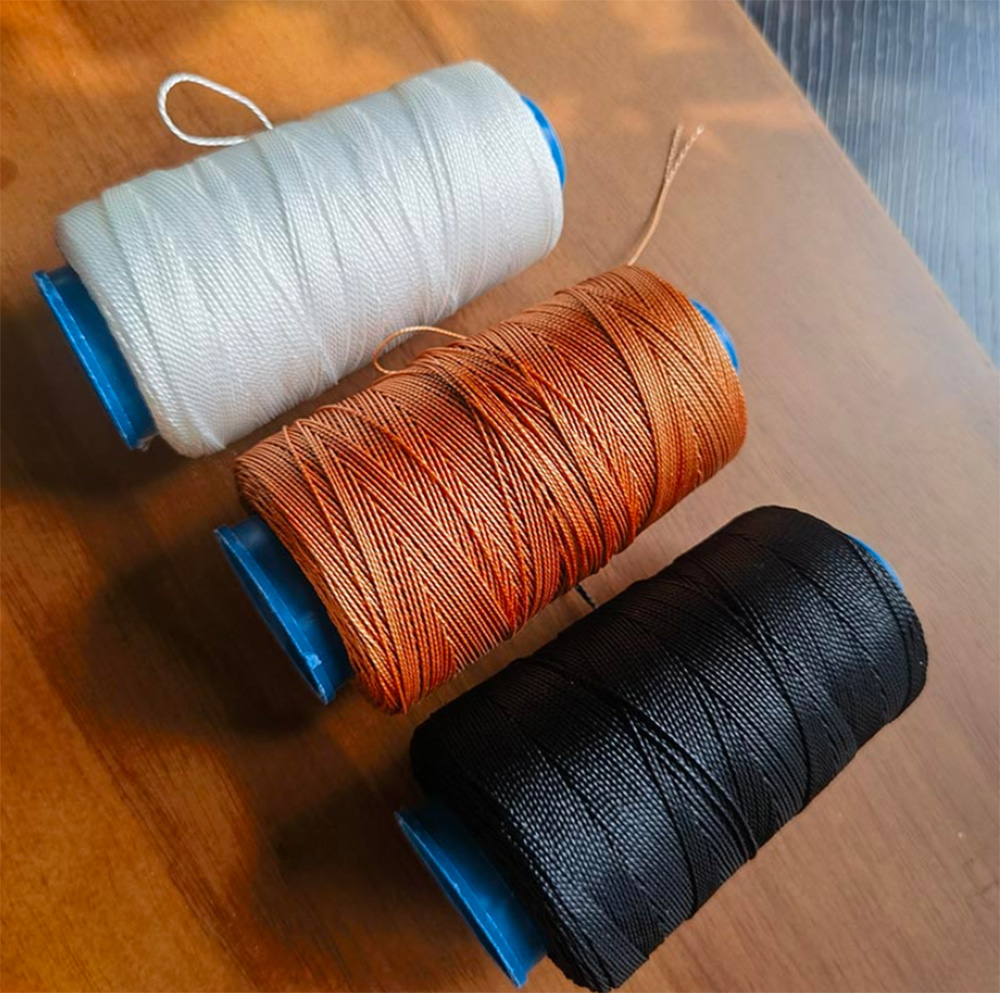
From Net to Knot: Why Grade C Cord Fabric Determines the Break Strength of Your Fishing Net?
Every commercial fisherman knows the dread of a net failure under heavy load. But where does the break actually occur? In most cases, the rupture doesn't happen along the middle of a mesh — it happens at the knot. And the knot's strength isn't determined by the knot itself, but by the Grade C cord fabric that makes up the net. This article explains why Grade C dipped cord fabric is the single most critical factor in fishing net break strength, and how material selection, dipping quality, and tensile uniformity translate directly into reliable catch performance.
1. Understanding Grade C Cord Fabric for Fishing Nets
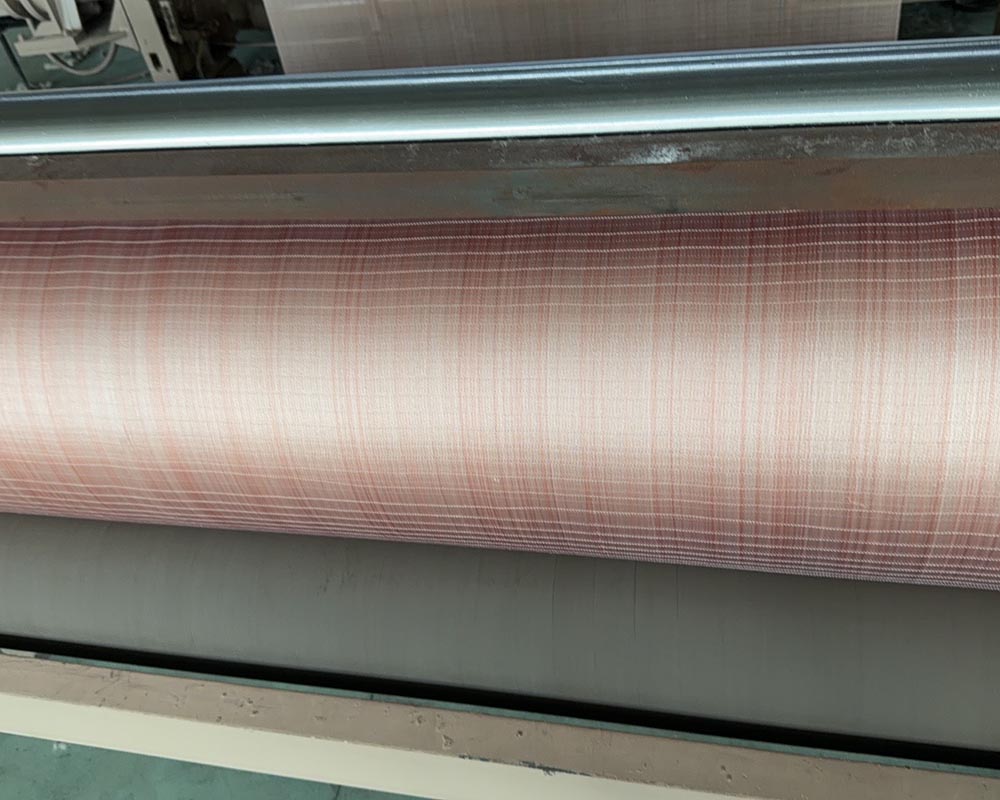
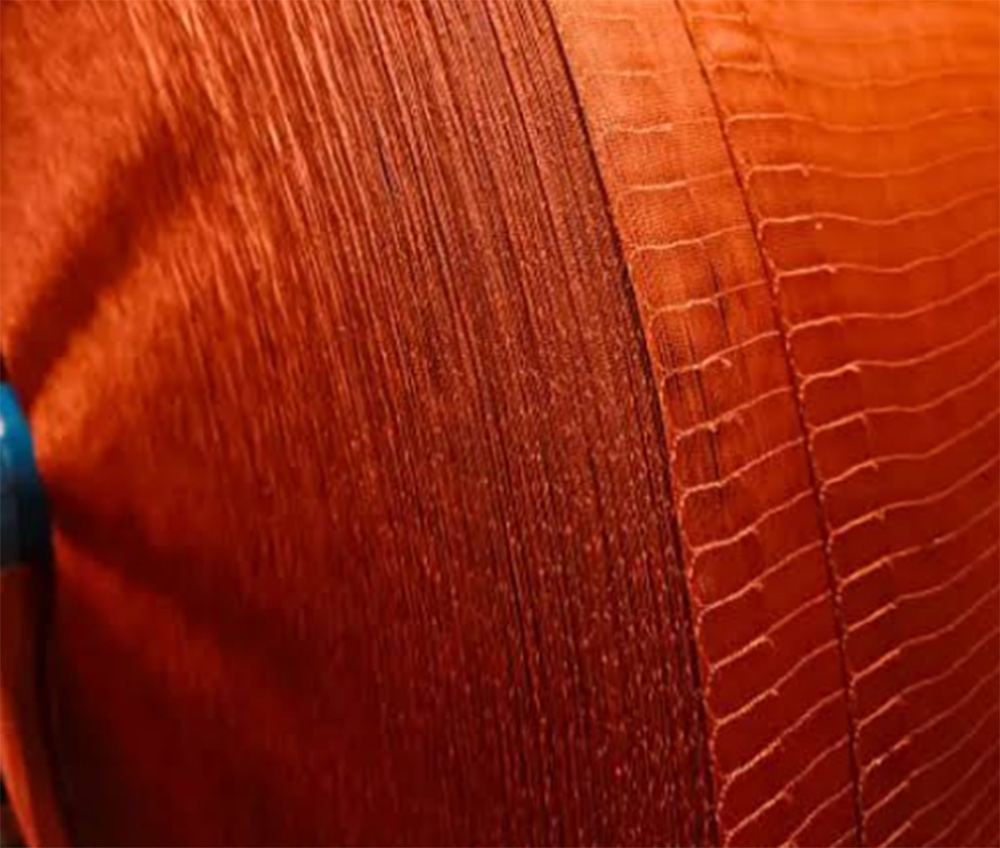
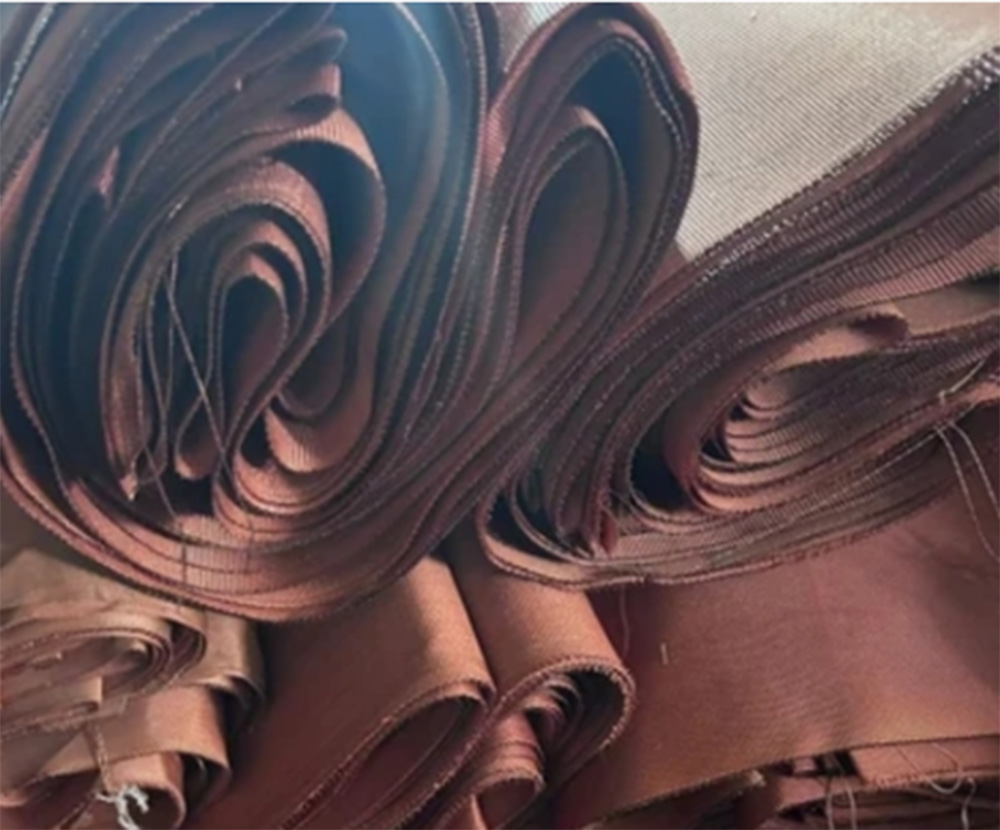
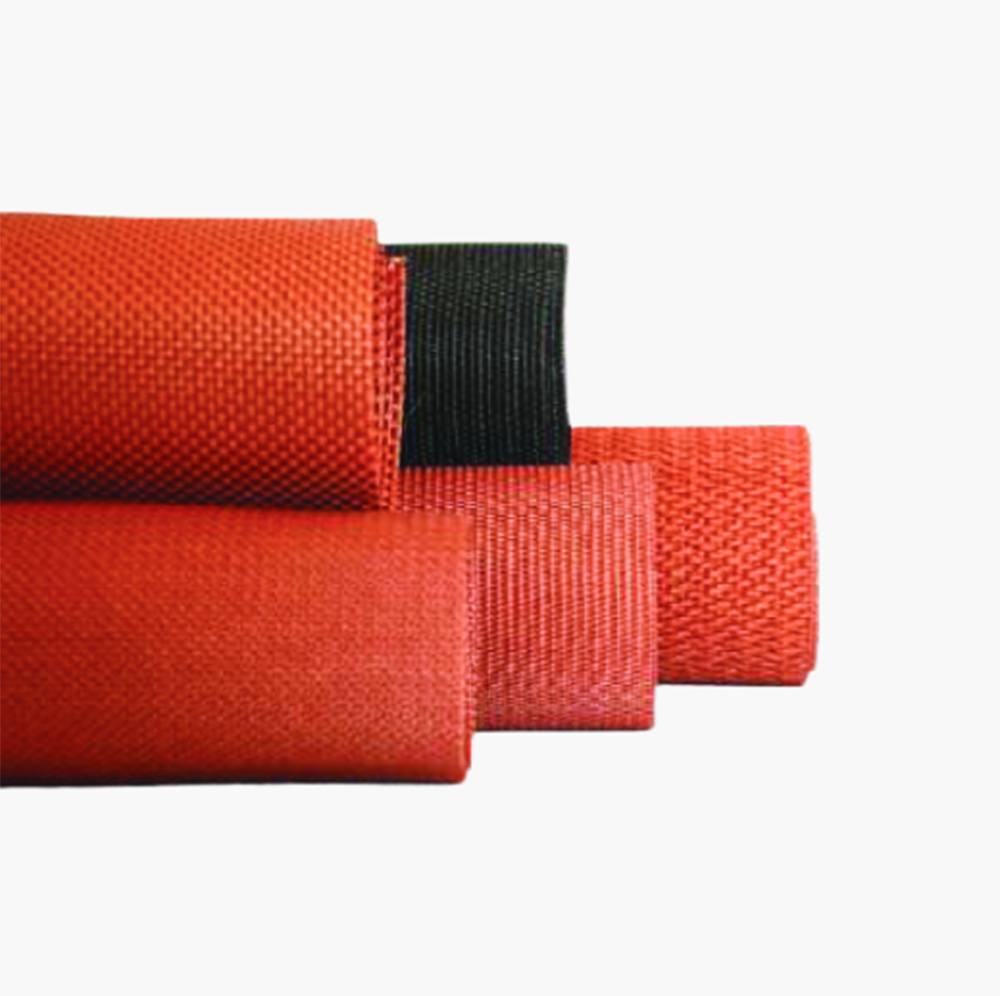
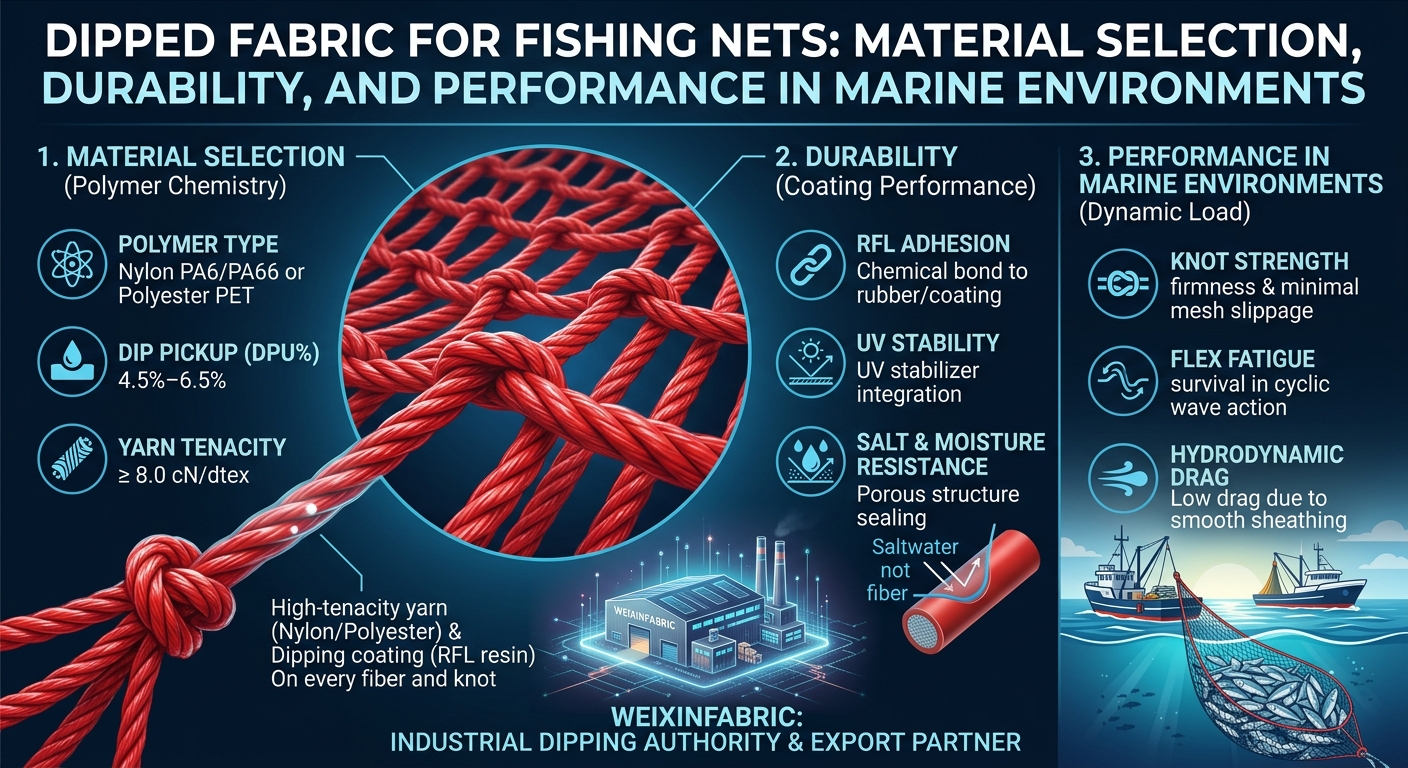
Grade C cord fabric (also referred to as dipped cord or netting twine) is a high-tenacity industrial yarn — typically nylon (polyamide) or polyester — that has been treated with an RFL (Resorcinol-Formaldehyde-Latex) dip. The "Grade C" classification indicates specific performance thresholds: breaking strength, elongation at break, adhesion level, and uniformity. For fishing nets, Grade C fabric serves as the raw material that net makers knot, weave, or splice into finished nets. But not all Grade C is equal: the knot strength efficiency — how much of the cord's straight tensile strength remains after knotting — varies dramatically based on yarn surface finish, dip formulation, and filament integrity.
2. The Knot: The True Weak Point
When you tie a knot in any cord, the bending and compression create stress concentrations that reduce the breaking force by 30-50% compared to the straight cord. In fishing nets, common knots (double knot, weaver's knot, or twisted knot) squeeze the cord material. A poorly dipped Grade C fabric will have brittle dip coating that cracks at the knot, exposing the filaments to abrasion and moisture. Conversely, a high-quality Grade C fabric with flexible dip adhesion and uniform filament tension will maintain 85-92% of its straight strength at the knot. This is the difference between a net that holds under a sudden surge and one that tears open.
3. Beyond Knots: Tensile Uniformity Across the Net
A fishing net contains thousands of knots. If the Grade C cord fabric has uneven tensile strength — variations of more than 5% between rolls or even within the same roll — the net will fail at the weakest knot. That's why Weixin Fabric tests every batch of Grade C cord for coefficient of variation (CV) in breaking strength. Our target CV is ≤1.5%, meaning you can design nets with confidence, without overspecifying just to cover weak spots. This uniformity also enables lighter net constructions that save fuel without sacrificing strength.
4. Nylon vs. Polyester for Grade C Fishing Net Cord
Both materials are available in Grade C quality, but they perform differently in marine environments:
- Nylon (Polyamide 6 or 66): Higher elasticity and impact absorption, excellent knot holding, but absorbs moisture (3-4%) which temporarily reduces strength by ~15%. Preferred for gillnets and trawls where shock loading is common.
- Polyester (PET): Lower stretch, superior UV resistance, and no moisture weakness. Maintains 100% of strength even after months in saltwater. Ideal for stationary nets and longline systems where dimensional stability matters.
Weixin Fabric supplies both variants as Grade C dipped cord, with RFL formulas optimized for each polymer's surface chemistry to maximize knot strength retention.
5. Technical Comparison: Grade C Cord Fabric Impact on Break Strength
| Parameter | Standard Net Cord | Premium Grade C (Weixin) | Effect on Net Break Strength |
|---|---|---|---|
| Straight tensile strength (cN/dtex) | 6.5-7.0 | 7.5-8.5 | Higher base strength |
| Knot retention efficiency (%) | 60-75% | 85-92% | Actual net strength much higher |
| Breaking strength CV (%) | 5-8% | ≤1.5% | No weak links, predictable failure |
| UV resistance (500h retained) | 50-65% | 85-90% | Net stays strong after seasons |
| Abrasion resistance (cycles to fail) | 800-1200 | 2000+ | Knots resist chafing against rocks |
6. Real-World Case: Indonesian Purse Seine Net
A purse seine operator in Eastern Indonesia was experiencing net bursts every 8-10 months, always at knot locations near the tow line. The Grade C cord they used had inconsistent dip pickup and low knot retention (estimated ~68%). After switching to Weixin Fabric's Grade C Nylon cord fabric with our precision-dipping process, knot retention increased to 91%. The net has now operated for 22 months without failure, and the captain reports fewer fish escapes due to mesh opening. The break strength of the net — in real terms — more than doubled without changing cord diameter.
7. How to Specify Grade C Cord Fabric for Maximum Break Strength
When sourcing Grade C cord fabric for fishing nets, demand these specifications:
- Knot strength certificate: A test report showing knot breaking force vs. straight tensile force (minimum 85% retention).
- CV of breaking strength: ≤2% within roll, ≤3% batch-to-batch.
- Dip pick-up uniformity: Variation ≤3% across fabric width.
- Material declaration: Virgin polymer (no recycled content) for consistent filament integrity.
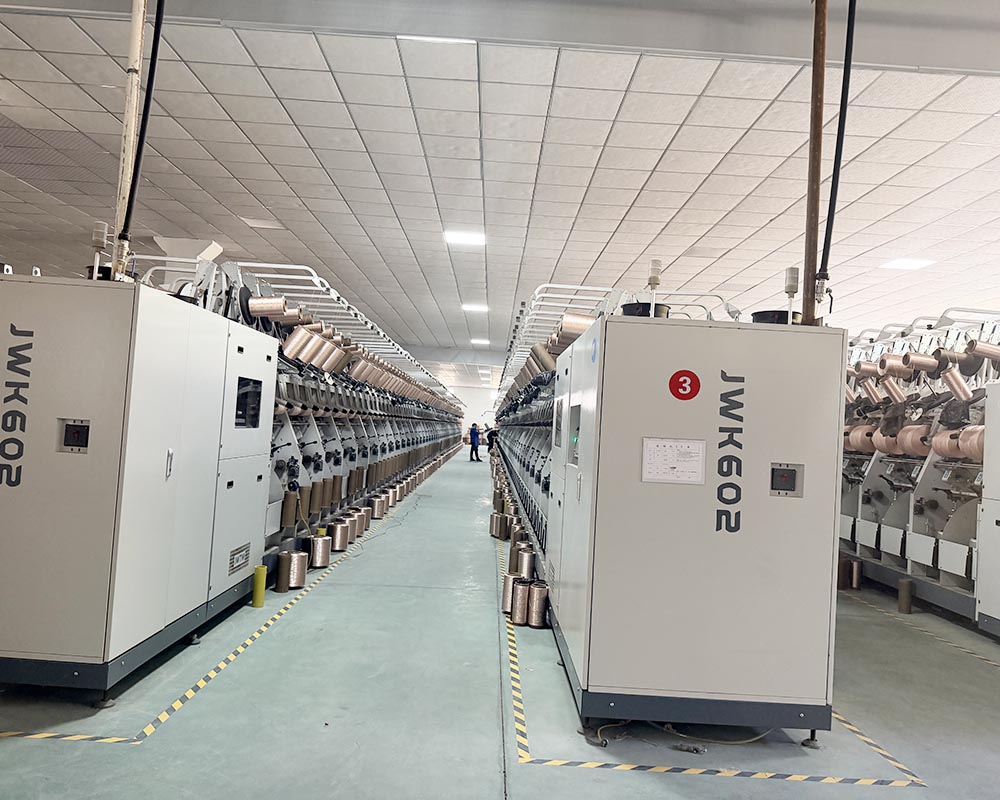
At Weixin Fabric, every shipment of Grade C cord fabric for fishing nets includes a technical datasheet with these metrics. Our dipping line's closed-loop tension control ensures that every meter of cord delivers the knot strength your fishery depends on.