How Fabric Construction (Twist, Denier, and Weave) Affects Fishing Net Strength and Mesh Stability
How Fabric Construction (Twist, Denier, and Weave) Affects Fishing Net Strength and Mesh Stability
Technical Engineering & Textile Architecture Guide by Weixin Fabric
Executive Summary: The operational performance, load-bearing capacity, and service life of commercial fishing nets depend heavily on structural textile architecture. While polymer selection establishes baseline physical properties, structural parameters—specifically twist multiplier, linear density (denier/dtex), and weave geometry—determine mechanical strength, knot slippage resistance, and dimensional mesh stability under extreme marine drag.
This technical report provides commercial fishery equipment manufacturers, marine gear engineers, and ocean supply chain managers with a detailed analysis of textile construction dynamics. As a leading manufacturer specializing in high-tenacity industrial dipped fabrics, tire cord fabrics, and marine textiles, Weixin Fabric provides custom engineered cordage and fabric architectures optimized for commercial fishing environments.
1. The Impact of Yarn Twist (Level, Direction, and Multiplier)
Yarn twisting converts continuous filament bundles into cohesive cords capable of enduring dynamic tension and shearing forces in turbulent currents:
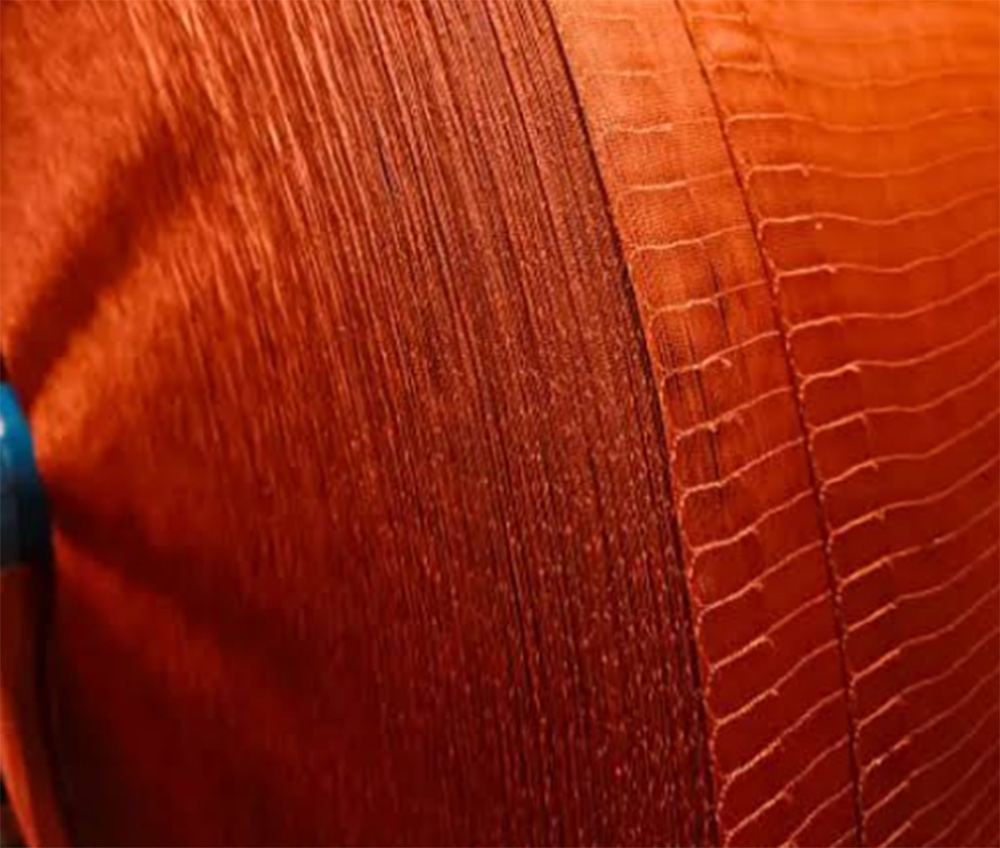
Twist Level (Turns Per Meter - TPM): Increasing TPM enhances inter-fiber friction, abrasion resistance, and fatigue endurance. However, excessive twist reduces maximum tensile breaking strength due to oblique filament alignment relative to the axis of force.
Twist Balance (S/Z Construction): Balancing primary single-yarn twist (S or Z) with plied cord twist (Z or S) prevents cord torque, spiraling, and net entanglements during deployment and retrieval.
Compactness vs. Hydrodynamic Drag: Optimal twist yields a compact cord cross-section that minimizes water pickup and reduces hydrodynamic drag during deep-sea trawling.
2. Denier Selection and Linear Density Calculations
Selecting the optimal linear density (Denier or dtex) requires balancing net breaking force against total weight and towing resistance:
3. Weave Patterns and Mesh Stability Engineering
Weave geometry dictates how tensile loads distribute across warp and weft intersections, directly impacting mesh distortion and knot slippage:
Knotted Netting Construction: Relies on mechanical interlock knots (English Knot, Sheet Bend). High-twist yarns combined with specialized thermo-fixation dipping ensure permanent knot stability under load.
Knotless Raschel / Warp Knitted Fabrics: Eliminates bulky knots to reduce net weight and water resistance by up to 30%. Load distribution is uniform across continuous filament junctions.
Square vs. Diamond Mesh Geometry: Square mesh configurations maintain open water passage under tension, whereas diamond mesh elongates under heavy catch loads, increasing hydrodynamic resistance.
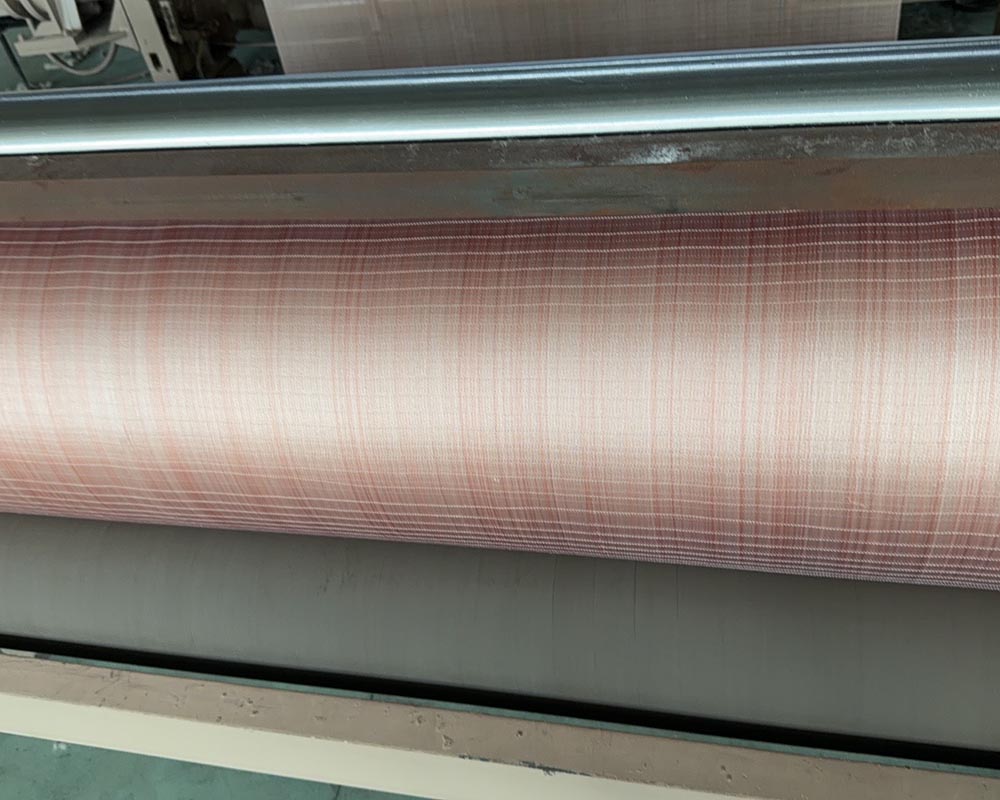
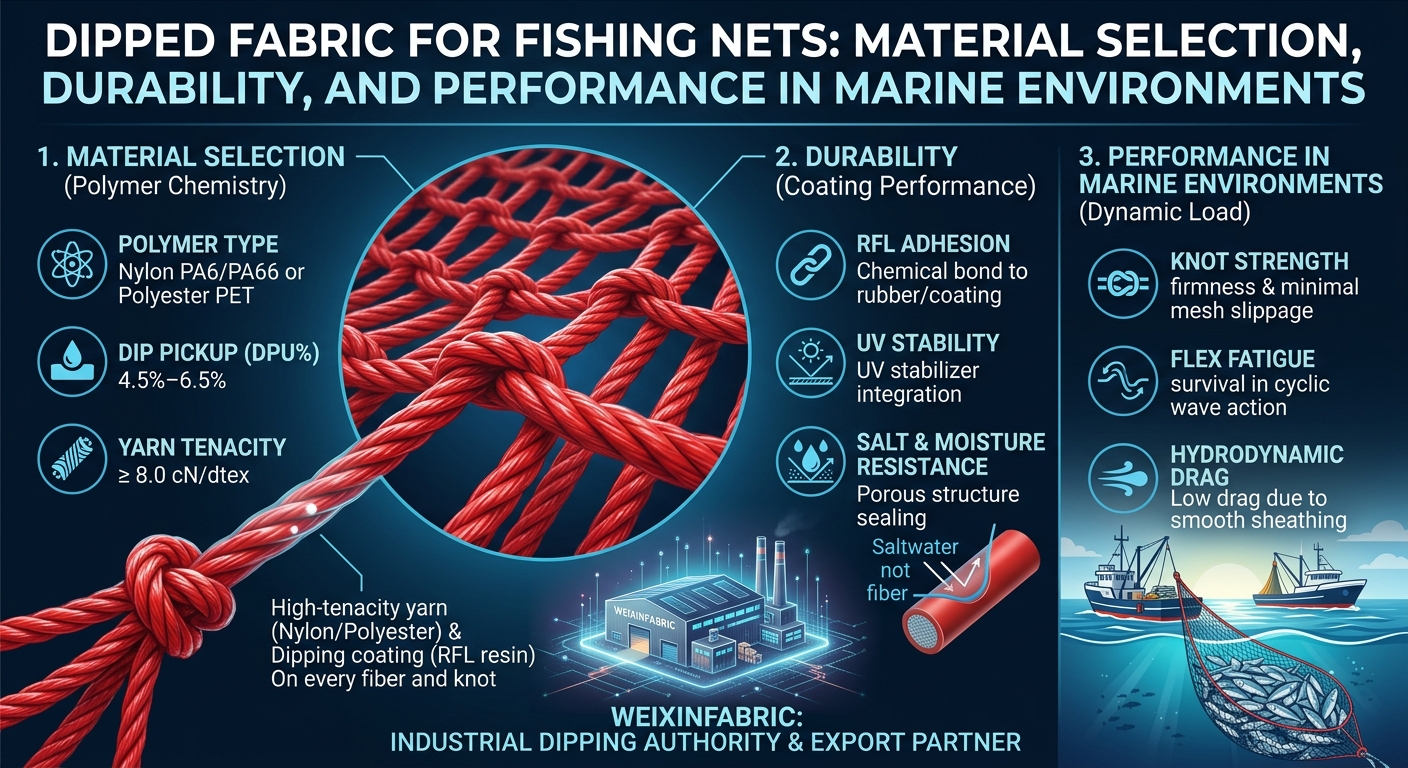
Heat-Setting and Dipping Synergy: Combining precision weave construction with RFL or resin dipping locks warp/weft cross points, ensuring long-term dimensional stability in sea currents.
4. Why Choose Weixin Fabric as Your Dipped Textile Partner
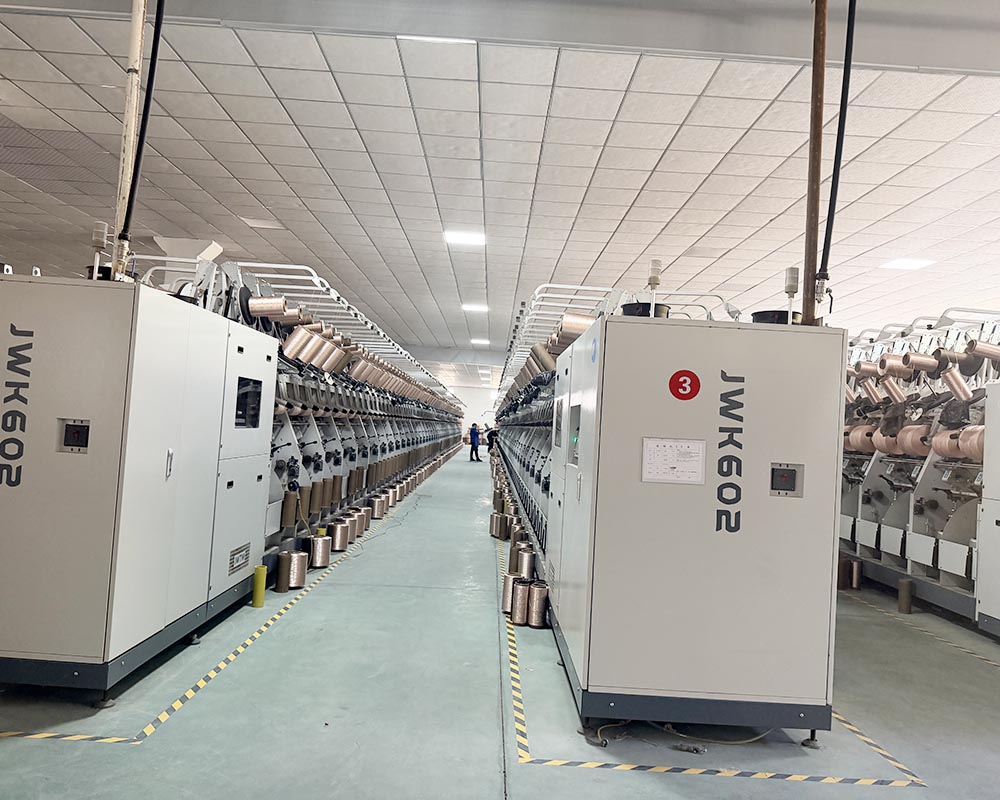
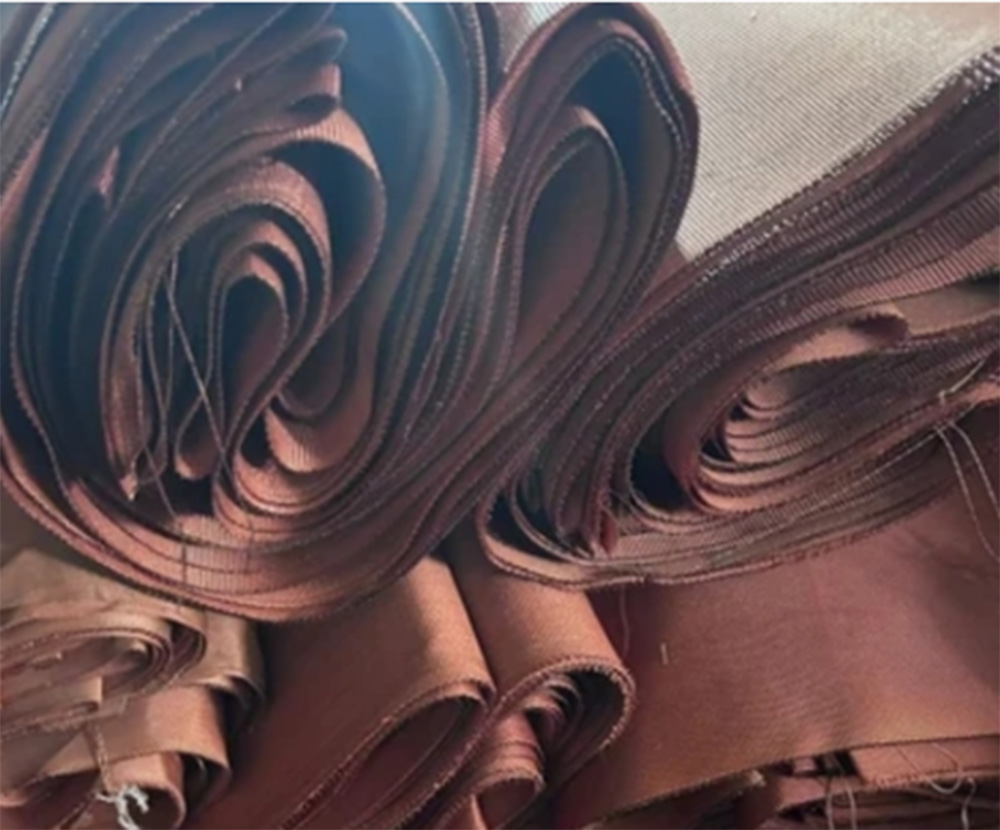
Weixin Fabric is a trusted industrial fabric manufacturer in China, producing high-tenacity Nylon (PA6, PA66) and Polyester (PET) dipped cordage and industrial textiles. Utilizing advanced multi-stage twisting machinery, tension-controlled weaving looms, and computer-automated chemical dipping lines, Weixin Fabric delivers tailored textile structures for world-class marine and tire applications.
Our engineering team assists customers in selecting precise denier specifications, twist balances, weave densities, and chemical dipping treatments to meet demanding performance criteria.
Conclusion: Engineering Superior Marine Netting Performance
Optimizing fabric construction parameters—twist, denier, and weave—is essential for producing fishing nets that combine high strength, mesh stability, and extended operational lifespan. Partnering with Weixin Fabric provides access to advanced textile design and reliable dipping technologies.
Contact our technical engineering department today to discuss custom fabric construction, request technical datasheets, or order evaluation samples.
Keywords:
fabric construction fishing net strength, yarn twist fishing net mesh stability, denier selection fishing netting, weave pattern fishing net durability, nylon dipped fabric manufacturer, Weixin Fabric, Chinese industrial fabric factory, knotless netting weave engineering, high tenacity yarn twist level, mesh dimensional stability marine environment, fishing gear textile engineering expert, RFL dipped cordage supplier, trawl net fabric construction, purse seine netting denier guide, marine textile structural design
Our Expertise – Carcass Fabric & Dipped Fabric Solutions
As a professional manufacturer and solution expert, we specialize in Carcass Fabric for Automotive Tires, Dipped Fabric for Conveyor Belts, Dipped Fabric for Fishing Nets, and Grade C Cord Fabric. With years of R&D and production experience, we provide high-strength, heat-resistant, and durable industrial fabrics tailored to global clients' specific requirements. Our products are widely used in tire reinforcement, conveyor belt carcass, fishing net manufacturing, and other industrial applications. Explore full product range →
Also check our Tire Cord Fabric, Conveyor Belt Dipped Fabric, and Fishing Net Dipped Fabric pages.