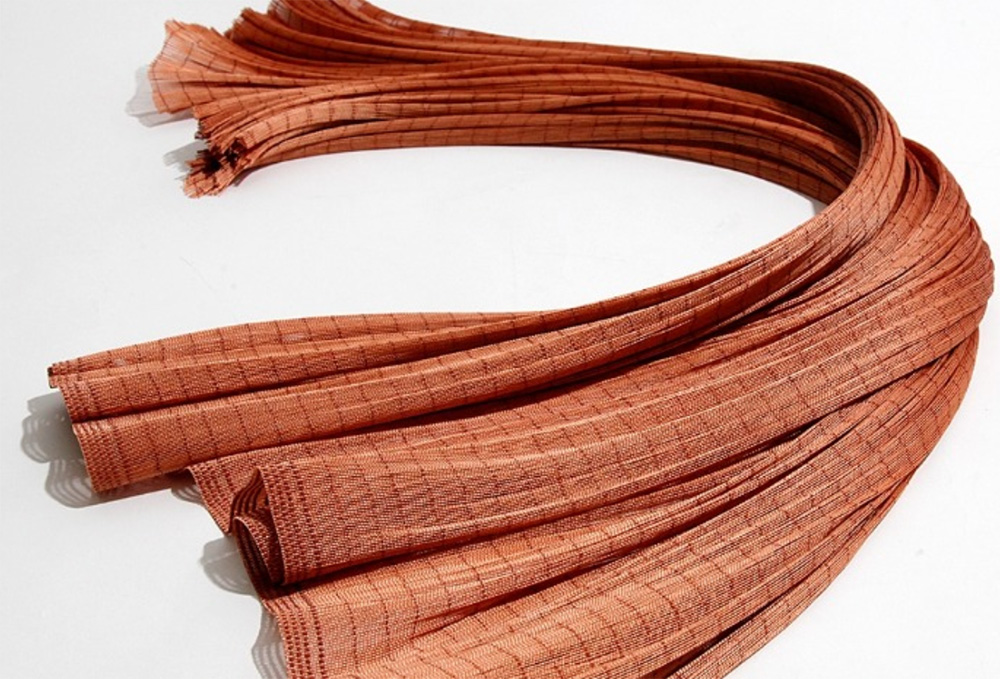
How RFL Dipping Affects Knot Strength of Grade C Cord Fabric for Fishing Nets?
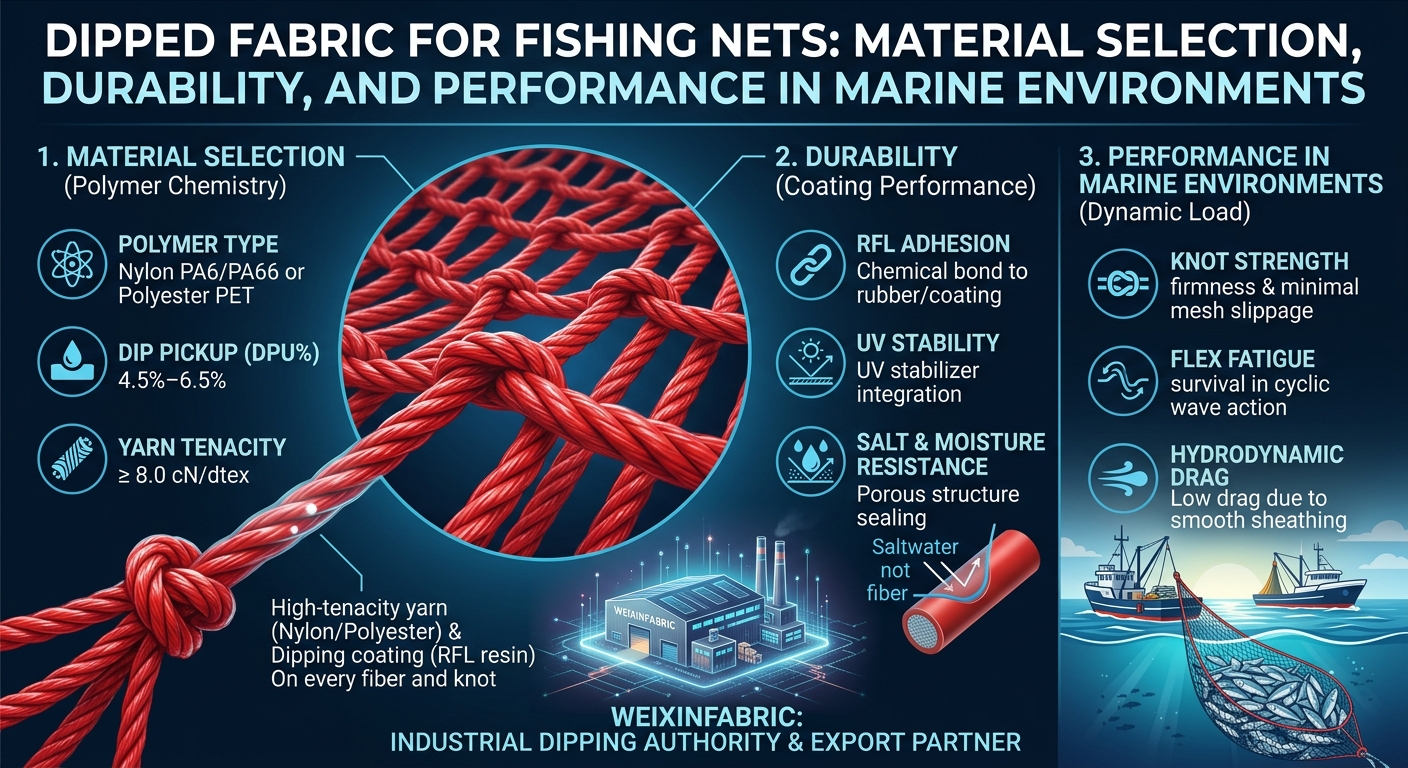
For commercial fishing nets, the knot is the weakest link — and the strength of that knot is largely determined not by the knot itself, but by the quality of the RFL (Resorcinol-Formaldehyde-Latex) dipping process applied to the Grade C cord fabric. While straight tensile strength is important, a net's real-world performance depends on how well the dipped cord retains its strength at the knot. This article explains the mechanisms by which RFL dipping parameters — dip pick-up, tension control, and formulation — directly influence knot strength and overall fishing net durability.
1. Why Knot Strength Matters in Fishing Nets
In a fishing net, every mesh intersection is a knot — and there are thousands of them. Each knot experiences stress concentration, bending, and abrasion during deployment, hauling, and contact with the seabed. The knot retention efficiency — the percentage of straight cord strength retained after knotting — is therefore a better predictor of net performance than straight tensile strength alone.
- Poor knot retention (≤70%): Net fails at knots prematurely, often within 6-12 months.
- Good knot retention (80-85%): Net performs reliably for 18-24 months.
- Excellent knot retention (≥90%): Net can last 3+ seasons with minimal failures.
The difference between these outcomes is almost entirely attributable to the RFL dipping process.
2. The RFL Dipping Process: A Brief Overview
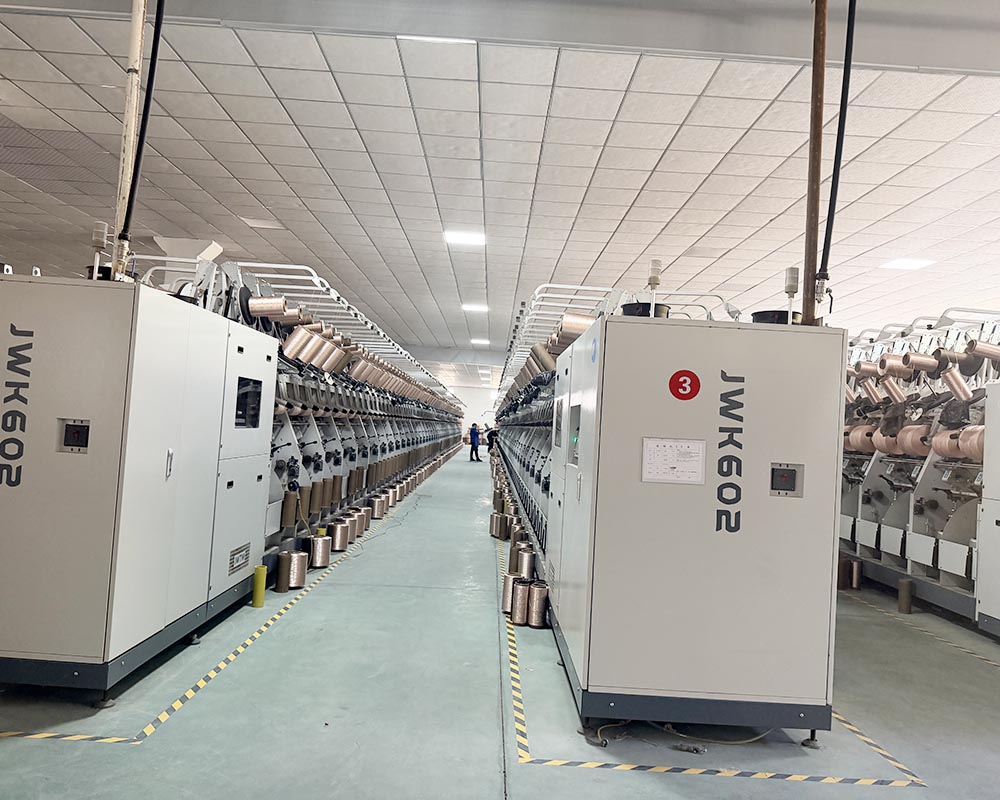
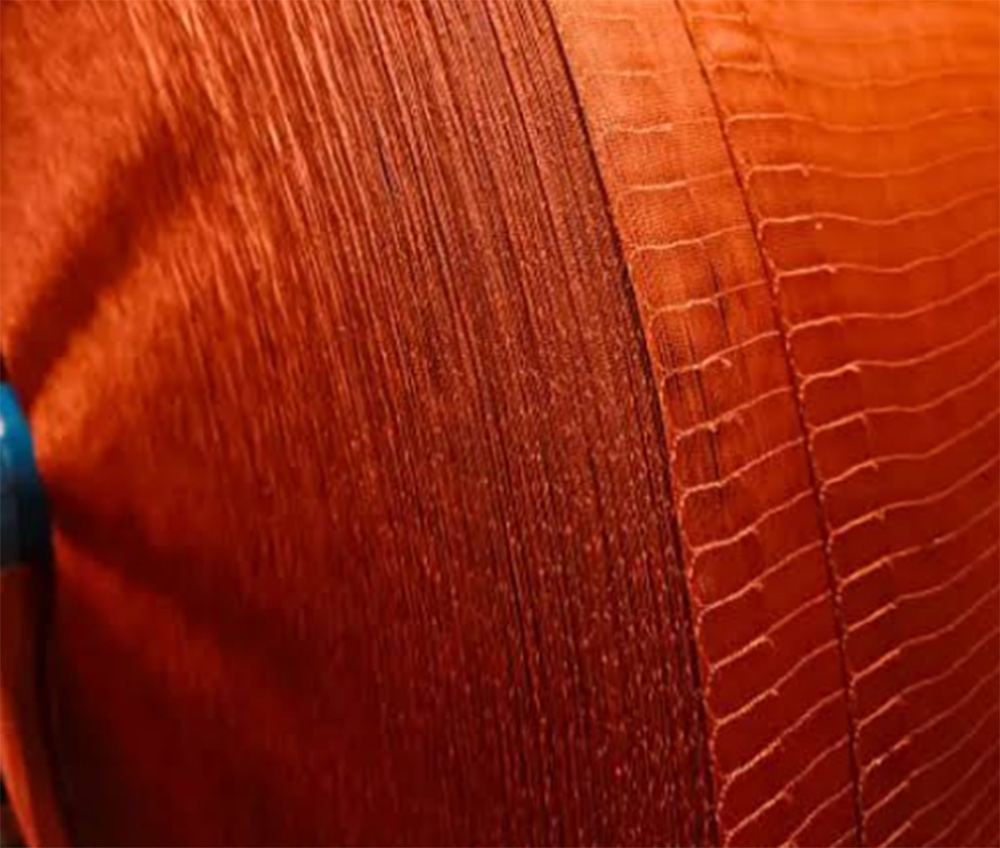
RFL dipping is a chemical treatment that applies a uniform coating of adhesive — a mixture of resorcinol-formaldehyde resin and latex — to the cord fabric. The process involves:
- Pre-treatment: The cord is pre-dried and tensioned.
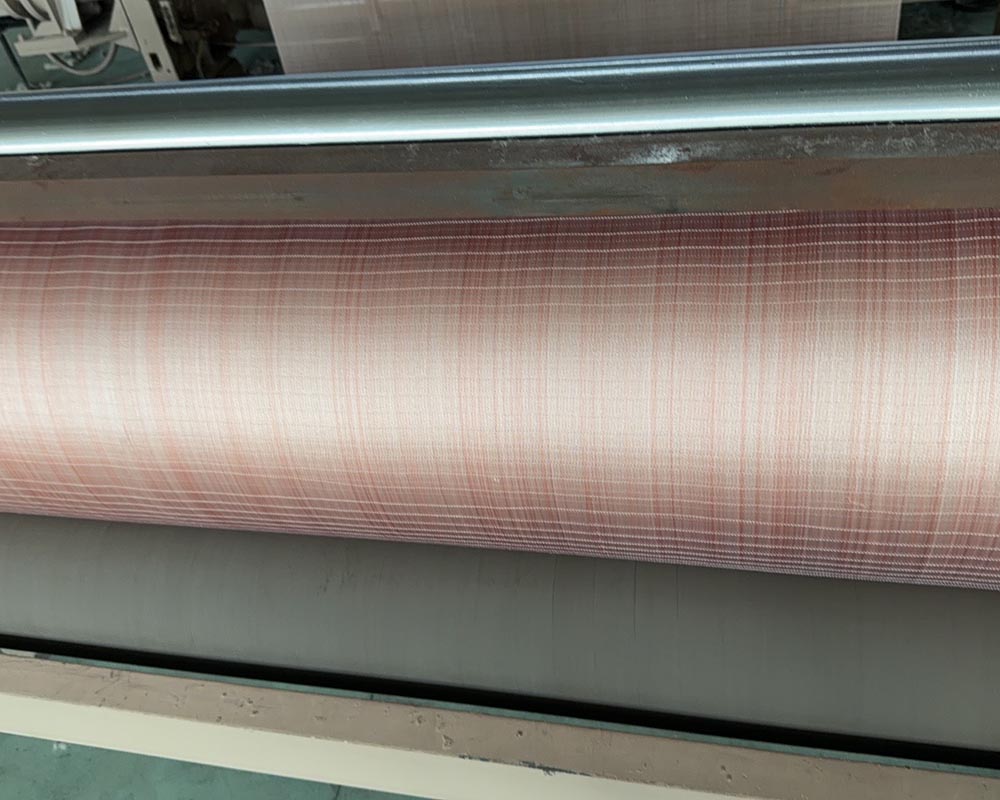
- Dip bath: The cord passes through an RFL solution, where the adhesive penetrates between filaments.
- Drying and curing: The coated cord is passed through heated zones to cure the RFL, creating a flexible but tough adhesive layer.
The quality of this process — particularly dip pick-up (DPU), tension uniformity, and cure profile — determines how well the RFL bonds to the filaments and how the cord behaves under knotting stress.
3. Mechanism 1: Dip Pick-Up (DPU) and Knot Strength
DPU is the amount of RFL solids applied to the cord, expressed as a percentage of the cord's weight. For fishing net Grade C cord, the target DPU is typically 4-8% for polyester and 6-10% for nylon.
- Too low DPU: Insufficient adhesive means the filaments are not fully bonded. At the knot, the cord flexes and the filaments separate, drastically reducing strength. Retention can drop to 60-65%.
- Optimal DPU: The filaments are encapsulated but not stiffened. The RFL layer allows the cord to bend smoothly at the knot while preventing filament abrasion. Retention reaches 85-92%.
- Too high DPU: The cord becomes stiff and brittle. At the knot, the RFL coating cracks, exposing filaments to moisture and abrasion. Retention may fall to 70-75%.
Uniform DPU is equally critical — variation across the cord width creates weak spots that become failure points at knots.
4. Mechanism 2: Tension Control During Dipping
Tension applied to the cord as it passes through the dip bath and drying ovens directly affects the filament alignment and RFL penetration. Inconsistent tension leads to:
- Over-tensioned zones: RFL cannot penetrate deeply between filaments. The surface coating is thin and brittle, leading to cracking at knots.
- Under-tensioned zones: Excessive RFL pick-up stiffens the cord, making it prone to cracking under knot stress.
A well-controlled dipping line maintains tension within ±0.5% variation, ensuring uniform coating and consistent knot behavior across the entire roll.
5. Mechanism 3: RFL Formulation and Flexibility
The resin-to-latex ratio in the RFL bath determines the balance between adhesion and flexibility. For fishing net cord, a higher latex content (60-70% latex) is preferred because:
- Higher latex content: Creates a more flexible coating that bends with the cord at the knot without cracking.
- Optimal cross-linking: The right cure temperature ensures the resin cross-links without making the coating too rigid.
Our laboratory tests show that a 60/40 latex-to-resin ratio with a controlled cure profile provides the best combination of knot strength retention and UV resistance.
6. Comparative Data: RFL Quality and Knot Strength
| Parameter | Poor RFL Dipping | Standard RFL Dipping | Optimized RFL Dipping (Weixin) |
|---|---|---|---|
| DPU Uniformity (CV) | ±12% | ±5% | ±2% |
| Knot Strength Retention | 60-70% | 75-82% | 85-92% |
| UV Resistance (500h, retained) | 40-50% | 60-70% | 85-90% |
| Abrasion Resistance (cycles) | 500-800 | 1000-1500 | 2000+ |
| Flex Cracking at Knot (cycles) | 2000-3000 | 5000-7000 | 10,000+ |
7. Case Study: Indonesian Trawl Net Manufacturer
An Indonesian trawl net manufacturer was experiencing net failures after only 8-10 months, with 90% of failures occurring at the knots. Analysis revealed that their Grade C nylon cord had inconsistent DPU (CV ±15%) and high RFL stiffness due to excessive resin content. After switching to Weixin Fabric's precision-dipped Grade C nylon cord — with 8% DPU, CV ±2%, and a 65/35 latex/resin ratio — knot retention improved from 68% to 91%. The nets now last 26 months on average, a 160% increase in service life.
8. How to Specify RFL Dipping for Optimal Knot Strength
When sourcing Grade C cord fabric for fishing nets, procurement engineers should include these dipping specifications:
- DPU range: 4-8% for polyester, 6-10% for nylon, with CV ≤ 3%.
- Latex/resin ratio: 60/40 to 70/30 for flexibility at knots.
- Tension control: Supplier must have closed-loop tension monitoring with ±0.5% deviation.
- Knot strength certificate: Test report showing minimum 85% retention.
- Flex test data: Cycles to cracking at the knot under simulated use.
9. Why Weixin Fabric Delivers Superior Knot Strength
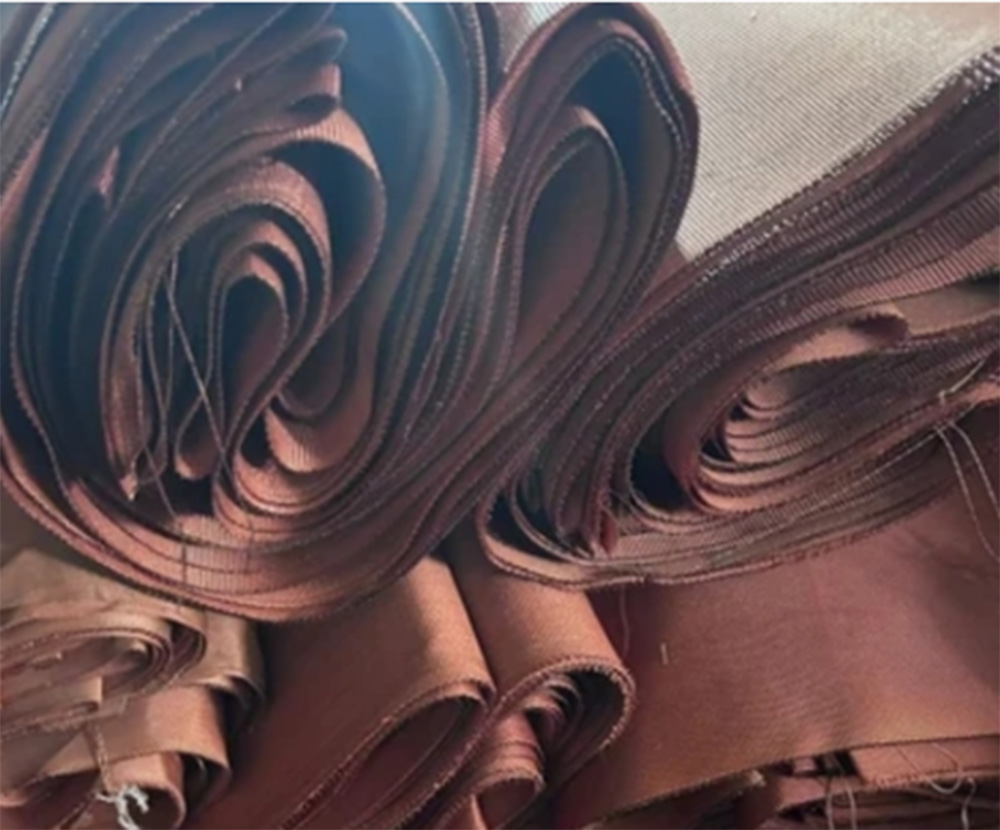
Our Grade C dipped cord for fishing nets is engineered specifically for knot performance. Our dipping line features:
- Real-time DPU monitoring with automated adjustment to maintain uniformity.
- Precision tension control across all six drying zones.
- Custom RFL formulations — we adjust the latex/resin ratio and cure profile based on your yarn type (polyester or nylon) and fishing conditions.
- 100% knot strength testing — every batch is sampled and tested at the knot.
When you choose Weixin Fabric, you're choosing nets that hold — at the knots that matter.