How to Choose the Right Dipped Fabric for Your Conveyor Belt?
Selecting the correct dipped fabric for conveyor belts is one of the most critical decisions in conveyor system design. The wrong choice can lead to premature belt failure, costly downtime, and safety hazards. With options like EP (polyester/nylon), NN (nylon/nylon), and EE (polyester/polyester) fabrics, each with distinct properties, how do you determine which is right for your application? This guide provides a technical framework to help you make an informed decision.
1. Understanding Conveyor Belt Fabric Construction
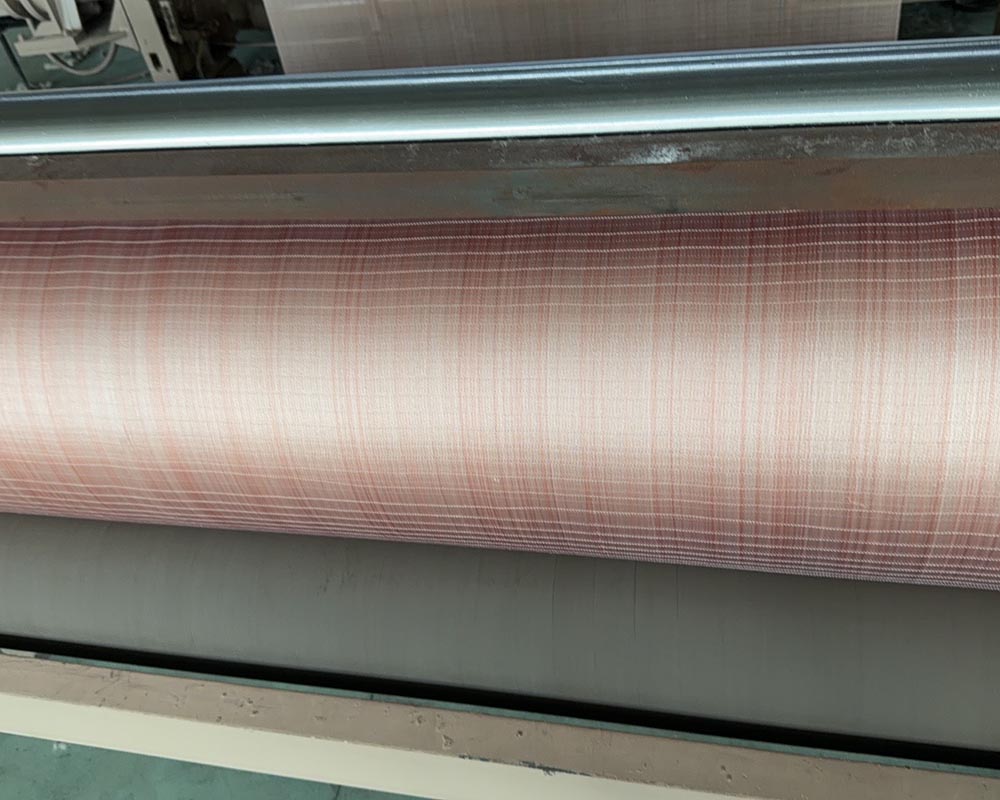
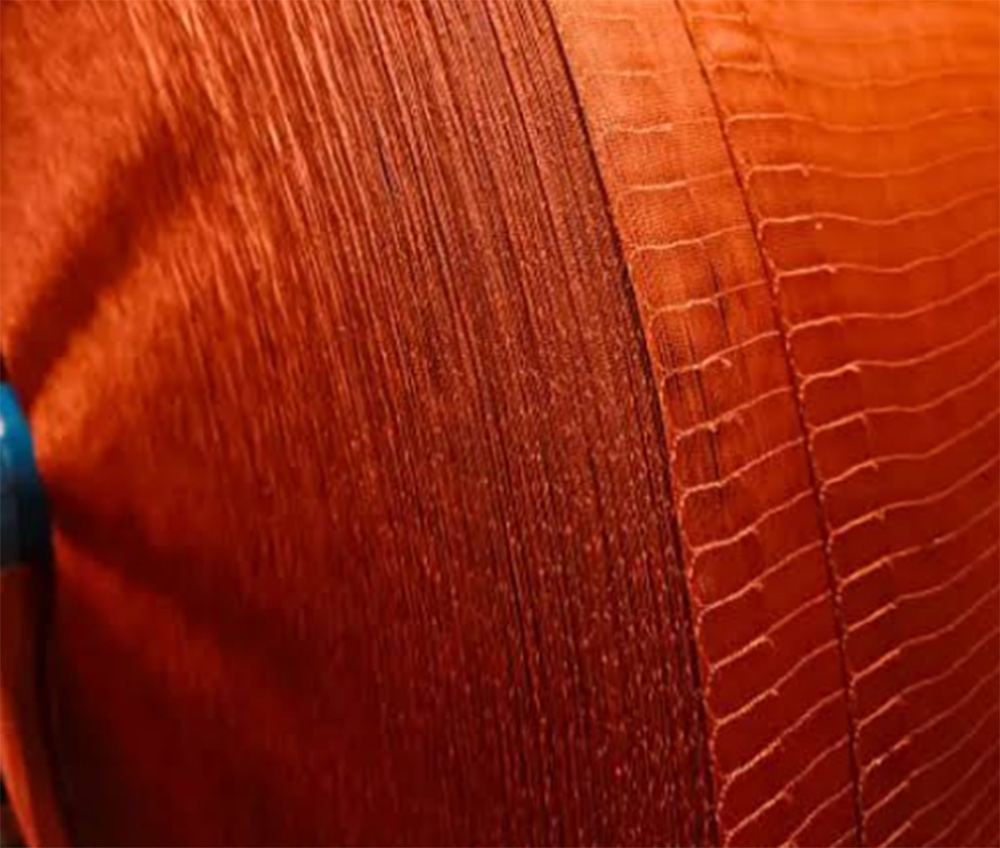
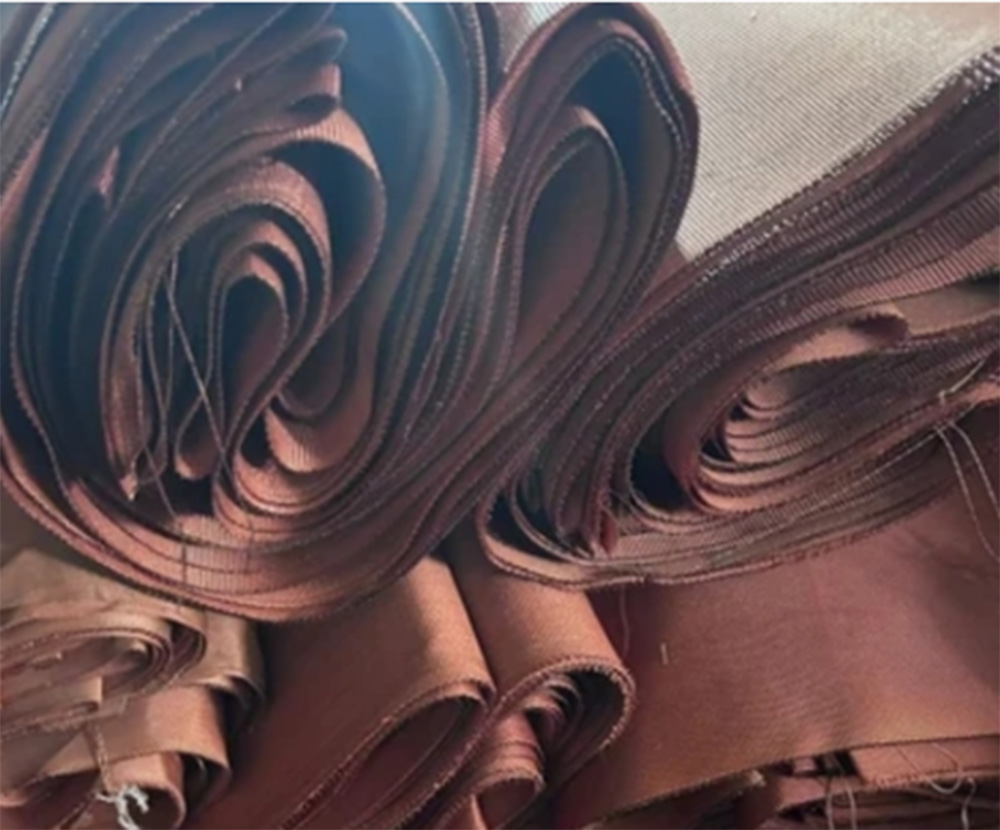
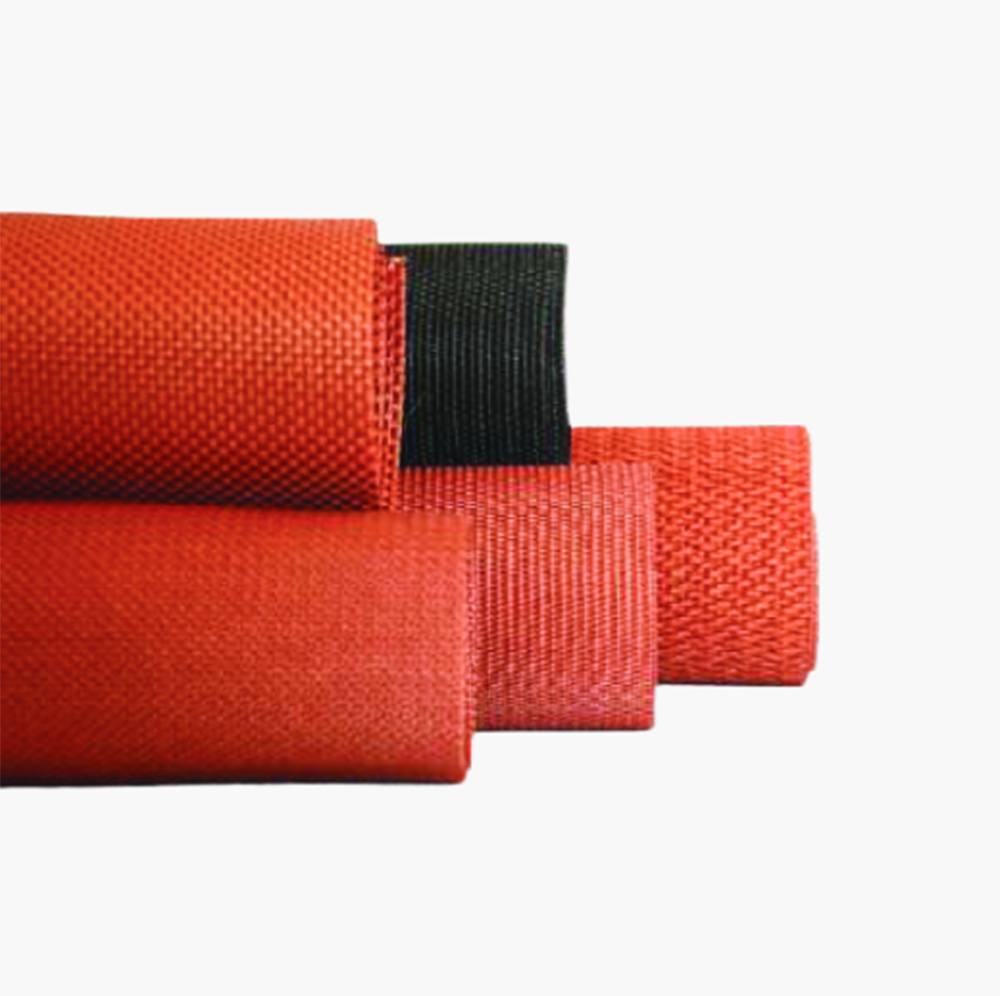
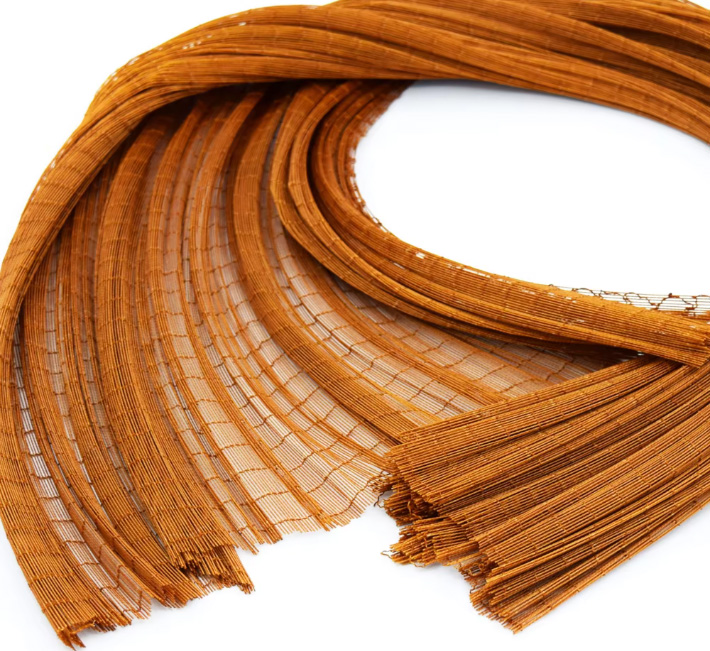
Conveyor belt dipped fabric, also known as the carcass, is the reinforcement layer that provides tensile strength and impact resistance. It is typically woven from high-tenacity industrial yarns — polyester or nylon — and then dipped in RFL (Resorcinol-Formaldehyde-Latex) to ensure strong adhesion to the rubber cover layers.
The naming convention — EP, NN, EE — indicates the warp and weft yarn materials:
- EP fabric: Polyester warp, Nylon weft (the most common general-purpose option).
- NN fabric: Nylon warp, Nylon weft (high flexibility and impact resistance).
- EE fabric: Polyester warp, Polyester weft (low stretch, high dimensional stability).
2. Key Performance Parameters to Consider
Before comparing fabric types, it's essential to understand the performance parameters that matter most for conveyor belt applications:
- Tensile Strength (N/mm): The fabric's ability to withstand longitudinal tension. Higher strength allows for longer belt spans and heavier loads.
- Adhesion (N/cm): The bond strength between the fabric and rubber cover. ≥150 N/cm is the industry benchmark for reliable performance.
- Impact Resistance: The fabric's ability to absorb sudden shocks from falling materials without rupture.
- Elongation at Break (%): The amount of stretch the fabric can endure before failure. Lower elongation (for polyester) provides better tracking; higher elongation (for nylon) offers better impact absorption.
- Thermal Shrinkage: Dimensional change at elevated temperatures. Low shrinkage (≤2.5% for HMLS polyester) prevents belt shortening and misalignment.
3. Comparative Analysis: EP vs NN vs EE Dipped Fabric
Each fabric type excels in different applications. The table below provides a side-by-side comparison of their key characteristics.
| Property | EP Fabric (Polyester/Nylon) | NN Fabric (Nylon/Nylon) | EE Fabric (Polyester/Polyester) |
|---|---|---|---|
| Warp Material | Polyester (PET) | Nylon (PA66) | Polyester (PET) |
| Weft Material | Nylon (PA66) | Nylon (PA66) | Polyester (PET) |
| Tensile Strength | High (EP-200: 200 N/mm) | High (NN-200: 200 N/mm) | High (EE-200: 200 N/mm) |
| Elongation at Break | 10-15% | 15-20% | 8-12% |
| Impact Resistance | Good | Excellent | Moderate |
| Dimensional Stability | Good (polyester warp) | Lower (nylon absorbs moisture) | Excellent (all polyester) |
| Thermal Shrinkage | ≤3% | 6-8% | ≤2.5% (HMLS grade) |
| Moisture Resistance | Good | Moderate (strength loss when wet) | Excellent |
| Cost | Moderate | Higher (nylon more expensive) | Moderate |
| Typical Applications | General-purpose, mining, aggregate | High-impact, steel mills, primary crushers | Long-distance, high-speed, precision tracking |
4. Application-Based Selection Framework
Choose EP Fabric
For general-purpose and most mining/aggregate applications. Offers a balanced combination of strength, impact resistance, and cost-effectiveness. Works well in moderate impact conditions with consistent tension.
Choose NN Fabric
For high-impact environments such as primary crushers, steel mills, and heavy-duty loading zones. The nylon's excellent elasticity absorbs shocks effectively, though moisture resistance is lower.
Choose EE Fabric
For long-distance, high-speed belts where precision tracking and low stretch are critical. The all-polyester construction provides superior dimensional stability and low shrinkage, ideal for elevated temperatures or tight tension requirements.
5. Real-World Selection Examples
🏭 Mining Conveyor (Heavy Impact)
Challenge: A copper mine in Chile needed a belt for their primary crusher feed, where large rocks dropped from heights of up to 2 meters. Impact resistance was the top priority.
Recommendation: NN fabric (Nylon/Nylon) with a high breaking strength (e.g., NN-315) and excellent elasticity to absorb the shocks. The nylon's natural toughness reduces the risk of puncture and rupture.
🚚 Long-Distance Overland Belt (High Speed)
Challenge: A cement plant required a 5-kilometer overland belt operating at 4.5 m/s. Belt stretch and tracking accuracy were critical to prevent spillage and misalignment.
Recommendation: EE fabric (Polyester/Polyester) with HMLS (High Modulus Low Shrinkage) yarn. The low elongation and exceptional dimensional stability ensure consistent tracking and minimal take-up adjustment over the belt's life.
🏗️ General Aggregate Conveyor (Moderate Conditions)
Challenge: A gravel processing plant needed a reliable, cost-effective belt for moderate impact and consistent loading.
Recommendation: EP fabric (Polyester/Nylon) — the industry workhorse. It offers a balanced performance at a competitive price point, making it suitable for most standard applications.
6. Additional Selection Criteria
Beyond the fabric type, consider these additional factors when specifying your dipped fabric:
- Dip Pick-Up (DPU): The amount of RFL coating applied. Target 4-8% for polyester, 6-10% for nylon. Uniform DPU ensures consistent adhesion.
- Weave Density: Ends per centimeter (EPC) and picks per centimeter (PPC) affect fabric stiffness and rubber penetration.
- Breaking Strength Coefficient of Variation (CV): A measure of uniformity. CV ≤ 1.5% ensures no weak spots in the belt.
- Heat Aging Resistance: For high-temperature applications, ensure adhesion retention after heat aging exceeds 80%.
7. Why Weixin Fabric is Your Partner in Conveyor Belt Reinforcement
As a specialized manufacturer of dipped fabric for conveyor belts, Weixin Fabric offers the full range — EP, NN, and EE constructions — with precision-engineered dipping to match your application. Our advantages include:
- Virgin polymer yarns (FDY/HMLS) for consistent tensile strength and modulus.
- Closed-loop tension control on our dipping lines for uniform DPU and adhesion.
- 100% batch testing for tensile, adhesion, shrinkage, and penetration — every roll certified.
- Customization: We can tailor the weave, twist, and dip formulation to your specific operating conditions.
Whether you need the impact toughness of NN, the stability of EE, or the versatility of EP, Weixin Fabric delivers strength you can count on.