How Temperature and Humidity Affect Carcass Fabric Weaving Quality and Dipping Performance
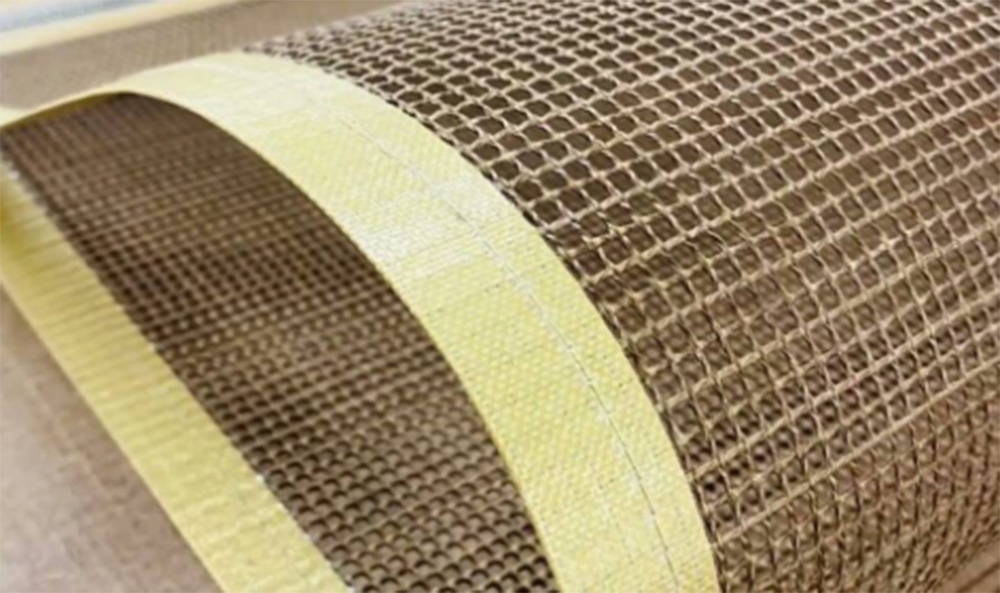
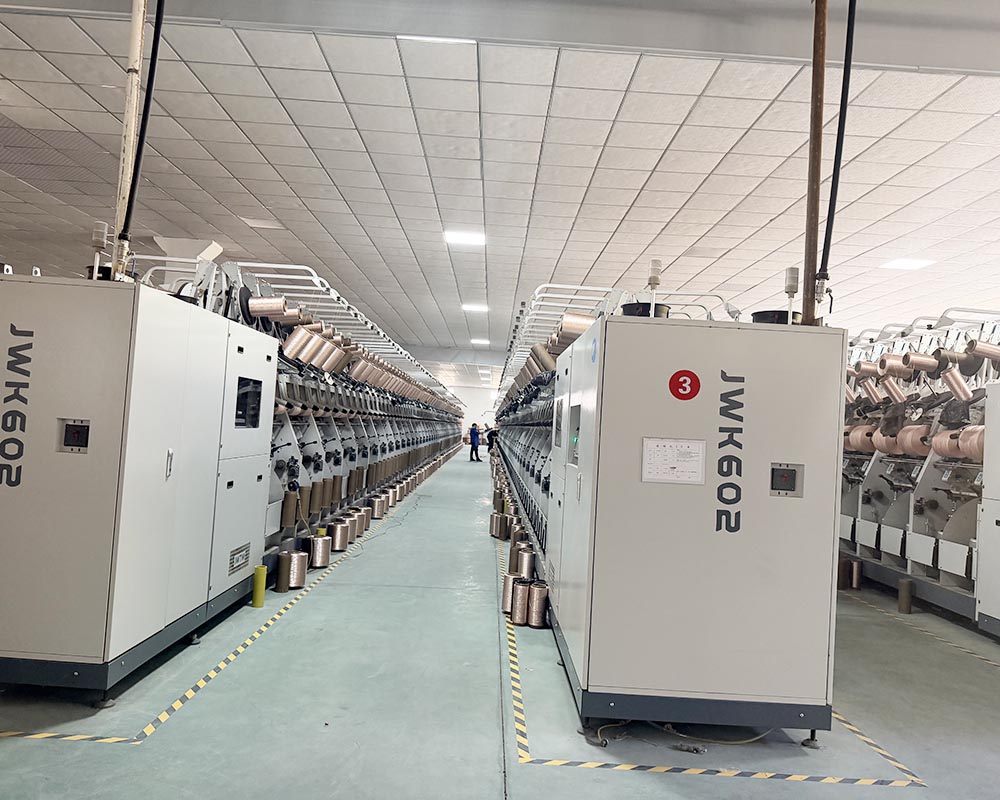
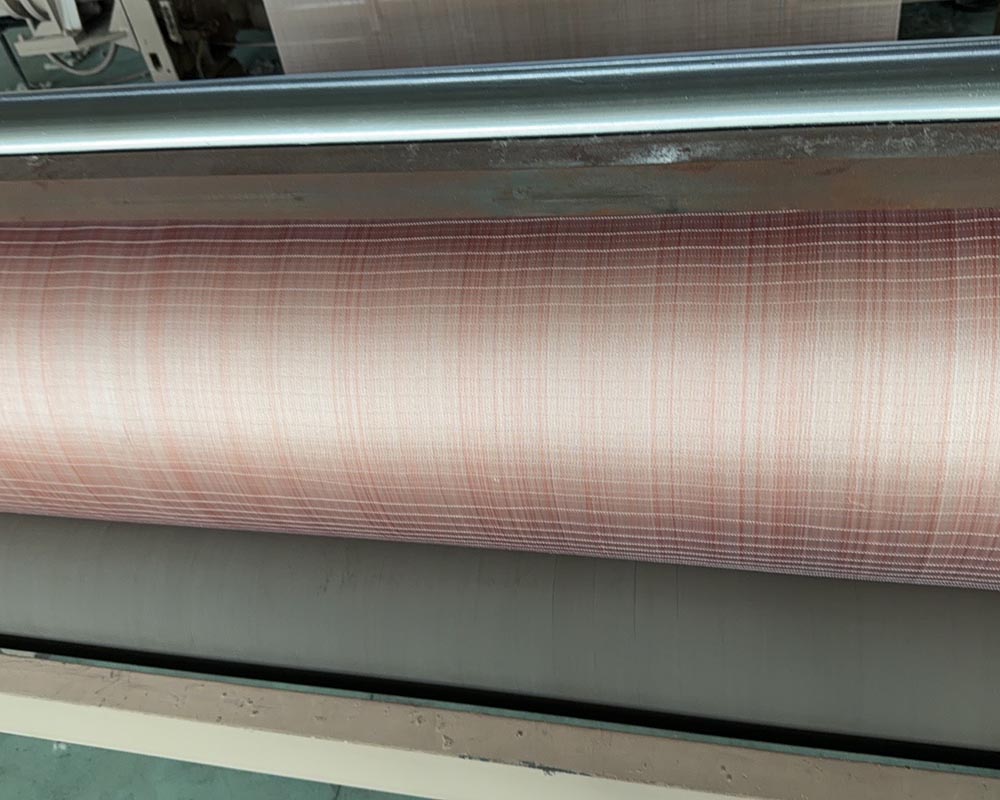
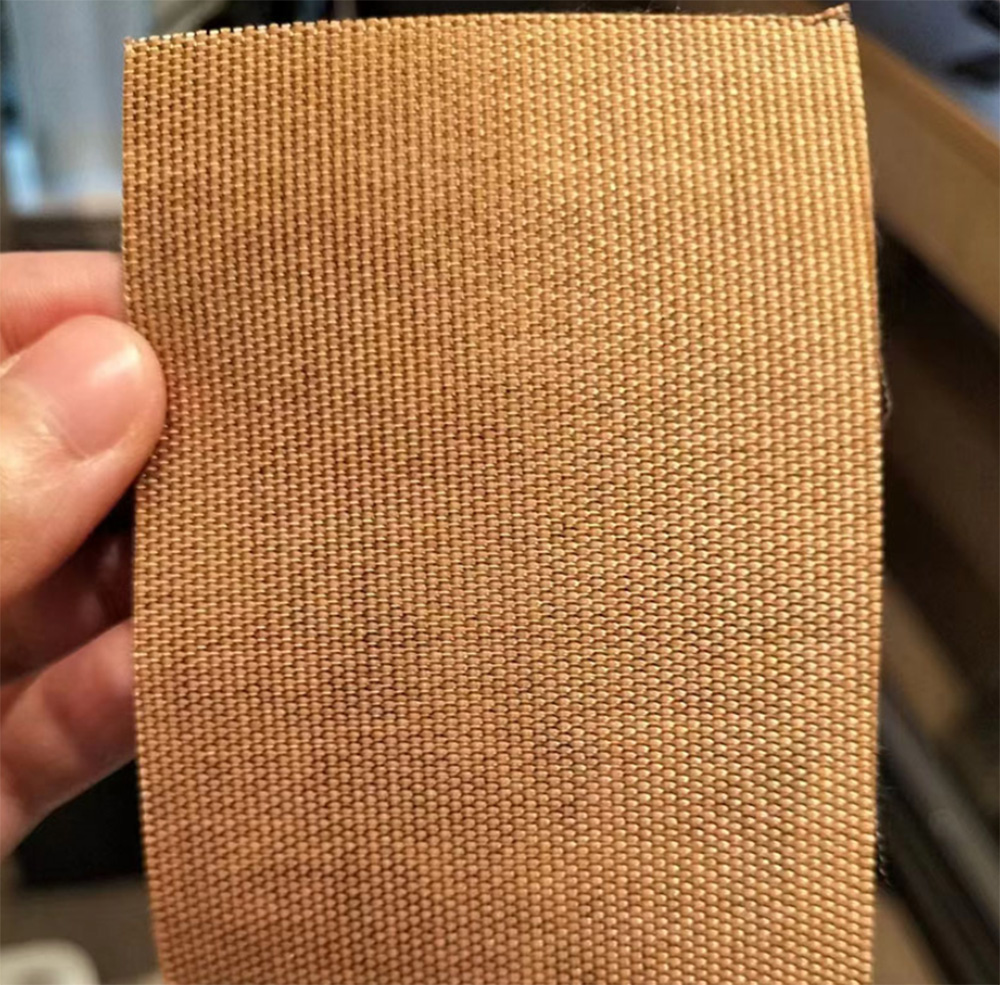
The dimensional stability, structural uniformity, and rubber-to-fabric adhesion of high-tenacity carcass fabrics depend heavily on ambient temperature and relative humidity (RH) during manufacturing[cite: 1]. Synthetic yarns such as Polyamide (Nylon 6 / Nylon 66) and Polyester (PET/HMLS) exhibit microstructural shifts in moisture equilibrium, glass transition behavior, static charge generation, and tensile modulus under changing ambient conditions[cite: 1]. Furthermore, Resorcinol-Formaldehyde-Latex (RFL) dipping solutions require precise hygrothermal management during bath immersion, drying, and high-temperature curing zones to ensure uniform Dip Pick-Up (DPU %) and consistent interfacial cross-linking[cite: 1]. As a trusted Chinese tire cord and industrial fabric solution expert, Weixin Fabric utilizes climate-controlled weaving facilities and automated multi-zone dipping lines to ensure superior structural precision and chemical adhesion[cite: 1]. High-speed weaving looms subject warp cords to intense mechanical friction, tension spikes, and rapid shedding cycles[cite: 1]. Ambient fluctuations directly alter fiber mechanics and loom behavior[cite: 1]: Polyamide fibers are highly hydrophilic, absorbing up to 4.5% moisture at equilibrium. Low relative humidity (<50% RH) dehydrates nylon, increasing fiber stiffness and brittleness, which leads to warp thread breakage and filament fraying during high-speed weaving[cite: 1]. Conversely, excessive humidity (>75% RH) causes hydrogen bond plasticization, increasing yarn elongation and causing uneven warp tension across the loom beam[cite: 1]. Polyester yarns generate significant static electricity in dry environments due to low electrical conductivity. High static charges cause individual filaments within a twisted cord to repel one another, resulting in filament ballooning, reed clogging, weave misalignments, and fuzzy yarn defects[cite: 1]. Maintaining relative humidity between 60% and 68% dissipates static charges naturally[cite: 1]. Temperature swings in unconditioned weaving halls cause metallic reed and heald frame thermal expansion, leading to minor variations in warp pitch[cite: 1]. Controlled hall temperatures (22°C ± 2°C) lock warp density, preventing width variation and cord density defects across long fabric rolls[cite: 1]. The chemical dipping line converts raw woven greige fabric into a vulcanization-ready reinforcement through chemical immersion and thermal fixation[cite: 1]. Environmental shifts alter both the liquid chemistry and the drying kinetics[cite: 1]: After dip application, carcass fabrics undergo multi-zone baking at elevated temperatures (200°C–235°C) under controlled tension. Temperature precision directly determines final physical properties: To eliminate environmental variations and guarantee consistent fabric performance, Weixin Fabric implements strict climate and chemical controls[cite: 1]: As a leading Chinese supplier of dipped tire cord fabrics, carcass plies, and technical industrial reinforcement textiles, Weixin Fabric combines advanced weaving machinery with automated dipping infrastructure[cite: 1]. Our strict environmental controls guarantee that every roll of dipped fabric delivers exceptional dimensional stability, uniform DPU, and superior rubber adhesion[cite: 1]. Tight control over ambient temperature and relative humidity across both weaving and dipping operations is essential for producing high-durability carcass fabrics[cite: 1]. By managing yarn hygrothermal mechanics, electrostatic charges, dip bath viscosity, and curing kinetics, Weixin Fabric delivers world-class carcass reinforcement solutions that meet the requirements of tire and rubber product manufacturers worldwide[cite: 1]. how temperature and humidity affect carcass fabric weaving quality and dipping performance, carcass fabric weaving quality, tire cord fabric dipping performance, environmental control in textile weaving, RFL dip penetration and temperature, polyester cord humidity sensitivity, Weixin Fabric, Chinese tire cord fabric manufacturer, industrial dipping solution expert, high tenacity polyester yarn moisture regain, ambient control in tire fabric dipping, dip pick-up consistency, rubber adhesion optimization, textile weaving environmental control, tire carcass reinforcement factoryHow Temperature and Humidity Affect Carcass Fabric Weaving Quality and Dipping Performance
Executive Summary
1. Impact of Temperature and Humidity on Carcass Weaving Quality
1.1 Fiber Moisture Regain & Tensile Elasticity
1.2 Electrostatic Accumulation & Filament Fluffing
1.3 Loom Geometry & Thermal Expansion
2. Hygrothermal Impact on RFL Dipping & Interfacial Adhesion
Parameter Sub-Optimal Condition Physical & Chemical Impact Quality Consequence on Dipped Fabric Dipping Bath Temperature Elevated (>28°C) Accelerates premature condensation of Resorcinol-Formaldehyde resins; shortens bath pot life[cite: 1]. Unstable viscosity, uneven resin distribution, decreased rubber peel adhesion[cite: 1]. Dipping Bath Temperature Depressed (<18°C) Increases latex emulsion viscosity, slowing capillary penetration into cord core[cite: 1]. Low core penetration, low internal bond strength, dynamic fatigue failures[cite: 1]. Drying Zone Humidity Excessive Ambient Moisture Retards solvent evaporation, causing resin migration to the outer filament surfaces[cite: 1]. Stiff, brittle cord hand feel; surface skinning with hollow un-impregnated core[cite: 1]. Greige Moisture Content Fluctuating Pre-Dip Moisture Alters capillary suction rate during dip immersion[cite: 1]. Inconsistent Dip Pick-Up (DPU %), non-uniform weight gain, variable rubber adhesion[cite: 1]. 3. Thermal Fixation Kinetics & Polymeric Relaxation
4. Weixin Fabric Process Control & Quality Standards
Why Partner with Weixin Fabric?
Conclusion
Keywords
Our Expertise – Carcass Fabric & Dipped Fabric Solutions
As a professional manufacturer and solution expert, we specialize in Carcass Fabric for Automotive Tires, Dipped Fabric for Conveyor Belts, Dipped Fabric for Fishing Nets, and Grade C Cord Fabric. With years of R&D and production experience, we provide high-strength, heat-resistant, and durable industrial fabrics tailored to global clients' specific requirements. Our products are widely used in tire reinforcement, conveyor belt carcass, fishing net manufacturing, and other industrial applications. Explore full product range →
Also check our Tire Cord Fabric, Conveyor Belt Dipped Fabric, and Fishing Net Dipped Fabric pages.