Root Cause Analysis Tools for Fabric Defects: Applying Ishikawa and SIPOC in Textile Reinforcement Manufacturing
Published by: Technical Engineering Team, Weixinfabric
Focus Domain: High-Tenacity Tire Cord Fabric & Industrial Textile Reinforcement Quality Engineering
1. The Precision Imperative in Industrial Cord Fabric Manufacturing
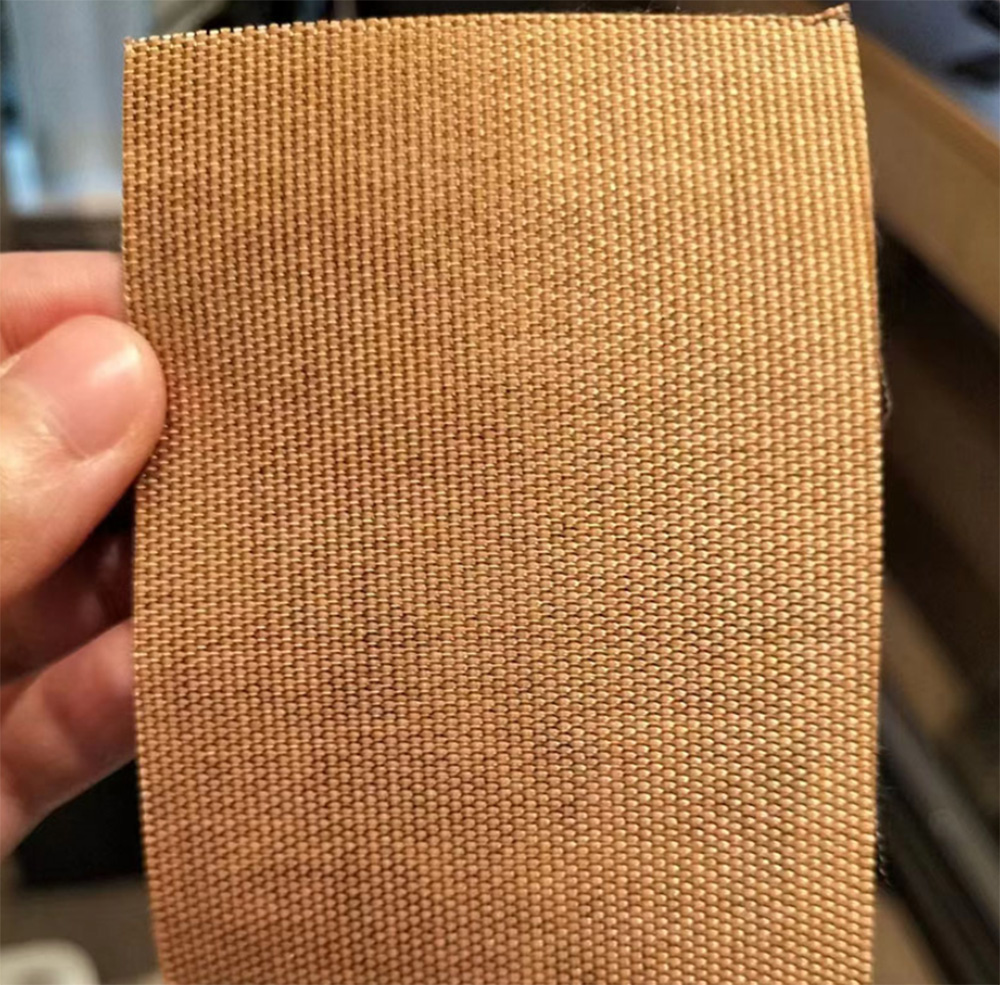
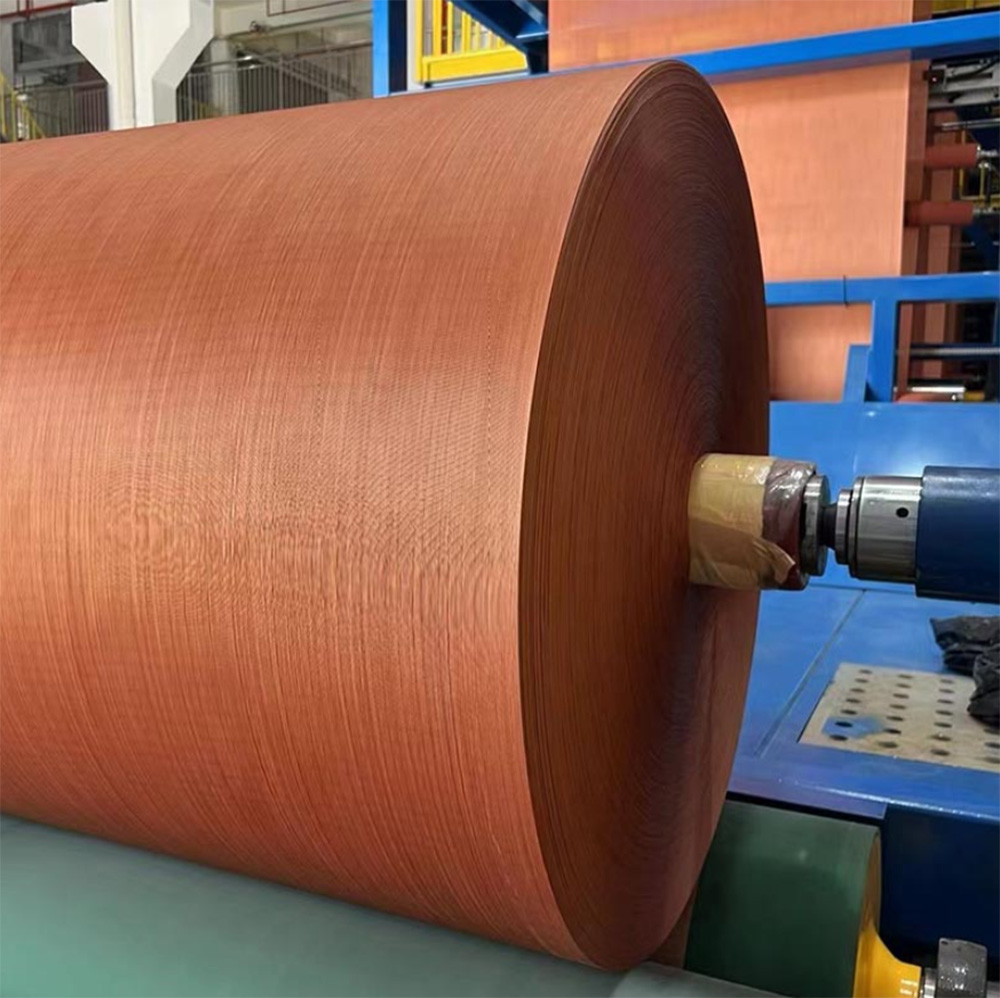
In the high-performance sector of textile reinforcement manufacturing, structural integrity is non-negotiable. Industrial cord fabrics—such as dipped Nylon 6 (NN), Polyester (EP), Nylon 66, and Aramid tire cord fabrics—serve as the critical internal framework for automotive tires, conveyor belting, hydraulic hoses, and air springs. Unlike standard apparel textiles, a micro-defect in an industrial cord fabric does not merely compromise aesthetics; it threatens mechanical load distribution, rubber-to-cord adhesion, and end-product safety.
At Weixinfabric, as a leading Chinese specialized cord fabric solution provider, our manufacturing ethos centers on zero-defect quality architecture. Achieving consistency across thousands of meters of high-tenacity yarn requires moving beyond reactive inspection toward predictive, structured root cause analysis (RCA). Two foundational frameworks—the Ishikawa (Fishbone) Diagram and the SIPOC (Suppliers, Inputs, Process, Outputs, Customers) Model—form the cornerstone of our quality assurance protocols.
2. Mapping Textile Reinforcement Workflows via SIPOC
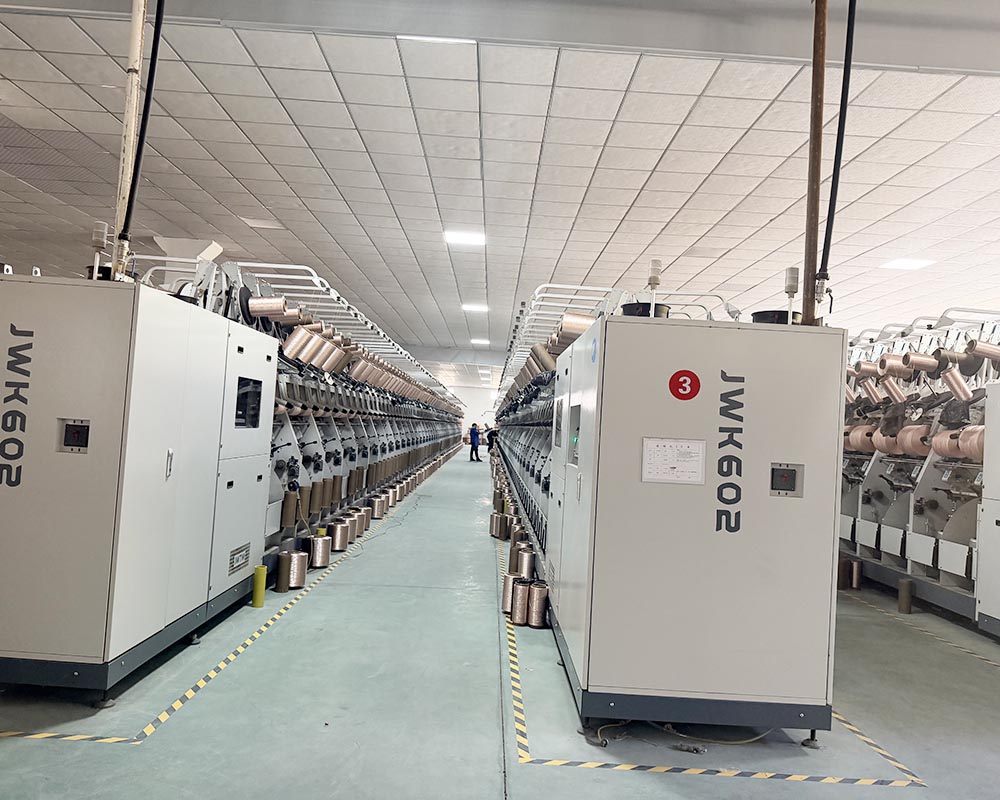
Before pinpointing the cause of a defect, quality engineers must understand the macroscopic boundary conditions of the production line. The SIPOC framework establishes end-to-end visibility across our multi-stage dipped tire cord fabric manufacturing processes.
High-Tenacity Cord Fabric SIPOC Architecture
| SIPOC Stage | Textile Reinforcement Operational Scope | Key Quality Variables |
|---|---|---|
| Suppliers (S) | High-tenacity filament yarn producers (Nylon 6, Nylon 66, PET, Aramid), chemical dip raw material suppliers. | Denier uniformity, intrinsic viscosity (IV), tensile strength, oil pick-up rate. |
| Inputs (I) | Virgin yarn beams, RFL (Resorcinol-Formaldehyde-Latex) resin emulsions, process steam, tension gas springs. | Moisture content, dip solids concentration, pH value, twist per meter (TPM) consistency. |
| Process (P) | Direct Cabling/Twisting → Beaming → Air-Jet/Rapier Weaving → RFL Dipping & Thermal Fixing → Winding. | Warp line tension, oven zone temperatures, dwell time, pick density, stretch ratio. |
| Outputs (O) | Dipped Tire Cord Fabric rolls, high-adhesion industrial reinforcement textiles, quality audit reports. | H-pull adhesion strength, heat shrinkage (HAS), breaking strength, roll flatness, defect density. |
| Customers (C) | Global tire manufacturers, rubber conveyor belt producers, mechanical power transmission belt makers. | Vulcanization compatibility, dimensional stability, fatigue resistance under dynamic stress. |
By defining the SIPOC boundaries, Weixinfabric engineers ensure that upstream parameter shifts (such as variations in filament oil coating) are flagged before causing downstream processing defects like uneven RFL absorption.
3. Applying the Ishikawa Diagram to Common Cord Fabric Defects
When defects such as broken cords, warp tension variations, or dipping adhesion drop occur, the Ishikawa (Cause-and-Effect) diagram isolates contributing factors across six core industrial categories (6Ms): Man, Machine, Material, Method, Measurement, and Environment.
Case Study Analysis: Cord Adhesion Failure & Thermal Shrinkage Irregularity
Rubber-to-cord adhesion (measured by H-test) is vital for industrial tire cord applications. Below is the systematic Ishikawa root cause decomposition utilized in Weixinfabric's testing facilities:
- Material (Yarn & Chemicals):
- Excessive finish oil on raw filament preventing RFL penetration.
- Expired latex emulsion or improper Resorcinol-to-Formaldehyde molar ratio.
- Machine (Twisting, Weaving & Dipping Lines):
- Dipping unit squeegee roller pressure imbalance leading to uneven liquid pick-up (LPU).
- Tension zone load cell calibration drift causing uneven stretch during baking.
- Method (Process Parameters):
- Inadequate curing oven temperature profiles (zone 1 drying vs. zone 2 heat-setting).
- Inconsistent line speed disturbing required dip polymerization dwell time.
- Measurement (QC Testing Protocol):
- Inconsistent rubber compound formulation used during lab vulcanization tests.
- Clamping jaw slippage on tensile strength testing instruments.
- Environment (Plant Conditions):
- Relative humidity fluctuations in the creel room affecting yarn moisture equilibrium.
- Ambient air currents near drying ovens causing localized temperature drops.
- Man (Operator Protocol):
- Incorrect knotting/splicing techniques during beam changeovers.
- Delay in cleaning residual dip accumulation on guiding rollers.
4. From Diagnosis to Elimination: Weixinfabric's Closed-Loop Quality System
Identifying root causes through SIPOC and Ishikawa is only half the process; structural elimination requires engineered process controls. At Weixinfabric, insights derived from RCA tools are translated into standard operating controls:
- Real-Time Tension Monitoring: Automated tension sensors along weaving creels prevent cord slackness and warp cross-overs.
- Precision Dip Pickup Control: Closed-loop computer-controlled roll press systems keep RFL pick-up rates within strict tolerance bands (±0.5%).
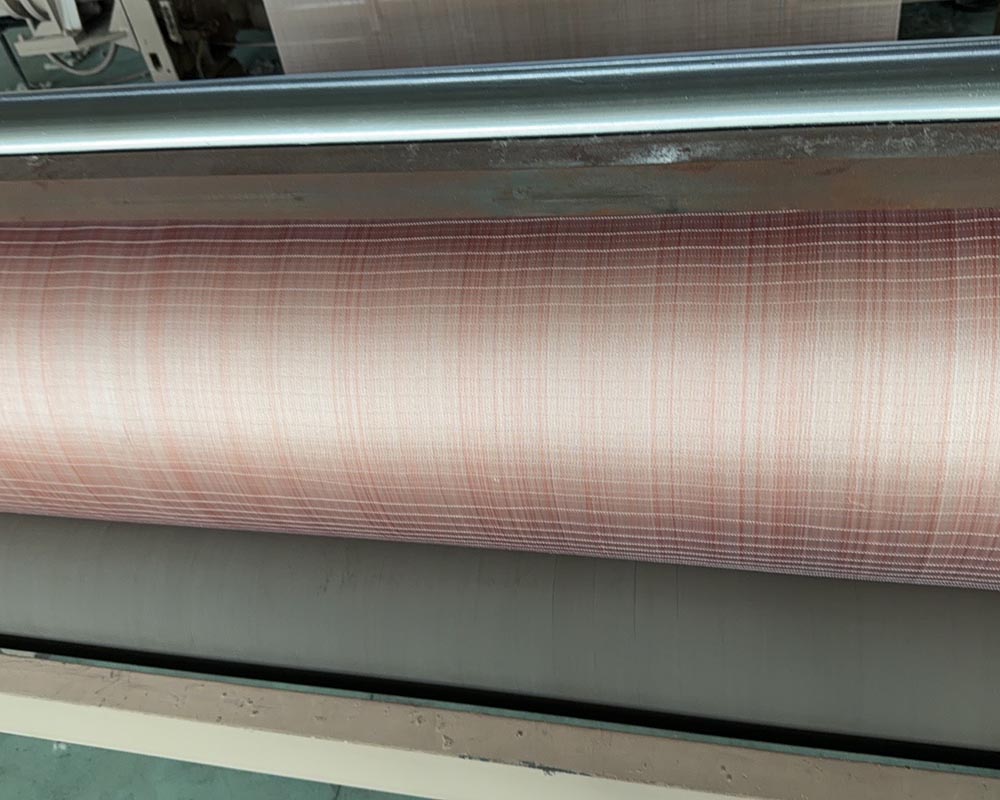
- Multi-Stage Thermal Setting: Zone-controlled hot-stretching ovens ensure consistent high-modulus, low-shrinkage (HMLS) performance across polyester and nylon cords.
5. Partner with Weixinfabric for Engineered Cord Fabric Solutions
As a global supplier of industrial reinforcement textiles, Weixinfabric combines raw material sourcing with strict methodology-driven manufacturing controls. By applying rigorous Ishikawa analyses and SIPOC operational blueprints, we supply dipped cord fabrics that exceed international standards for tire, automotive, and heavy industrial applications.
Looking for a reliable, technical-grade cord fabric manufacturer? Contact Weixinfabric today to consult with our textile reinforcement specialists.