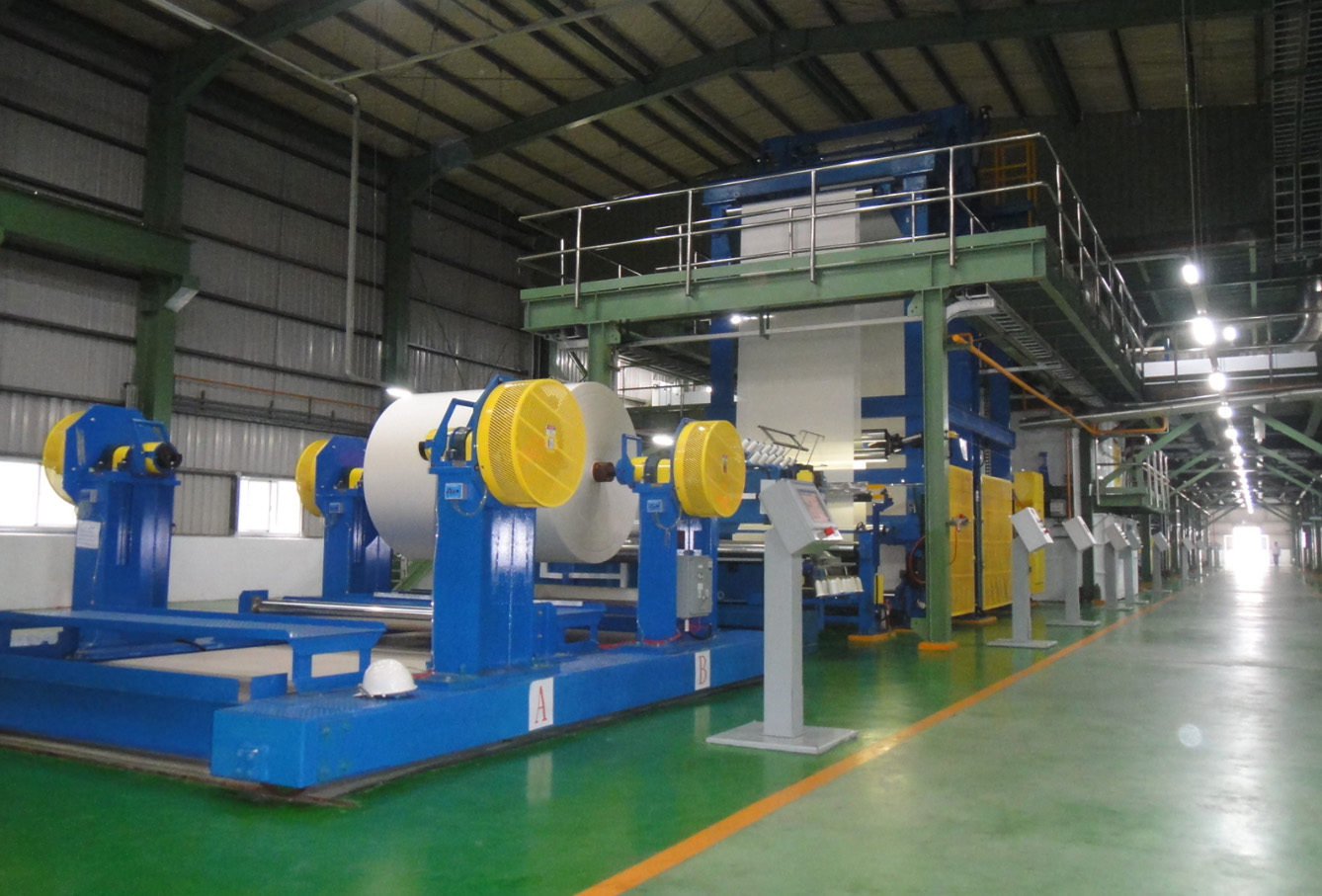
Case Study: Reducing Dip Pick-Up Variability Through Process Analytical Technology Implementation
Published by weixinfabric — Global Authority in High-Performance Tire Cord Fabric & Technical Textile Engineering
Executive Summary: The Challenge of DPU Consistency in Tire Cord Calendering
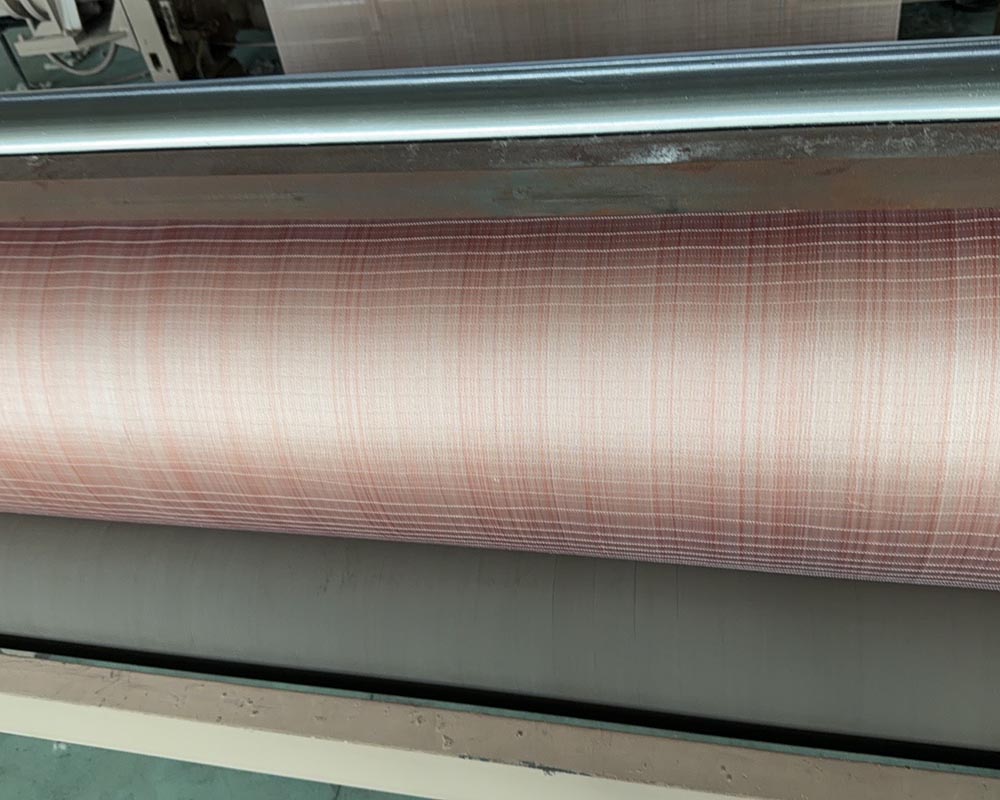
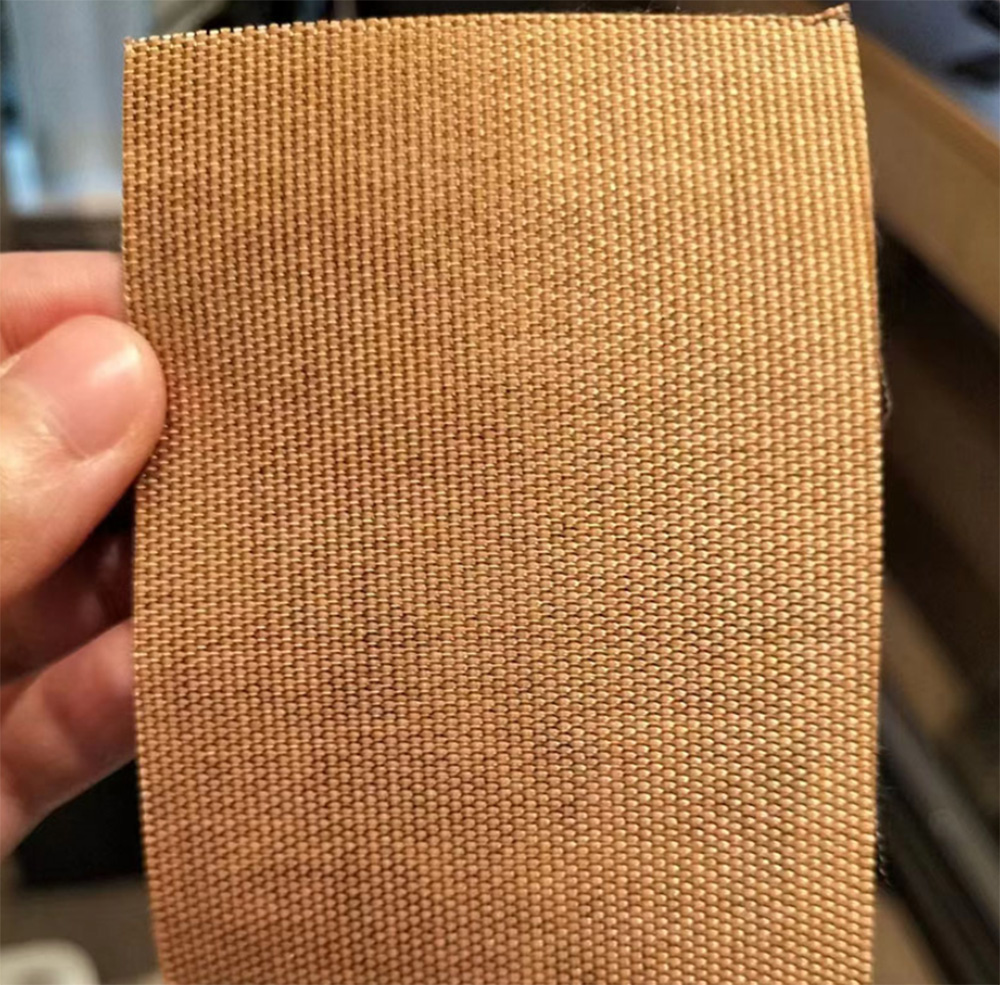
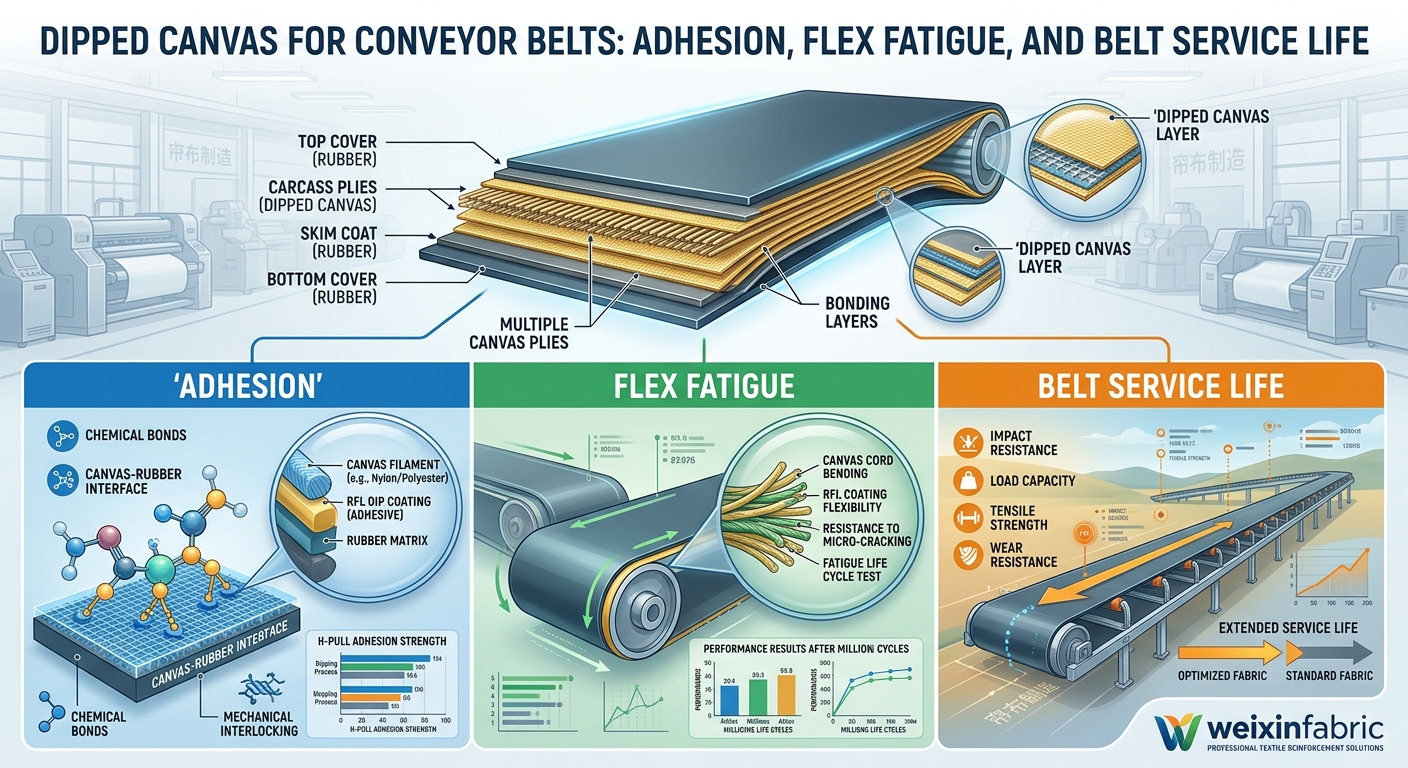
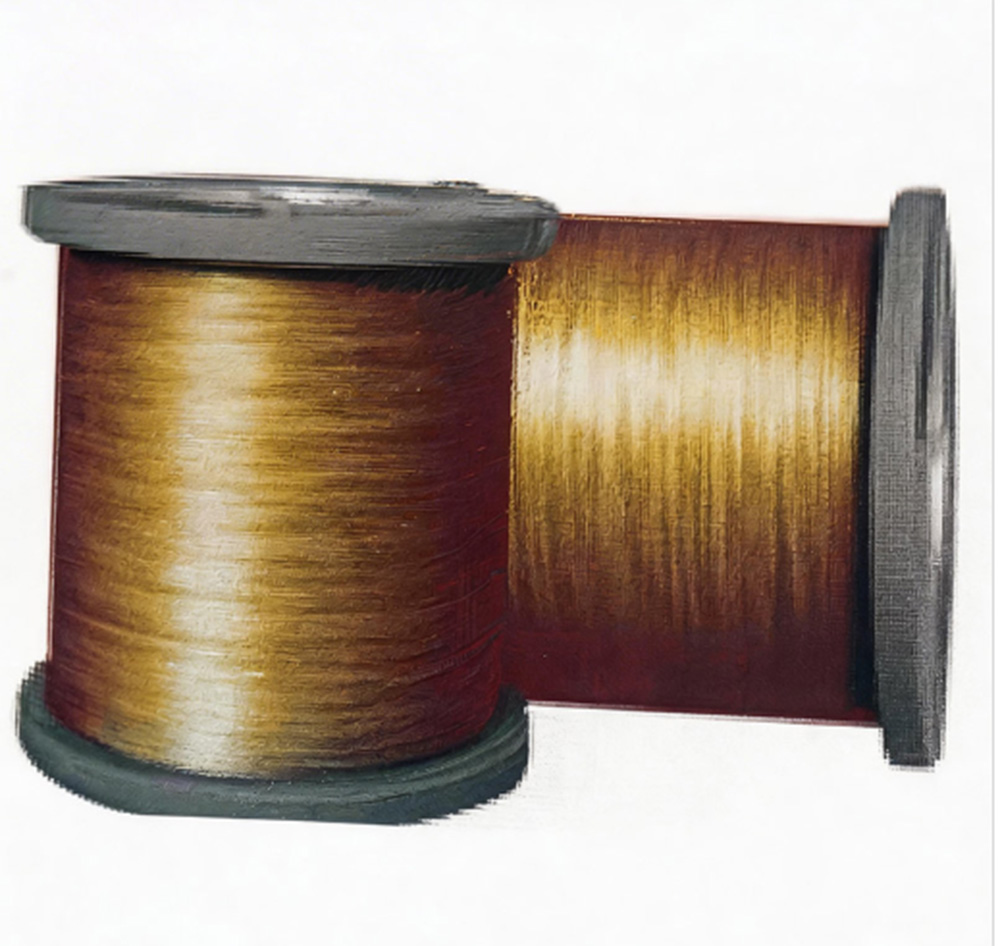
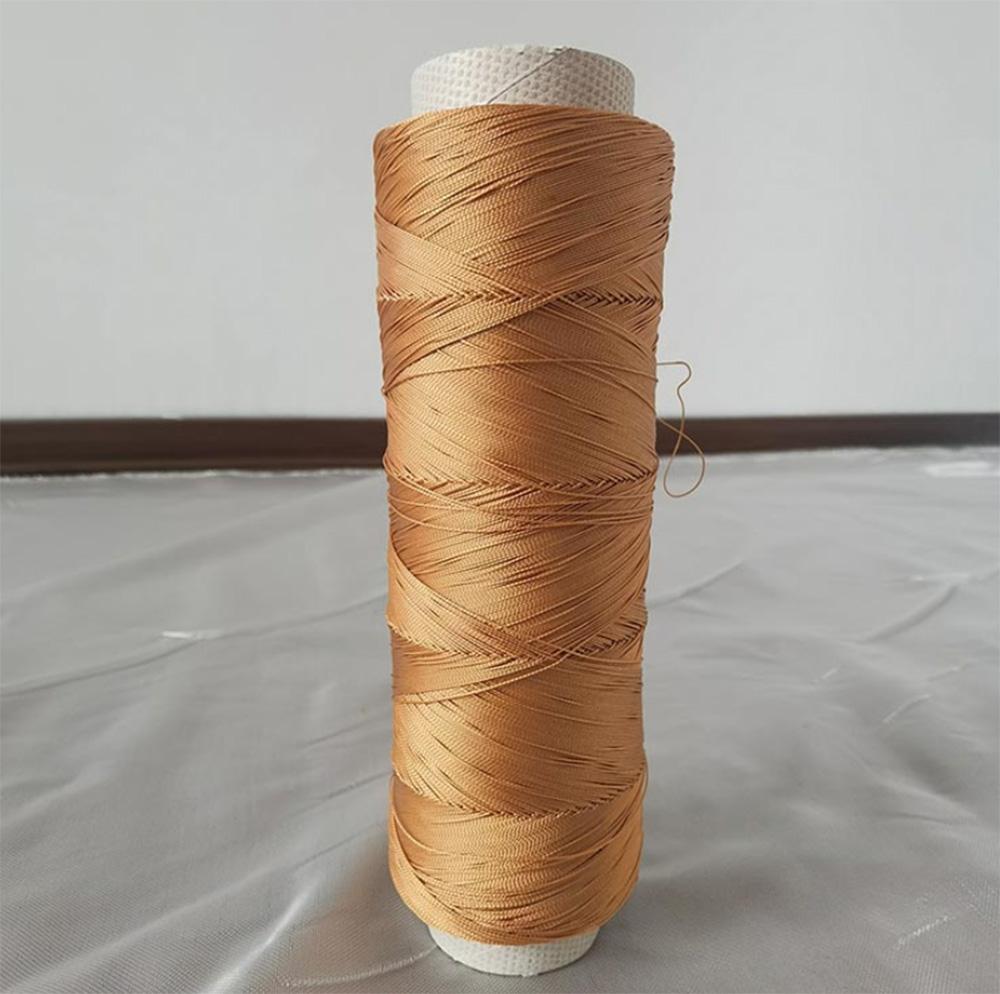
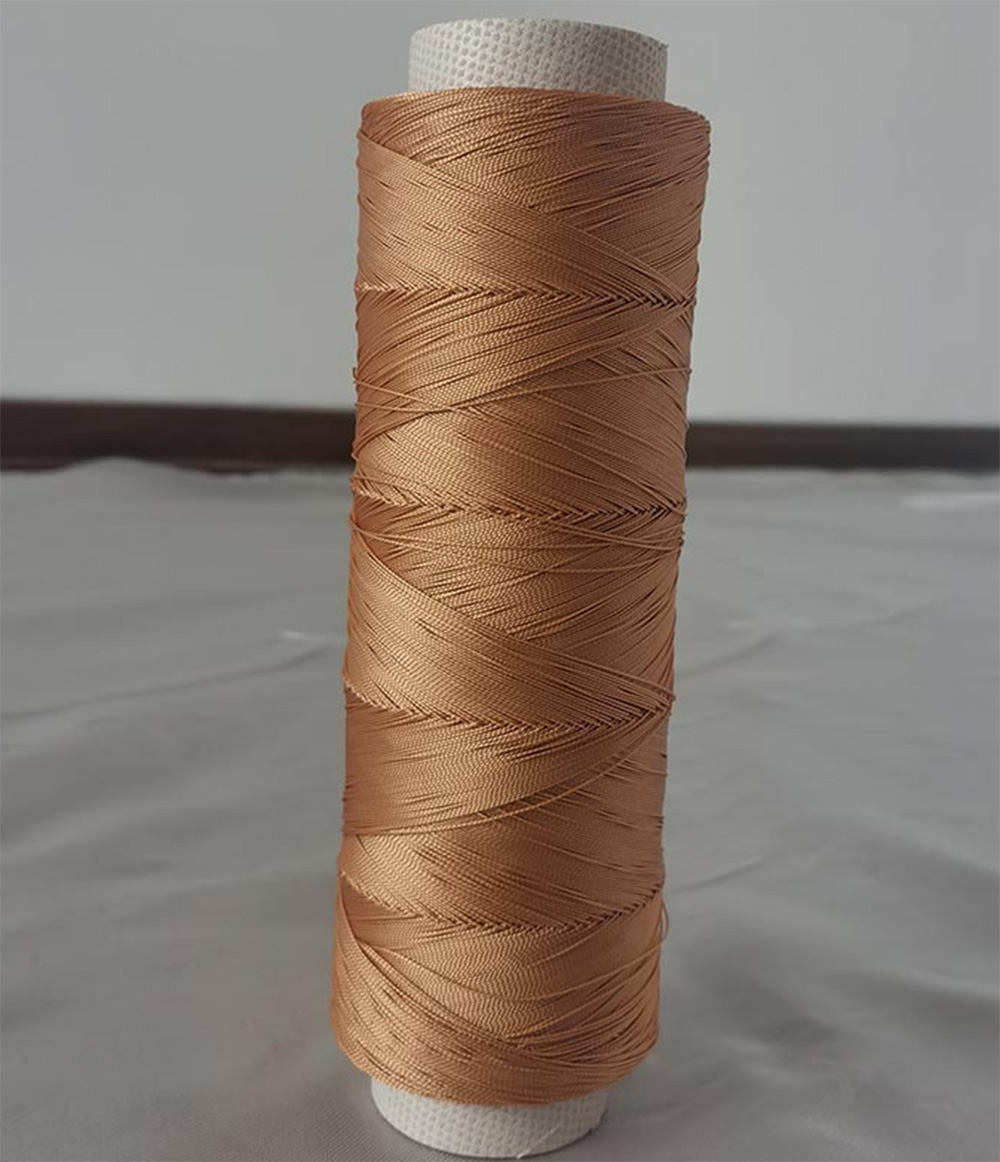
Dip Pick-Up (DPU) percentage is a critical quality indicator in the manufacturing of dipping tire cord fabrics (Polyester/PET, Nylon 6, Nylon 66, and Aramid). Achieving precise resorcinol-formaldehyde-latex (RFL) adhesive coating ensures robust rubber-to-cord interfacial adhesion, fatigue resistance, and thermal durability in radial tires.
In traditional tire cord dipping lines, offline laboratory gravimetric testing introduces significant measurement delays, allowing batch-to-batch DPU variance. Excess DPU leads to cord stiffness, localized blistering, and elevated raw material costs, while insufficient DPU compromises rubber adhesion and leads to tire tread detachment risks. As a premier China tire cord fabric manufacturer, weixinfabric implemented inline Process Analytical Technology (PAT) to eliminate DPU variability and stabilize tire cord adhesion metrics.
1. Root Cause Analysis of Dip Pick-Up (DPU) Fluctuation
Prior to integrating PAT control loops, a high-speed dipping line processing High Tenacity Nylon 66 tire cord fabric exhibited DPU fluctuations exceeding ±1.8% around the targeted 4.5% baseline. Engineering audits identified three primary process variables driving this instability:
Primary Drivers of Coating Instability:
- Dynamic Viscosity Shifts in RFL Dip Solution: Ambient temperature changes and resin aging altered bath rheology, impacting wet pick-up across high-speed dip vats.
- Web Tension and Speed Fluctuations: Variable yarn tension in the dipping zone caused transient capillary action shifts, leading to inconsistent latex penetration into the filament bundle.
- Sub-Optimal Squeegee & Vacuum Extraction Control: Fixed vacuum pressure profiles failed to compensate for subtle changes in fabric construction density or linear speed adjustments during roll changeovers.
2. The PAT Implementation Architecture by weixinfabric
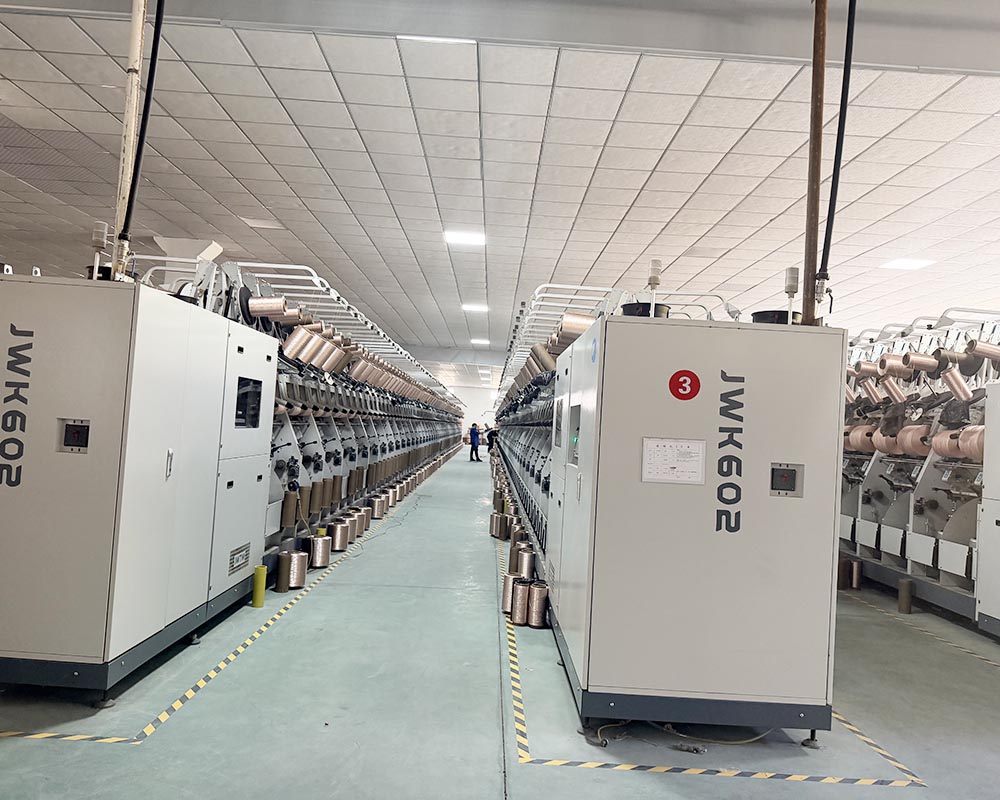
To establish real-time closed-loop control, weixinfabric integrated multi-point Process Analytical Technology across the dipping and hot-stretching zones.
| PAT Subsystem | Measurement & Control Mechanism | Engineering Objective |
|---|---|---|
| Inline NIR Reflectance Sensors | Near-Infrared spectroscopy measuring wet/dry film thickness across 16 cross-web zones | Provides instantaneous cross-web DPU profile mapping with zero destructive sampling delay |
| Closed-Loop Vacuum Extraction | Automated proportional valves adjusting slot vacuum levels dynamically based on NIR feedback | Maintains uniform target fluid retention regardless of line speed fluctuations |
| Precision Tension Zone Control | Multi-load cell closed-loop tensioners maintaining exact yarn elongation parameters | Eliminates cord bundle compression variance during bath immersion |
3. Measured Results and Adhesion Performance Gains
After a 6-month continuous trial on 1400dtex/2 Nylon 66 and 1670dtex/2 PET tire cord lines, the implementation of PAT by weixinfabric yielded quantifiable quality and operational improvements:
- 68% Reduction in DPU Standard Deviation: DPU variance was reduced from ±1.8% down to ±0.4%, achieving exceptional process capability (Cpk > 1.67).
- Superior Interfacial Peel Strength: H-pull adhesion testing demonstrated consistent rubber-to-fabric bond strength exceeding 160 N/cm, with 100% rubber coverage failure mode during peel evaluations.
- 12% Reduction in RFL Chemical Waste: Real-time chemical dosing and vacuum control eliminated excess latex application, lowering overall material consumption.
- Enhanced Thermal Ageing Resistance: Uniform coating thickness prevented micro-cracking during vulcanization, ensuring longer tire casing life under dynamic load conditions.
4. Technical Specifications of Precision Tire Cord Fabrics
High-performance tire cord fabrics produced by weixinfabric comply with strict international automotive and tire OEM specifications. By pairing advanced PAT dipping lines with premium high-tenacity yarns, our products guarantee reliable reinforcement for passenger car radials (PCR), truck and bus radials (TBR), and specialty off-the-road (OTR) tires:
- Fabric Types: Nylon 6, Nylon 66, Polyester (PET), High Modulus Low Shrinkage (HMLS) PET, and Aramid Hybrid Cord Fabrics.
- Customized RFL Formulations: Environmentally friendly formaldehyde-free and resorcinol-free dipping options available to meet global eco-compliance regulations.
- Strict Quality Standards: Certified to ISO 9001 and IATF 16949 quality management systems.
Partner with weixinfabric: Your Trusted Tire Cord Reinforcement Specialist
At weixinfabric, we combine state-of-the-art dipping technology, automated web tensioning, and rigorous quality control to produce world-class tire cord fabrics. Whether you need standard Nylon/Polyester tire cord reinforcement or customized high-modulus aramid hybrids, our technical engineering team delivers consistent, defect-free solutions designed to elevate tire performance and durability.