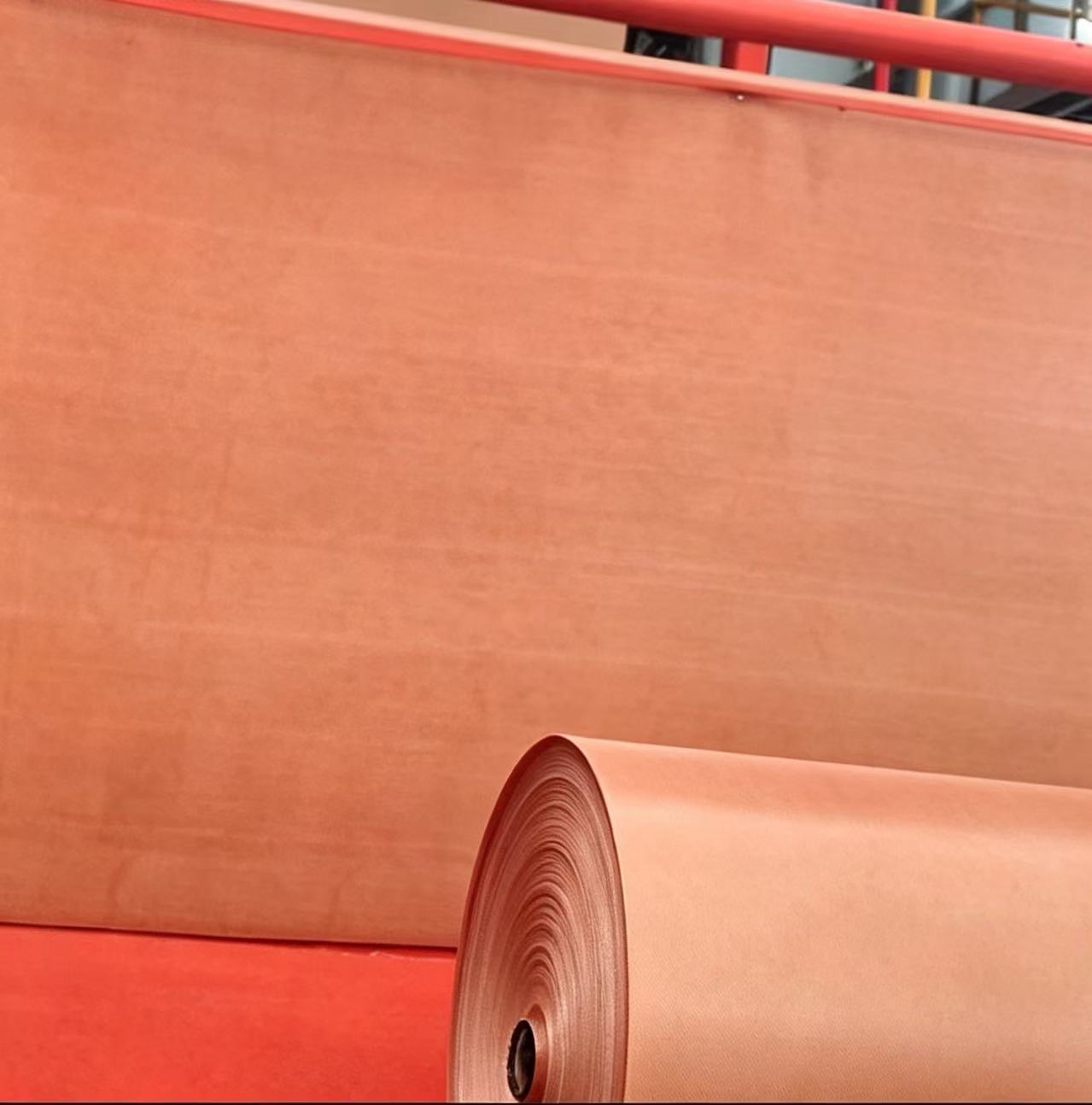
How EV Tire Requirements Are Changing Carcass Fabric Specifications and Reinforcement Design
Published by: Technical Engineering Team, Weixinfabric
Focus Area: Next-Generation EV Tire Carcass Reinforcement & High-Tenacity Dipped Fabric Solutions
1. The Paradigm Shift in Electric Vehicle Tire Dynamic Demands
The global transition toward Electric Vehicles (EVs) has introduced unprecedented mechanical and thermal stress factors into tire engineering. EVs present three fundamental structural challenges compared to traditional internal combustion engine (ICE) vehicles: higher curb weight due to lithium-ion battery packs, instant maximum torque delivery, and ultra-quiet cabin environments that amplify tire cavity noise.
To withstand higher wheel loads, elevated sidewall deflection, and instantaneous acceleration torque, tire manufacturers are re-engineering the internal skeletal structure of tires—specifically the carcass fabric layer. At Weixinfabric, a premier Chinese manufacturer of high-tenacity industrial cord fabrics, we engineer bespoke carcass reinforcement solutions tailored to the stringent Extra Load (XL) and High Load Capacity (HL) standards demanded by EV tire OEMs globally.
2. Key Mechanical Factors Driving Carcass Reinforcement Redesign
A. Increased Load Index and High Load Capacity (HL) Standards
EV battery integration increases vehicle curb weight by 20% to 30%. To maintain standard tire dimensions while carrying higher payloads without sacrificing inflation safety margin, EV tires utilize High Load Capacity (HL) specifications. Carcass cord fabrics must achieve higher tensile breaking strength per unit weight without increasing carcass gauge, which would otherwise add unwanted unsprung weight.
B. Instant Torque and Dynamic Shear Resistance
Electric motors deliver maximum torque from zero RPM, generating intense rotational force between the bead, turn-up carcass area, and tread package. The carcass cord fabric must exhibit exceptional dynamic fatigue resistance and shear strength to prevent ply separation and cord degradation during rapid acceleration and regenerative braking cycles.
C. Dimensional Stability and Low Heat Shrinkage
High dynamic loads induce micro-flexing in the sidewalls, raising internal operating temperatures. Carcass fabrics must maintain strict dimensional stability under thermal load. High-Modulus Low-Shrinkage (HMLS) Polyester cord fabrics and advanced Nylon 66 cords are vital in keeping heat shrinkage to a minimum, preserving tire footprint uniformity during high-speed cruising.
D. Rolling Resistance Optimization
Hysteresis loss in internal textile layers contributes significantly to overall rolling resistance. Modern EV tire carcass fabrics require optimized linear density (denier) and lower cord gauge, paired with advanced adhesive dip coatings, to reduce energy dissipation without compromising structural safety margins.
3. Evolution of Fiber Materials in EV Carcass Fabric Engineering
To meet evolving EV carcass fabric specifications, Weixinfabric manufactures a broad portfolio of high-performance technical reinforcement fabrics:
| Fabric Material | Technical Advantages for EV Tires | Primary Carcass & Cap Ply Applications |
|---|---|---|
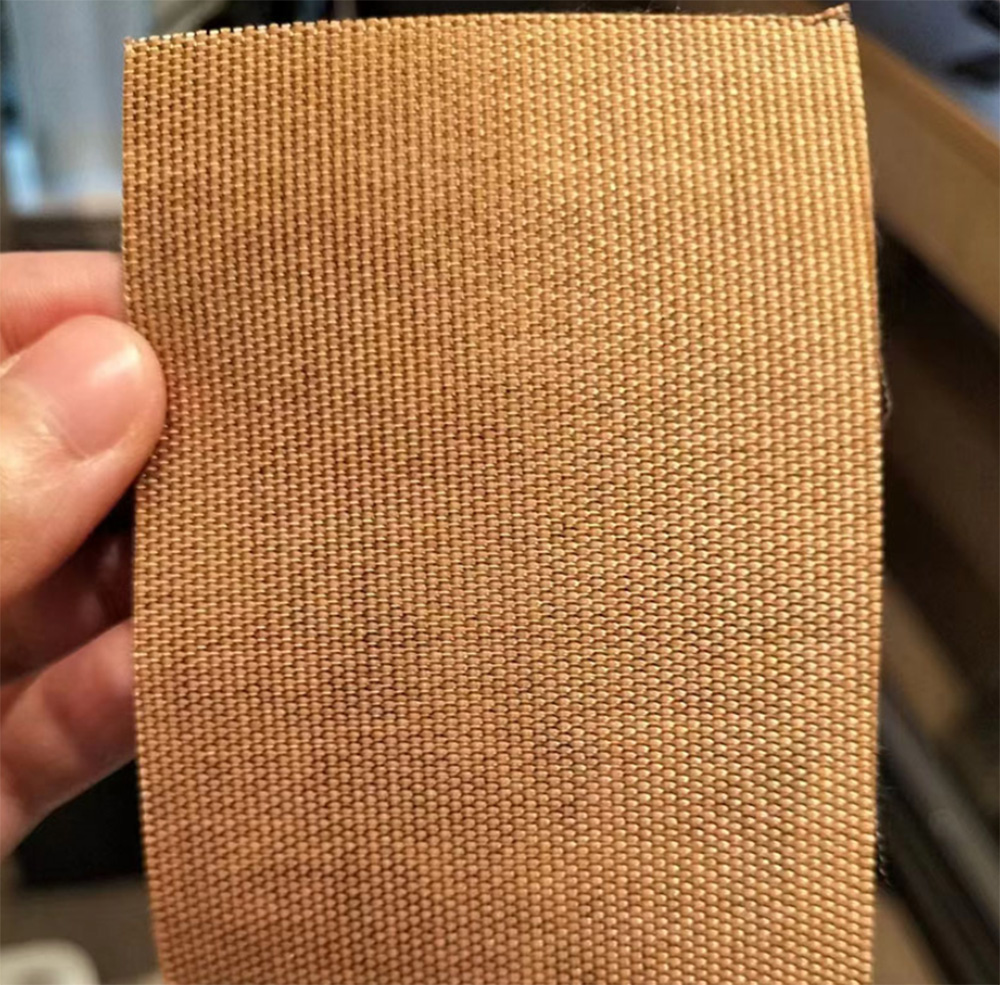
| Dipped Nylon 66 Cord Fabric | Superior fatigue strength, thermal stability, high energy absorption, and impact resistance under peak loads. | High-performance EV passenger tire carcasses, heavy-load EV SUV tires, and crown reinforcement. |
| HMLS Polyester Cord Fabric | Ultra-high modulus, low thermal heat shrinkage (HAS), and excellent dimensional retention across varied temperatures. | Standard EV passenger car radial (PCR) carcasses and sidewall reinforcement plies. |
| Aramid & Nylon Hybrid Cords | Lightweight structure combining the high tensile modulus of Aramid with the dynamic elasticity of Nylon. | Ultra-High-Performance (UHP) EV cap plies, high-speed rating reinforcement, and zero-degree belt overlays. |
| High-Tenacity Nylon 6 Cord Fabric | Cost-effective shock absorption, outstanding elasticity, and reliable rubber-to-cord RFL dip adhesion. | Commercial EV light truck tires, industrial transport tires, and bias/radial carcass applications. |
4. Weixinfabric's RFL Dip Engineering for EV Carcass Fabrics
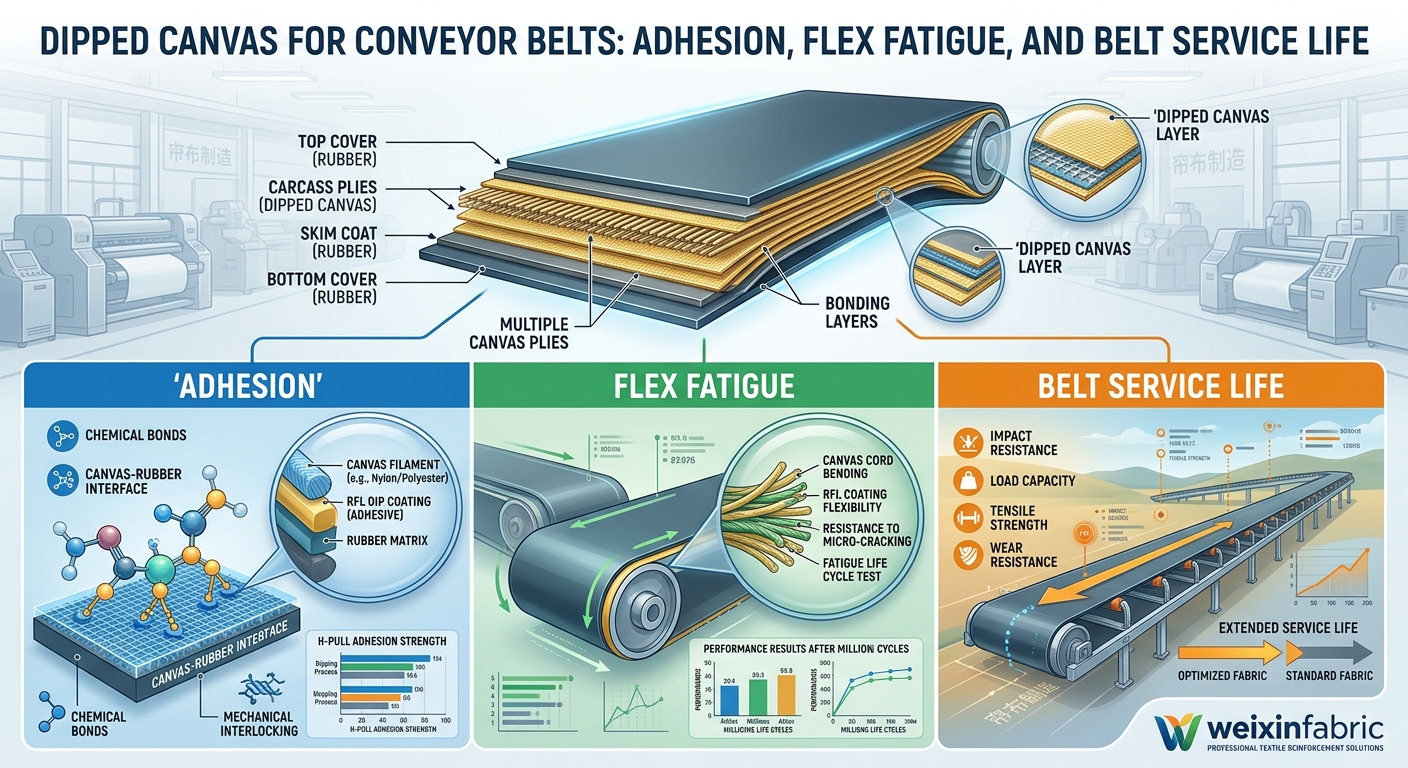
The mechanical performance of an EV carcass fabric is fundamentally linked to its rubber-to-fabric bond strength. Higher thermal and dynamic stress in EV tires can accelerate dynamic fatigue failure at the interface between the cord and compound.
Weixinfabric utilizes advanced dual-bath Resorcinol-Formaldehyde-Latex (RFL) dip formulations and precision tension-controlled curing ovens to ensure:
- Maximum H-Pull Adhesion: Superior interfacial bonding prevents carcass delamination during severe sidewall deflection.
- Environmentally Compliant Dip Formulations: Development of eco-friendly, low-VOC, and formaldehyde-reduced bonding agents aligned with global sustainability standards.
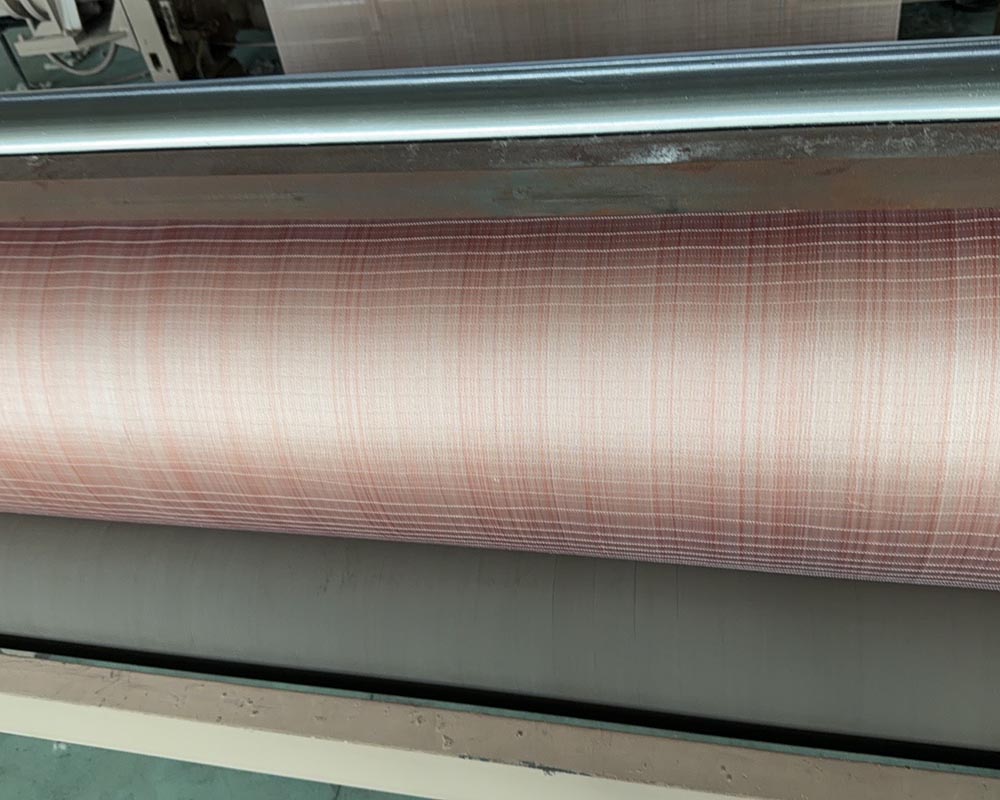
- Uniform Liquid Pick-Up (LPU): Micro-controlled squeeze rollers maintain exact chemical pickup across wide-width fabric rolls, eliminating localized density variations.
5. Why Leading Global Tire Manufacturers Partner with Weixinfabric
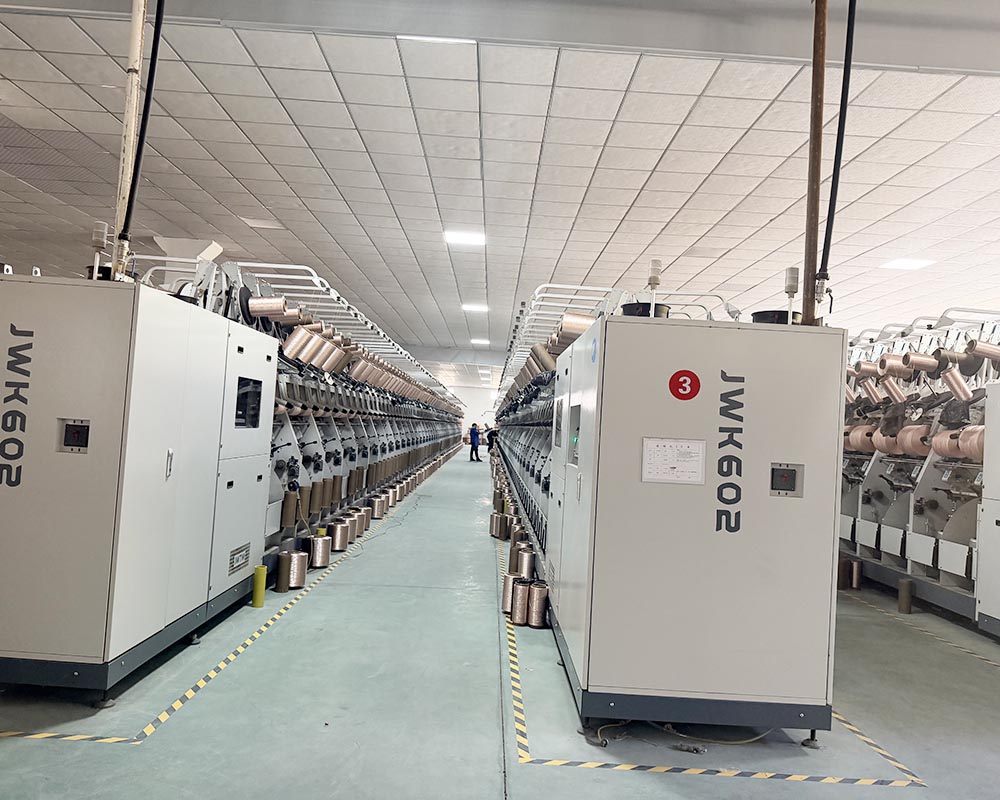
As a specialized Chinese producer of high-tenacity tire cord fabrics, Weixinfabric delivers comprehensive reinforcement solutions from filament selection to weaving, RFL dipping, and final quality control:
- Customized Construction Specifications: Engineering specific twist levels (TPM), cord density, width, and linear density to match proprietary tire OEM designs.
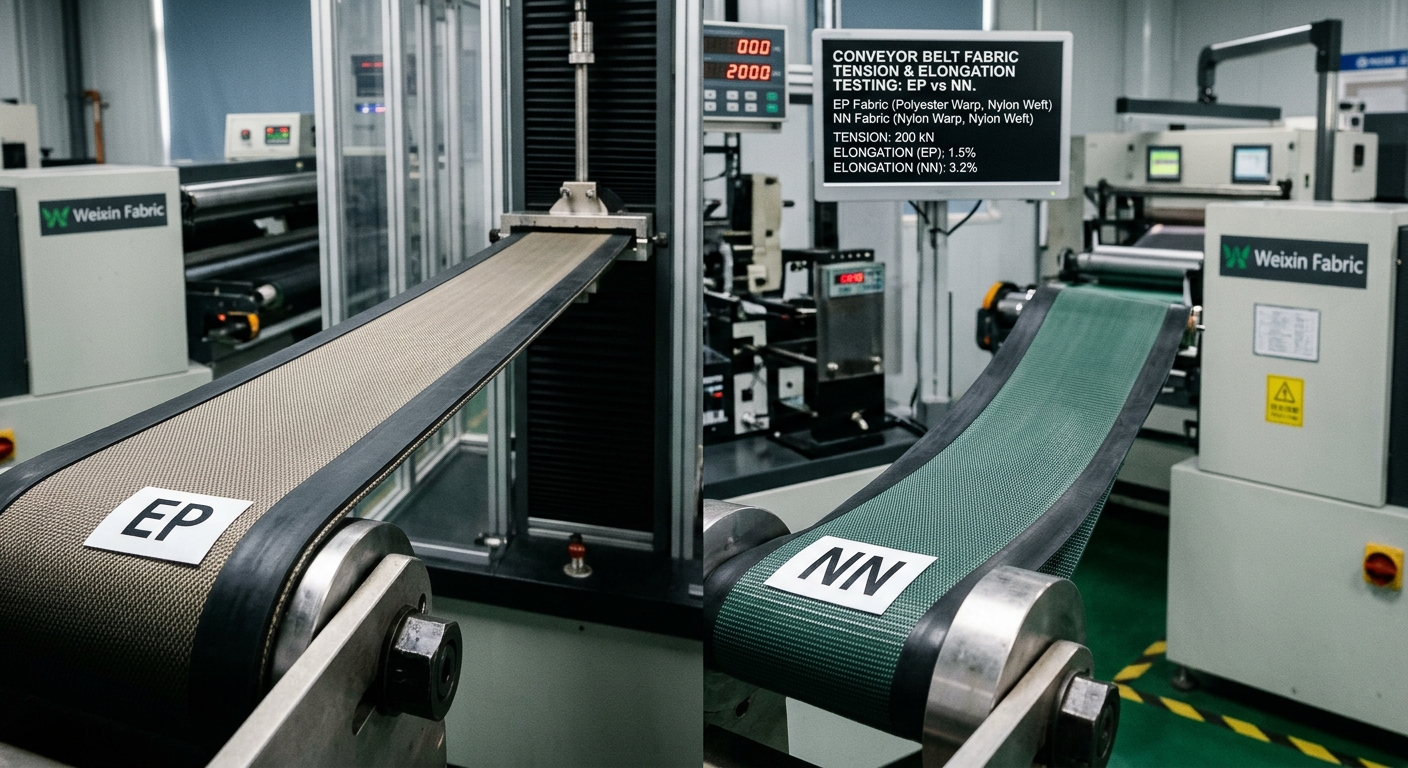
- Strict Quality Management System: Comprehensive online tension tracking, physical properties testing (tensile breaking force, elongation, heat shrinkage, H-pull adhesion), and zero-defect roll inspection.
- Global Supply Reliability: High-capacity production lines offering scalable manufacturing for EV tire reinforcement needs across international markets.
6. Conclusion and Technical Consultation
The electrification of mobility demands a fundamental shift in carcass fabric engineering. By upgrading to high-tenacity Nylon 66, HMLS Polyester, and hybrid aramid cord fabrics with high-adhesion RFL dip coatings, tire manufacturers can meet the extra load, dynamic torque, and low energy loss requirements of modern EVs.
Partner with Weixinfabric for expert technical guidance and customized cord fabric manufacturing solutions. Contact our engineering team today to optimize your EV tire carcass reinforcement architecture.