The Regulatory and Standards Environment for Tire Cord Fabrics: JIS, METI, and OEM Specifications
The Regulatory and Standards Environment for Tire Cord Fabrics: JIS, METI, and OEM Specifications
Tire cord fabric is not a commodity textile. It is a structural reinforcement material whose performance directly affects tire safety, durability, and vehicle handling. Because of this, the regulatory and standards environment surrounding tire cord fabric is layered: national industrial standards establish test methods, government ministries regulate import and market access, and tire manufacturers impose their own OEM specifications that frequently exceed the minimum requirements of any published standard.
For tire cord fabric manufacturers and exporters, navigating this layered environment is not optional. It is a prerequisite for market access. At WEIXIN FABRIC, we manufacture dipped nylon and polyester tire cord fabric for tire producers worldwide. This article examines the regulatory and standards landscape—with particular focus on Japan’s JIS and METI framework—and explains how OEM specifications translate these requirements into production reality.
JIS L 1017: The Foundational Test Method Standard
The Japanese Industrial Standards (JIS) system establishes national standards for industrial products under the Industrial Standardization Act. For chemical fiber tire cords, the governing standard is JIS L 1017:2002, “Test methods for chemical fibre tire cords” [citation:1].
This standard specifies test methods for tire cords, tire cord fabrics, and their original yarn made from chemical fibers—specifically filament yarn of rayon, nylon, vinylon, polyester, and aramid [citation:6]. It is a test method standard, not a product specification standard, which means it defines how to measure properties rather than what values those measurements must achieve.
Scope and Application
JIS L 1017 covers the full spectrum of chemical fiber tire cord materials used in tire reinforcement. The standard’s scope includes:
- Test methods for raw yarn (filament yarn before twisting)
- Test methods for tire cord (twisted yarn)
- Test methods for tire cord fabric (woven fabric before or after dipping)
The standard was originally established in 1953 and has been revised and reaffirmed multiple times. The current edition, JIS L 1017:2002, was last confirmed in 2021, indicating its continued relevance to the industry [citation:1].
Key Test Parameters Defined by JIS L 1017
While the full standard encompasses dozens of test procedures, several parameters are particularly critical for tire cord fabric acceptance:
| Parameter | What It Measures | Relevance to Tire Performance |
|---|---|---|
| Breaking Strength | Maximum force a cord or fabric specimen withstands before rupture | Determines load-carrying capacity of the tire carcass or belt |
| Breaking Elongation | Percentage elongation at the point of rupture | Affects tire deformation characteristics and ride comfort |
| EASL (Elongation at Specific Load) | Elongation measured at a defined load (e.g., 44.1N, 66.6N, 88.2N) | Critical for dimensional stability and tire uniformity [citation:3] |
| H-Adhesion | Force required to pull a cord from a rubber block in an H-shaped test piece | Determines cord-to-rubber bonding integrity under stress |
| Dip Pick-Up | Percentage of adhesive coating (RFL) retained on the cord after dipping | Affects adhesion and cord stiffness |
| Hot Air Shrinkage | Shrinkage of cord when exposed to elevated temperature (typically 150–180°C) | Predicts dimensional changes during tire curing [citation:9] |
| Twist (TPM) | Turns per meter in ply and cable twist | Affects cord strength, fatigue resistance, and elongation characteristics |
The EASL parameter deserves particular attention. Unlike breaking elongation, which measures behavior at failure, EASL measures elongation at the load levels the cord experiences during normal tire operation. For polyester tire cord used in passenger car carcasses, EASL is typically specified at loads between 44N and 89N, with target values around 4.5% ± 1.0% [citation:3][citation:13]. This parameter directly correlates with tire dimensional stability and uniformity.
METI and the Japanese Import Framework
The Ministry of Economy, Trade and Industry (METI) oversees the regulatory framework governing textile product imports into Japan, including tire cord fabric. While tire cord fabric is not subject to the same level of import restriction as some other textile categories, several regulatory layers apply.
Foreign Exchange and Foreign Trade Act
The fundamental legal framework for imports into Japan is the Foreign Exchange and Foreign Trade Act (外為法). Under this act, imports are generally liberalized, with import quotas applying only to specific restricted categories. Textile fibers for technical applications (HS Chapter 59.11) are not subject to import quota restrictions [citation:12].
The act does, however, impose documentation and declaration requirements. Import clearance requires:
- Commercial invoice (3 copies, in English or Japanese)
- Packing list (not strictly required but recommended)
- Certificate of origin (where preferential tariff treatment is claimed)
- Transportation documents (bill of lading or air waybill)
For textile products, the Japanese customs authorities may request additional documentation related to composition and technical specifications during inspection [citation:7].
Consumer Product Safety Act
Tire cord fabric, as an industrial intermediate material rather than a finished consumer product, falls outside the scope of the Household Goods Quality Labeling Act. However, the broader Consumer Product Safety Act establishes limits for hazardous substances that may apply to textile products placed on the Japanese market [citation:7]. Tire cord manufacturers exporting to Japan should be prepared to provide documentation confirming compliance with these limits if requested.
Tariff Treatment and Rules of Origin
Japan applies tariffs on imported goods based on CIF value. For tire cord fabric originating from countries with Economic Partnership Agreements (EPAs) with Japan, preferential tariff rates may apply.
The Japan-EU EPA, effective February 2019, eliminated tariffs on most textile products of EU origin. For countries without an EPA, the general tariff rate applies. China, as of the current framework, does not have a bilateral EPA with Japan, meaning Chinese-origin tire cord fabric is subject to the standard MFN tariff rate [citation:7].
To claim preferential tariff treatment under any applicable EPA, the product must satisfy the agreement’s rules of origin. These are typically expressed as Change in Tariff Classification (CTC) rules. For yarn and fabric products, the required transformation is generally a Change in Tariff Heading (CTH)—a four-digit HS code change—indicating that the manufacturing process in the exporting country involves more than minimal processing [citation:17].
OEM Specifications: Where Standards Meet Production Reality
Published standards like JIS L 1017 establish the testing framework, but they do not define acceptable performance values. Those values come from the tire manufacturers themselves, expressed as OEM specifications.
OEM specifications for tire cord fabric are proprietary documents that translate tire performance requirements into measurable cord and fabric parameters. They typically specify:
- Cord construction and linear density (e.g., 1000D/2, 1300D/2, 1500D/2 for polyester; 840D/1, 1260D/1 for nylon)
- Twist levels and directions for both ply and cable twist
- Minimum breaking strength and maximum elongation at break
- EASL target values and tolerances at specified loads
- Minimum H-adhesion force (typically 125–200 N/cm depending on cord type)
- Dip pick-up percentage range
- Hot air shrinkage limits at specified temperature and time
- Fabric construction (ends per decimeter in warp and weft, fabric thickness, cord spacing)
These specifications vary by tire application. A polyester cord fabric intended for passenger car tire carcass reinforcement has different property requirements than a nylon cord fabric for truck tire cap plies. The OEM specification reflects the specific mechanical demands of the target tire position.
Example: Polyester Tire Cord Fabric Specifications
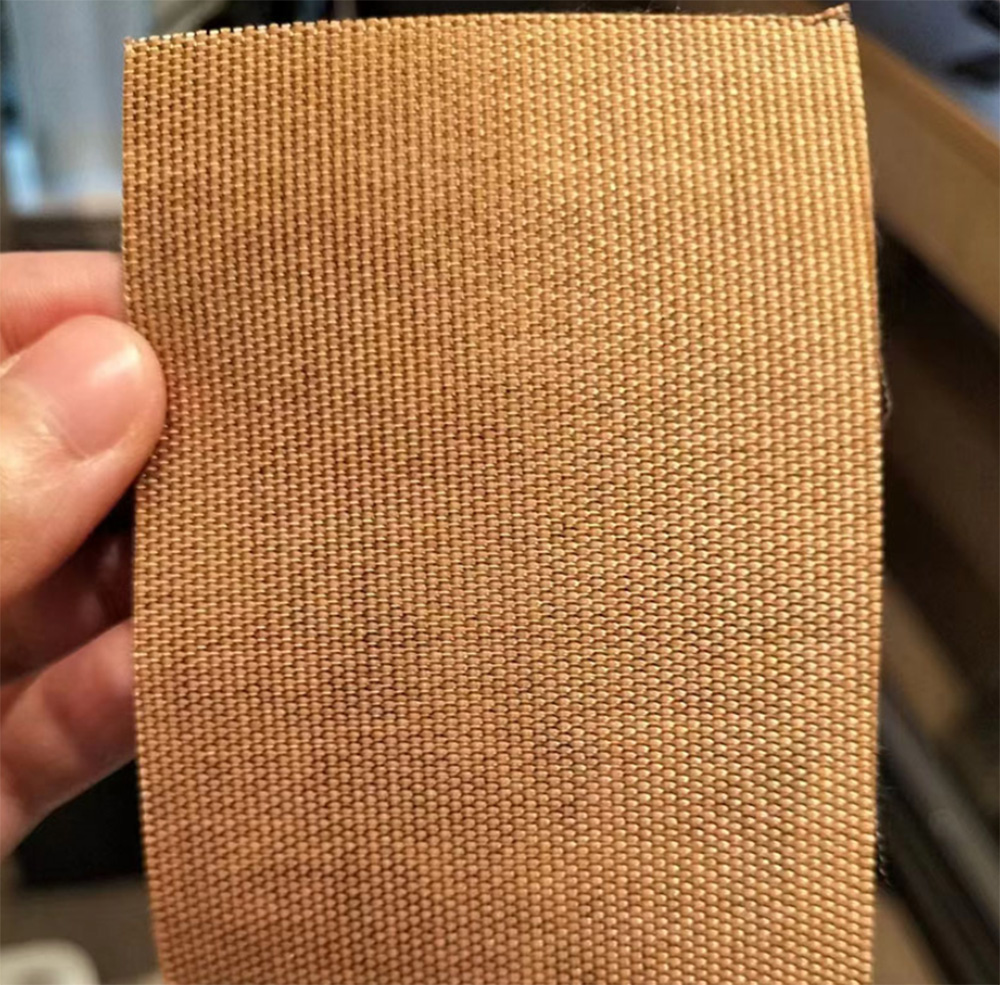
Representative OEM-level specifications for dimensionally stable polyester tire cord fabric demonstrate the level of detail involved. For a 1000D/2 (1100 dtex/2) cord construction, typical requirements include [citation:3]:
- Breaking strength: ≥ 140 N/end
- Breaking elongation: ≥ 12%
- Ply twist: 46.5 ± 15 TPM
- Cable twist: 450 ± 15 TPM
- Dip pick-up: 3.0% ± 1.0%
- H-adhesion: ≥ 125 N/cm
- EASL (5/64): 4.5% ± 1.0%
- Hot air shrinkage (177°C × 2 min): ≤ 2.0%
For heavier cord constructions such as 2000D/2, the breaking strength requirement rises to ≥ 260 N, while the ply twist decreases to 34.5 ± 15 TPM—reflecting the need to maintain cord flexibility as denier increases [citation:3].
Nylon 66 Tire Cord Fabric Specifications
Nylon 66 cord fabric, commonly used in bias truck tires and heavy-duty applications, has distinct specification characteristics. A 1260D/1 construction typically specifies [citation:8]:
- Ply twist: 250 ± 15 TPM
- Breaking strength: minimum 10.5 kg (approximately 103 N)
- EASL: 12.0% ± 2.0%
The higher EASL for nylon compared to polyester reflects nylon’s greater elongation under load—a characteristic that provides impact absorption but reduces dimensional stability relative to polyester.
WEIXIN FABRIC: Manufacturing to the Standards That Matter
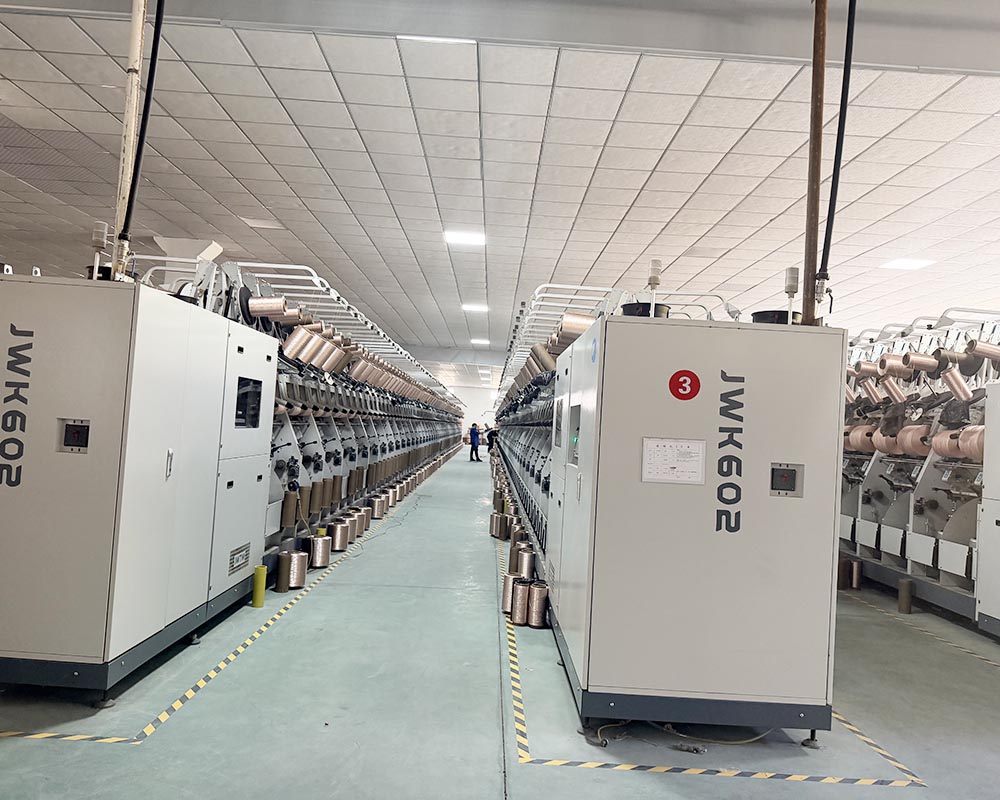
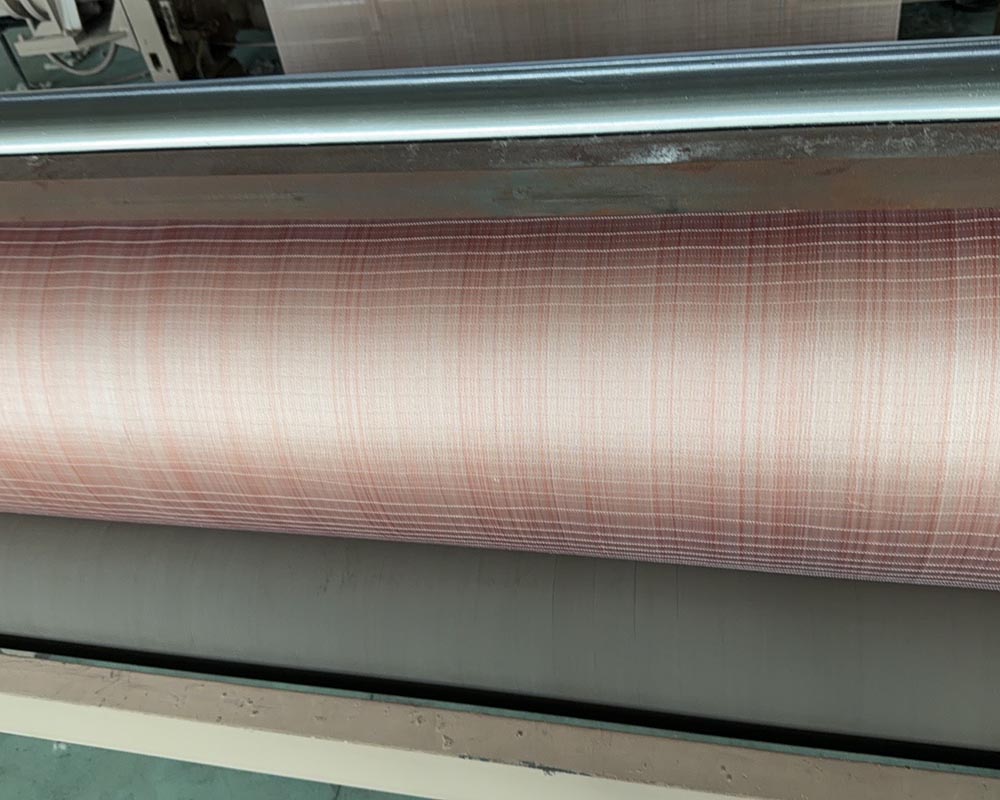
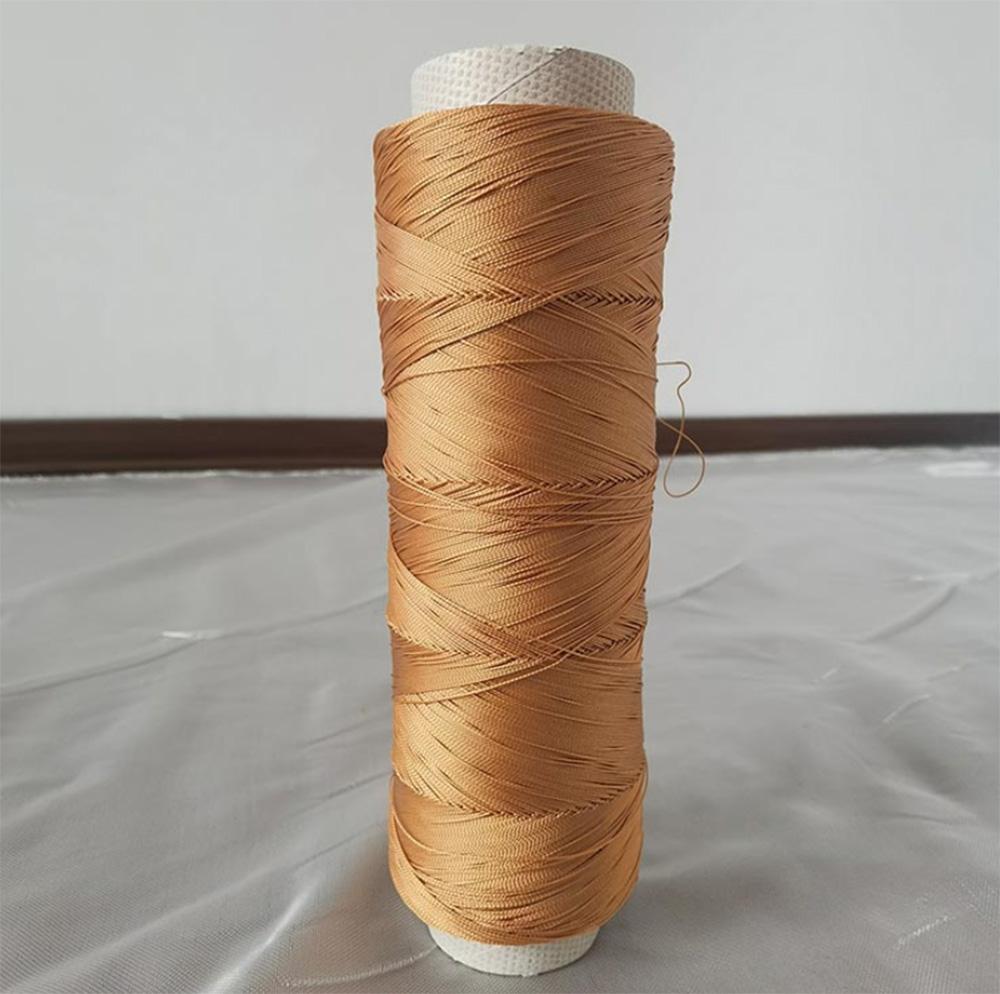
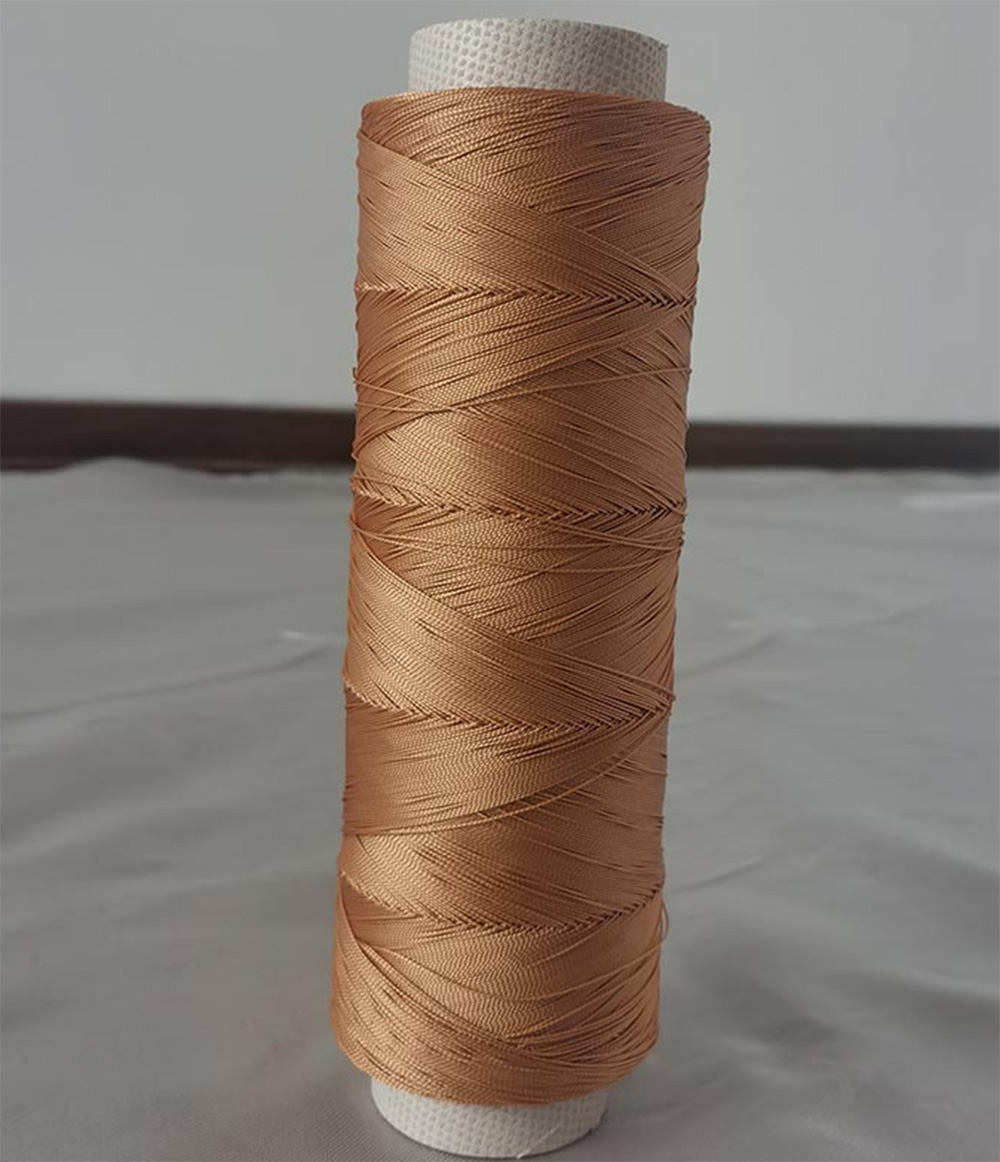
WEIXIN FABRIC manufactures dipped tire cord fabric with full traceability to the test methods defined by JIS L 1017 and equivalent international standards. Our production capabilities encompass:
- Material systems: Nylon 6, Nylon 66, and high-modulus low-shrinkage (HMLS) polyester
- Cord constructions: Standard deniers from 840D to 3000D in single and plied configurations
- Dip systems: RFL formulations optimized for cord-to-rubber adhesion across natural rubber and synthetic rubber compounds
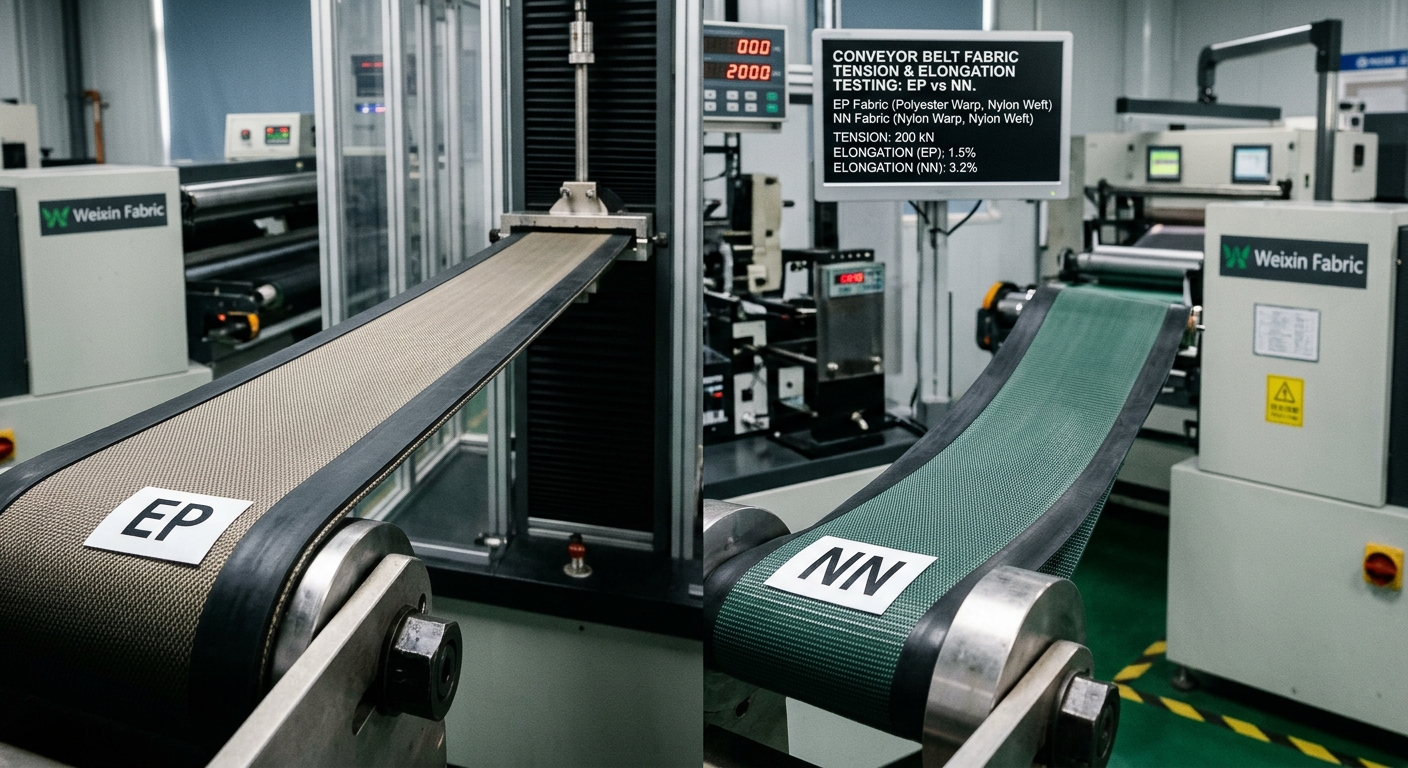
- Testing: In-house verification of breaking strength, elongation, EASL, H-adhesion, dip pick-up, and hot air shrinkage against OEM specifications
For tire manufacturers and importers navigating the Japanese market or global OEM supply chains, WEIXIN FABRIC provides the documentation and test data required for regulatory compliance and customer qualification.
Conclusion: Standards as the Foundation of Market Access
The regulatory and standards environment for tire cord fabric is not a barrier to trade—it is the infrastructure that enables it. JIS L 1017 provides the common language for measuring cord performance. METI regulations establish the procedural requirements for market entry. OEM specifications translate tire engineering requirements into manufacturing targets.
For tire cord fabric manufacturers, success in this environment requires not just the ability to meet specifications, but the capability to verify that performance through recognized test methods. WEIXIN FABRIC’s commitment to standards-based manufacturing ensures that our products meet the requirements of the world’s most demanding tire producers.
Contact WEIXIN FABRIC to discuss your tire cord fabric requirements or to request test data against JIS L 1017 and OEM specifications.
Keywords: tire cord fabric standards, JIS L 1017, METI tire cord import, OEM tire cord specifications, dipped tire cord fabric, nylon tire cord fabric, polyester tire cord fabric, China tire cord manufacturer, WEIXIN FABRIC, tire cord fabric testing, H-adhesion test, EASL elongation, tire cord fabric exporter, JIS tire cord test methods, dipped nylon tire cord, HMLS polyester tire cord
Our Expertise – Carcass Fabric & Dipped Fabric Solutions
As a professional manufacturer and solution expert, we specialize in Carcass Fabric for Automotive Tires, Dipped Fabric for Conveyor Belts, Dipped Fabric for Fishing Nets, and Grade C Cord Fabric. With years of R&D and production experience, we provide high-strength, heat-resistant, and durable industrial fabrics tailored to global clients' specific requirements. Our products are widely used in tire reinforcement, conveyor belt carcass, fishing net manufacturing, and other industrial applications. Explore full product range →
Also check our Tire Cord Fabric, Conveyor Belt Dipped Fabric, and Fishing Net Dipped Fabric pages.