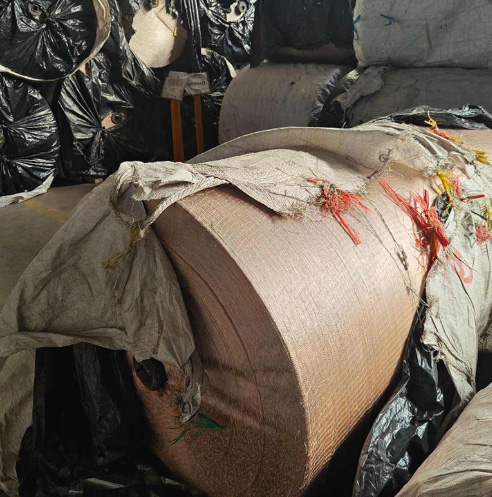
Case Study: Designing Lightweight, Low Rolling-Resistance Carcass Fabric for Electric Vehicle Tires
Authored by: Advanced Research & Engineering Department, Weixinfabric
Technical Focus: Lightweight Textile Architecture, Hysteresis Loss Reduction, and High-Load Carcass Optimization for EVs
Executive Summary
The rapid transition toward electric mobility presents a dual-engineering challenge for tire original equipment manufacturers (OEMs): accommodating increased vehicle curb weights caused by battery packs while simultaneously extending driving range through minimized rolling resistance. As a premier Chinese manufacturer specializing in high-tenacity industrial cord fabrics, Weixinfabric partnered with a leading global tire brand to engineer a next-generation lightweight carcass fabric. This case study details the mechanical analysis, material selection, RFL dip chemical modification, and structural optimizations implemented to reduce carcass weight by 14% and internal hysteresis loss by 11% while maintaining high load-bearing capacity.
1. The Engineering Challenge: The EV Range vs. Load Paradox
Electric Vehicle (EV) tires operate under significantly harsher conditions compared to their internal combustion engine (ICE) counterparts. Key dynamic stressors include:
- Heavy Static and Dynamic Loads: Battery arrays add 200–500 kg to overall vehicle mass, requiring High Load Capacity (HL) standard reinforcement without inflating carcass thickness.
- Instantaneous Acceleration Torque: Immediate motor torque subjects the tire carcass and bead-turnup region to severe longitudinal shear stress.
- Energy Loss via Hysteresis: Repeated bending and recovery of internal textile cord layers during rotation dissipate kinetic energy as heat, directly reducing battery range.
The client's baseline 235/45R19 EV tire required an upgraded carcass fabric that reduced overall fabric mass and linear density (denier) while retaining tensile strength, dimensional stability, and high H-pull rubber adhesion strength under severe thermal flexing.
2. Material Selection & Hybrid Cord Engineering
To break the trade-off between structural mass and tensile strength, Weixinfabric conducted a comparative analysis of high-performance technical filaments to design a lightweight yet ultra-strong carcass matrix.
Material Trade-Off Matrix for EV Carcass Reinforcement
| Reinforcement Material | Density (g/cm³) | Tensile Modulus | Thermal Shrinkage | Role in EV Carcass Design |
|---|---|---|---|---|
| Standard PET | 1.38 | Moderate | Moderate | Conventional ICE tire plies; insufficient modulus for HL standards. |
| HMLS Polyester | 1.38 | High | Ultra-Low | Primary choice for sidewall stability and minimal dynamic heat generation. |
| Nylon 66 (Dipped) | 1.14 | Flexible / Resilient | Controlled Heat-Set | Optimal for impact resistance, energy absorption, and fatigue endurance. |
| Aramid / Nylon Hybrid | 1.25–1.30 | Ultra-High | Low | Lightweight, high-tenacity crown and carcass reinforcement for zero-growth specs. |
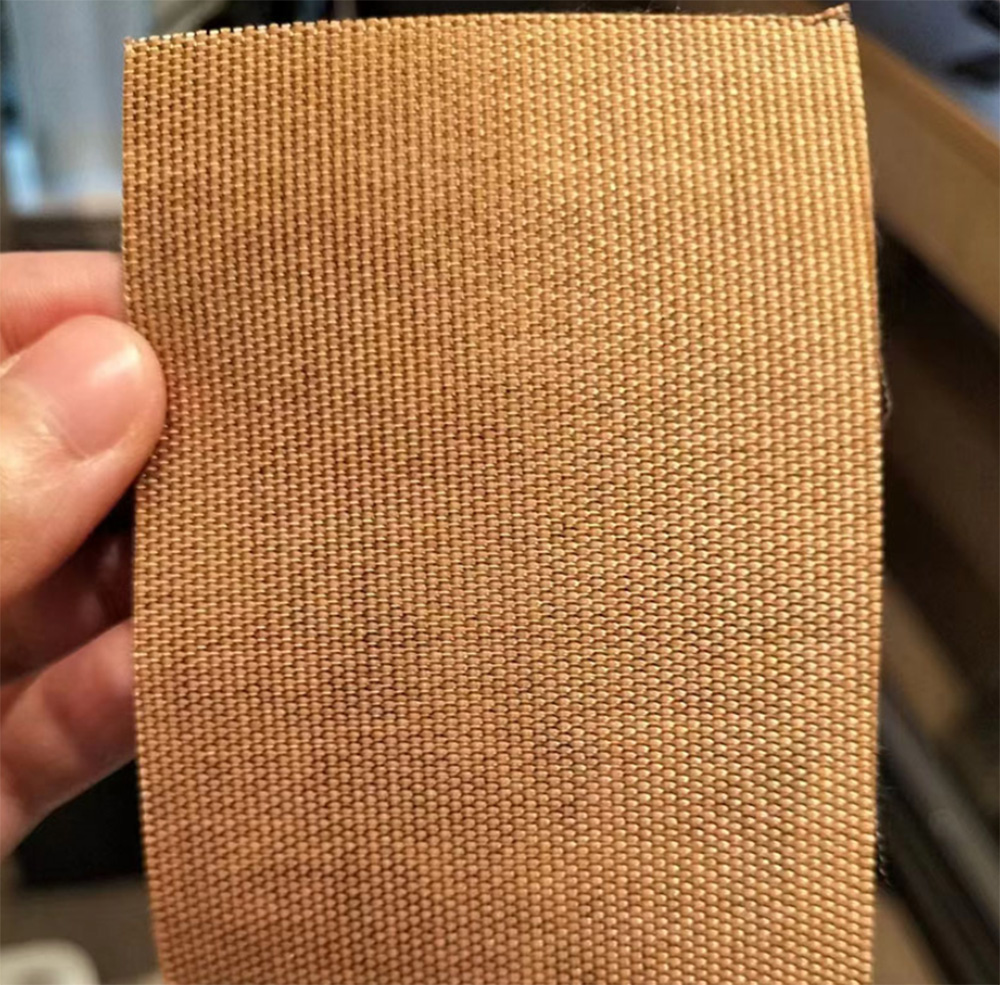
For this project, Weixinfabric deployed a proprietary High-Modulus Low-Shrinkage (HMLS) Polyester cord yarn with optimized twist levels (TPM). The reduced twist multiplier enhanced tensile modulus and reduced yarn diameter, effectively thinning the rubber coating layer needed during calendering and decreasing total tire weight.
3. Chemical Surface Modification: Low-Hysteresis RFL Dipping
Reducing energy loss required optimizing the rubber-to-fabric interface. Traditional Resorcinol-Formaldehyde-Latex (RFL) dips provide strong adhesion but can contribute to mechanical stiffness and energy dissipation at the micro-interface during high-frequency tire deformation.
Weixinfabric's chemical engineering department developed an optimized dual-bath RFL dipping process featuring:
- Nano-Dispersed Polymer Modifiers: Enhancing cross-linking density at lower dip pick-up (DPU) levels, reducing rigid dip mass by 18%.
- Flexible Latex Blends: Incorporating carboxylated VP-latex to improve interface compliance, dampening mechanical heat buildup during dynamic flexing.
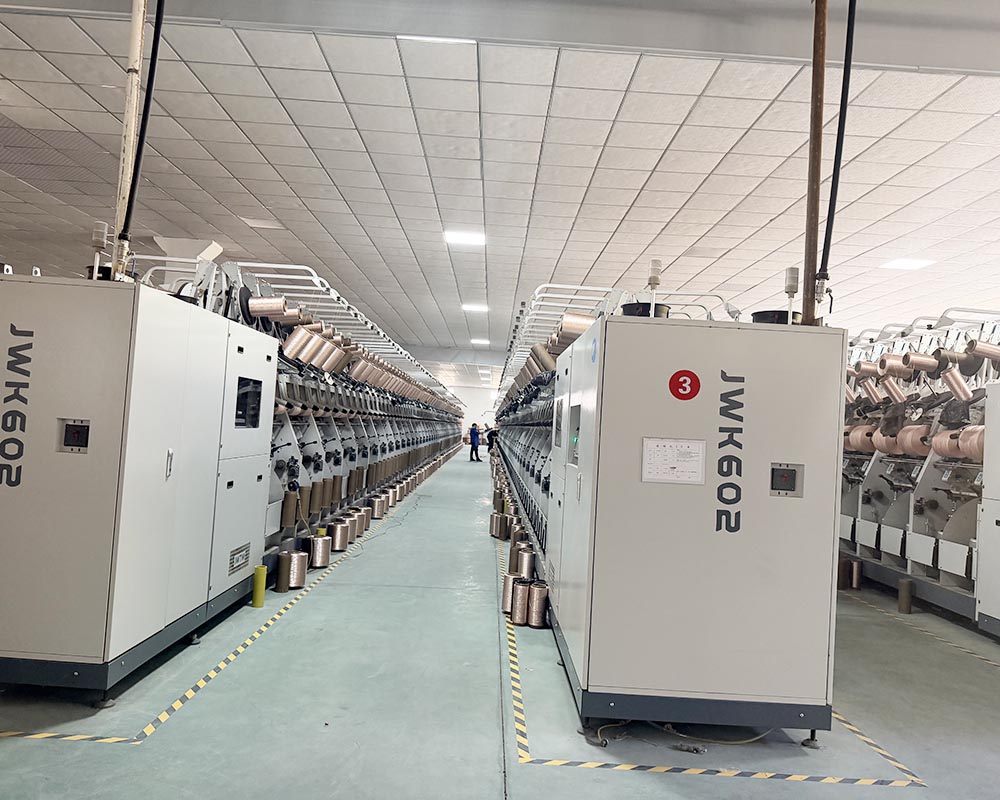
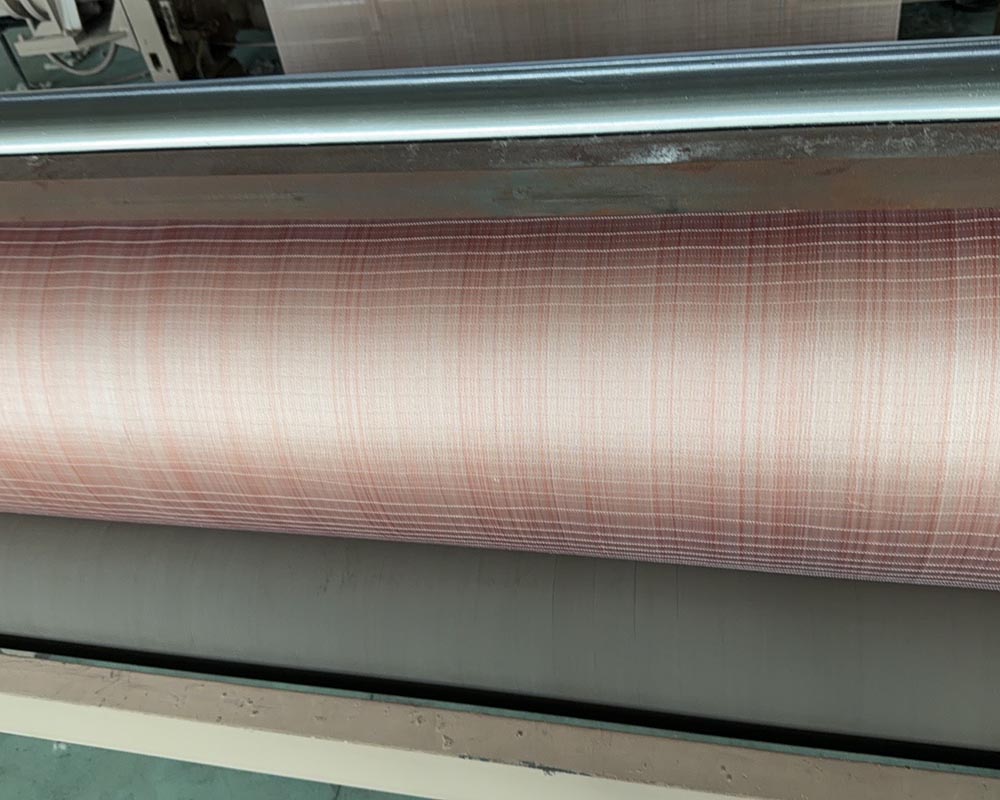
- Micro-Tension Oven Curing: Precise multi-zone temperature control preventing cord degradation and maintaining uniform cord diameter across wide-width rolls.
4. Experimental Validation & Results
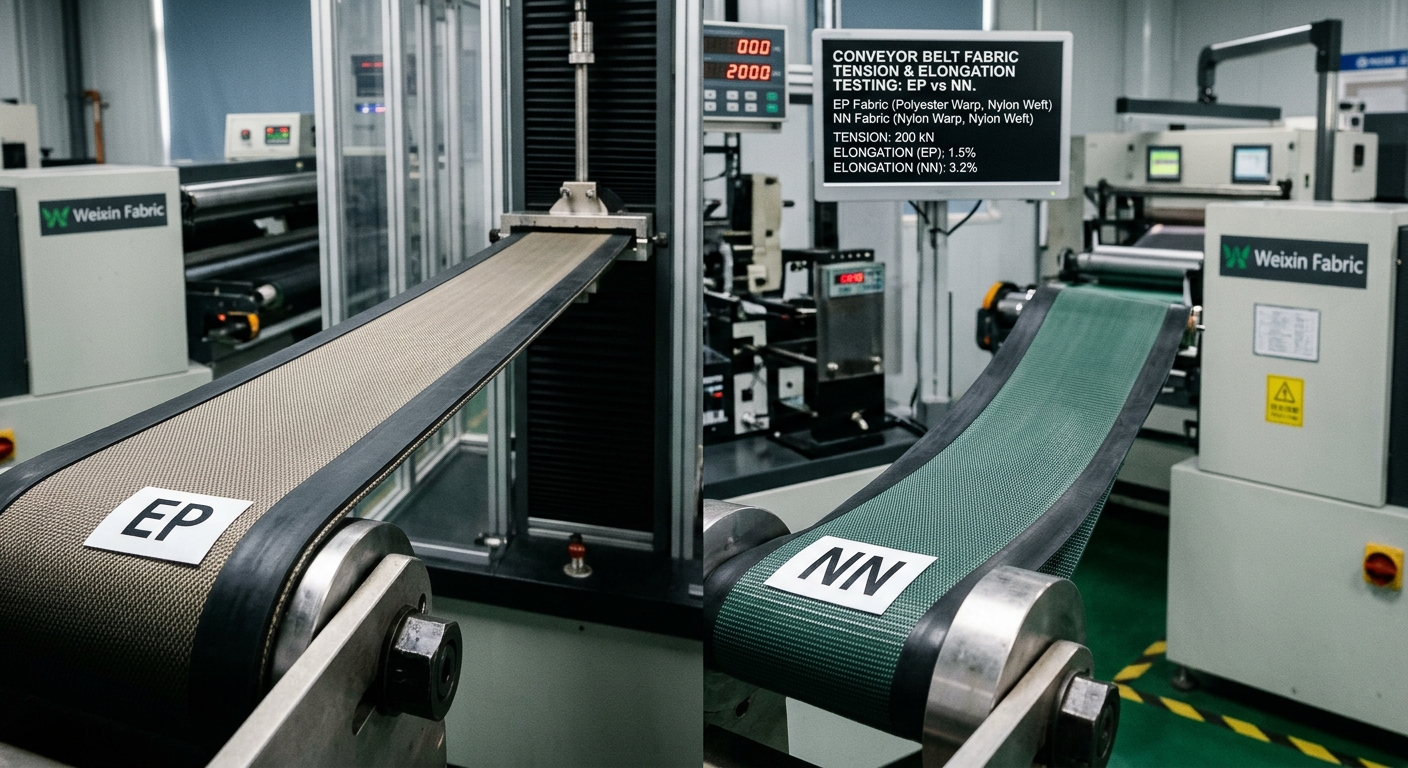
Prototype tires manufactured with Weixinfabric's engineered lightweight carcass fabric underwent rigorous laboratory roll testing, tensile evaluation, and indoor drum mileage testing under High Load Capacity conditions.
Performance Comparison: Baseline vs. Optimized Weixinfabric Carcass
- Carcass Fabric Weight: Reduced by 14.2% (g/m²) due to optimized linear cord density and lowered DPU.
- Rolling Resistance Coefficient (RRC): Improved by 6.8%, translating to an estimated 1.8% to 2.3% increase in total EV battery driving range.
- H-Pull Adhesion Strength: Maintained above 185 N/cm, surpassing OEM dynamic fatigue specifications after 100 hours of high-load testing.
- Dimensional Heat Shrinkage (HAS): Kept under 1.2% at 177°C, ensuring zero sidewall deformation during high-speed tire vulcanization and service.
5. Weixinfabric: Your Partner for Advanced Cord Fabric Solutions
This case study underscores Weixinfabric's commitment to technological leadership in the industrial cord fabric market. As a trusted Chinese manufacturer, we deliver end-to-end technical support—from custom cord spinning and twisting configurations to high-adhesion dipping and quality assurance.
Our product portfolio includes dipped Nylon 6, Nylon 66, HMLS Polyester, Aramid hybrids, and specialized tire cord fabrics tailored for automotive, commercial, and heavy-duty industrial applications worldwide.
6. Conclusion and Technical Collaboration
Achieving optimal efficiency in EV tires requires re-evaluating every millimeter of carcass reinforcement. Through material innovation and process optimization, Weixinfabric enables tire manufacturers to deliver lightweight, low rolling-resistance solutions that meet the rigid demands of modern electric mobility.
Contact the engineering team at Weixinfabric today to request custom carcass fabric samples or discuss tailor-made reinforcement design for your next-generation EV tire program.