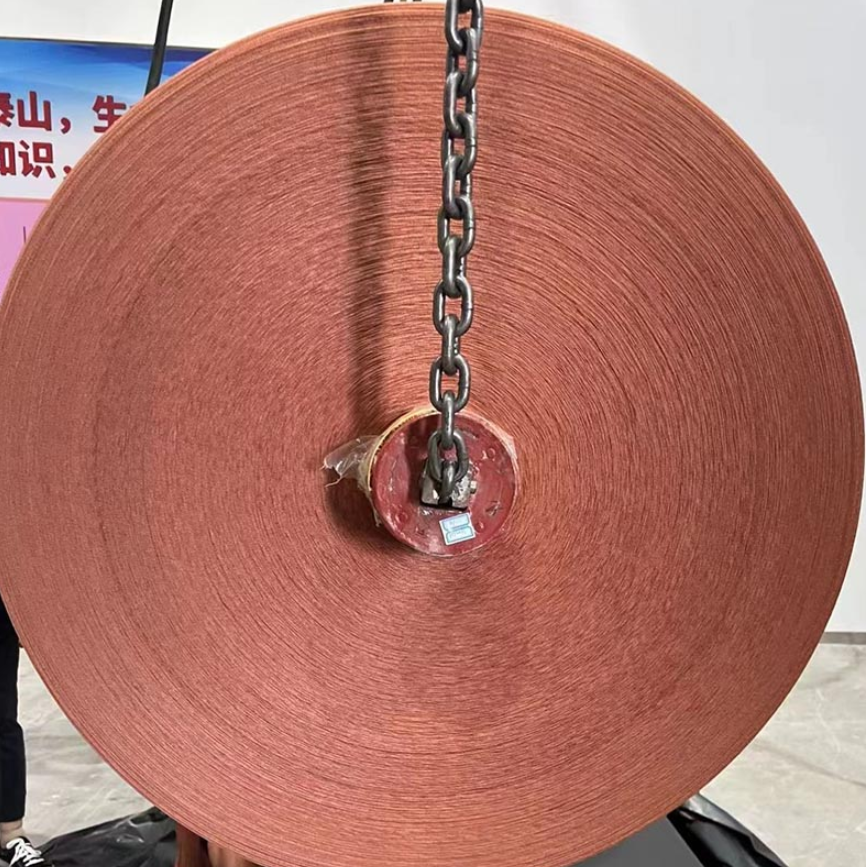
Tire Fabrics Market Segmentation: Nylon, Polyester, and Chafer – How to Choose the Right Supplier
Authored by: Technical Engineering & Global Supply Team, Weixinfabric
Technical Focus: Reinforcement Material Properties, Application Mapping, and Supplier Evaluation Criteria
1. Overview of the Global Tire Fabrics Market
In global automotive and industrial tire manufacturing, tire fabrics form the essential skeletal reinforcement that defines structural integrity, load-bearing capability, and dynamic durability. The global tire reinforcement market is systematically segmented based on fiber chemistry, structural construction, and functional positioning within the tire casing.
As a leading Chinese manufacturer specializing in high-tenacity industrial cord fabrics, Weixinfabric provides custom-engineered solutions across major tire fabric categories, including Nylon, High-Modulus Low-Shrinkage (HMLS) Polyester, and specialized Chafer fabrics. Selecting the optimal fabric and partnering with a technically capable supplier are critical steps in meeting stringent OEM requirements and global safety standards.
2. Technical Segmentation: Nylon, Polyester, and Chafer Fabrics
A. Nylon Tire Cord Fabrics (Nylon 6 & Nylon 66)
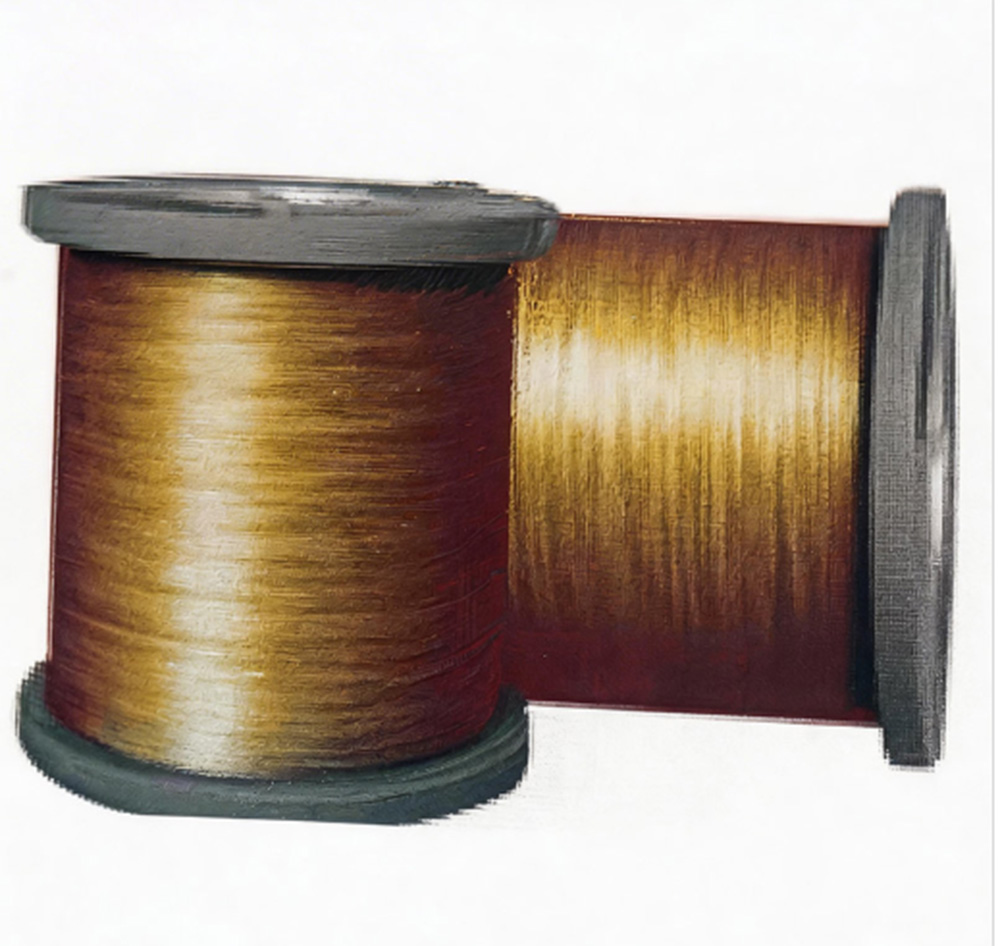
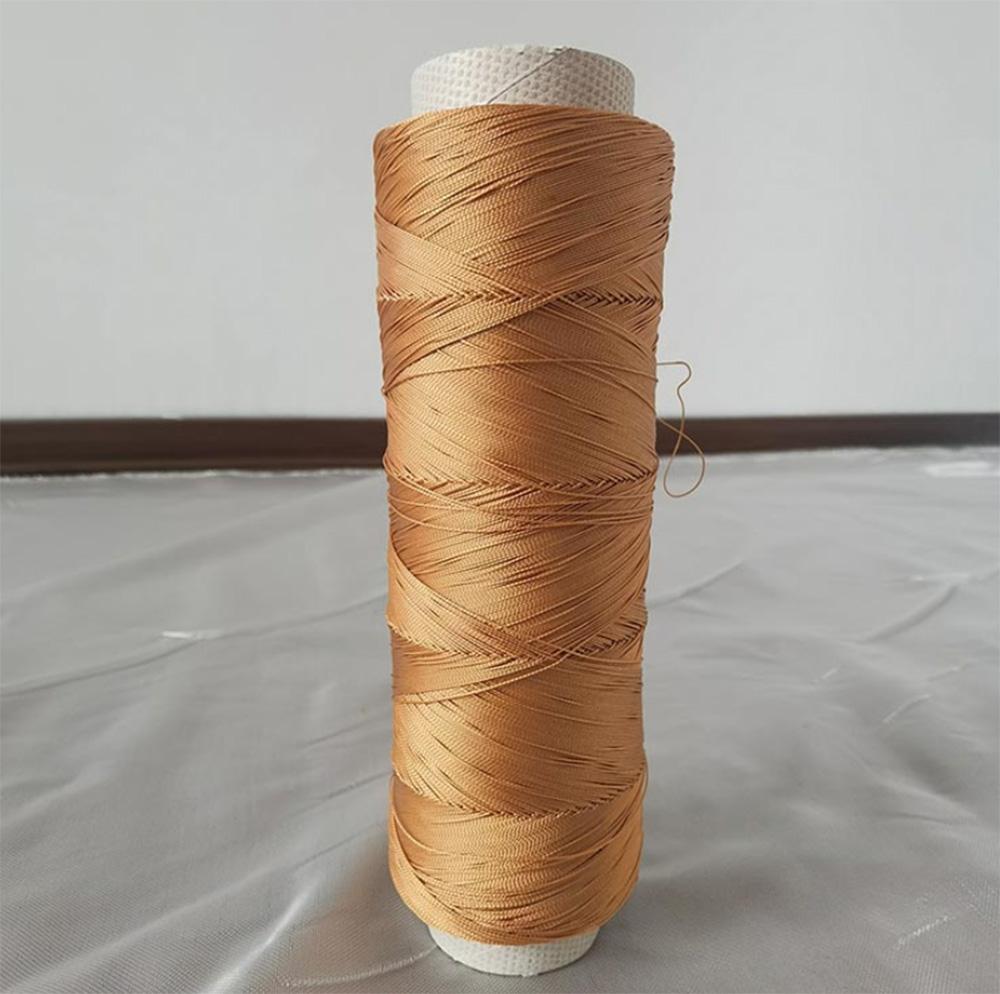
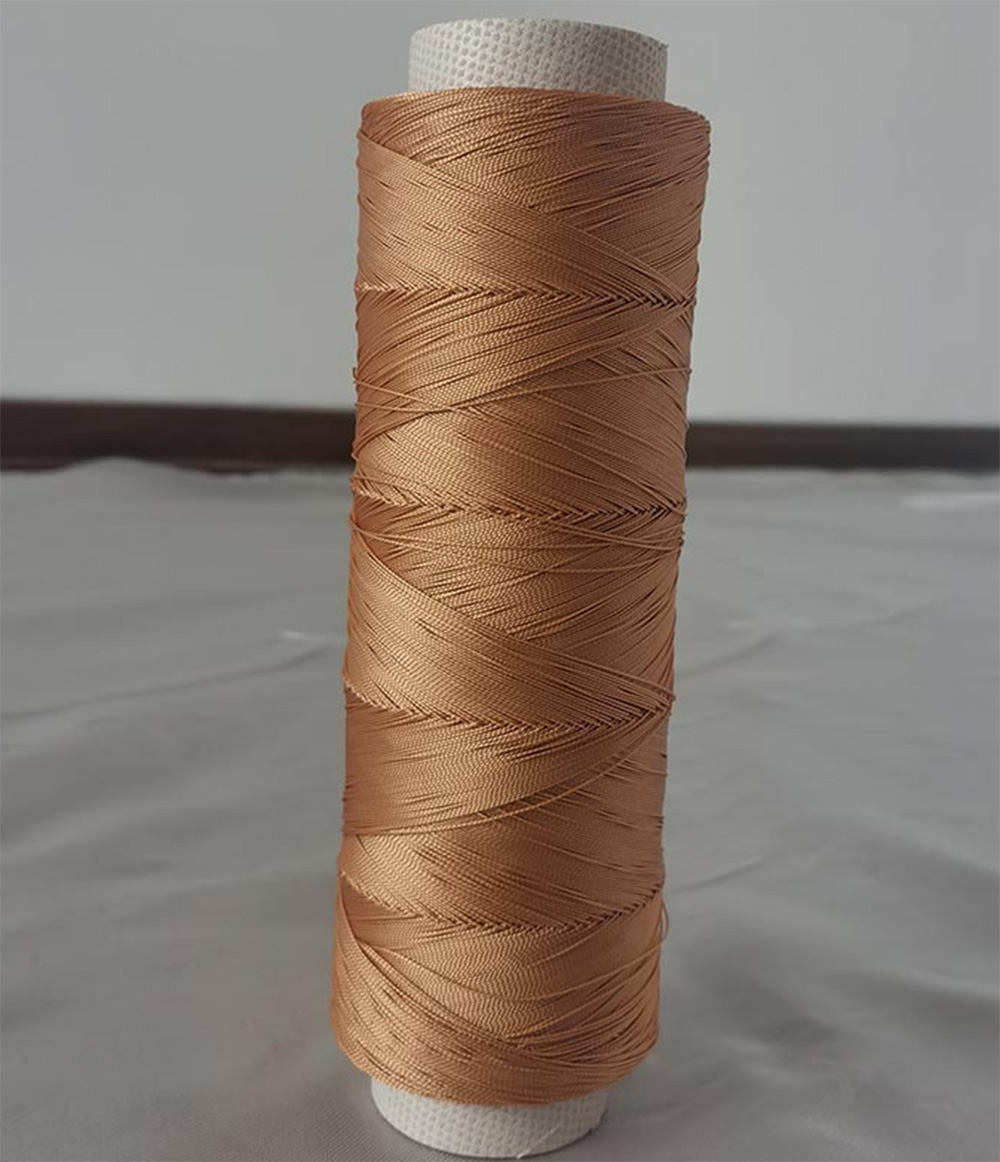
Nylon remains the industry benchmark for applications demanding extreme energy absorption, high fatigue resistance, and impact tolerance. Nylon 6 offers exceptional flexibility and cost-effectiveness, while Nylon 66 provides elevated heat stability and superior dynamic strength under severe thermal loads.
- Key Properties: High elongation at break, superior impact resistance, excellent dynamic flex fatigue strength, and high tensile breaking tenacity.
- Primary Applications: Heavy-duty truck and bus bias/radial tires, agricultural machinery tires, off-the-road (OTR) equipment, aircraft tires, and high-speed passenger car zero-degree cap plies.
B. Polyester Tire Cord Fabrics (HMLS Polyester)
High-Modulus Low-Shrinkage (HMLS) Polyester cord fabric has become the dominant carcass reinforcement material for passenger car radial (PCR) tires. Its high dimensional stability ensures minimal expansion during high-speed rotation and uniform footprint retention.
- Key Properties: High tensile modulus, ultra-low heat shrinkage (HAS), excellent dimensional stability, and low hysteresis loss for reduced rolling resistance.
- Primary Applications: Passenger Car Radial (PCR) carcass plies, Light Commercial Vehicle (LCV) sidewalls, and low rolling resistance EV tire carcasses.
C. Chafer Fabrics (Woven Monofilament & Multifilament)
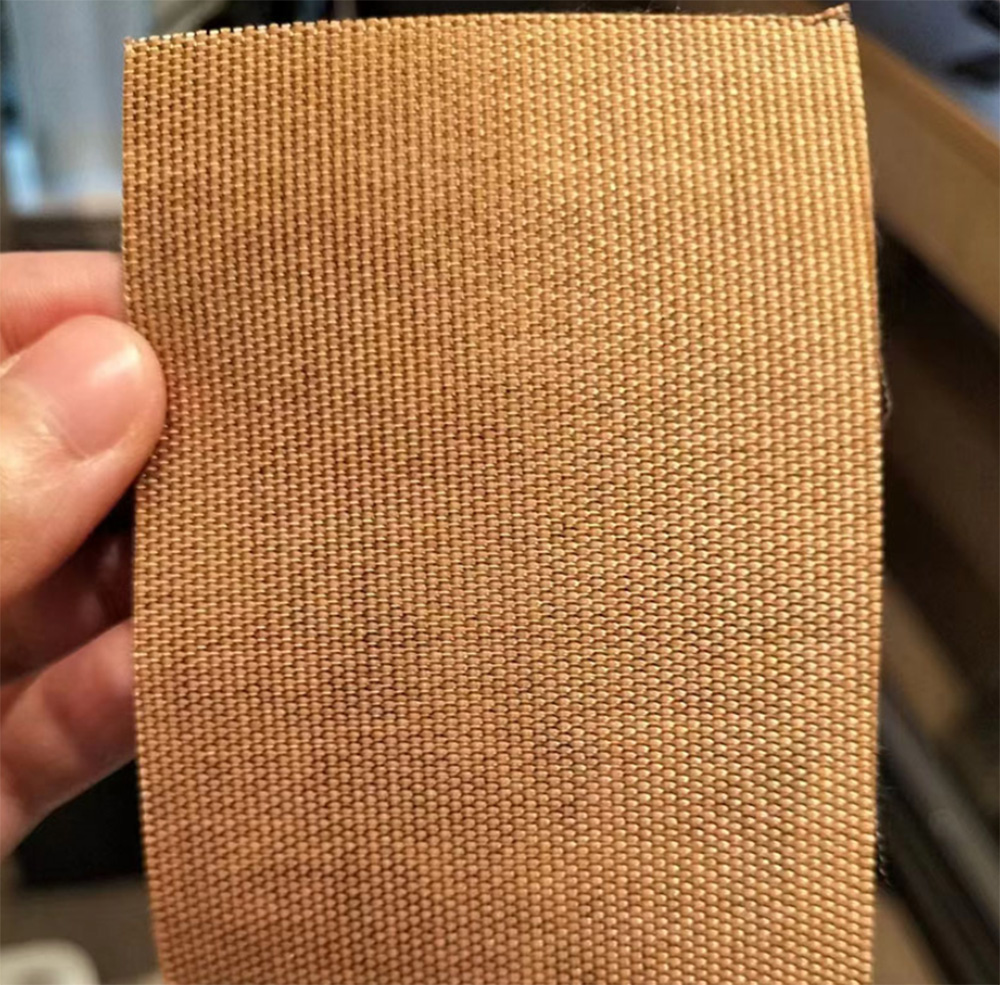
Chafer fabric is installed around the bead area of the tire. It acts as a protective barrier against rim chafing, preventing local mechanical abrasion, air leakage, and rubber fatigue during wheel mounting and high-torque torque transfer.
- Key Properties: High resistance to mechanical wear, high burst strength, excellent rubber-to-fabric adhesion, and rigid dimensional stability under clamping pressure.
- Primary Applications: Radial and bias tire bead area reinforcement, rim interface contact zones, and heavy industrial vehicle tires.
Technical Comparison Matrix
| Fabric Category | Material Type | Tensile Modulus | Fatigue Resistance | Primary Function in Tire Structure |
|---|---|---|---|---|
| Nylon Cord Fabric | Nylon 6 / Nylon 66 | Moderate | Exceptional | Impact absorption, heavy-load carcass reinforcement, and cap ply overlay. |
| Polyester Cord Fabric | HMLS PET | High | Good | Carcass dimensional stability, sidewall reinforcement, and low rolling resistance. |
| Chafer Fabric | Nylon / PET Woven | Rigid Structure | High Abrasion Resistance | Protection against rim friction, bead area stabilization, and abrasion prevention. |
3. How to Choose the Right Tire Fabric Supplier
Selecting a tire cord fabric supplier goes beyond comparing material costs. Tire manufacturers require partners capable of delivering consistent mechanical parameters across long production runs while maintaining strict chemical dipping quality. Key evaluation criteria include:
- Raw Material Control & Spinning Consistency: Ensure the supplier sources virgin high-tenacity filaments with precise denier control, uniform intrinsic viscosity (IV), and consistent oil pick-up rates.
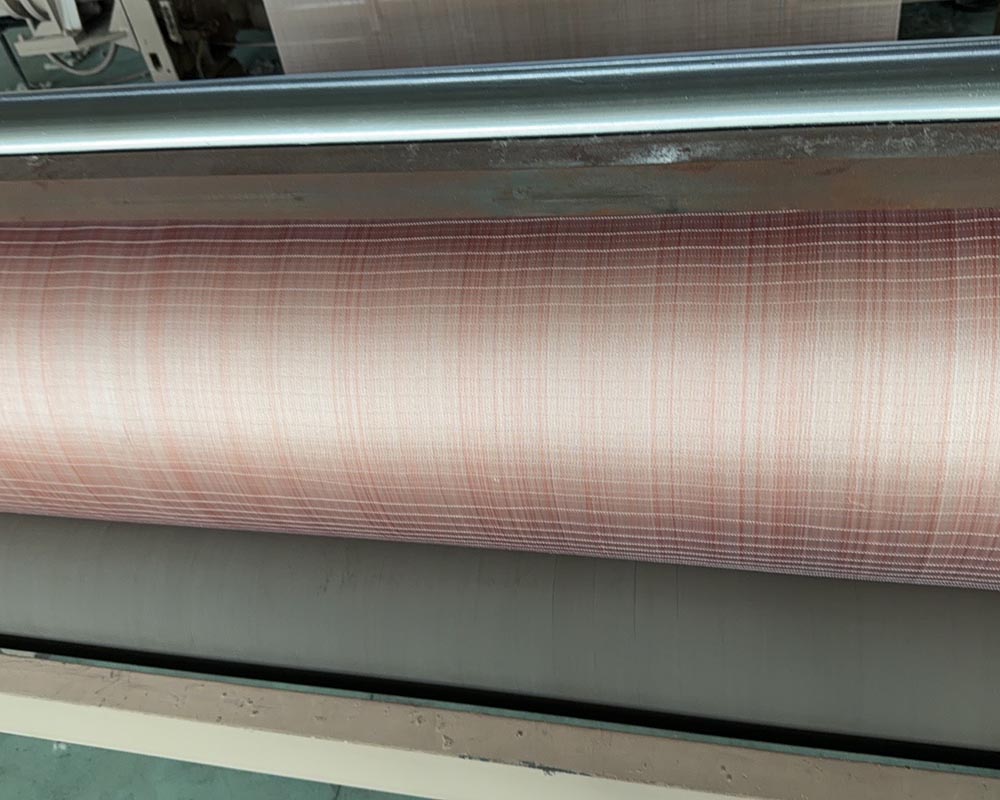
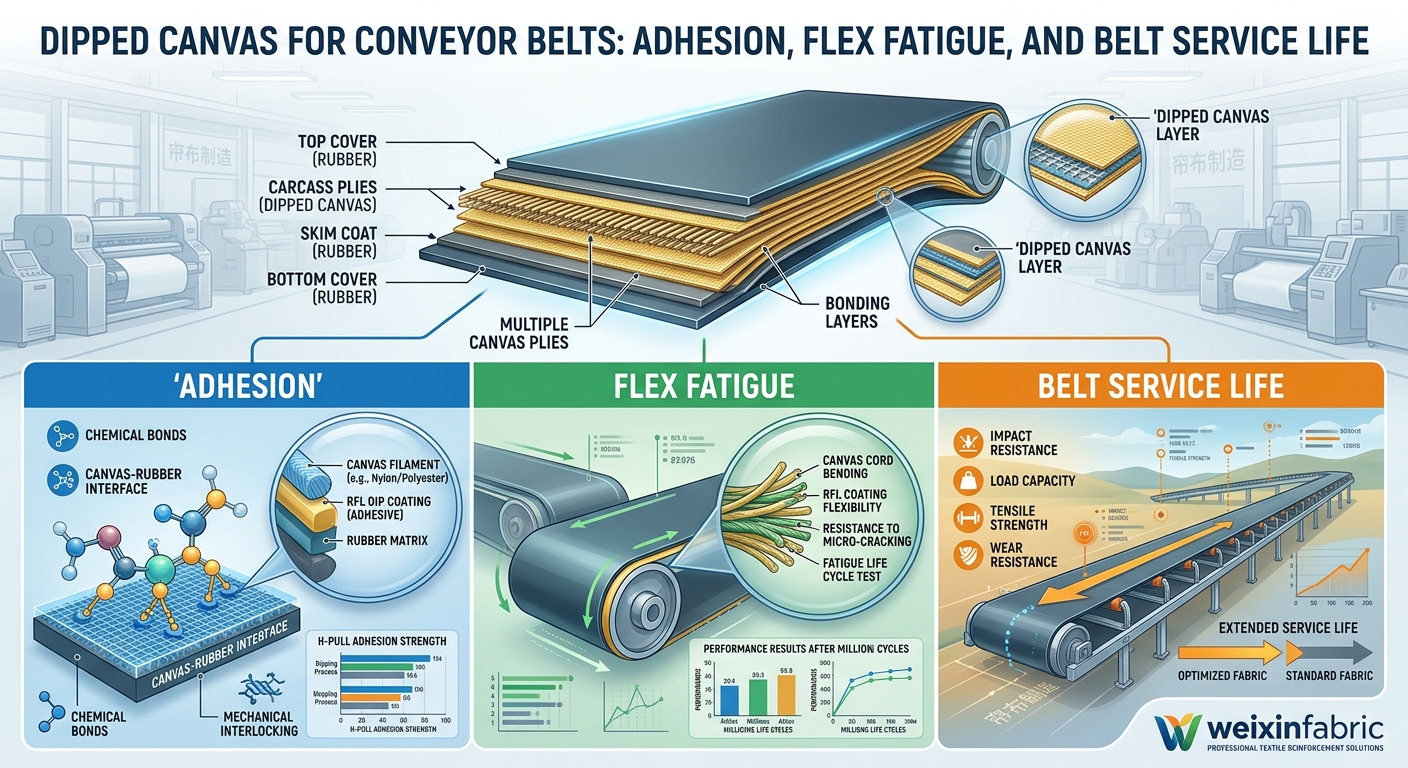
- Advanced Dipping & RFL Adhesive Technology: Resorcinol-Formaldehyde-Latex (RFL) dip quality determines the interfacial bond strength between rubber compounds and fabric cords. Evaluate the supplier's dipping ovens, tension-control automation, and H-pull adhesion testing capability.
- Customized Construction & Weaving Capabilities: A specialized manufacturer should offer custom twist levels (TPM), density variations, specified rolls widths, and custom denier combinations (e.g., 940dtex, 1400dtex, 1870dtex, 2100dtex).
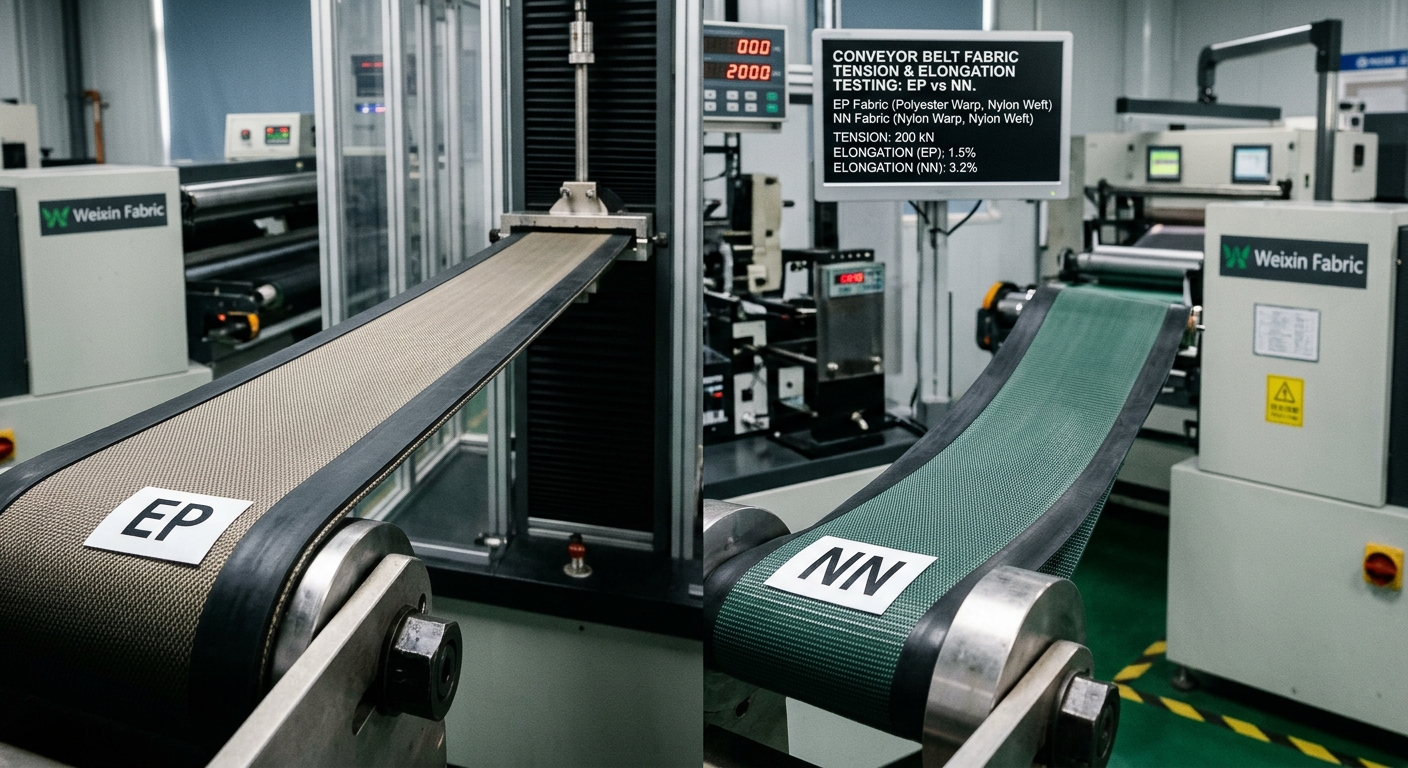
- Quality Assurance System: Verify testing protocols for tensile strength, elongation at specified loads, thermal heat shrinkage (HAS), dip pick-up (DPU) percentage, and automated roll surface flaw detection.
- Supply Chain Reliability & Scale: Choose an established Chinese industrial manufacturer with scalable capacity to ensure timely global deliveries and stable lead times.
4. Weixinfabric: Your Specialized Cord Fabric Solutions Partner
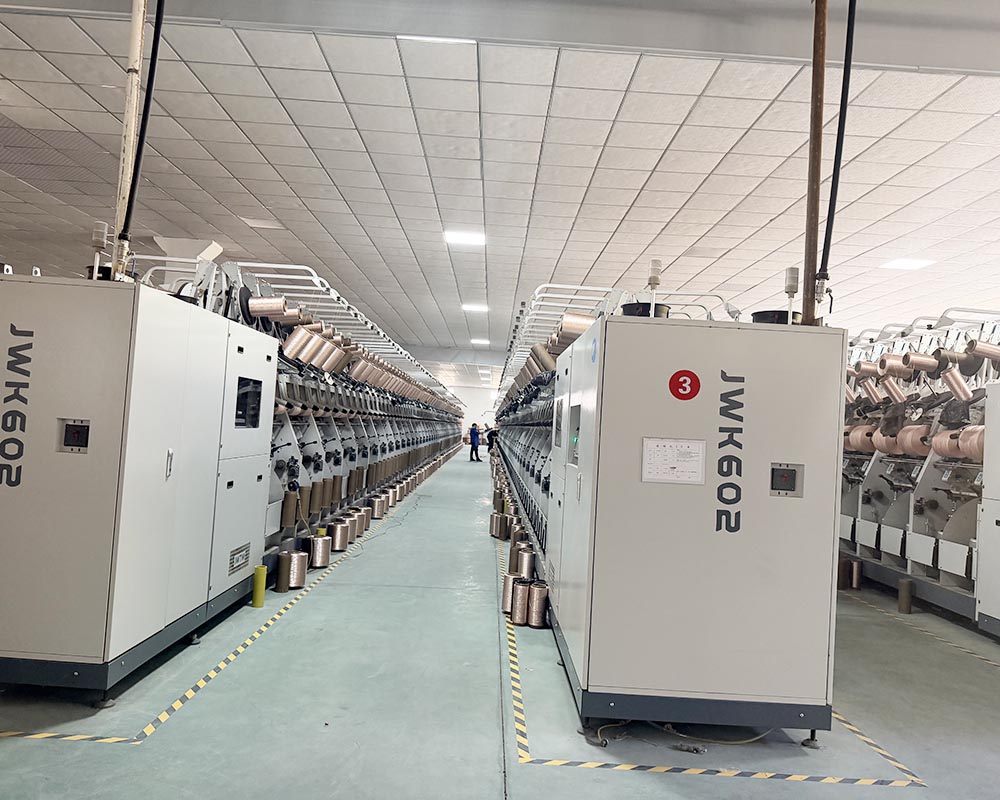
At Weixinfabric, we operate as a dedicated industrial textile reinforcement specialist. Our modern manufacturing facilities integrate high-speed twisting, precision air-jet/rapier weaving, and state-of-the-art multi-zone RFL dipping lines.
Whether you require dipped Nylon 6, high-tenacity Nylon 66, HMLS Polyester carcass fabric, or customized Chafer fabrics for bead reinforcement, Weixinfabric delivers engineered solutions engineered to meet your exact technical specifications and global quality benchmarks.
5. Conclusion and Strategic Procurement
Navigating the tire fabrics market requires matching fiber performance characteristics with tire design requirements. By selecting the right combination of Nylon, HMLS Polyester, and Chafer fabrics—and partnering with a technical expert like Weixinfabric—tire manufacturers can optimize structural performance, improve safety margins, and reduce manufacturing defect rates.
Contact the engineering team at Weixinfabric today to discuss custom carcass and chafer fabric specifications or request technical product samples.