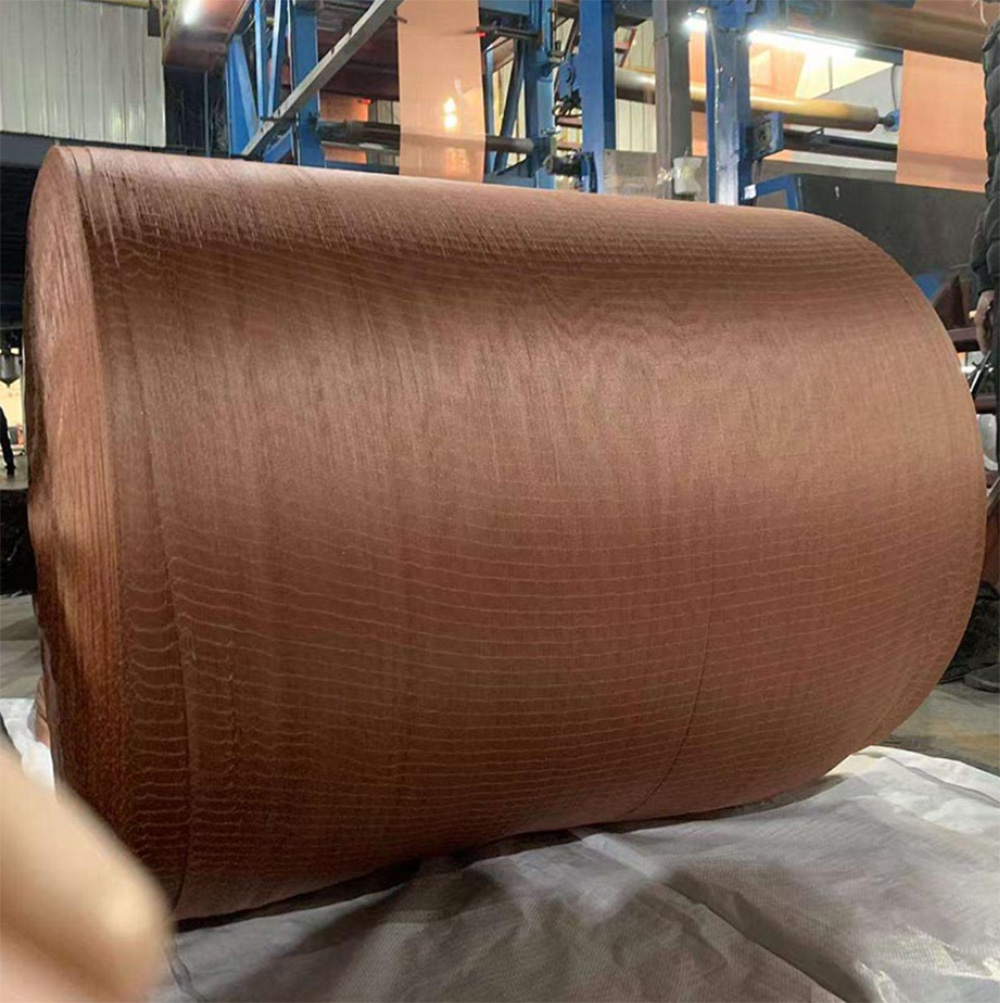
Future Trends in Technical Textiles: What the Next 5 Years Hold for Carcass, Conveyor, and Fishing Fabrics
Authored by: Strategic Technology & R&D Division, Weixinfabric
Technical Focus: High-Tenacity Industrial Fabrics, Eco-Friendly RFL Systems, Next-Gen Polymer Composites
1. The Next Era of High-Performance Industrial Textiles
The global technical textiles sector is undergoing a profound structural shift driven by three primary vectors: the rapid electrification of heavy transportation, strict international environmental regulations targeting VOCs and microplastics, and extreme operational demands in industrial logistics and marine harvesting.
Over the next five years, success in technical textiles will depend on advanced material engineering, precision weaving, and sustainable chemical dipping formulations. As a specialized Chinese manufacturer of high-tenacity cord fabrics, Weixinfabric delivers next-generation reinforcement solutions for tire carcass layers, heavy-duty conveyor belts, and commercial fishing applications globally.
2. Tire Carcass Fabrics: Engineering for Electric Mobility and High Load Index
Tire design is evolving rapidly due to the mass adoption of Electric Vehicles (EVs) and High Load Capacity (HL) standards. Over the next five years, carcass fabric architecture must adapt to heightened performance requirements:
- Hybrid Cord Constructions: Integration of Aramid/Nylon and Aramid/Polyester hybrid cords to deliver ultra-high modulus with low structural weight, maintaining tire footprint integrity under immediate EV motor torque.
- High-Modulus Low-Shrinkage (HMLS) Polyester Expansion: Widespread replacement of conventional PET carcass plies with ultra-low thermal shrinkage HMLS polyester to optimize rolling resistance and thermal dynamic stability.
- Bio-Based and Recycled Synthetic Polymers: Sourcing mass-balance recycled Nylon 66 and bio-based Polyamide filaments to assist automotive OEMs in reaching decarbonization targets without compromising tensile breaking strength.
3. Conveyor Belt Fabrics: High Modulus, Flame Retardancy, and Heavy-Duty Endurance
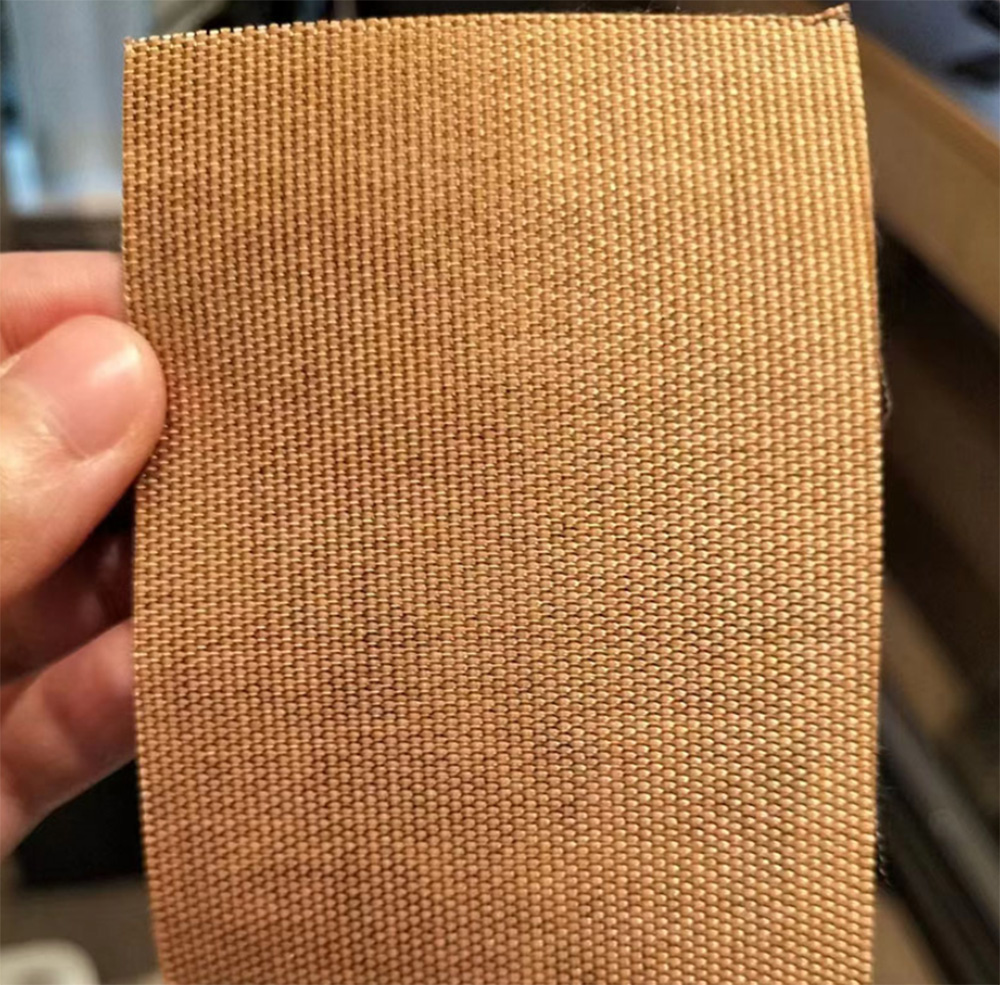
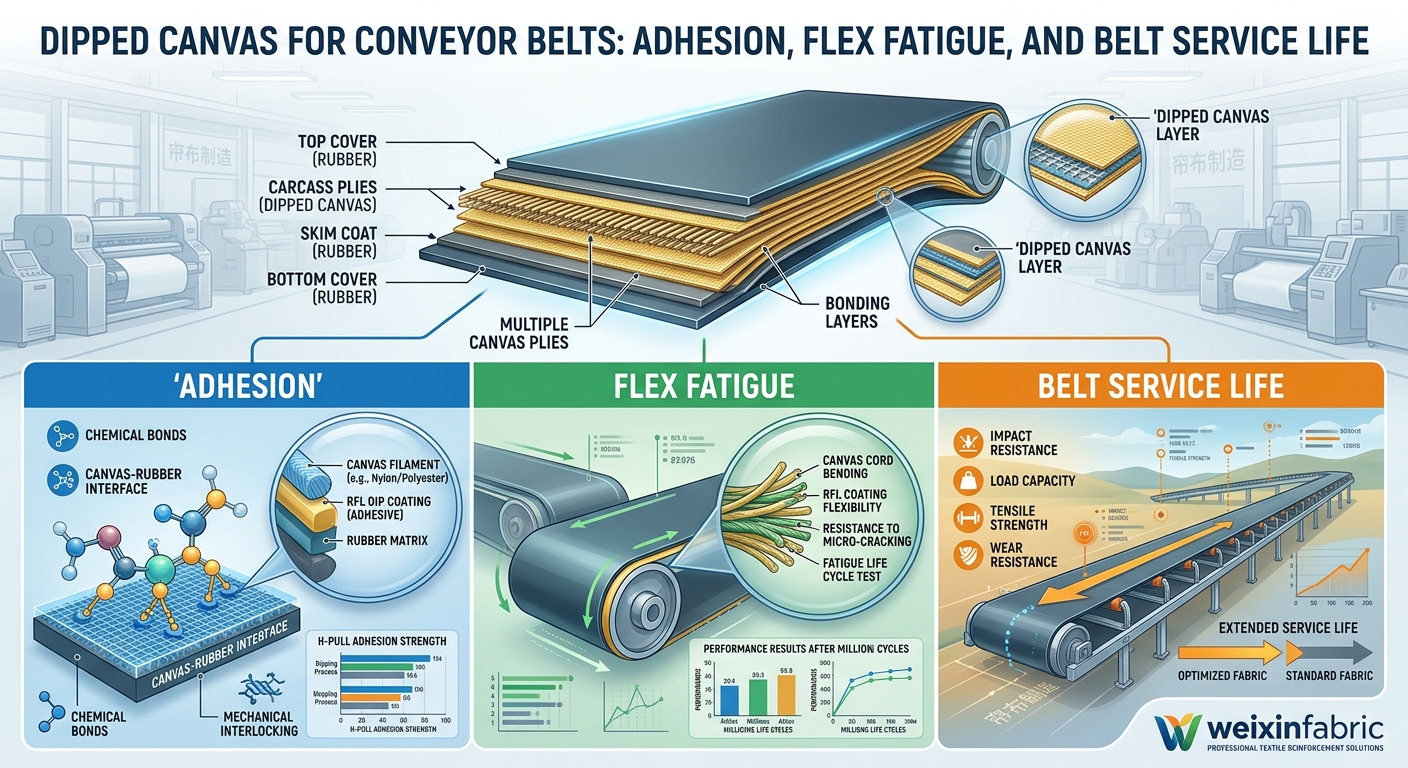
Industrial conveyor belts in mining, port logistics, and heavy material handling require textile carcass reinforcement capable of enduring high impact, continuous flex fatigue, and harsh environmental conditions. Key upcoming trends include:
Key Trends in Industrial Belt Textiles
| Fabric Class | Material Architecture | 5-Year Technological Trend | Primary Application Area |
|---|---|---|---|
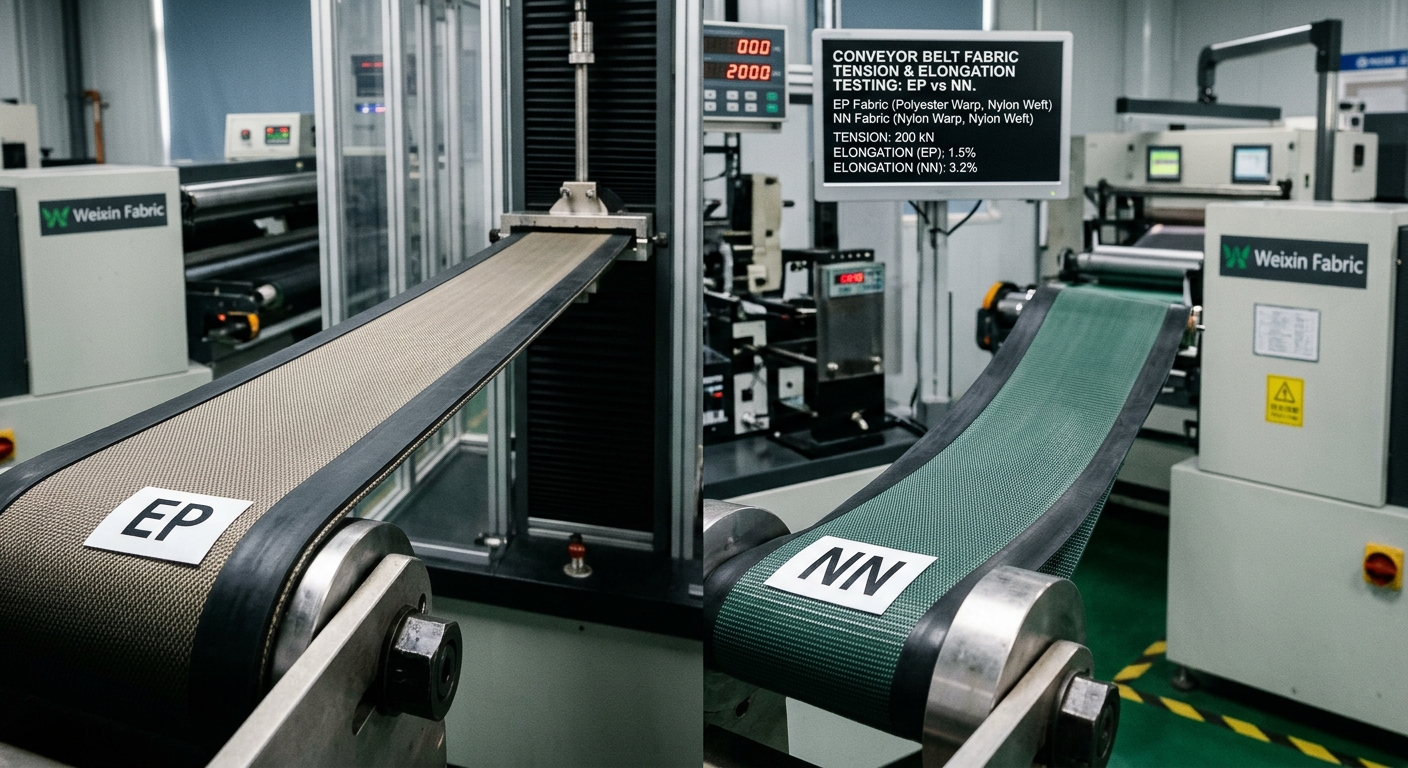
| EP (Polyester/Nylon) Fabric | Polyester warp / Nylon weft | Ultra-low elongation warp combined with high-impact weft for long-distance, high-speed conveying. | Mining, aggregate transport, overland long-hauls. |
| NN (Nylon/Nylon) Fabric | Nylon 6 or Nylon 66 warp/weft | Enhanced elasticity and flex-fatigue resistance engineered for high-impact, short-center loaders. | Quarry operations, scrap yards, heavy impact zones. |
| Straight-Warp Heavy Fabrics | High-denier filament matrix | Straight-warp construction minimizing crimp, maximizing load-bearing efficiency per unit weight. | Port loading terminals, underground coal mining (flame retardant). |
4. High-Tenacity Fishing Fabrics: Marine Abrasion Resistance & Low-Drag Engineering
Commercial fishing net textiles, aquaculture netting, and marine cordage face stringent demands regarding sea-water corrosion, UV degradation, and hydrodynamic drag. Over the next five years, technical marine fabrics will focus on:
- High-Tenacity Nylon 6 & Polyethylene Formulations: Utilizing high-tenacity continuous filament yarns to maximize burst strength while reducing cord diameter, lowering fuel consumption during trawling.
- Advanced Anti-Abrasion Coatings: Integrating specialized polyurethane and resin coatings to protect interior filaments from sand, rock abrasion, and saltwater degradation.
- Zero-Solvent Environmental Treatment: Developing eco-friendly dip finishes that eliminate toxic leaching into marine ecosystems while preserving high knot stability and tensile breaking force.
5. Eco-Friendly Dipping Technologies: The Formaldehyde-Free Revolution
A critical shift across all three technical fabric sectors over the next 5 years is the replacement of conventional Resorcinol-Formaldehyde-Latex (RFL) dipping systems. Impending REACH and global chemical regulations are accelerating the adoption of green, formaldehyde-free bonding agents.
Weixinfabric is actively leading this transition by developing non-toxic, eco-friendly adhesive systems that ensure high H-pull rubber adhesion strength for tire carcass plies and conveyor belts while adhering to zero-VOC manufacturing standards.
6. Partner with Weixinfabric for Next-Generation Industrial Textiles
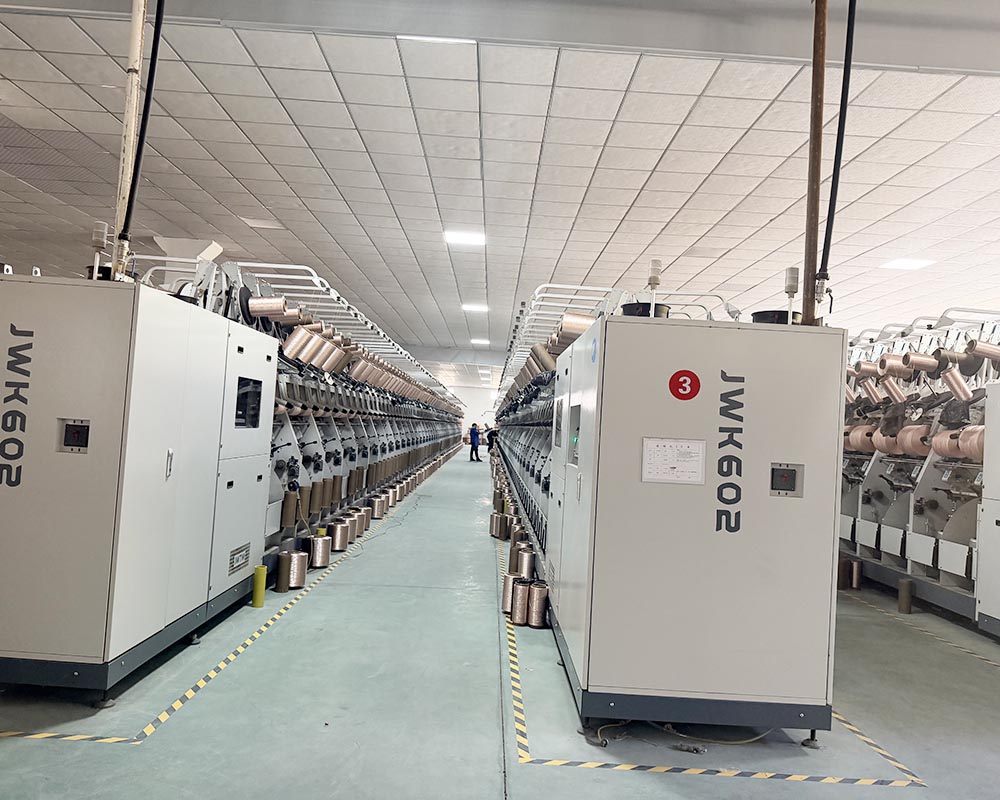
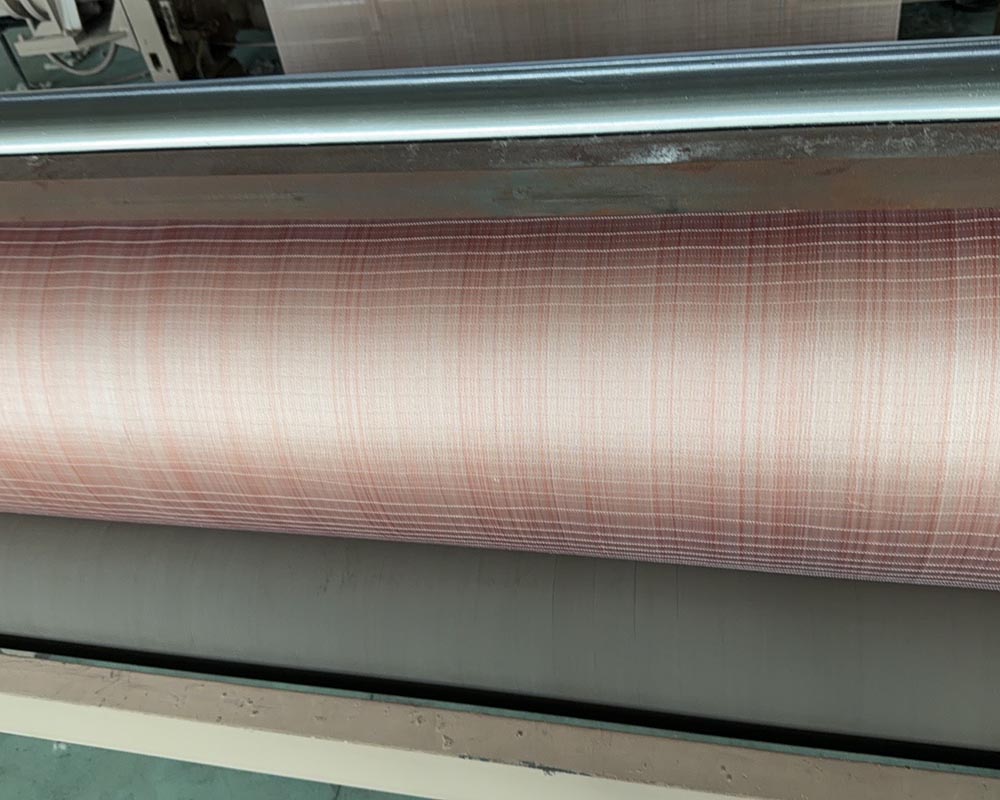
As an established Chinese industrial fabric manufacturer, Weixinfabric integrates state-of-the-art cabling, twisting, air-jet/rapier weaving, and precision chemical dipping. Our technical engineering team provides end-to-end customization across tire carcass fabric, EP/NN conveyor belt reinforcement, and marine fishing textile applications.
By prioritizing raw material control, multi-zone thermal treating, and strict quality assurance, Weixinfabric delivers reliable cord fabric solutions engineered for the technical demands of tomorrow.
7. Technical Consultation & Collaboration
The next five years will redefine performance metrics across industrial reinforcement textiles. Aligning your production line with high-tenacity, low-hysteresis, and eco-dipped fabrics is essential for long-term competitiveness.
Contact Weixinfabric today to consult with our technical team or request customized fabric samples tailored to your exact manufacturing specifications.