The Calendering Process for Tire Carcass Fabric: Key Parameters for Quality Control
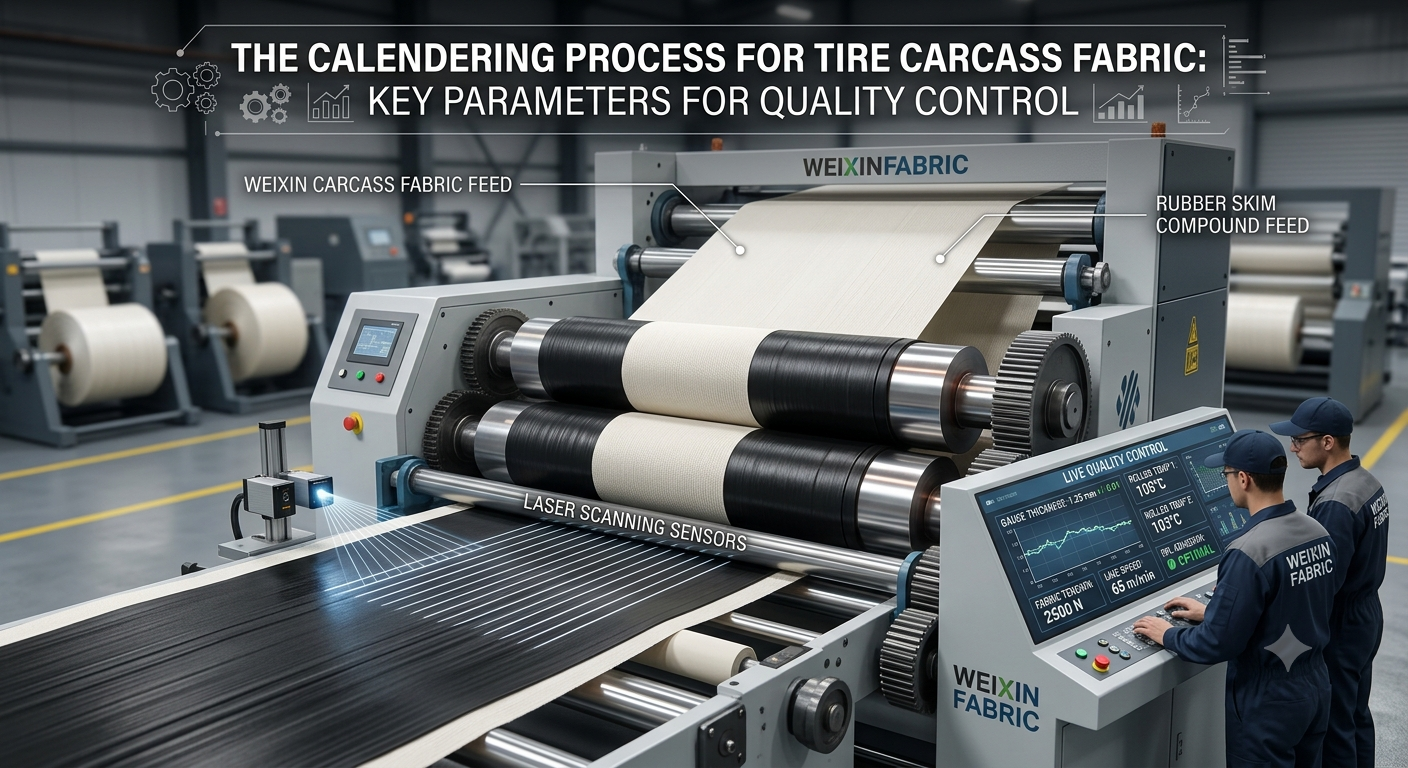
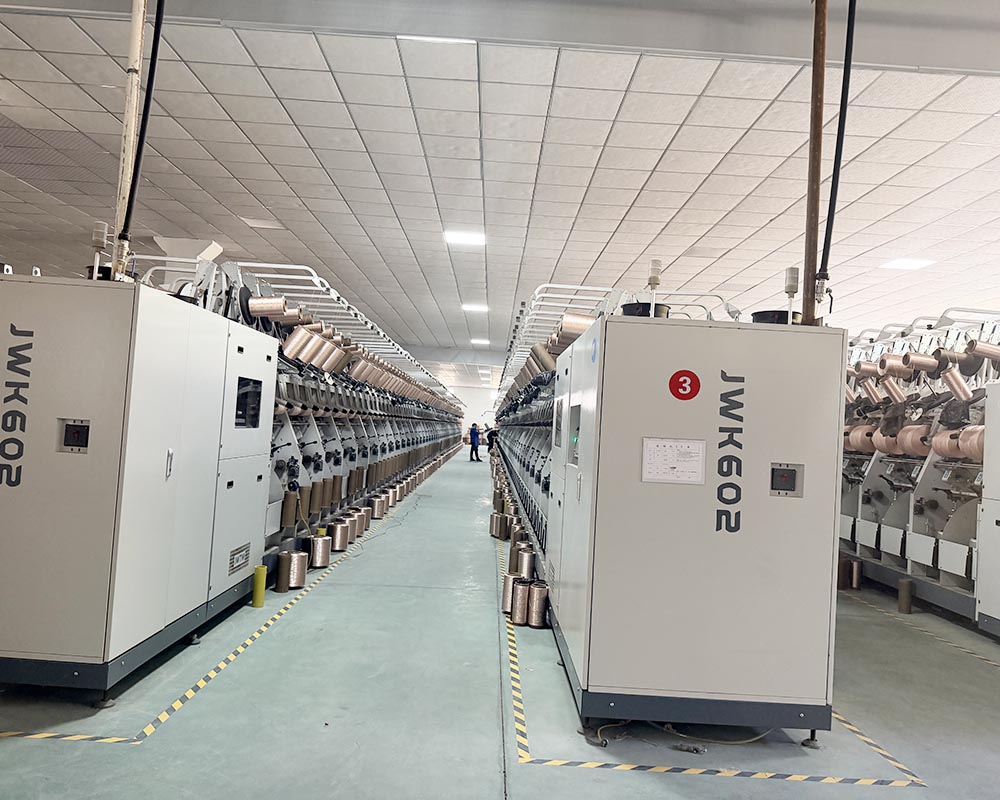
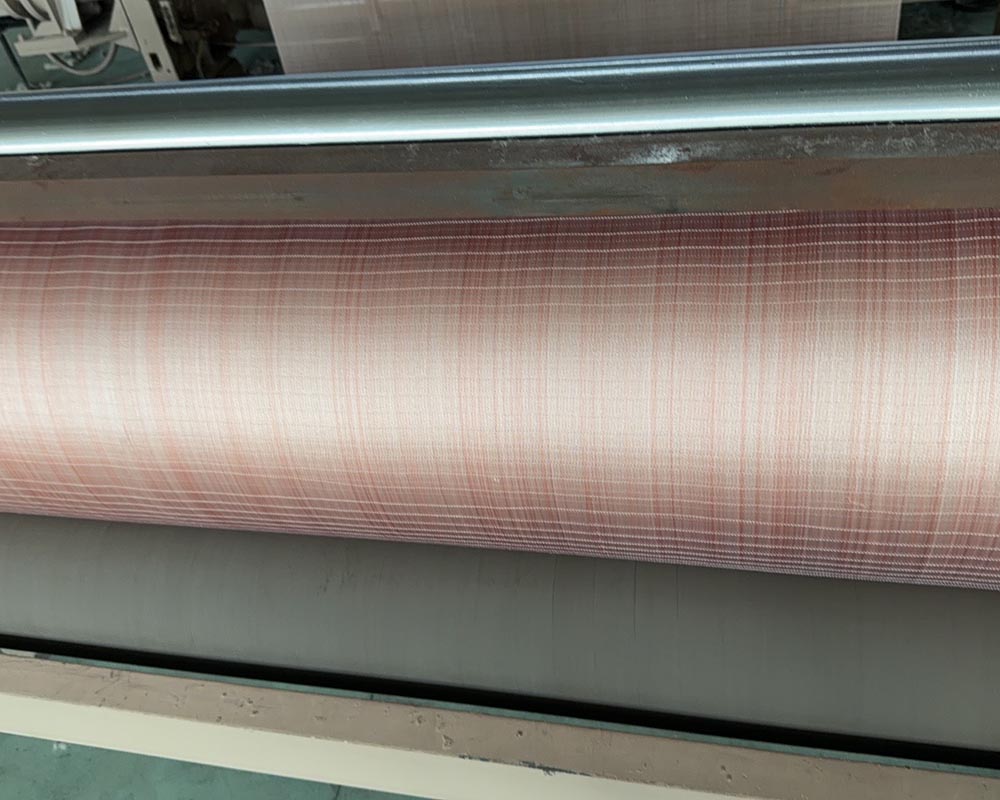
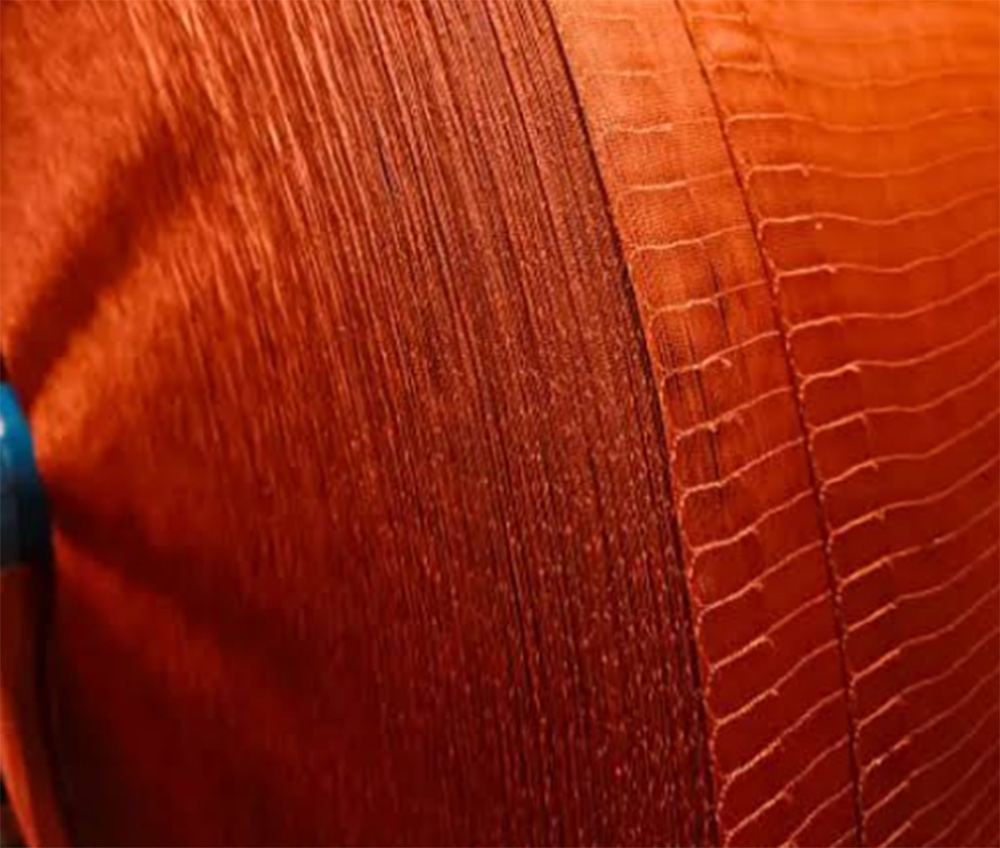
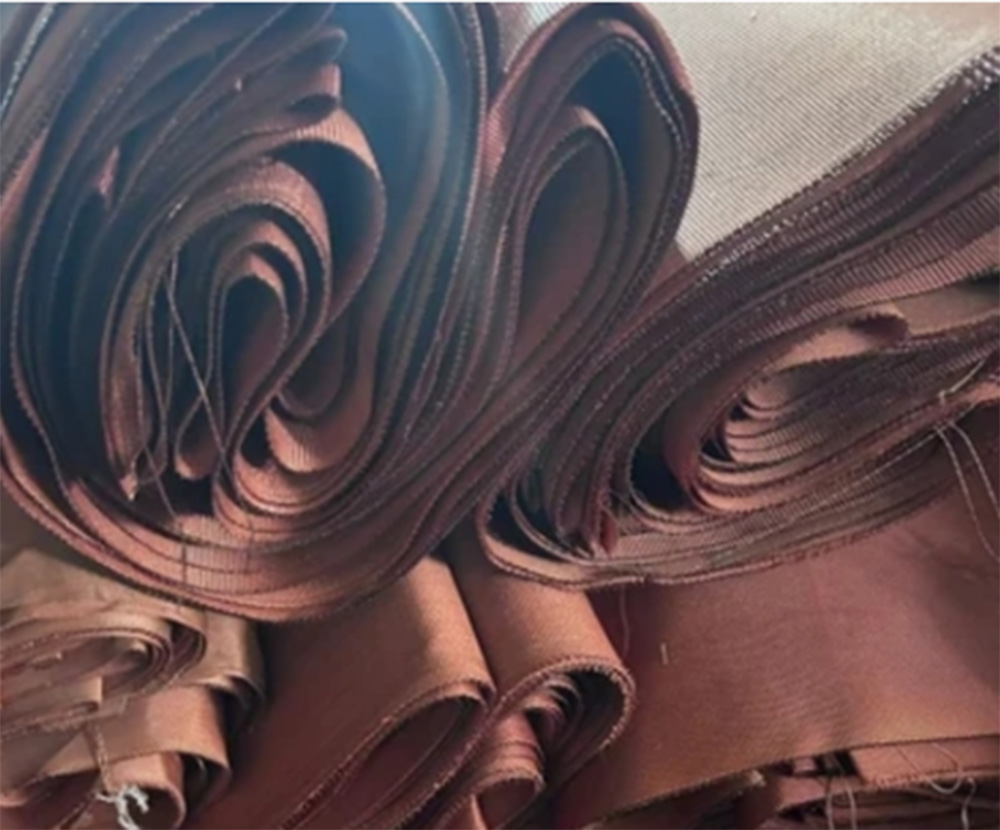
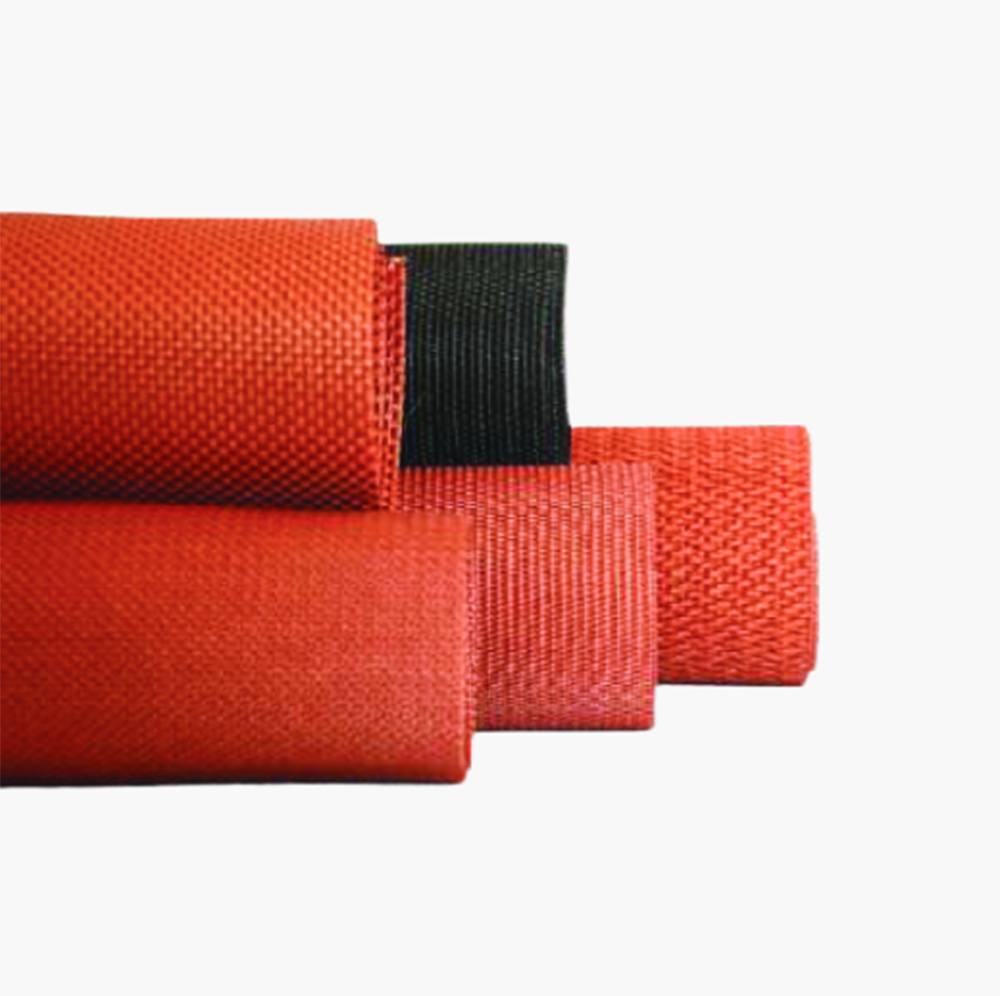
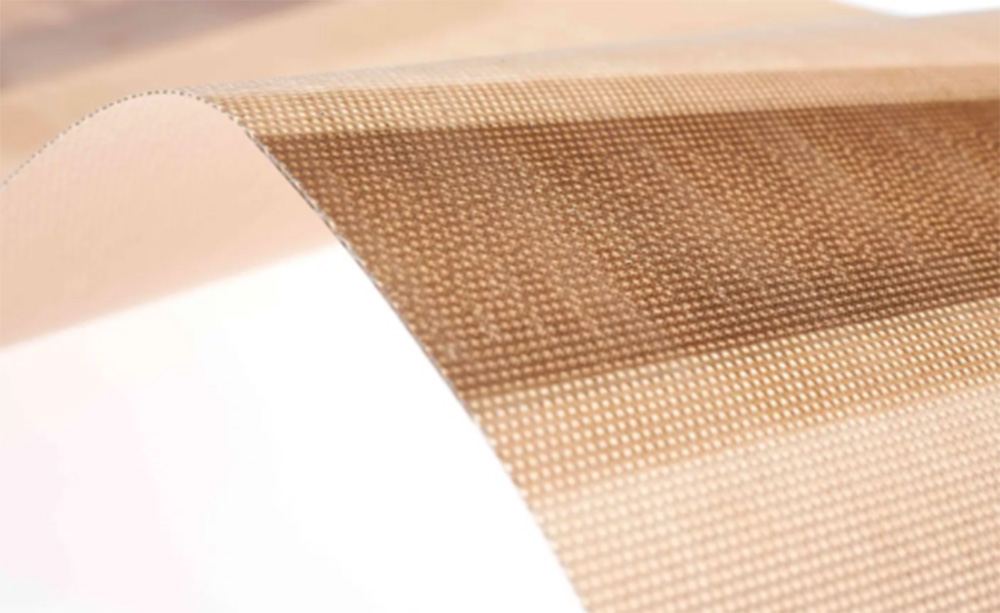
A Deep Technical Guide by Weixin Fabric – Experts in Automotive Tire Carcass Solutions In the automotive tire manufacturing supply chain, the transformation of raw technical textiles into functional tire components is heavily dependent on a single, high-precision industrial engineering stage: the calendering process. Calendering is the operation where pre-treated tire carcass fabric (such as HMLS polyester or Nylon 6/66) is coated on both sides with a precisely formulated layer of unvulcanized rubber skim. If the calendering parameters deviate even slightly, the tire risks catastrophic inter-ply delamination, uneven structural thickness, or premature fatigue failure under highway conditions. As an industry-leading Chinese manufacturing plant specializing in high-tenacity tire reinforcing textiles, Weixin Fabric presents this technical breakdown of the key parameters required for flawless quality control during carcass fabric calendering. Before the tire carcass fabric ever encounters the heavy steel rollers of the calender machine, its physical environment must be strictly regulated. Synthetic fibers like nylon and polyester are sensitive to ambient moisture and temperature variations. The core calender configuration—typically a Z-type or inverted L-type four-roll machine—relies on carefully calculated thermal gradients across its rolls. The internal heating systems must regulate temperature to manage rubber viscosity without triggering premature vulcanization (scorching). Tire carcass fabric derives its omnidirectional strength from the exact placement of parallel warp cords. During the calendering process, the fabric web is under massive mechanical pulling forces. Total product consistency is measured by the total gauge (thickness) of the rubberized fabric sheet and the symmetry of the rubber distribution on both sides of the carcass textile core. Even the most advanced calender machine in the world cannot repair a poor chemical interface. The key to successful calendering begins far upstream—at the chemical dipping stage. If the textile surface is not properly activated to accept the rubber skim compound, structural failure is inevitable. As a highly specialized Chinese exporter and manufacturing partner, Weixin Fabric optimizes this interaction by providing superior Resorcinol-Formaldehyde-Latex (RFL) treated technical textiles. Our advanced dipping lines precisely control the chemical cross-linking density on our Nylon 6, Nylon 66, and Polyester cords. This engineered coating ensures that when our fabric enters your calender lines, the skim rubber bonds effortlessly, achieving maximum peel strength and zero adhesion loss under intense thermal processing conditions. For tire manufacturing factories globally looking to eliminate calender scrap, optimize line speeds, and enhance the structural integrity of passenger car (PCR), commercial truck (TBR), or high-load electric vehicle (EV) tires, Weixin Fabric delivers the ultimate consistent baseline. Contact our engineering team in China today to acquire tailored technical datasheets and custom fabric samples.The Calendering Process for Tire Carcass Fabric: Key Parameters for Quality Control
1. Fabric Pre-Conditioning: Thermal and Moisture Equilibrium
2. Roller Temperature Optimization: Balancing Viscosity and Vulcanization
3. Web Tension and Cord Distribution Control
4. Gauge Thickness and Penetration Depth Measurement
Control Parameter Monitoring Technology Impact on Tire Quality Total Gauge Thickness Online Beta-Ray or Laser sensors Ensures exact tire weight distribution; prevents high-speed radial runout. Rubber Penetration Cross-sectional microscopy analysis Eliminates internal air traps; optimizes long-term dynamic fatigue life. Cord Count (EPI) Optical vision camera systems Maintains symmetric burst pressure rating across the entire casing profile.
5. Weixin Fabric: Precision Engineering at the Chemical Interface
Our Expertise – Carcass Fabric & Dipped Fabric Solutions
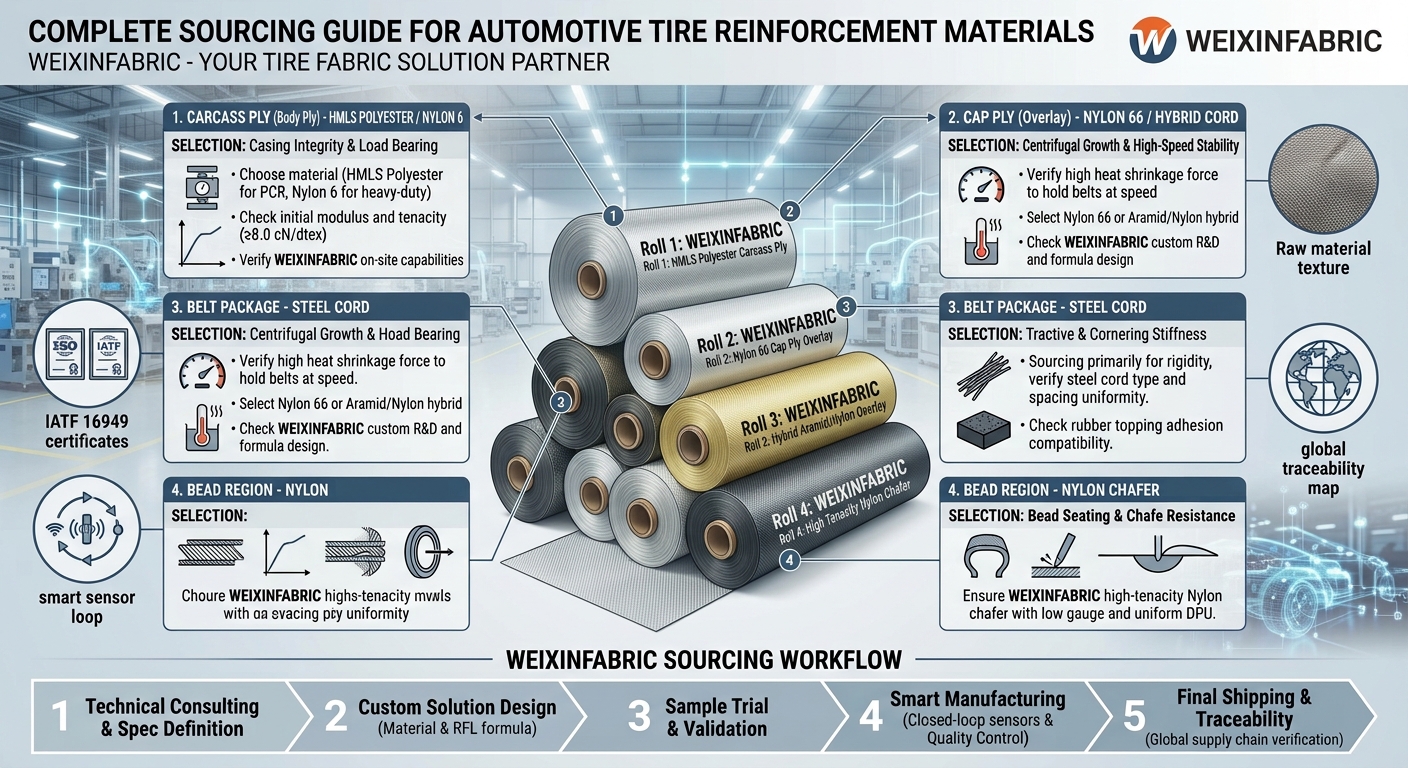
As a professional manufacturer and solution expert, we specialize in Carcass Fabric for Automotive Tires, Dipped Fabric for Conveyor Belts, Dipped Fabric for Fishing Nets, and Grade C Cord Fabric. With years of R&D and production experience, we provide high-strength, heat-resistant, and durable industrial fabrics tailored to global clients' specific requirements. Our products are widely used in tire reinforcement, conveyor belt carcass, fishing net manufacturing, and other industrial applications. Explore full product range →
Also check our Tire Cord Fabric, Conveyor Belt Dipped Fabric, and Fishing Net Dipped Fabric pages.