Case Study: Improving Calendering Tension Uniformity for a Truck Tire Manufacturer
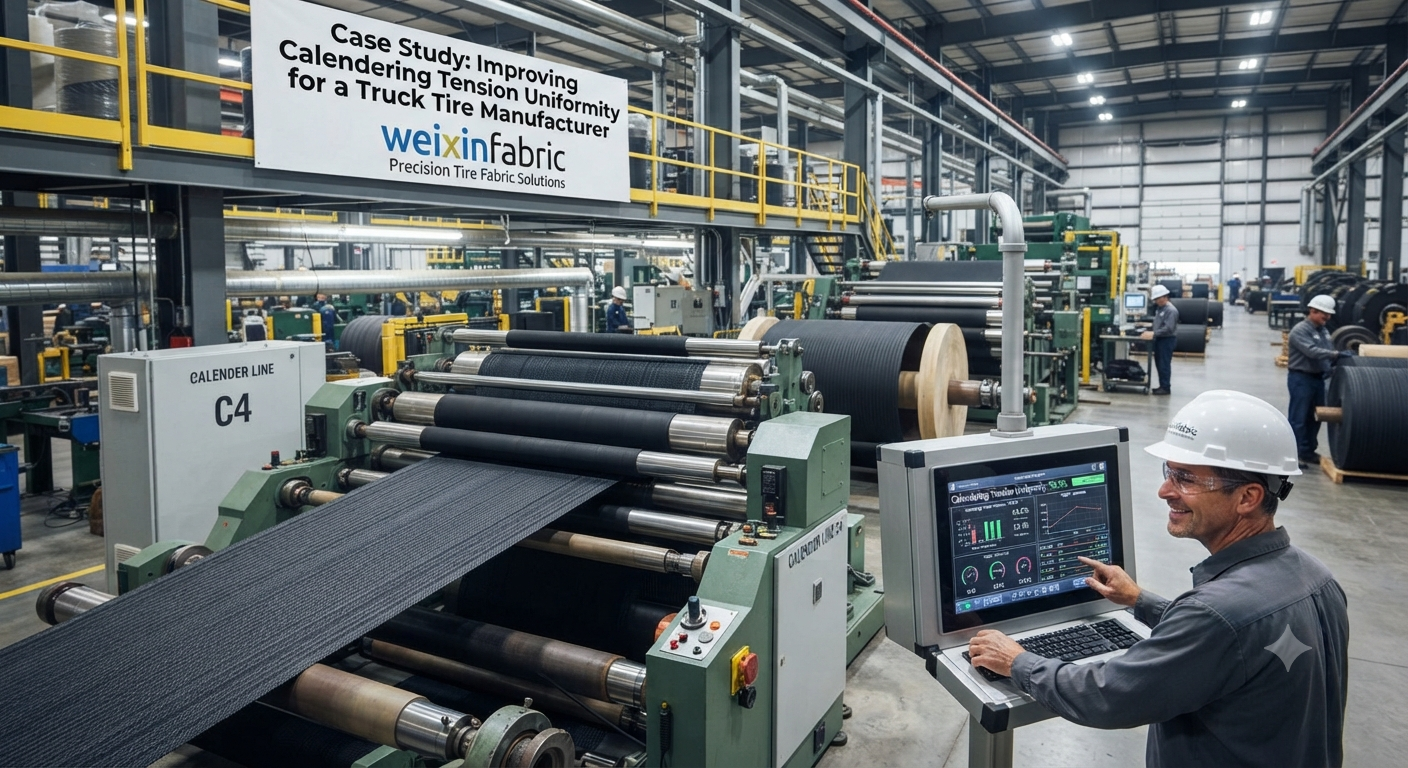
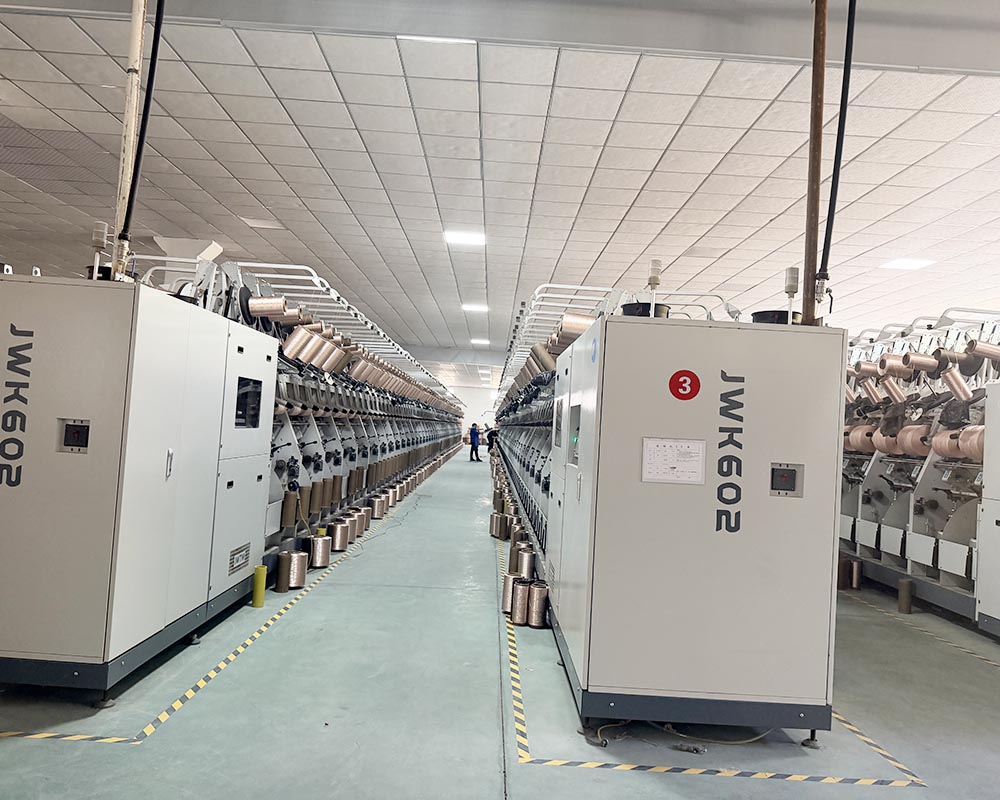
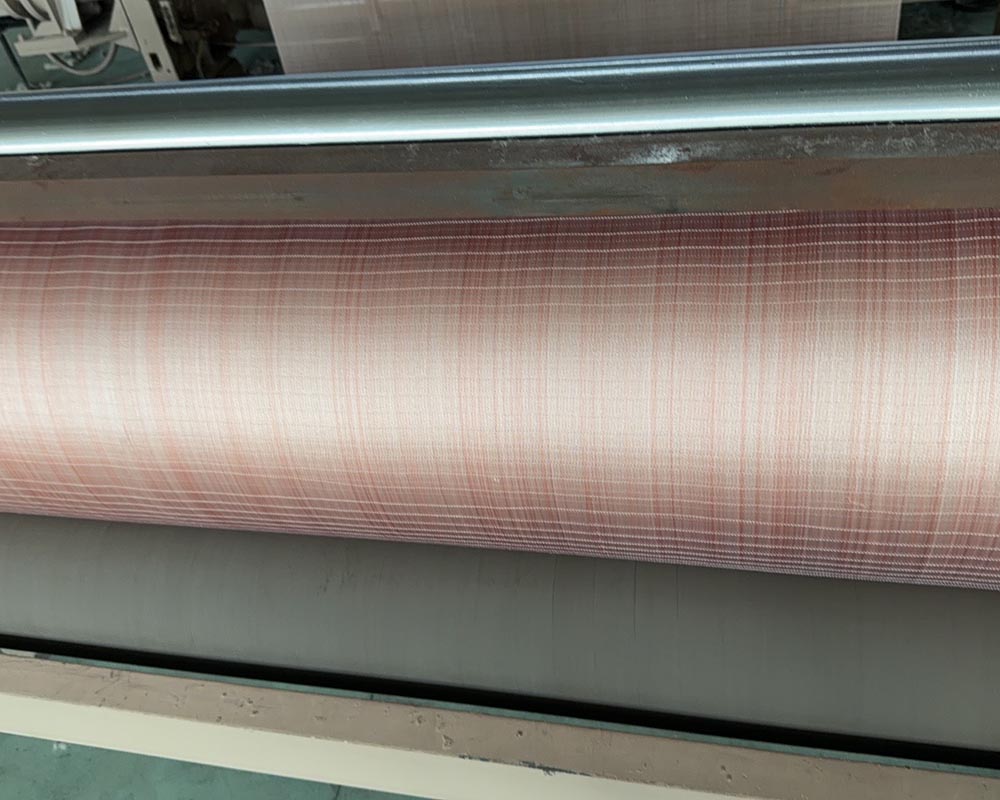
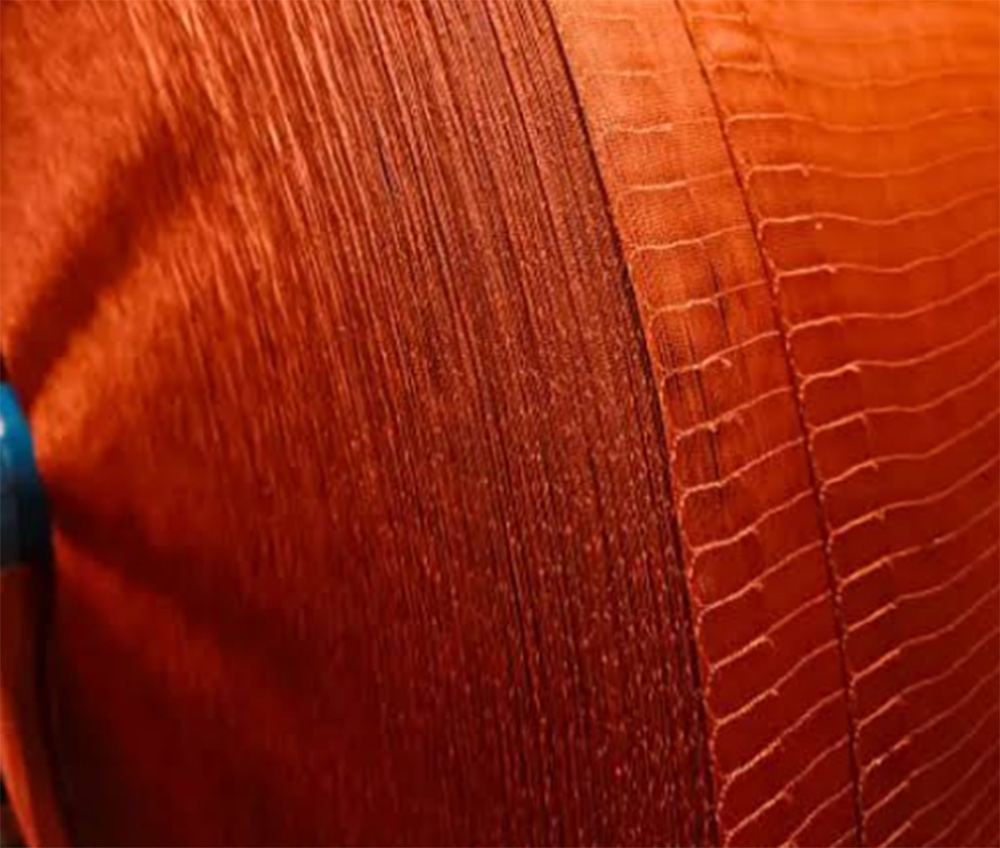
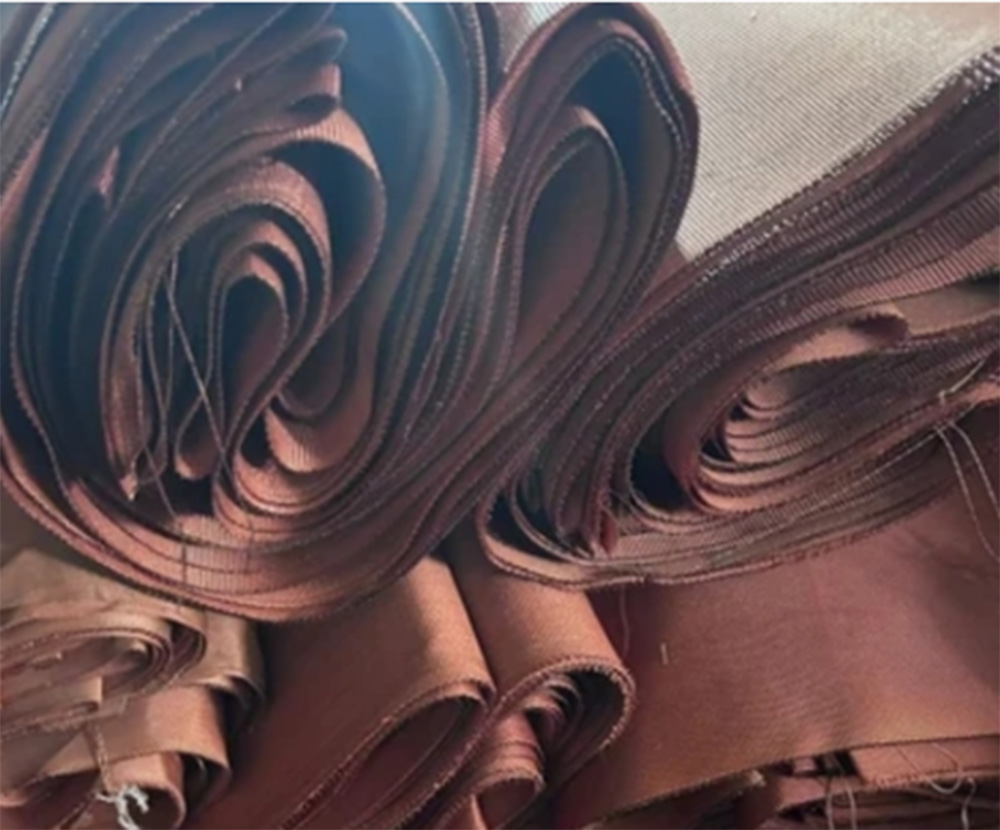
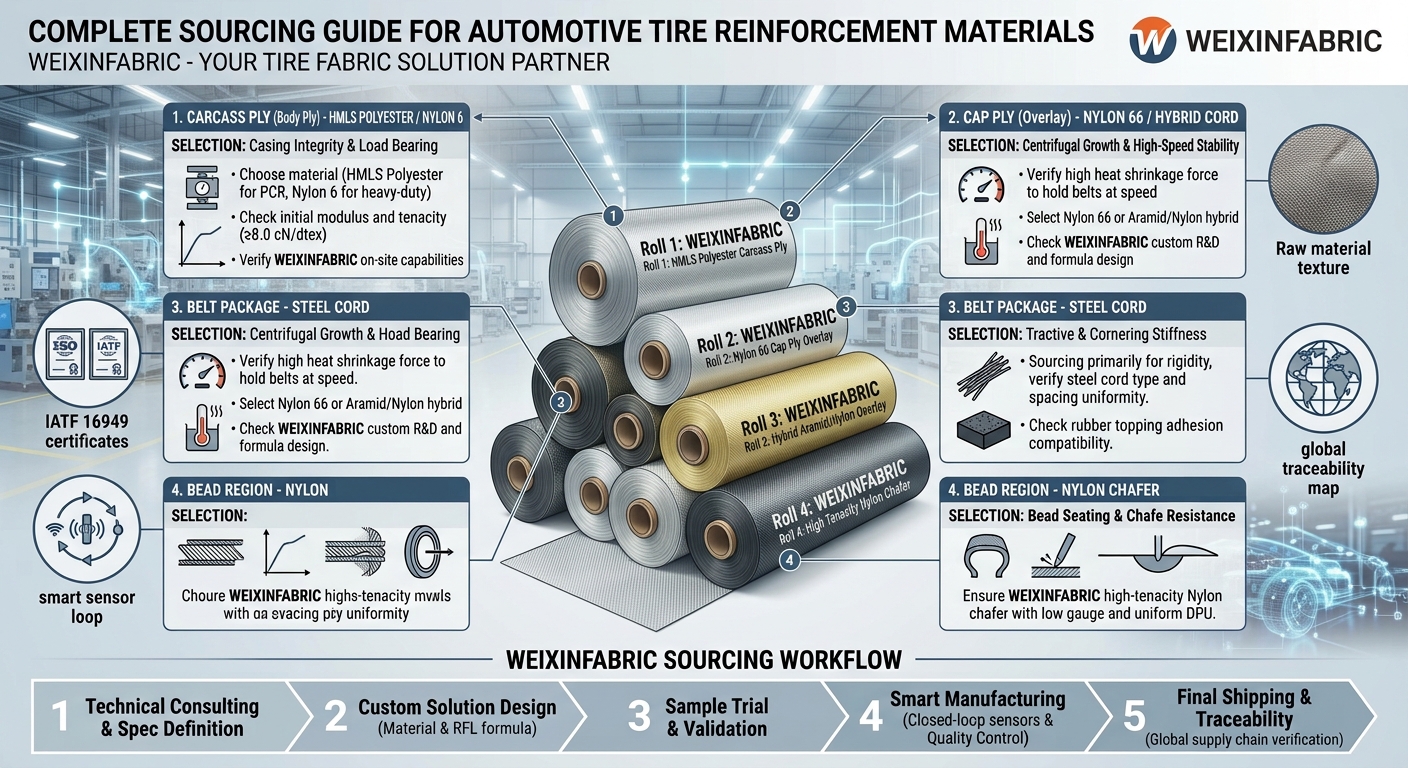
A Real-World Engineering Solution by Weixin Fabric – Global Tire Reinforcement Specialists In commercial vehicle applications, Truck and Bus Radial (TBR) tires are exposed to demanding operational forces, such as severe inflation pressures, heavy structural loads, and prolonged thermal cycles. Achieving structural uniformity in the tire casing is essential to maximize carcass retreadability and prevent high-speed blowouts. A leading international commercial truck tire manufacturer recently encountered unexpected carcass distortion and intra-ply delamination during high-speed rolling endurance testing. An engineering investigation revealed that the root cause originated in the rubber skim coating line: severe cross-directional web tension variations during the calendering process of the heavy-duty tire cord fabric. This comprehensive technical case study outlines how Weixin Fabric, a premier Chinese manufacturing exporter of automotive tire reinforcement textiles, partnered with the client to implement advanced raw material optimization and closed-loop process modifications to resolve the issue. The manufacturer's existing lines utilized heavy-gauge dipped tire cord textiles. During continuous operation, their 4-roll inverted-L calender line exhibited intermittent web tension drops, specifically when transitioning between the main fabric feed let-off and the high-speed accumulator system. These tension fluctuations caused several critical defects: Weixin Fabric's technical dispatch team analyzed both the hardware kinematics and the physical properties of the raw textile substrate. Two primary engineering flaws were identified: A. Substrate Modulus Inconsistency: The client's legacy fabric supplier delivered material with irregular thermal shrinkage properties across different manufacturing lots. When exposed to the hot calender rollers (100°C+), the fabric shrank unevenly, amplifying mechanical tension imbalances across the web path. B. Open-Loop Braking Lag: The creel room's let-off station relied on traditional pneumatic mechanical friction brakes. This open-loop setup could not adjust quickly enough to compensate for the changing weight and inertia of the textile rolls as they uncoiled. To eliminate these processing defects, a combined raw material and mechanical upgrading strategy was deployed: Following the integration of Weixin Fabric's high-tenacity tire cord materials and the updated closed-loop control architecture, the truck tire manufacturer achieved excellent process stabilization. Scrap rates stemming from fabric distortion fell by 88% within the first month. Furthermore, the absolute consistency of the rubber penetration depth increased, leading to an immediate improvement in inter-ply adhesion tests (peel strength exceeded 15 N/mm continuously). By upgrading to an optimized textile design and a highly stable processing line, the client eliminated down-time events during high-speed splicing cycles. This optimization significantly increased throughput while meeting the strict geometric specifications required for tier-1 commercial vehicle fleets. This case study underscores that advanced machinery requires matching excellence in raw material engineering. As an authoritative Chinese manufacturing plant specializing in automotive tire casing reinforcements, Weixin Fabric provides more than just raw textiles. We offer comprehensive engineering solutions tailored to stabilize your specific processing parameters. Whether your production facility is optimizing lines for passenger car radials (PCR), heavy commercial vehicle tires (TBR), or high-torque electric vehicle (EV) applications, our technical team provides the exact material characteristics needed to prevent defects and scale up processing speeds. Contact our China-based technical service team to request specialized product sheets, consultation matching, and factory-direct material samples.Case Study: Improving Calendering Tension Uniformity for a Truck Tire Manufacturer
1. The Challenge: Tension Fluctuation in Heavy Casing Lines
2. Diagnostic Analysis of the Substrate and Processing Hardware
3. The Engineering Solution Matrix
Implementation Zone Technical Upgrade Action Measurable Quality Improvement Raw Material Integration Substituted legacy material with Weixin Fabric's High-Modulus Low-Shrinkage (HMLS) Polyester Cord. Thermal shrinkage variations dropped under 0.3%, providing an ultra-stable processing baseline under high temperatures. Let-Off Station Installed magnetic particle brakes linked to ultrasonic roll diameter sensors. Achieved constant unwind tension, maintaining a steady force of 1500N ±10N regardless of roll depletion. Web Path Guidance Positioned multi-segmented segmented load cells and a servo-driven bowed spreader roll before the calender nip. Eliminated cross-directional edge slackness and guaranteed completely uniform cord alignment (EPI).
4. Results and Business Impact
Conclusion: Partner with China's Tire Reinforcement Experts
Our Expertise – Carcass Fabric & Dipped Fabric Solutions
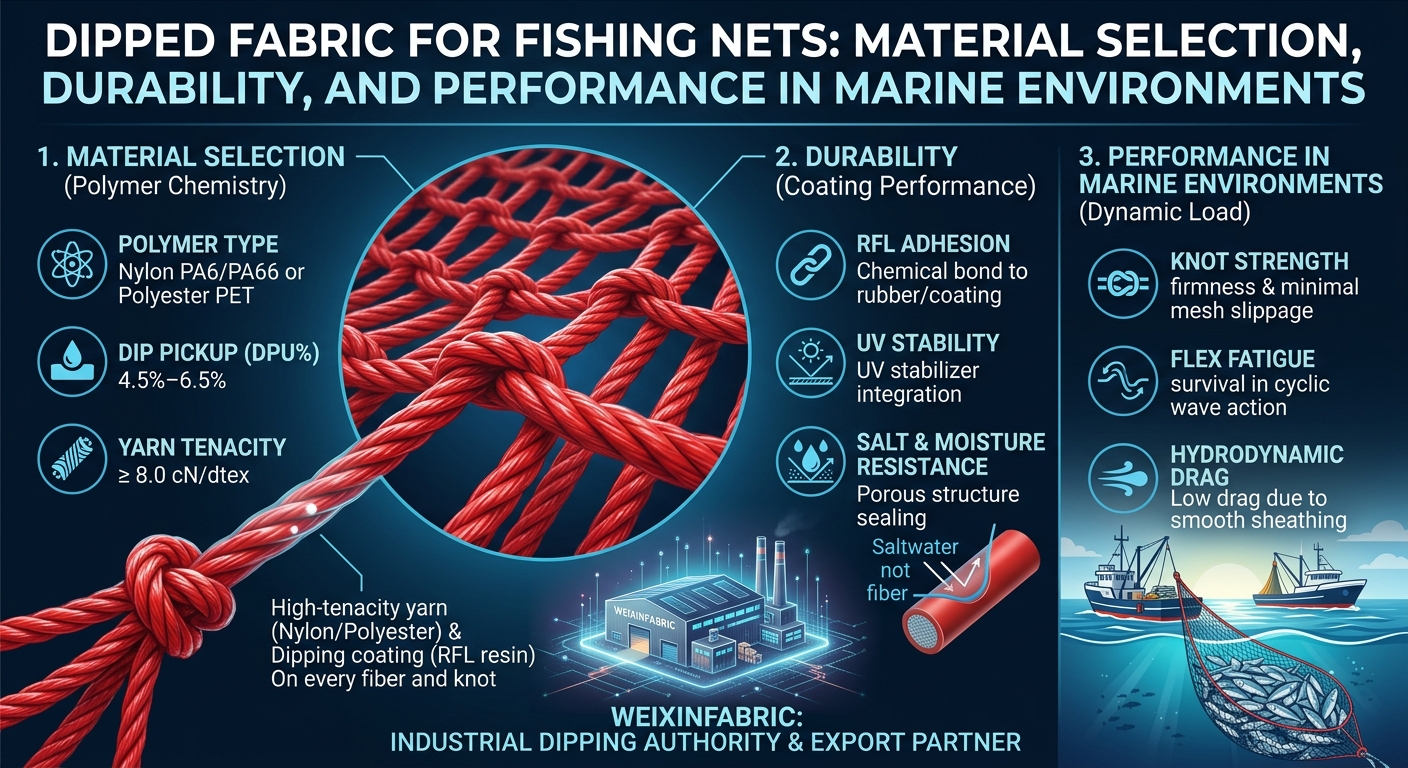
As a professional manufacturer and solution expert, we specialize in Carcass Fabric for Automotive Tires, Dipped Fabric for Conveyor Belts, Dipped Fabric for Fishing Nets, and Grade C Cord Fabric. With years of R&D and production experience, we provide high-strength, heat-resistant, and durable industrial fabrics tailored to global clients' specific requirements. Our products are widely used in tire reinforcement, conveyor belt carcass, fishing net manufacturing, and other industrial applications. Explore full product range →
Also check our Tire Cord Fabric, Conveyor Belt Dipped Fabric, and Fishing Net Dipped Fabric pages.