Tire Cord Fabric Adhesion: Why Rubber Coating Quality Matters for Tire Durability
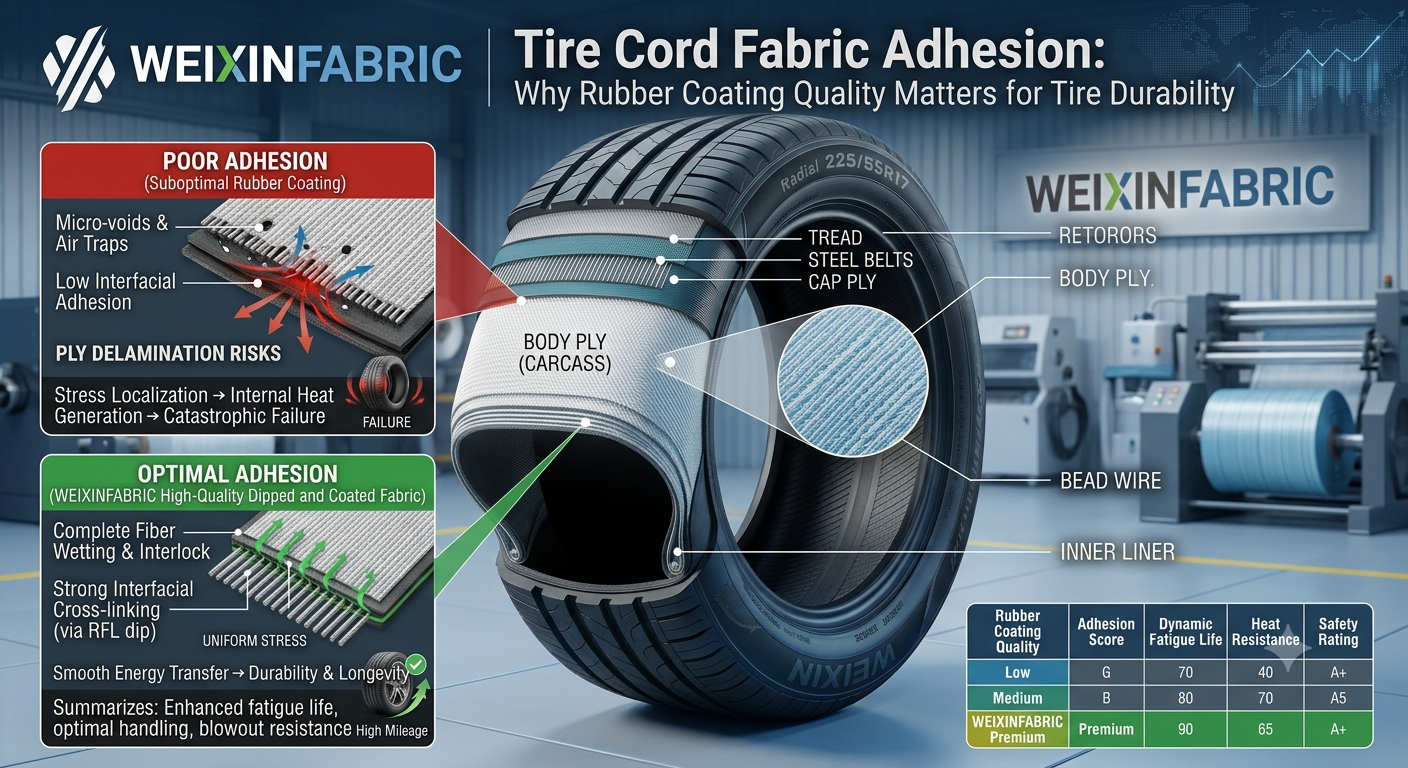
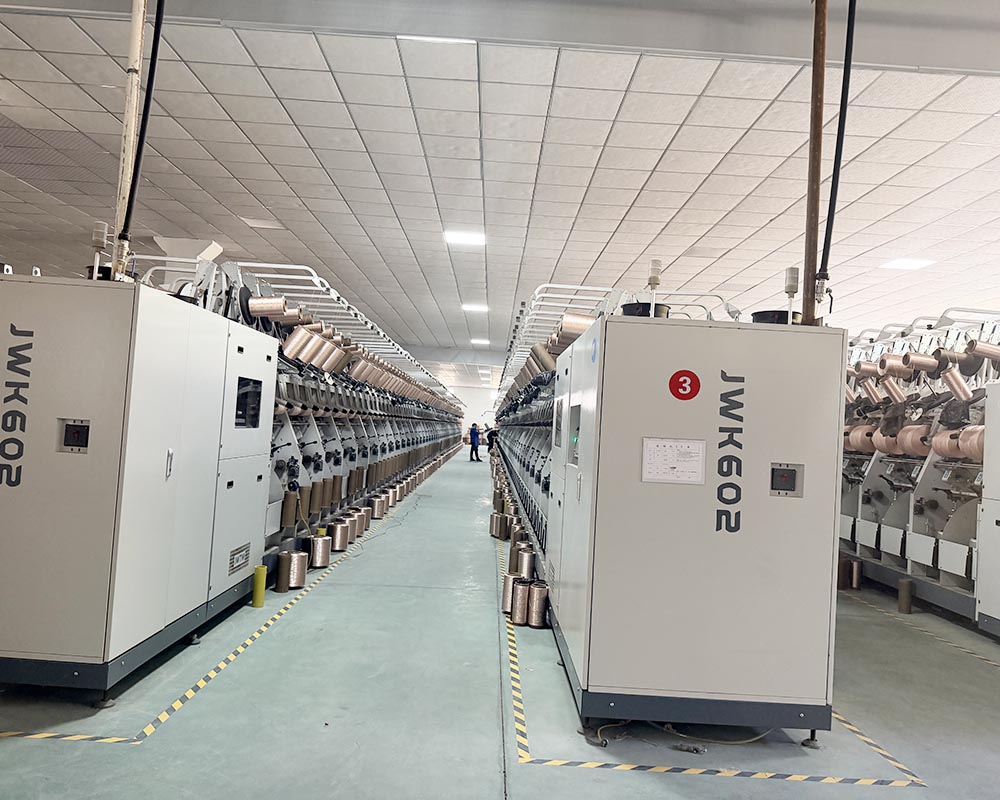
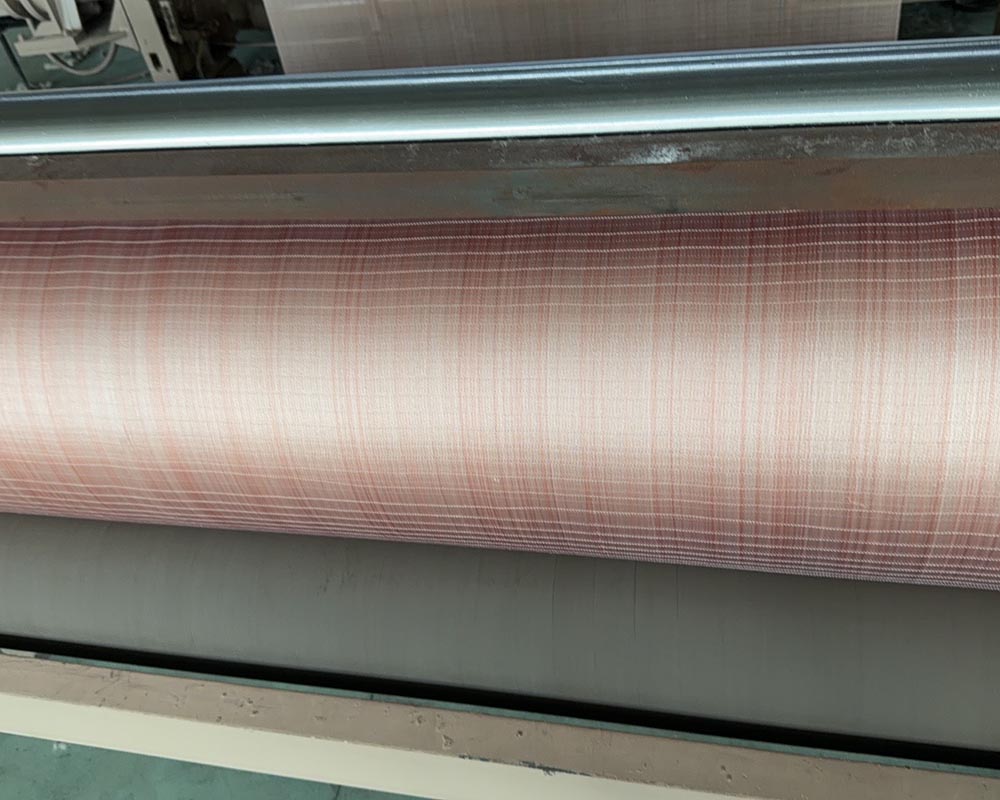
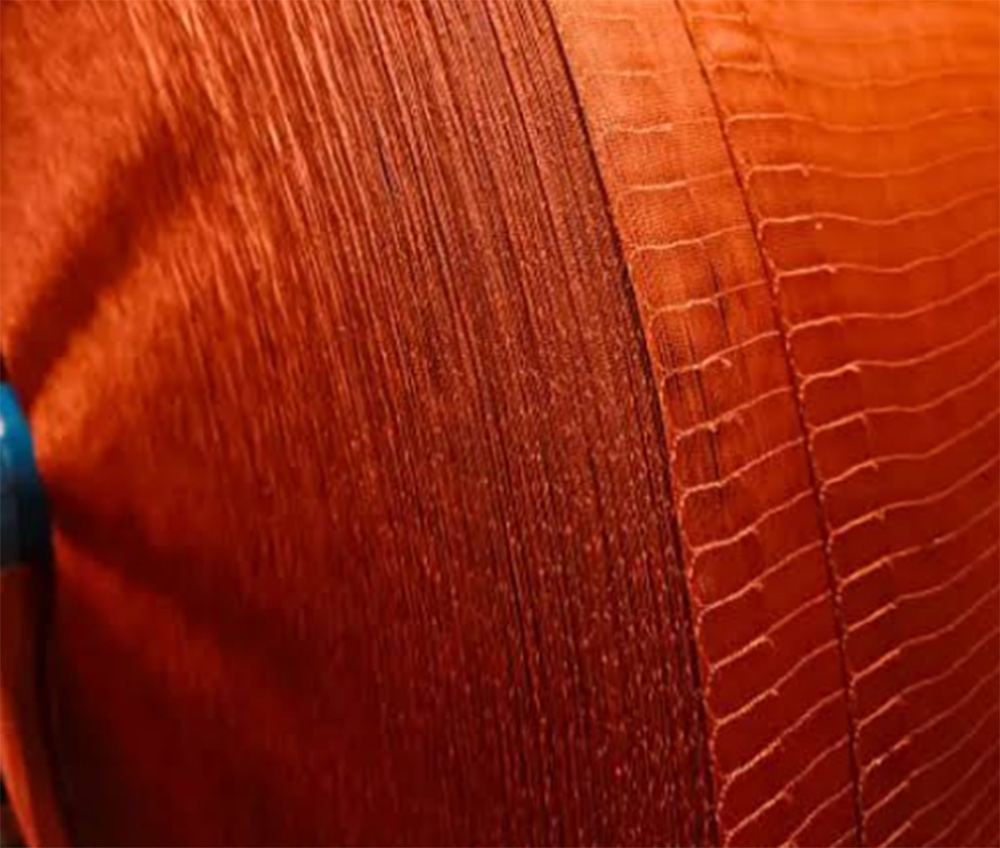
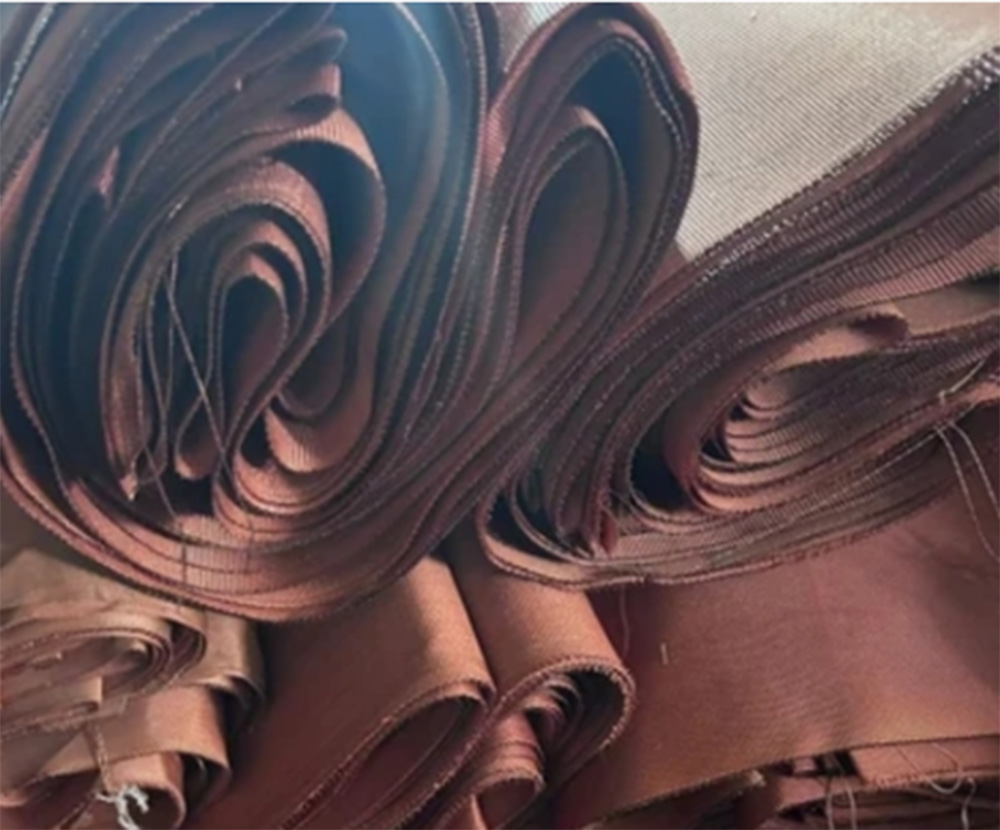
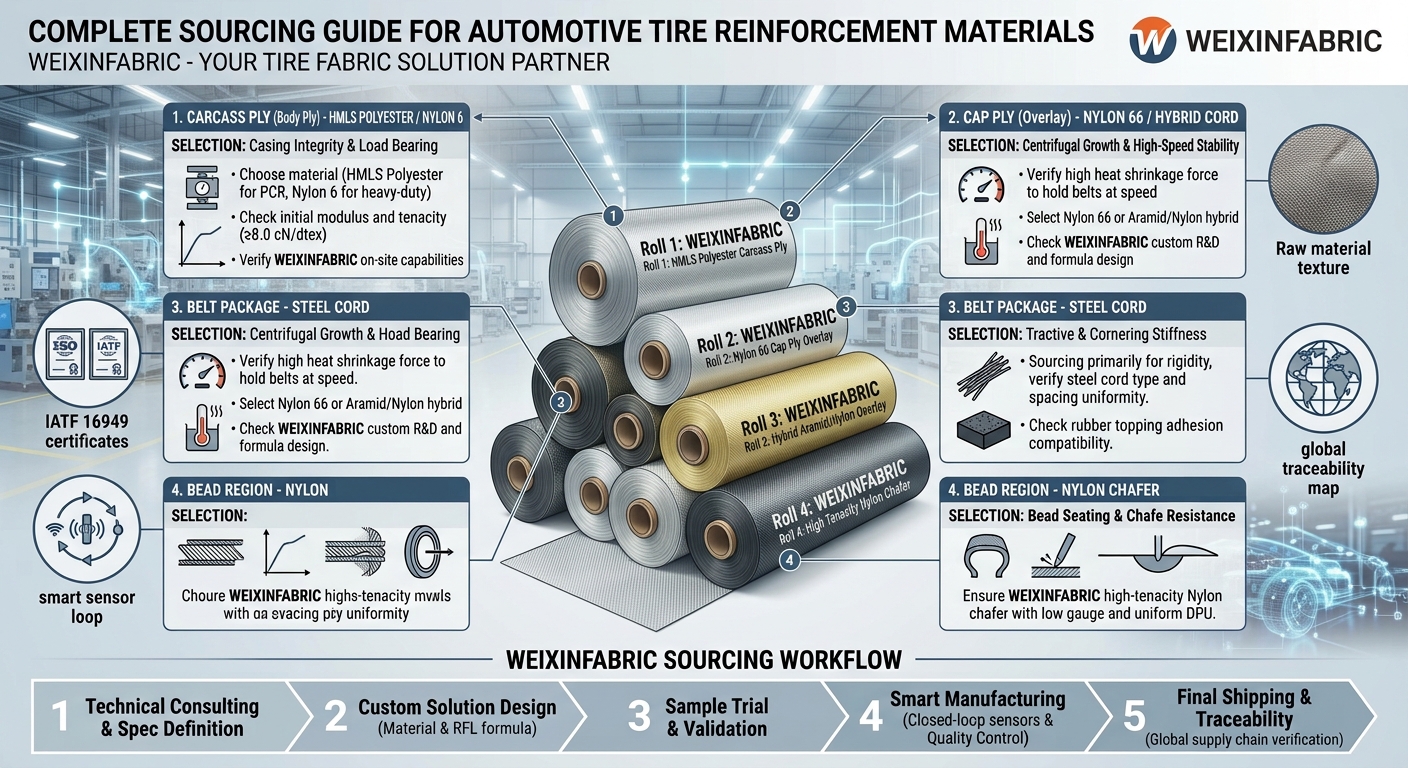
Comprehensive Technical Insight by Weixin Fabric – Elite Automotive Tire Carcass Engineering In the field of high-performance tire engineering, a tire is far more than a single molded piece of vulcanized rubber. It is a highly complex, multi-layered composite structure designed to withstand immense dynamic stress, cyclic heat generation, and unpredictable mechanical friction. At the heart of this composite structure lies the tire carcass fabric layer, which provides the primary burst pressure resistance and dimensional shape for the entire tire profile. However, the structural integrity of this reinforcing layer relies entirely on a single critical factor: interfacial adhesion. If the physical and chemical bond between the synthetic technical textile (such as HMLS polyester or Nylon 66) and the surrounding skim rubber matrix fails, the entire tire faces catastrophic failure. As a leading high-tenacity tire carcass fabric manufacturer based in China, Weixin Fabric provides an exhaustive engineering analysis of why rubber coating quality and adhesive chemistry dictate long-term tire durability. When a vehicle accelerates, corners, or brakes, the tire carcass experiences continuous compression and elongation cycles. If the adhesive interface between the rubber and tire cord fabric is flawed, these mechanical forces localize instead of transferring smoothly across the composite matrix. Raw synthetic polymers like polyester and polyamide (nylon) are naturally hydrophobic and chemically inert. They possess virtually zero inherent affinity to cross-link with raw natural or synthetic rubber matrices. To bridge this chemical gap, the fabric must undergo a highly specialized chemical conversion process using a **Resorcinol-Formaldehyde-Latex (RFL)** dipping formulation. The RFL system works via a dual-affinity mechanism. The resorcinol-formaldehyde resin matrix establishes rigid, high-density physical and chemical links with the polar groups of the nylon or activated polyester molecules. Simultaneously, the latex component (typically a Vinyl Pyridine-Styrene-Butadiene Rubber blend) co-vulcanizes directly with the unsaturated double bonds of the tire's unvulcanized skim rubber compound during the final curing process. Any imbalance in the RFL resin-to-rubber ratio or improper curing temperatures during the dipping stage will heavily degrade the compound’s ultimate peel strength. Once the dipped tire cord fabric is prepared, it passes through the calender line where rubber coating quality is locked into place. Maintaining precise operating parameters is non-negotiable for achieving consistent tire durability. At Weixin Fabric, we understand that rubber coating quality is only as reliable as the underlying chemical activation of the fabric substrate. Achieving a zero-defect bond inside your calender line requires total consistency long before the fabric encounters your rubber compound. Operating from our modern Chinese industrial facility, Weixin Fabric utilizes computerized double-dipping processing towers that treat every single yarn filament with ultra-uniform RFL active layers. We source premium-grade chemical inputs and utilize precise thermal zones to match the specific requirements of both Nylon 6, Nylon 66, and High-Modulus Low-Shrinkage (HMLS) Polyester cord profiles. The result is a pre-activated tire carcass fabric that bonds perfectly with standard natural rubber/SBR skim formulations, accelerating your calender speeds and optimizing vulcanization efficiency. For tire manufacturers striving to design durable passenger car radials (PCR), heavy-duty commercial truck casings (TBR), or high-torque electric vehicle (EV) tires, Weixin Fabric provides the ideal baseline for structural integrity. Reach out to our engineering experts in China today to obtain comprehensive technical datasheets and order factory-direct material samples.Tire Cord Fabric Adhesion: Why Rubber Coating Quality Matters for Tire Durability
1. The Physics of the Interface: Dispersing Severe Dynamic Stresses
2. The Chemical Key: RFL Dipping Technology
3. Quality Control Benchmarks for Calendering and Coating
Adhesion Metric Evaluation Methodology Impact on Tire Casing Life H-Test Adhesion Measures the mechanical pull-out force of a single treated cord embedded in rubber blocks. Determines structural structural resistance against cord-pullout during heavy hitting or curb impact. Peel Adhesion (180°) Strips two rubberized carcass plies apart to calculate constant force resistance (N/mm). Directly predicts resistance to inter-ply delamination under severe high-speed flexing conditions. Rubber Coverage Rating Visual grading of the stripped interface (Target: Grade 5, 100% rubber retention on fabric). Guarantees that cohesive failure occurs entirely within the rubber compound rather than adhesively at the boundary layer.
4. Weixin Fabric: Delivering the Industry's Strongest Composite Bond
Our Expertise – Carcass Fabric & Dipped Fabric Solutions
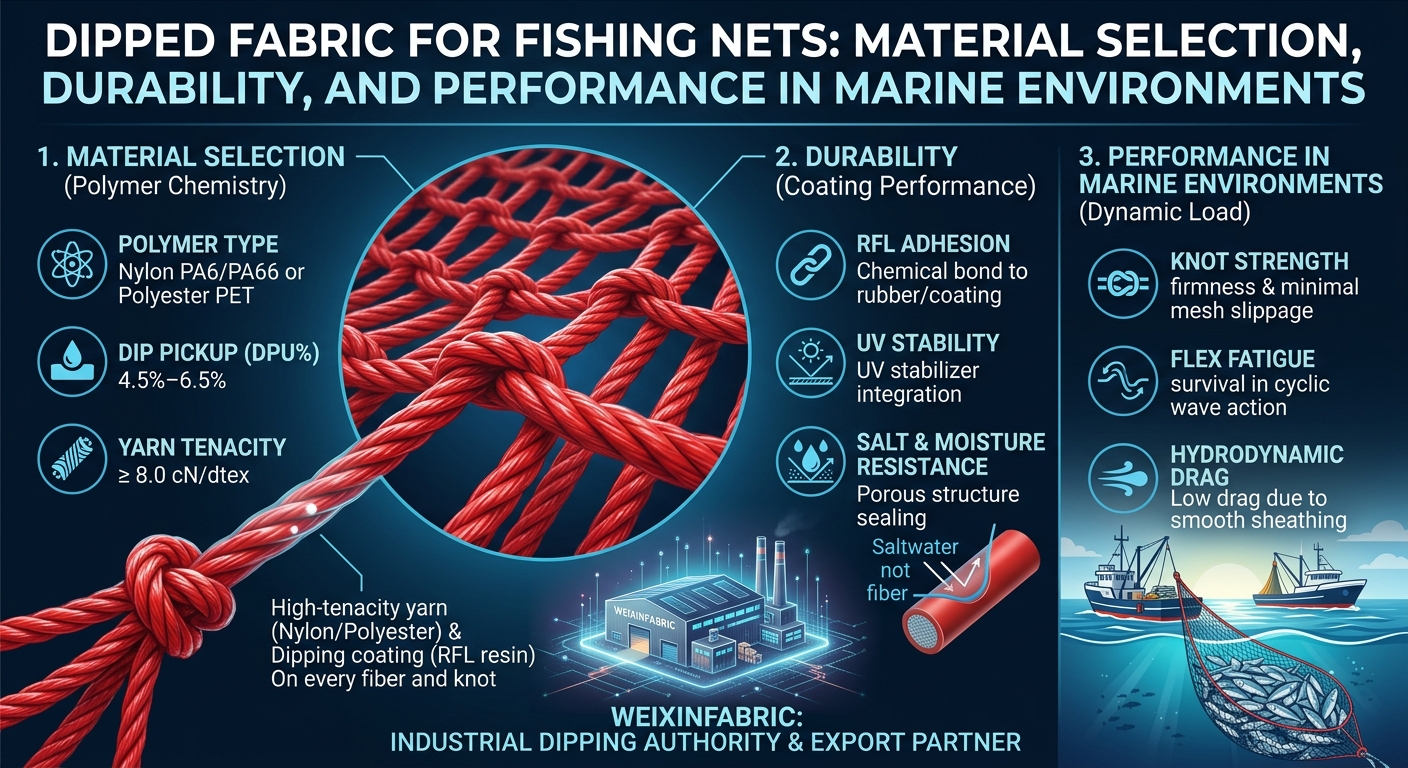
As a professional manufacturer and solution expert, we specialize in Carcass Fabric for Automotive Tires, Dipped Fabric for Conveyor Belts, Dipped Fabric for Fishing Nets, and Grade C Cord Fabric. With years of R&D and production experience, we provide high-strength, heat-resistant, and durable industrial fabrics tailored to global clients' specific requirements. Our products are widely used in tire reinforcement, conveyor belt carcass, fishing net manufacturing, and other industrial applications. Explore full product range →
Also check our Tire Cord Fabric, Conveyor Belt Dipped Fabric, and Fishing Net Dipped Fabric pages.