How to Select the Right Grade C Cord Fabric for Your Conveyor Belt Application?
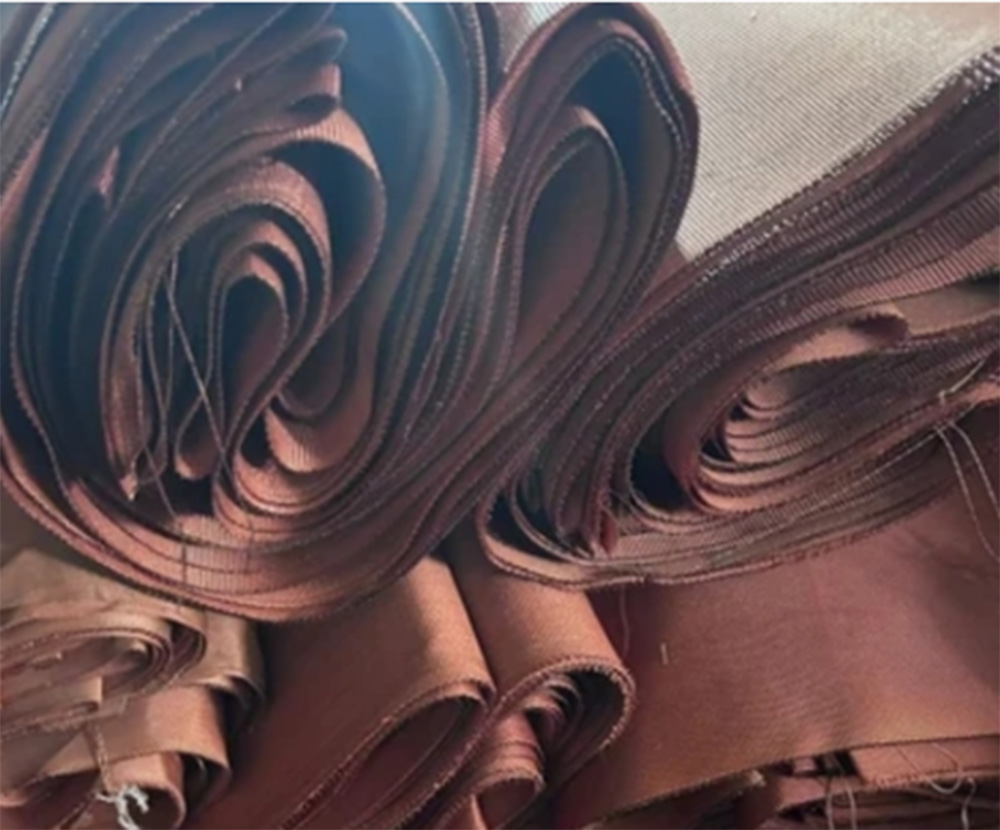
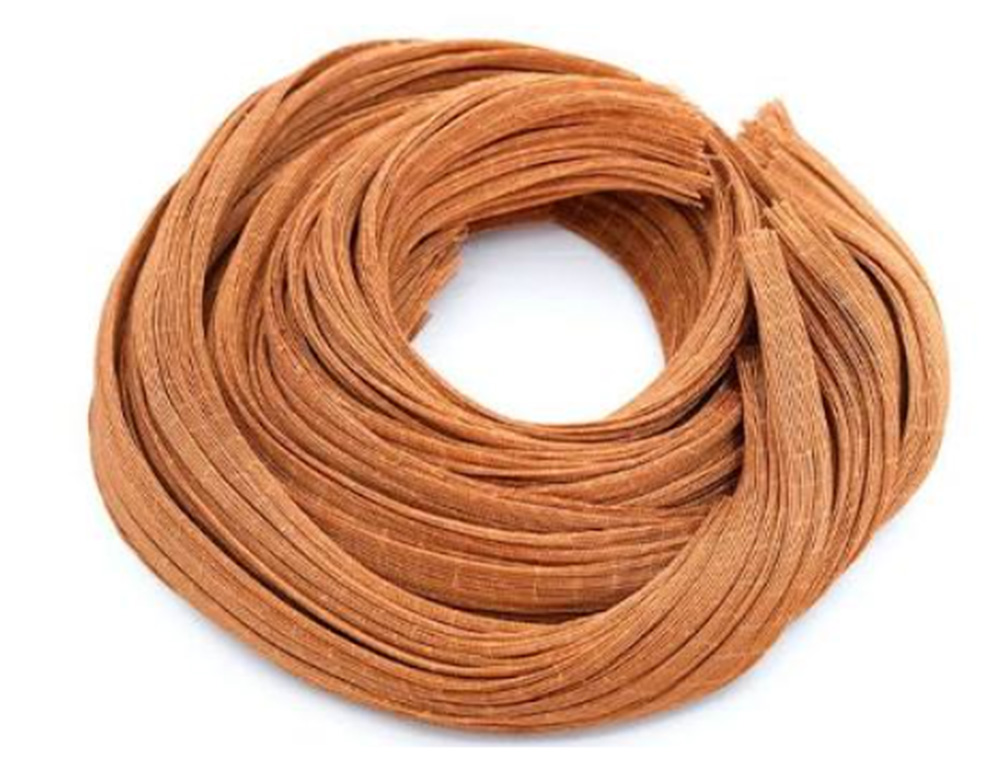
The Grade C cord fabric — also known as the conveyor belt carcass — is the structural backbone that determines a belt's load capacity, impact resistance, and service life. Selecting the wrong fabric can lead to premature belt failure, costly downtime, and safety risks. With multiple constructions available — EP, NN, and EE — each with distinct performance profiles, how do you choose the right one for your specific operating conditions? This guide provides a systematic framework for selecting Grade C cord fabric based on application requirements, load conditions, and environmental factors.
1. Understanding Grade C Cord Fabric Construction
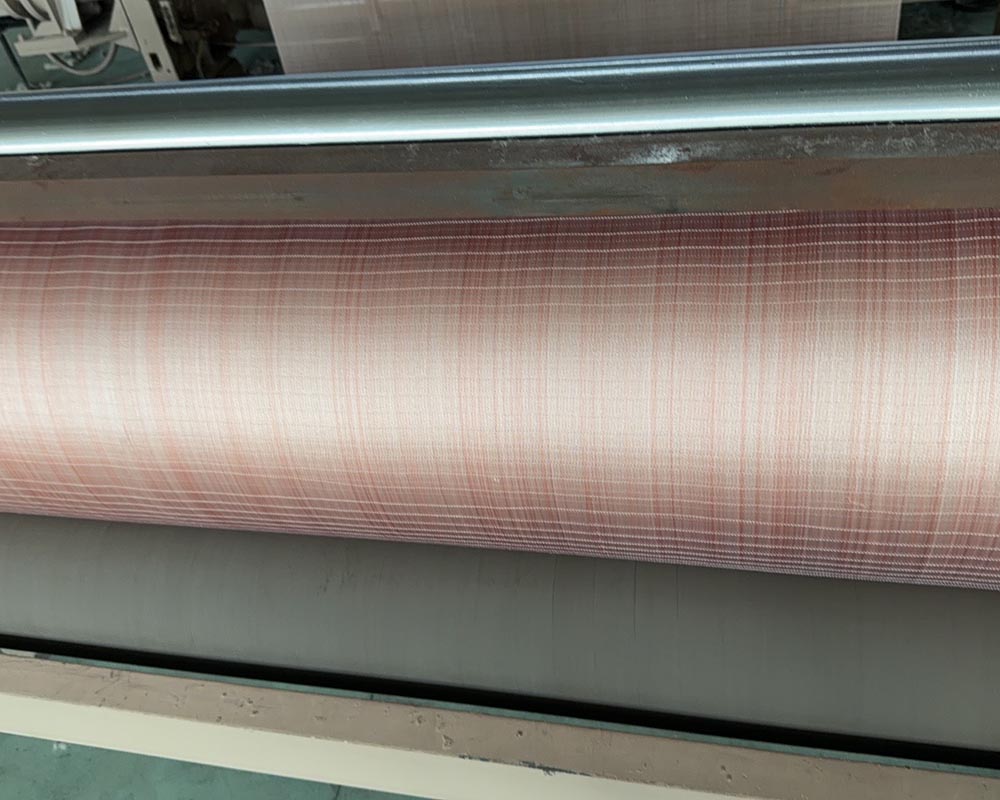
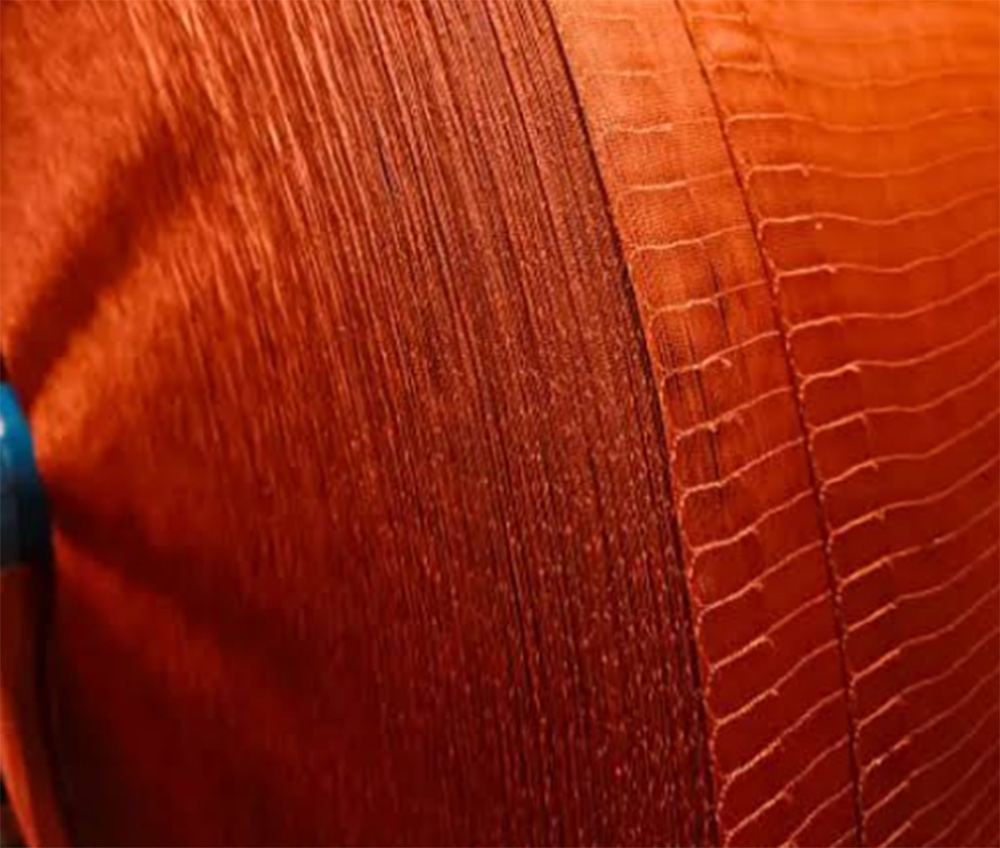
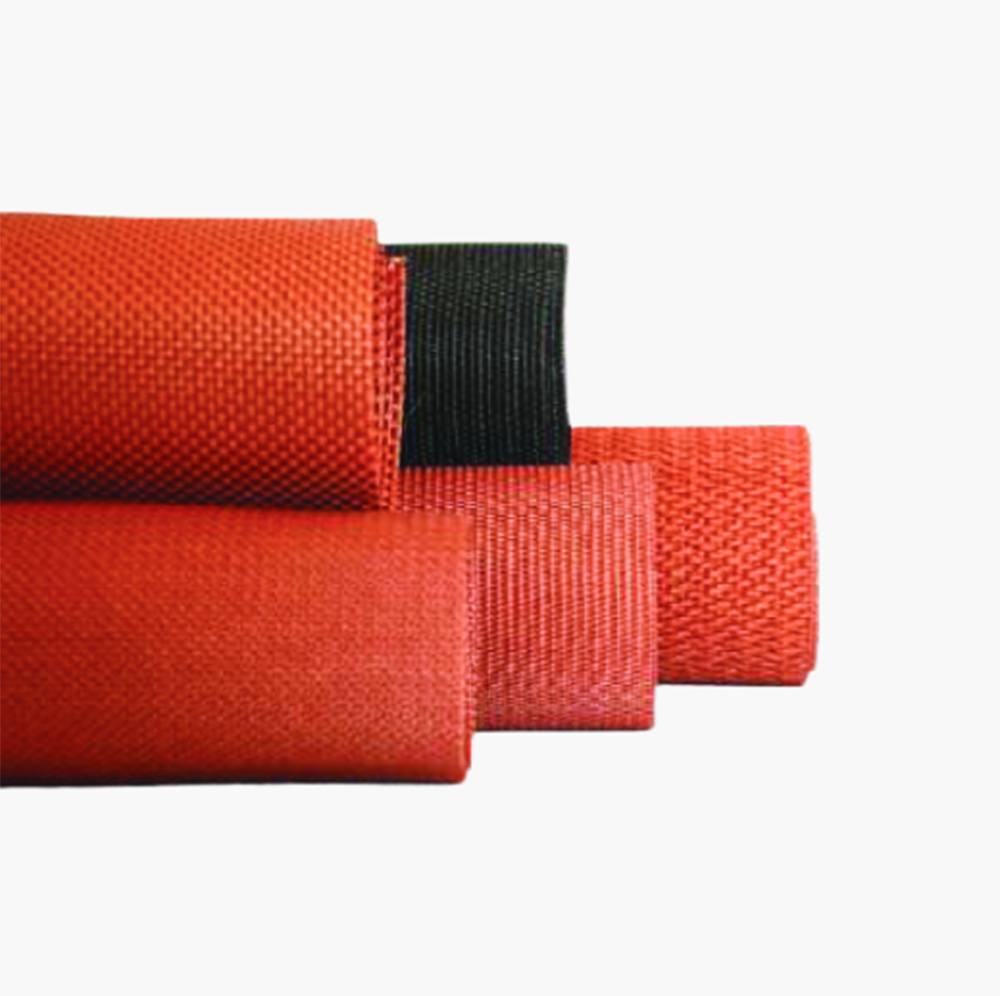
Grade C cord fabric is a woven reinforcement material made from high-tenacity industrial yarns — typically polyester or nylon — that are dipped in RFL (Resorcinol-Formaldehyde-Latex) to ensure strong adhesion to the rubber cover layers. The naming convention — EP, NN, EE — indicates the warp and weft materials:
- EP (Polyester/Nylon): Polyester warp, Nylon weft — the most common general-purpose option.
- NN (Nylon/Nylon): Nylon warp, Nylon weft — high flexibility and impact resistance.
- EE (Polyester/Polyester): Polyester warp, Polyester weft — low stretch, high dimensional stability.
2. Key Selection Criteria for Grade C Cord Fabric
When evaluating Grade C cord fabric for your conveyor belt, consider these critical performance parameters:
📊 Tensile Strength (N/mm)
The fabric's ability to withstand longitudinal tension. Higher strength allows for longer belt spans and heavier loads. Grade C fabrics typically range from 100 to 400 N/mm depending on construction and denier.
🔗 Adhesion (N/cm)
The bond strength between the fabric and rubber cover. ≥150 N/cm is the industry benchmark for reliable performance. Poor adhesion leads to ply separation — a primary failure mode.
💥 Impact Resistance
The fabric's ability to absorb sudden shocks from falling materials. Nylon's higher elasticity (15-20% elongation) provides superior impact absorption compared to polyester (8-12%).
📏 Dimensional Stability
Resistance to stretch and shrinkage. Polyester offers lower elongation and superior thermal stability (≤2.5% shrinkage at 177°C for HMLS grades), ensuring consistent tracking.
3. Comparative Analysis: EP vs NN vs EE for Grade C Applications
| Property | EP (Polyester/Nylon) | NN (Nylon/Nylon) | EE (Polyester/Polyester) |
|---|---|---|---|
| Tensile Strength | High (100-400 N/mm) | High (100-400 N/mm) | High (100-400 N/mm) |
| Elongation at Break | 10-15% | 15-20% | 8-12% |
| Impact Resistance | Good | Excellent | Moderate |
| Dimensional Stability | Good | Lower (moisture sensitive) | Excellent |
| Thermal Shrinkage (177°C) | ≤3% | 6-8% | ≤2.5% |
| Moisture Resistance | Good | Moderate | Excellent |
| Cost | Moderate | Higher | Moderate |
| Typical Applications | General purpose, mining, aggregate | High-impact, crushers, steel mills | Long-distance, high-speed, precise tracking |
4. Application-Based Selection Framework
Choose EP
Best for: General-purpose mining, quarrying, and aggregate handling. Offers the best balance of cost, strength, and impact resistance for most standard applications.
Choose NN
Best for: Primary crushers, steel mills, and heavy-impact loading zones. Nylon's superior elasticity absorbs shocks effectively, though moisture resistance is lower.
Choose EE
Best for: Long-distance overland belts, high-speed conveyors, and applications requiring precise tracking. All-polyester construction delivers superior dimensional stability.
5. Step-by-Step Selection Process
- Define your operating conditions:
- What is the maximum load (tons/hour)?
- What is the belt speed (m/s)?
- What is the drop height and impact frequency?
- Is the environment wet, dry, or high-temperature?
- Determine required tensile strength:
- Calculate required N/mm based on belt width, load, and safety factor.
- Typical safety factor: 8-10 for mining, 6-8 for general applications.
- Select fabric construction:
- High impact → NN
- Long distance or high speed → EE
- General purpose → EP
- Specify dipping quality:
- Adhesion ≥150 N/cm
- DPU uniformity CV ≤3%
- Shrinkage ≤3% (or ≤2.5% for HMLS)
- Request batch test reports:
- Confirm tensile, adhesion, and shrinkage values.
- Verify CV for breaking strength ≤1.5%.
6. Real-World Selection Example
Scenario: A copper mine in Chile needs a conveyor belt for their primary crusher feed. Large rocks drop from heights up to 2 meters. The belt operates at 3.5 m/s, 24/7, with frequent impact.
Analysis: High impact frequency → NN fabric's superior impact absorption is critical. Wet environment → NN's moisture sensitivity is a concern, but can be mitigated with proper rubber cover thickness and moisture-resistant dipping.
Recommendation: NN-315 Grade C cord fabric with ≥160 N/cm adhesion, 8% DPU, and moisture-resistant RFL formulation. Result: Belt life extended from 12 to 24 months.
7. Why Weixin Fabric for Grade C Cord Fabric
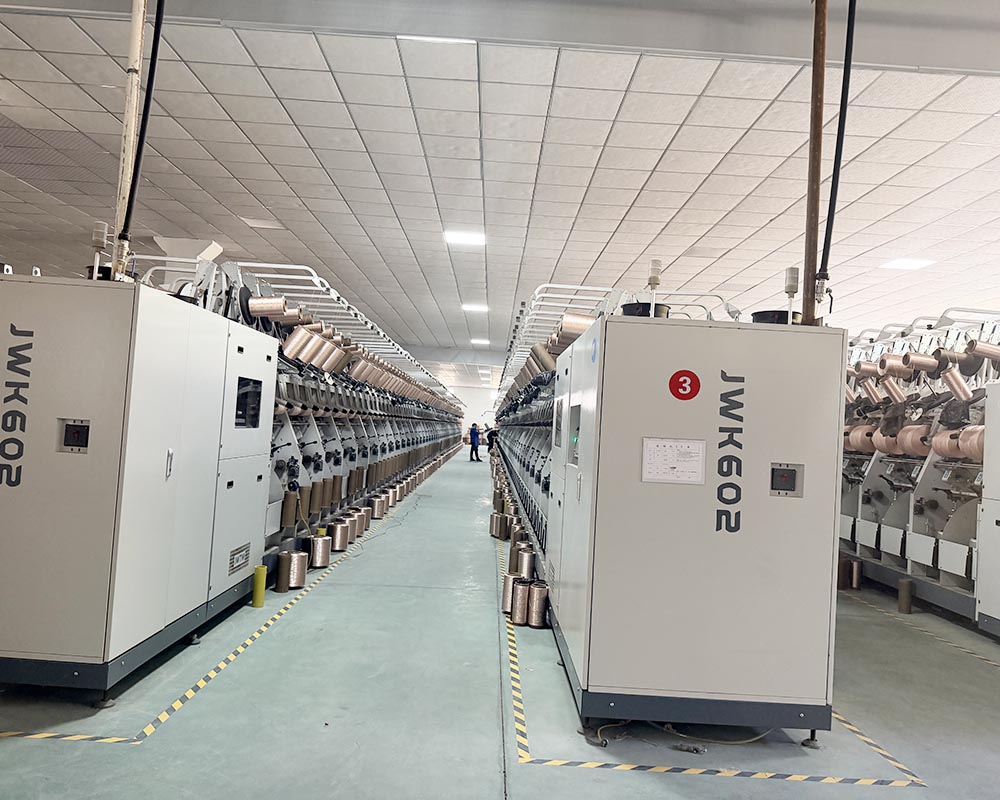
As a specialized manufacturer of Grade C cord fabric for conveyor belts, Weixin Fabric offers the full range of EP, NN, and EE constructions with:
- Virgin high-tenacity yarns — consistent tensile strength and modulus
- Closed-loop tension control — uniform DPU and adhesion across every roll
- 100% batch testing — tensile, adhesion, shrinkage, and penetration verified
- Customizable specifications — weave, twist, and dip formulation to match your application
Whether you need the impact toughness of NN, the stability of EE, or the versatility of EP, Weixin Fabric delivers Grade C cord fabric that ensures reliable, long-lasting conveyor belt performance.