Why Dipped Fabric is the Critical Failure Point in High-Speed Conveyor Belts?
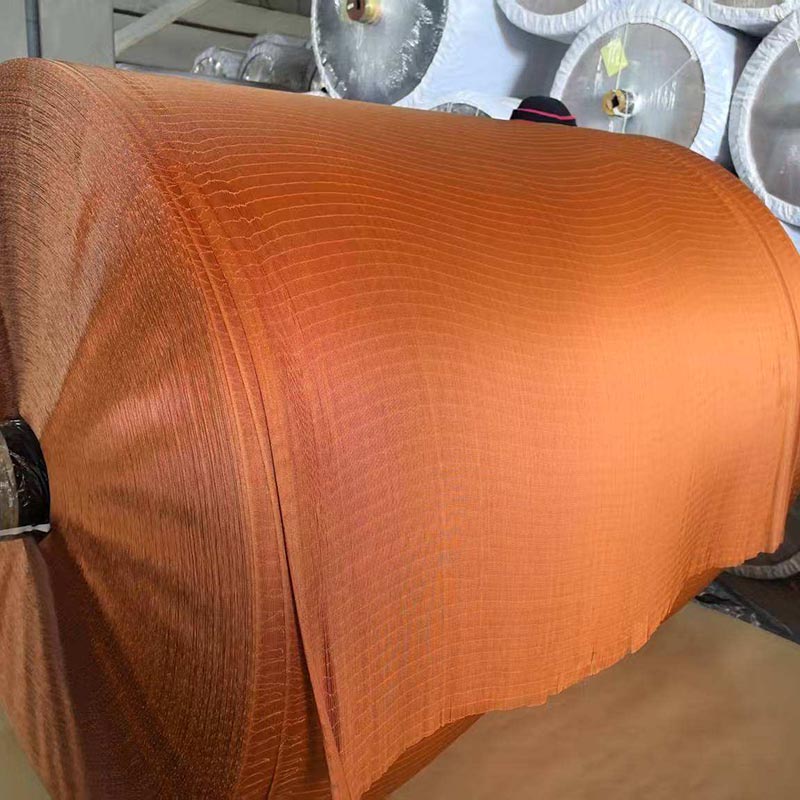
Why Dipped Fabric is the Critical Failure Point in High-Speed Conveyor Belts?
In modern material handling, high-speed conveyor belts are the lifeblood of mining, aggregate, logistics, and industrial production. When a conveyor belt fails unexpectedly, the entire operation grinds to a halt – costing thousands of dollars per hour in downtime. While many focus on the rubber cover or mechanical splices, engineers increasingly recognize that the hidden skeleton – the dipped fabric – is often the true critical failure point. This article analyzes why dipped fabric determines conveyor belt lifespan, and how selecting the right high-tenacity dipped fabric prevents catastrophic failures.
1. The anatomy of a high-speed conveyor belt
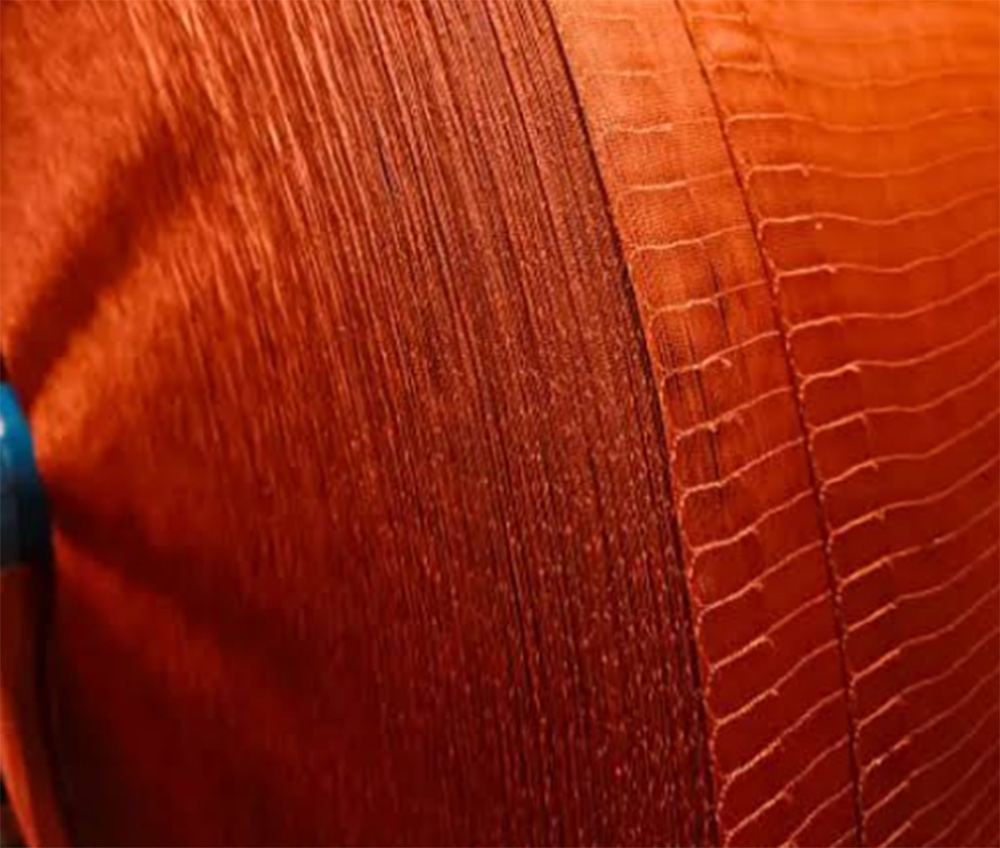
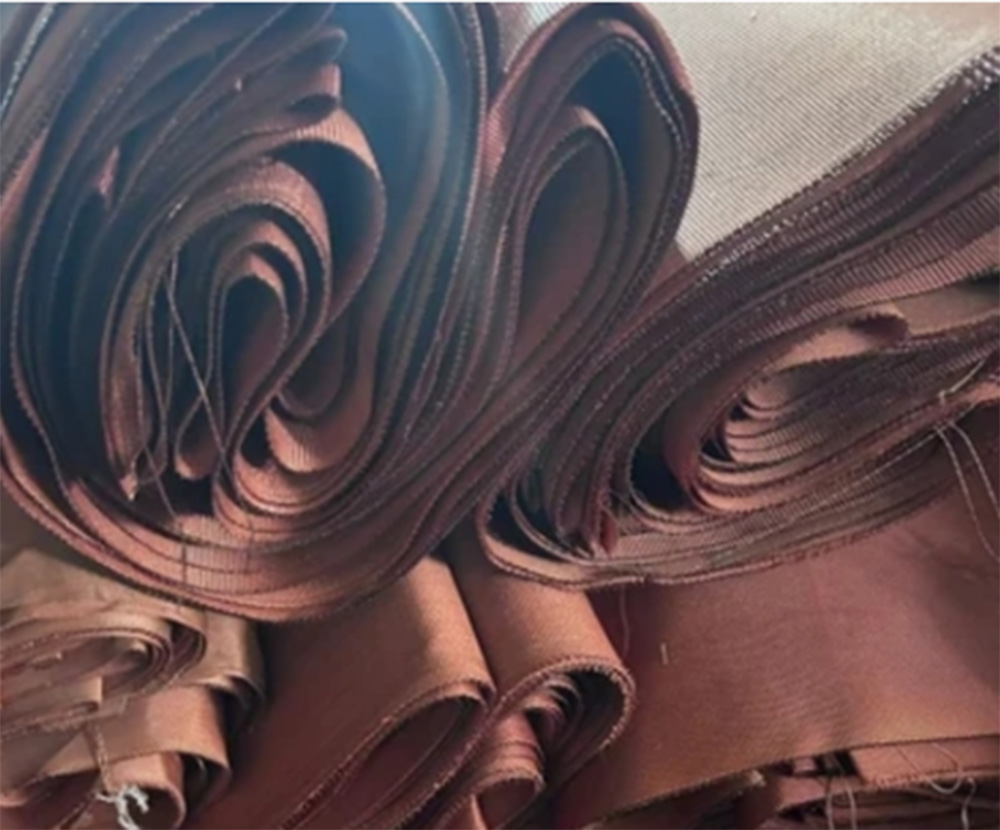
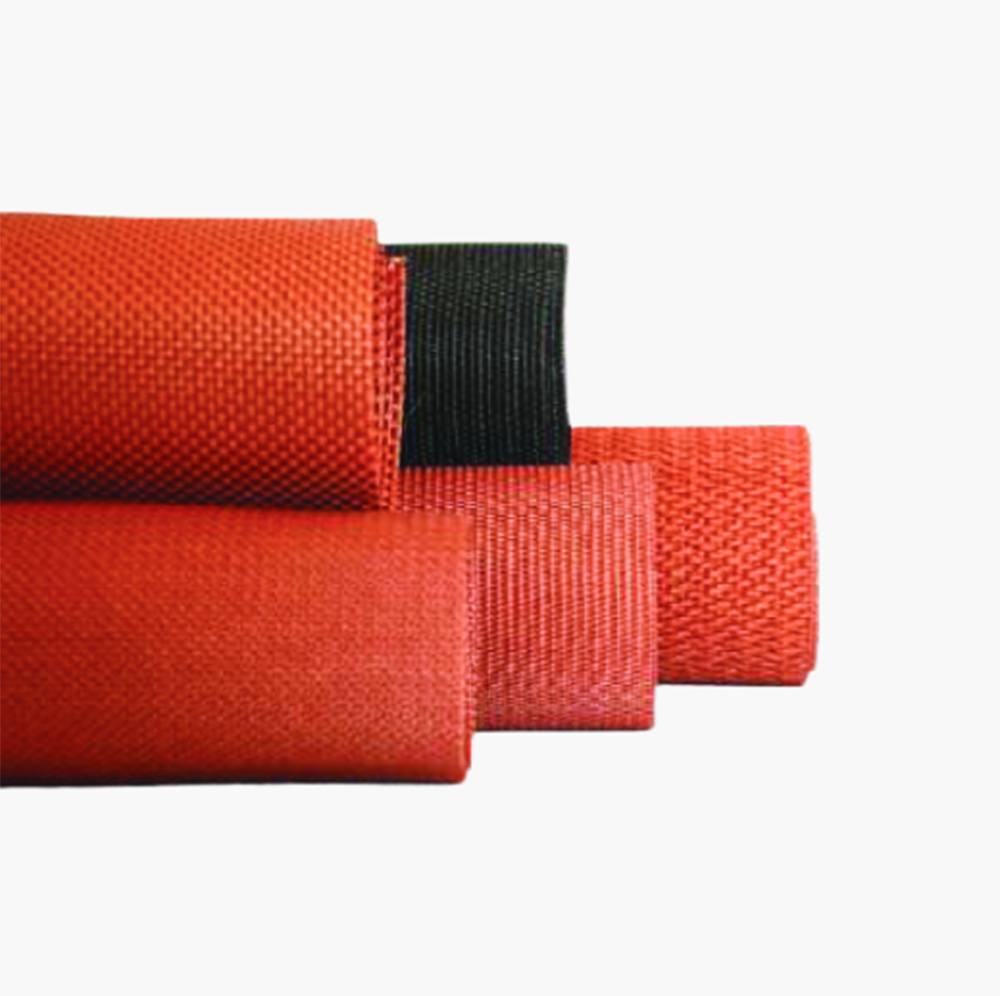
A modern conveyor belt consists of three main components: top cover rubber, carcass (reinforcement layers), and bottom cover rubber. The carcass is almost exclusively made of dipped fabric – either polyester (PET), nylon (polyamide), or aramid blends. This fabric provides tensile strength, impact resistance, and troughability. The "dipping" process (RFL treatment) ensures superior bonding between the fabric and rubber compounds. Without proper dipping chemistry, even the strongest yarn will delaminate.
2. Why dipped fabric becomes the weakest link under high speed
High-speed operation (typically >4 m/s) introduces unique stresses: dynamic flexing, heat buildup, and high-frequency impact. Under these conditions, three failure mechanisms emerge:
- Adhesion fatigue: Repeated flexing weakens the RFL bond between cords and rubber, causing separation (ply delamination).
- Tension creep and elongation: Poor-quality dipped fabric gradually elongates, leading to belt mistracking and take-up stroke exhaustion.
- Thermal degradation: Internal friction raises temperature; low-quality fabric loses strength above 100°C, accelerating rupture.
Our field studies show that dipped fabric with inconsistent adhesion level (≥150 N/cm per ISO 36) and high initial modulus drastically outlasts commodity-grade alternatives. That’s why automotive-grade dipping standards are now adopted for heavy-duty conveyor belts.
3. Rubber penetration – the hidden culprit
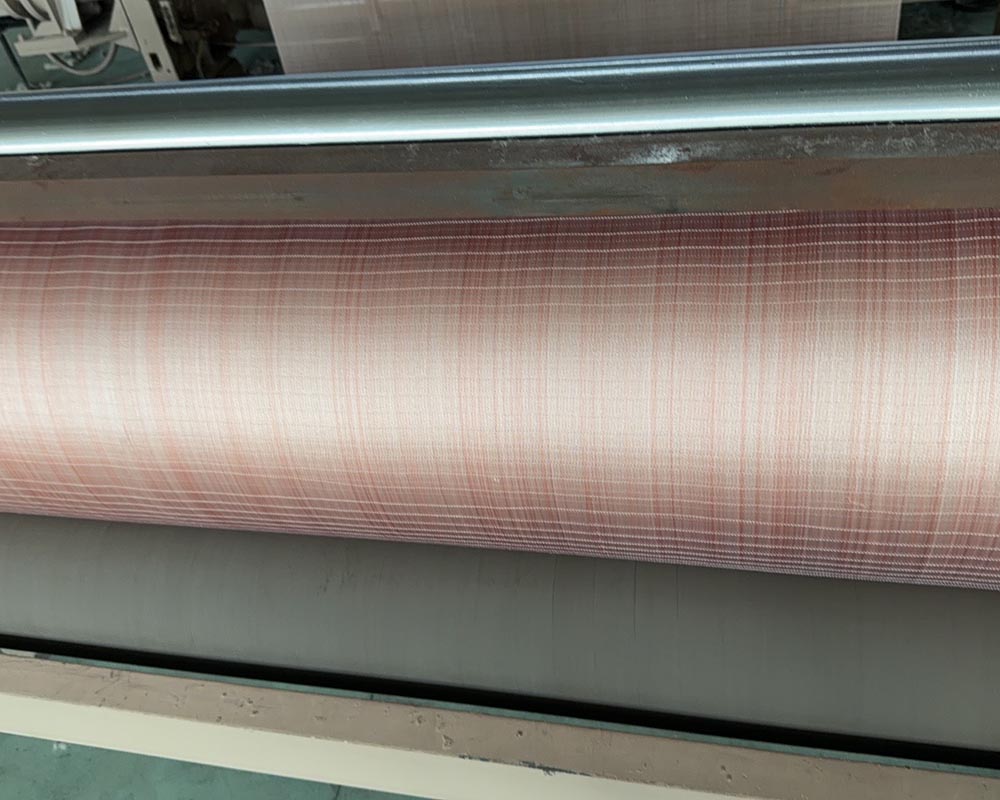
Many engineers overlook rubber penetration into the fabric weave. Insufficient penetration creates air pockets, allowing moisture and chemicals to attack the cord. High-speed belts generate vibration, accelerating these voids into full-scale separations. A well-dipped fabric using high-viscosity RFL ensures complete encapsulation of each cord. At Weixin Fabric, we test every batch for dip pick-up (DPU) and void analysis to guarantee zero weak spots.
| Parameter | Standard Grade | High-Performance (Weixin) | Impact on Failure Prevention |
|---|---|---|---|
| Adhesion (N/cm) | ≥120 | ≥160 | Prevents ply separation & delamination |
| Heat shrinkage (180°C, %) | ≤5% | ≤2.5% | Reduces elongation & belt misalignment |
| Breaking strength (N/50mm) | 1500-2000 | 2200-2800 | Resists dynamic rupture under high tension |
| Tension retention after flex test | 85% | 95% | Ensures long-term reliability in continuous duty |
4. Real-world case: Why a cement plant replaced its fabric every 6 months
A Indonesian cement plant experienced repeated belt failures at the loading zone (high speed 5.2 m/s). After belt dissection, our engineers discovered non-uniform dipping and low-modulus polyester fabric that allowed excessive elongation. The fabric had lost 40% of its adhesion after only 4 months. Switching to Weixin's HMLS (High Modulus Low Shrinkage) dipped polyester fabric increased belt life to 18 months, saving over $200,000 in downtime annually. The difference was purely the quality of the dipped fabric carcass.
5. How to specify dipped fabric that eliminates the failure point
Procurement engineers and belt manufacturers should prioritize three specifications:
- Adhesion after heat aging (≥80% retention): ensures long-term bonding in hot environments.
- Low shrinkage (≤3% at 177°C): maintains dimensional stability under friction heat.
- High modulus at 5% elongation (≥300 N/cm): minimizes stretch, prevents belt sagging.
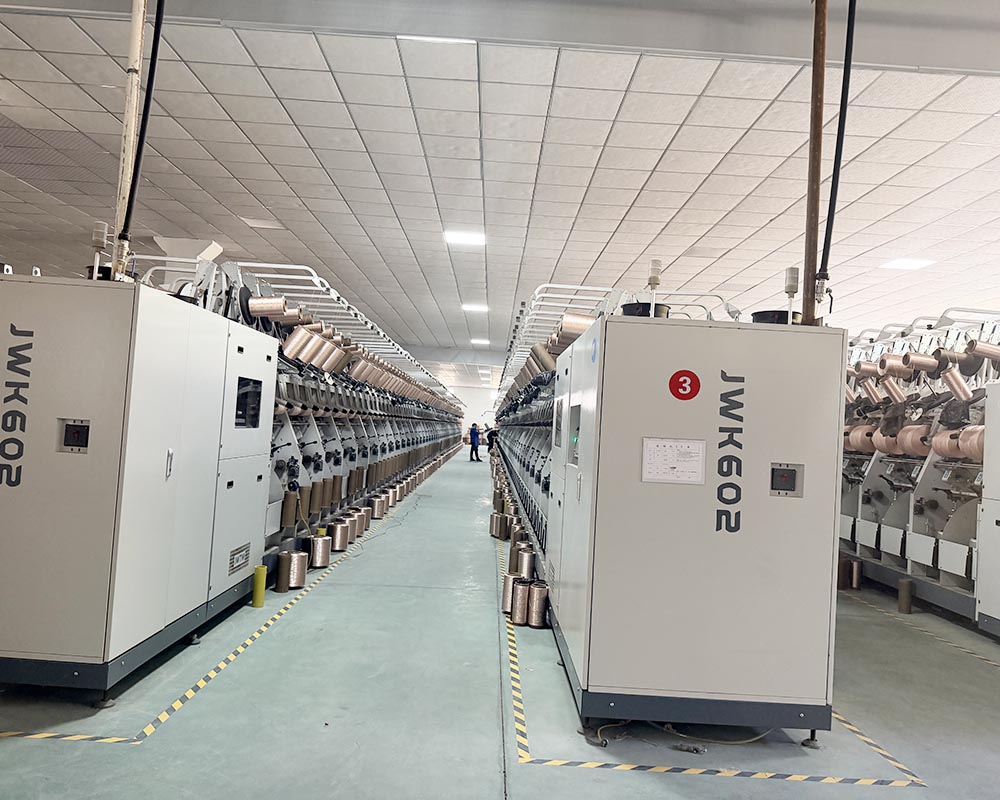
At Weixin Fabric, our dipped fabric for conveyor belts is engineered from virgin polyester chips (FDY or HMLS) and processed through state-of-the-art dipping lines with real-time tension control. Every roll is tested for tensile strength, adhesion, elongation, and uniformity. We provide full certification with each shipment, ensuring your belt carcass is never the failure point.
6. Why choose Weixin Fabric for high-performance dipped fabric?
With decades of textile reinforcement experience, we serve global industries requiring zero-compromise fabric. Our dipped fabric for conveyor belts line offers:
- Virgin polyester / nylon industrial yarns – no recycled downgraded materials.
- Precise RFL dipping formula customized to your rubber compound.
- Stringent quality control: ISO 9001, batch traceability, and 24/7 in-house lab.
- Flexibility: custom width, EP (polyester-nylon) combinations, and cut-to-length rolls.
- Fast sampling and global logistics support.
When your high-speed conveyor belt relies on the carcass, don’t let dipped fabric become the weak link. Contact our technical team for specification sheets, free samples, or a consultation tailored to your operating conditions.
📌 Related resources: Explore our complete range of Dipped Fabric for Conveyor Belts | Grade C Cord Fabric | HMLS Polyester for Tyre Carcass
Our Expertise – Carcass Fabric & Dipped Fabric Solutions
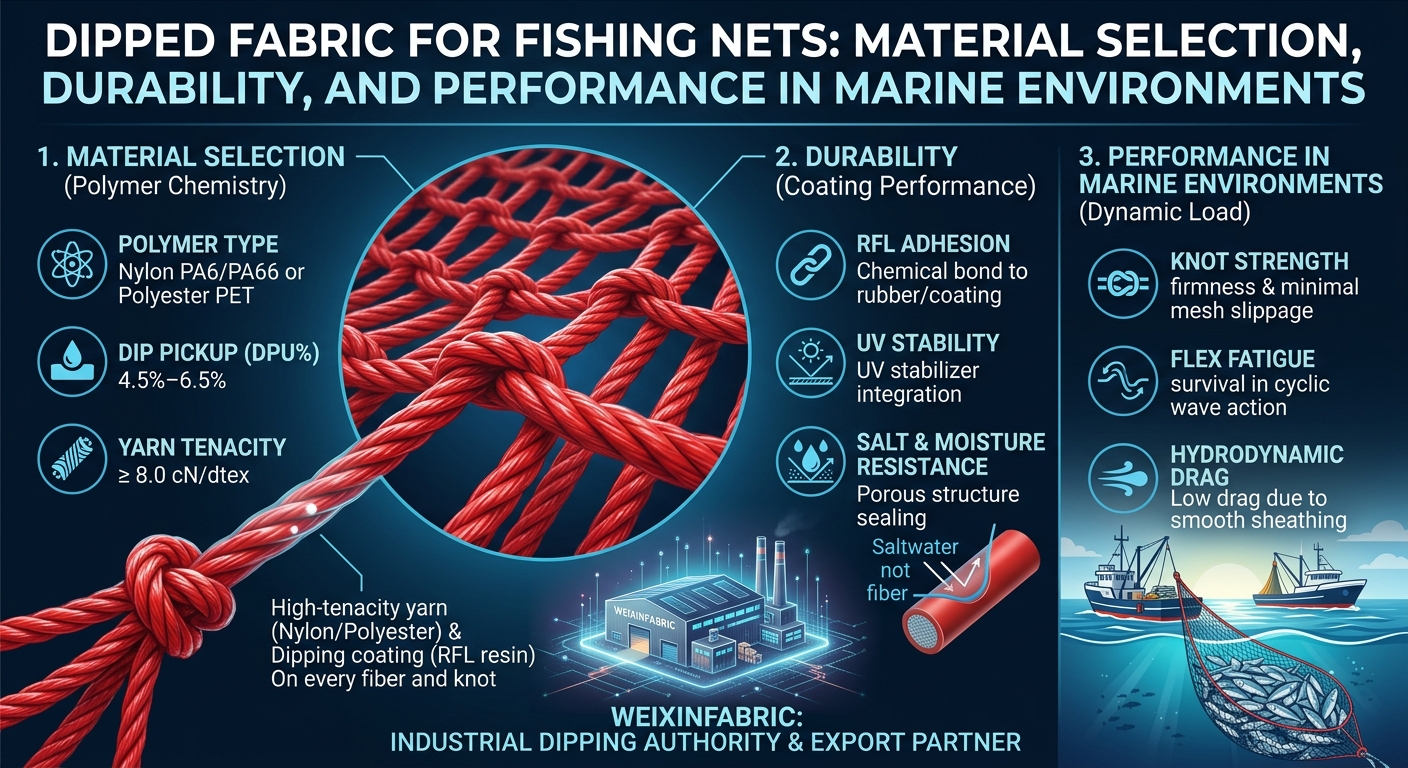
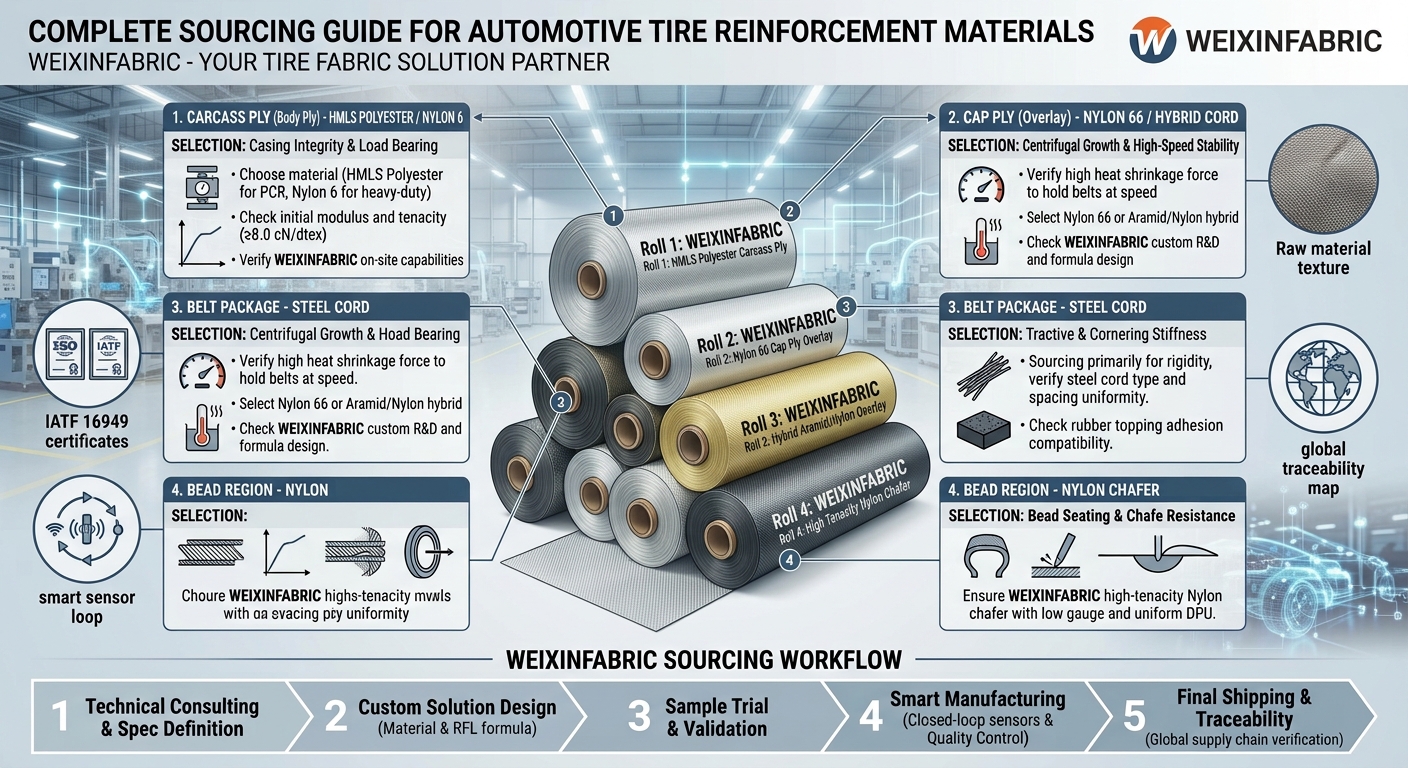
As a professional manufacturer and solution expert, we specialize in Carcass Fabric for Automotive Tires, Dipped Fabric for Conveyor Belts, Dipped Fabric for Fishing Nets, and Grade C Cord Fabric. With years of R&D and production experience, we provide high-strength, heat-resistant, and durable industrial fabrics tailored to global clients' specific requirements. Our products are widely used in tire reinforcement, conveyor belt carcass, fishing net manufacturing, and other industrial applications. Explore full product range →
Also check our Tire Cord Fabric, Conveyor Belt Dipped Fabric, and Fishing Net Dipped Fabric pages.